A mosaic of raised bogs, wet heathland and old oak forest along the Dutch border, protecting one of Europe's most important bird habitats.
Moore und Heiden des westlichen Münsterlandes
Moore und Heiden des westlichen Münsterlandes is a designated European Bird Protection Area (EU-Vogelschutzgebiet) in the far west of North Rhine-Westphalia, in Germany's northwestern Münsterland region. It consists of six separate sub-areas clustered along the border with the Netherlands, spanning the municipal territories of Ahaus, Gronau and Vreden in the Kreis Borken. Together these fragments form one of the last larger interconnected moor complexes in North Rhine-Westphalia.
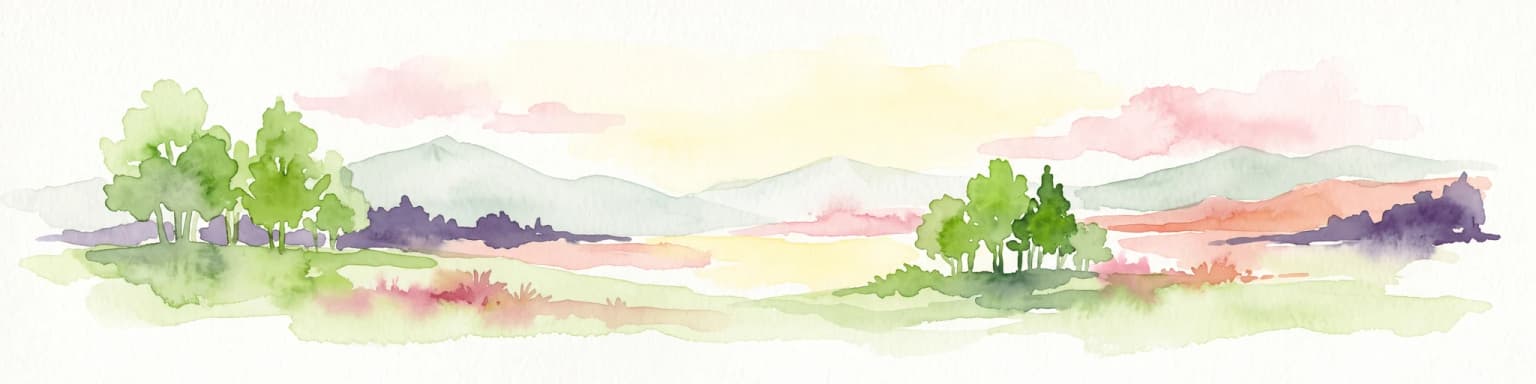
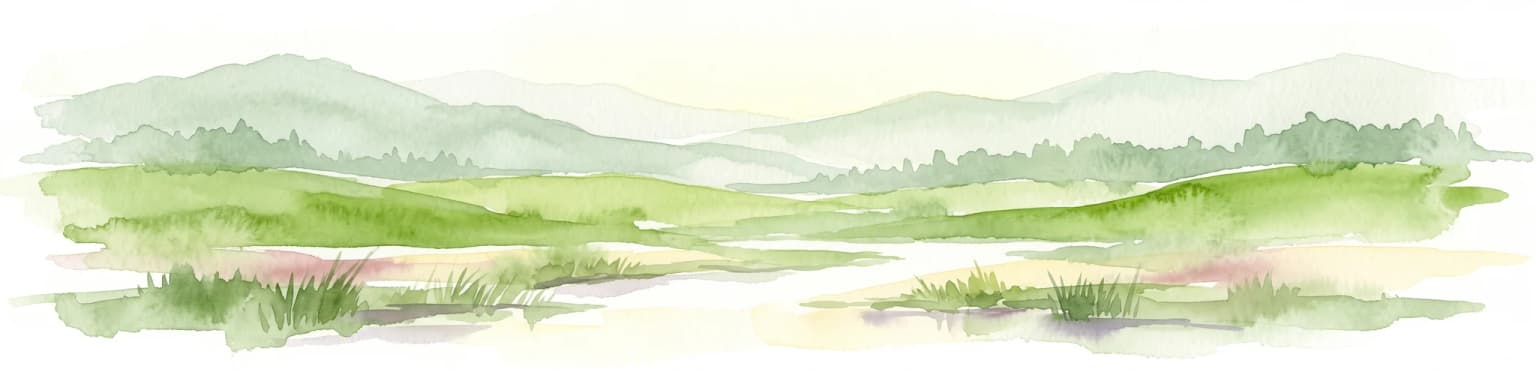
The protected area preserves a rare mix of habitats: remnant raised bogs, open water, wet and dry heathland with bell heather and bog myrtle, species-rich wet meadows, mesotrophic grassland, old acidic oak forest and bog woodland. This habitat diversity makes it a regionally and supra-regionally important refuge for breeding, migrating and wintering birds, including several species of high conservation concern across Germany and Europe.
Its ecological identity is bound to water. Stable high water tables, intact reedbeds, shallow flood zones and undisturbed peatland define the area. Management focuses on maintaining open moors, restoring hydrology, preventing scrub encroachment and keeping traditional extensive land use, which together sustain the conditions for rare waders, ducks, nightjars and Europe's northernmost breeding colony of Greater Flamingo.