Why Namaqua National Park stands out
Namaqua National Park is renowned worldwide for its spectacular spring wildflower bloom, when thousands of brightly coloured daisies, lilies, aloes, and perennial herbs transform the normally barren desert landscape into a vivid carpet of colour spanning hundreds of square kilometres. This phenomenon occurs annually from August through September following the winter rains and draws approximately 100,000 visitors each year, with 65 percent from South Africa and 35 percent from international destinations. The park protects the heart of the Succulent Karoo, the arid biome containing the greatest concentration of succulent plants in the world, including the iconic quiver tree with its distinctive fat water-storing trunk and the low-growing vygies with their stone-like appearance and vibrant blooms. The region represents one of only two desert biodiversity hotspots globally and contains approximately 40 percent endemic plant species, making it critical for conservation of arid-land flora.
Namaqua National Park history and protected-area timeline
Namaqua National Park's creation emerged from decades of recognition that Namaqualand's unique flora required formal protection. The Skilpad Nature Reserve was established in 1993 specifically to conserve the region's exceptional plant life, particularly the endemic succulent species and the spectacular wildflower displays that draw visitors from around the world. This reserve formed the nucleus when the national park was officially gazetted in August 1999, with approximately 500 square kilometres of additional land incorporated to create the new protected area. Since establishment, roughly 270 square kilometres has been added to the park's territory, expanding protection for this ecologically critical landscape. The park was formally declared a national park in 2001 under the management of South African National Parks, representing South Africa's commitment to preserving one of the world's most unusual and biodiverse desert ecosystems. The creation of the park also acknowledged the need to balance conservation with sustainable development opportunities for local communities in this economically disadvantaged region.
Namaqua National Park landscape and geographic character
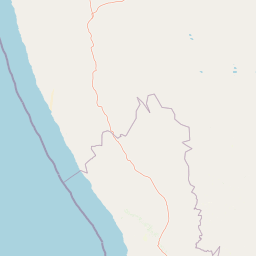
The park sits on the edge of the Atlantic coast in the northwest corner of South Africa's Northern Cape Province, a landscape defined by its semi-desert character and dramatic seasonal transformations. The terrain consists of undulating plains broken by occasional rocky ridges and granite outcrops, with the coastal section supporting a distinct environment from the inland areas. The eastern portions of the park receive higher rainfall than the western coastal zone, creating subtle variation in vegetation density across the protected area. During most of the year, the landscape appears predominantly brown and barren, with only hardy shrubs and succulents visible across the otherwise stark terrain. The arrival of winter rains between May and August triggers the remarkable transformation that makes this region famous, with the normally harsh environment bursting into colour as wildflowers emerge across hundreds of square kilometres. The coastal area supports different plant communities than the interior, with the scorpion Hottentotta arenaceus among the species specifically adapted to this zone.
Namaqua National Park ecosystems, habitats, and plant life
The Succulent Karoo biome that encompasses Namaqua National Park represents one of the most ecologically unusual arid regions on Earth, distinguished by its extraordinary concentration of succulent plant species and remarkable biodiversity despite harsh conditions. This biome spans approximately 107,200 square kilometres along the western coasts of South Africa and southern Namibia, containing more than 5,000 plant species of which approximately 40 percent are endemic and found nowhere else. The park protects a portion of this critical habitat, which holds more than one-third of all succulent species in the world despite occupying less than 0.5 percent of Africa's land area. The semi-desert environment supports diverse invertebrate and reptile populations, with many species endemic to this region and facing significant threats from illegal plant harvesting, overgrazing, and mining activities. Only a very small percentage of the Succulent Karoo is formally protected, making national parks like Namaqua essential for conserving this globally significant ecosystem. The region's flora includes species adapted to store water in various ways, from the plump leaves of vygies to the massive trunks of quiver trees, demonstrating remarkable evolutionary solutions to surviving in this challenging environment.
Namaqua National Park wildlife and species highlights
While Namaqua National Park is celebrated primarily for its plant life and spectacular flower displays, the protected area also supports diverse animal populations adapted to the semi-desert environment. The park is home to the speckled padloper, the smallest tortoise in the world, a species perfectly camouflaged against the rocky terrain and succulent-covered landscape. Numerous insect species are attracted to the abundant flowers during the spring bloom, forming a crucial part of the ecosystem's food web. Arachnid surveys conducted by 2017 documented 21 families and approximately 60 species of spiders within the park, including the pale orange-yellow scorpion Hottentotta arenaceus in the coastal section and the spider Diaphorocellus biplagiatus, which has only been recorded in Namaqua and Angola. The spider Asemesthes affinis occurs in the park and has been found nowhere else except distant Angola, illustrating the exceptional endemism characterising this region. Small mammals such as steenbok inhabit the area, moving among the fynbos vegetation and succulent stands that provide cover and forage in this challenging environment.
Namaqua National Park conservation status and protection priorities
Namaqua National Park plays a critical role in protecting one of the world's most threatened and under-protected biomes, representing South Africa's commitment to conserving the Succulent Karoo's extraordinary biodiversity. The park was specifically established to protect endemic flowers and the unique desert ecosystem they inhabit, addressing a significant gap in formal protection for this biodiversity hotspot where less than one percent of the biome is currently protected in reserves. The Succulent Karoo faces numerous threats including illegal plant harvesting of valuable succulents, overgrazing by livestock, and mining activities that destroy habitat and remove endemic species. Approximately 18 percent of the biome's plant species are threatened with extinction, making protected areas like Namaqua essential refuges for species survival. The park works to protect the more than 1,000 flower species found nowhere else on Earth, including many succulent varieties targeted by illegal collectors. Conservation efforts also focus on managing visitor impact during the popular flower season, with strict regulations prohibiting the picking of wildflowers under penalty of fines.
Namaqua National Park cultural meaning and human context
Namaqua National Park lies within the traditional territory of the Nama people, an indigenous Khoikhoi group who have inhabited this arid region for centuries and whose cultural identity is closely tied to the landscape. The park is located in Namaqualand, a region that takes its name from this indigenous population and encompasses approximately 440,000 square kilometres spanning both South Africa and Namibia. The local economy remains challenging, with the region experiencing high unemployment rates and low incomes despite the natural beauty and tourism potential of the area. The South African government has identified tourism as a mechanism for improving economic conditions in the region, though benefits to local communities have remained limited. The flower season represents both a natural phenomenon and a cultural event, with the spectacular displays drawing visitors who witness a transformation that local communities have observed for generations.
Top sights and standout views in Namaqua National Park
The spring wildflower bloom remains the park's signature attraction, a natural phenomenon that transforms the semi-desert into a kaleidoscope of colour and draws visitors from around the world each August and September. The Succulent Karoo biome protected within the park contains the world's largest concentration of succulent plants, with over 1,000 endemic flower species found nowhere else on Earth. The iconic quiver tree, with its distinctive forked branches and massive water-storing trunk, represents one of the most recognisable symbols of the African desert landscape. The park offers a five-kilometre scenic route, two nature walks, picnic areas, and an information centre, providing structured opportunities to experience the landscape. The speckled padloper tortoise, the smallest species in the world, inhabits the park and represents a remarkable example of miniaturisation adapted to this harsh environment. The contrast between the barren off-season landscape and the spectacular bloom creates a visitor experience that defines the park's identity and ecological significance.
Best time to visit Namaqua National Park
The optimal time to experience Namaqua National Park is during the spring flower season from August through September, when the winter rains have triggered the spectacular bloom that makes this region famous worldwide. Flowers typically open fully during sunny days between approximately 10 a.m. and 4 p.m., and the display is heavily dependent on the amount of rainfall received during the winter months between May and August. Visitors planning trips during this period should be aware that the Skilpad area, the primary tourist-accessible section, is only open during the flower season, and accommodation options are limited with only four chalets available. The park can be visited throughout the year, though the experience outside the bloom season is markedly different, with the landscape appearing predominantly brown and barren as only hardy shrubs and succulents remain visible. Summer months from October to March bring hot and dry conditions, while winters can be cold with variable rainfall concentrated in the May to August period.