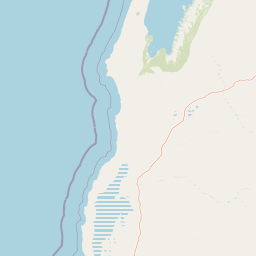
Why Ningaloo Marine Park stands out
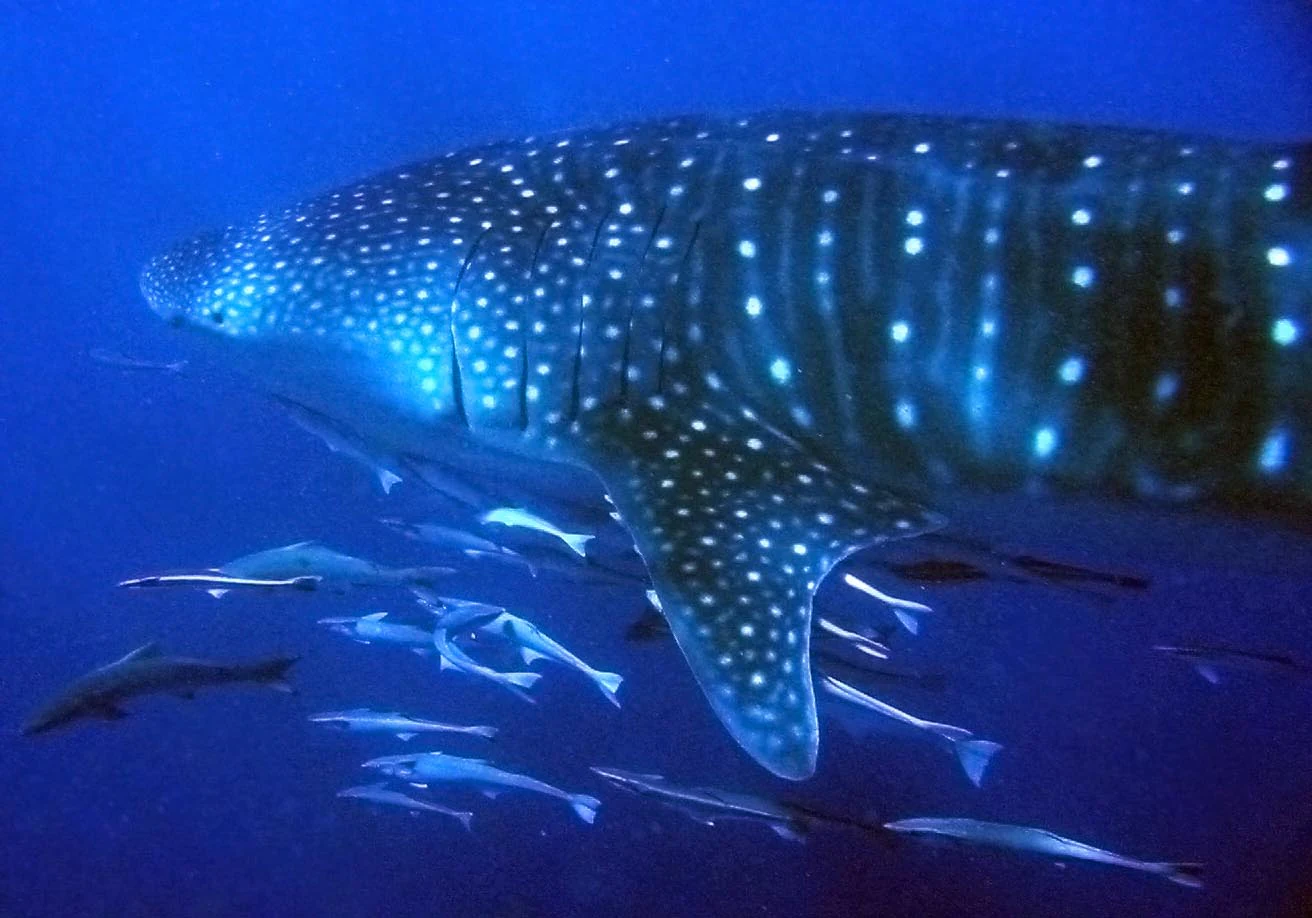
Ningaloo Marine Park is best known for providing protected habitat for seasonal gatherings of whale sharks, which feed in the nutrient-rich waters near the reef's outer edge. The marine park's lagoons and outer reef areas are also recognised for their remarkable abundance of manta rays, offering an unusually rich setting for passive encounters with large filter-feeding species. Equally significant is the park's role in safeguarding migratory pathways and foraging grounds for humpback whales and marine turtles, both of which rely on the broader Ningaloo region. Together, these features make the park a globally important refuge for oceanic megafauna along Australia's west coast.
Ningaloo Marine Park history and protected-area timeline
Ningaloo Marine Park was first proclaimed on 20 May 1987 under the National Parks and Wildlife Conservation Act 1975 as the Ningaloo Marine Park (Commonwealth Waters), making it one of the long-established marine protected areas in Australia. Its creation reflected growing awareness of the ecological importance of the Ningaloo region and the need for federal protection offshore from the reef.
The park was subsequently proclaimed on 14 December 2013 under the Environment Protection and Biodiversity Conservation Act as a Commonwealth Marine Reserve, aligning it with Australia's broader system of marine environmental legislation. On 9 October 2017, the reserve was officially renamed Ningaloo Marine Park, simplifying the public reference to this protected seascape while retaining its formal heritage as a long-standing Commonwealth marine conservation area.
Ningaloo Marine Park landscape and geographic character
Although Ningaloo Marine Park is defined entirely by water rather than terrestrial terrain, its underwater landscape is remarkable. The marine park encompasses shallow continental shelf environments, deeper slope zones, and a variety of structurally complex seafloor habitats including pinnacles, terraces, and reef features characteristic of the Central Western Shelf Transition.
These varied seabed formations interact with the offshore waters off the Ningaloo Coast to shape a dynamic environment of lagoons, reef edges, and open-water zones. The resulting mosaic of seafloor and water-column habitats distinguishes the park from purely coastal reserves and gives it a unique geomorphological character within Western Australia's marine estate.
Ningaloo Marine Park ecosystems, habitats, and plant life
The nature of Ningaloo Marine Park is defined by productive, structurally diverse marine environments that sit within the Central Western Shelf Transition provincial bioregion. The reserve protects shallow shelf and slope systems, as well as distinctive pinnacle and terrace seafloor communities that together support a rich array of marine organisms.
These habitats create favourable conditions for both resident and migratory species. The combination of reef, sand, and open-water environments supports complex food webs, while the lagoons and outer reef zones are particularly important for filter-feeding species and other large marine animals that depend on plankton-rich waters during certain times of year.
Ningaloo Marine Park wildlife and species highlights
Ningaloo Marine Park is widely celebrated for its exceptional marine fauna. The waters of the park are a key foraging area for whale sharks, which are internationally recognised as vulnerable and migrate through the region in large aggregations during certain seasons. Manta rays are also unusually abundant in both the lagoons and outer reef areas, contributing to the park's global significance for these species.
The reserve protects part of the migratory pathway of humpback whales as they travel along the Western Australian coast, and the broader Ningaloo area includes significant nesting sites for marine turtles, with the park providing adjacent foraging grounds. Together, these features make the park a critical refuge for oceanic megafauna and a focal point for marine wildlife research in Australia.
Ningaloo Marine Park conservation status and protection priorities
Ningaloo Marine Park is recognised as a habitat and species management area, with internationally accepted protected-area classification. Its core conservation role lies in protecting shallow shelf and slope environments, including pinnacle and terrace seafloor communities that are representative of the broader Central Western Shelf Transition provincial bioregion.
The reserve plays an important role in maintaining ecological connectivity between the Ningaloo Reef system, the adjacent state-managed marine park, and the wider North-west Marine Parks Network. It safeguards key foraging areas for whale sharks and manta rays, protects migratory pathways for humpback whales, and supports foraging activity and connectivity with marine turtle nesting sites, all of which contribute to the long-term resilience of this productive marine region.
Ningaloo Marine Park cultural meaning and human context
Ningaloo Marine Park does not have a widely documented standalone cultural context in its official description, but the broader Ningaloo Coast is deeply significant as a long-known coastal region of Western Australia, with strong connections to marine wildlife and Indigenous histories of the area. While the Commonwealth waters of the park themselves are offshore, the identity of the marine reserve is closely tied to the adjacent coastal communities and the regional recognition of the Ningaloo name as a symbol of Western Australia's marine heritage.
Top sights and standout views in Ningaloo Marine Park
A defining highlight of Ningaloo Marine Park is its protection of globally important seasonal feeding grounds for whale sharks, complemented by remarkably high concentrations of manta rays across both lagoon and reef environments. The park also safeguards a section of the humpback whale migratory pathway and provides foraging habitat adjacent to key marine turtle nesting sites along the Ningaloo Coast.
Equally distinctive are the park's varied seafloor environments, which include pinnacles and terraces within the Central Western Shelf Transition that support a wealth of reef, slope, and shelf species. Together, these features make the park a standout location for marine wildlife research, conservation management, and sustainable ocean tourism in Australian waters.
Best time to visit Ningaloo Marine Park
Seasonal conditions strongly influence the character of a visit to the Ningaloo region. Cooler months between roughly autumn and early spring are typically associated with humpback whale migration along the Western Australian coast, while warmer months are widely known for seasonal aggregations of whale sharks and manta rays in the waters offshore from the reef. Local conditions, marine wildlife patterns, and any access information should be confirmed with current visitor guidance from the managing authority before planning a trip.