Why Quiçama National Park stands out
Quiçama National Park is best known as the sole functioning protected area in Angola and as the site of Operation Noah's Ark, the largest animal translocation project in history. The initiative successfully reintroduced elephants and other large mammals from overpopulated parks in Botswana and South Africa, fundamentally transforming the park's ecological landscape after decades of civil war had eliminated nearly all wildlife populations. The park is also renowned for its significant elephant herds, its population of giant sable antelope (a species endemic to Angola), and its designation as a Lion Conservation Unit since 2005. Its 120-kilometer Atlantic coastline provides additional distinction as one of the few coastal national parks in southern Africa.
Quiçama National Park history and protected-area timeline
The area that now comprises Quiçama National Park was first protected as a game reserve in 1938 during the Portuguese colonial period in Angola. In January 1957, the Portuguese administration of the Overseas Province of Angola formally proclaimed the area a national park, establishing one of the earliest protected area designations in Central Africa. Prior to Angola's long civil war (1975-2002), the park supported abundant populations of large game animals including African bush elephants and the critically endangered Giant Sable Antelope, a species endemic to the region. Twenty-five years of civil conflict led to widespread poaching that virtually eliminated the park's wildlife populations, leaving the protected area functionally empty despite its formal designation remaining in place. In 2001, the Kissama Foundation, an organization bringing together Angolan and South African conservationists, launched Operation Noah's Ark to systematically reintroduce wildlife, particularly elephants, from overpopulated parks in Botswana and South Africa. This unprecedented initiative, the largest animal transplant in history, successfully established new herds that have adapted well to the Quiçama environment. The park has been recognized as a Lion Conservation Unit since 2005, and in 2025 was designated a UNESCO biosphere reserve by the World Network of Biosphere Reserves.
Quiçama National Park landscape and geographic character
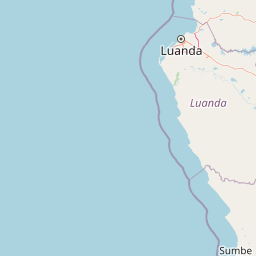
Quiçama National Park occupies a diverse coastal and interior landscape in northwestern Angola. The protected area spans approximately 9,960 square kilometers along the Atlantic Ocean, with 120 kilometers of coastline defining its western boundary. The landscape transitions from coastal dunes and beach environments through a narrow coastal plain to interior savanna and woodland areas. The Cuanza River, Angola's longest river system, forms a natural boundary along the northern edge of the park, creating an important riparian corridor and water source for wildlife. The Longa River similarly defines the southern border, completing a hydrological framework that supports the park's ecology. The terrain generally consists of gently rolling plains interspersed with isolated hills and rocky outcrops, characteristic of the Angolan coastal plain. The combination of ocean frontage, river boundaries, and interior savanna creates a mosaic of habitats that support the park's recovering wildlife populations.
Quiçama National Park ecosystems, habitats, and plant life
The ecological character of Quiçama National Park reflects its position in the Guineo-Congolian forest-savanna mosaic that characterizes much of central Africa. The park's coastal location and river boundaries create a diversity of habitats ranging from marine and mangrove environments along the Atlantic coast to riparian woodlands along the Cuanza and Longa rivers, transitioning to savanna grasslands and woodland in the interior. Historically, the park supported one of the most significant wildlife populations in Angola, with particular importance for large mammals. The post-conflict restoration through Operation Noah's Ark has reestablished elephant populations that now form sustainable herds across the landscape. The park's designation as a Lion Conservation Unit since 2005 reflects its importance for apex predator conservation in the region. The recovery of the park's ecosystems represents a remarkable ecological success story, demonstrating the potential for restored functionality in degraded African protected areas when given appropriate protection and management investment.
Quiçama National Park wildlife and species highlights
Quiçama National Park's wildlife heritage centers on its large mammal populations, particularly elephants that have been reintroduced through the landmark Operation Noah's Ark initiative. The park historically supported populations of African bush elephants and the Giant Sable Antelope, a species endemic to Angola that remains one of Africa's most critically endangered antelopes. Though the original populations were decimated during the civil war, the reintroduction program from Botswana and South Africa has reestablished viable elephant herds that now roam the park's savanna landscapes. The park's designation as a Lion Conservation Unit since 2005 indicates the presence of significant lion populations, making it important for big cat conservation in the region. Beyond the flagship species, the park supports diverse fauna adapted to the savanna and woodland habitats, including various antelope species, primates, and abundant birdlife supported by the river systems and coastal environments.
Quiçama National Park conservation status and protection priorities
Quiçama National Park holds exceptional conservation significance as the only functioning national park in Angola, representing the nation's primary protected area in a country where civil conflict destroyed most of its protected area network. The park's IUCN Category II designation reflects its primary conservation purpose of protecting natural ecosystems. Its designation as a Lion Conservation Unit since 2005 identifies it as an important area for lion conservation at a regional level. The 2025 UNESCO biosphere reserve designation places Quiçama among the world's recognized important conservation landscapes and provides international frameworks for sustainable development alongside biodiversity protection. The Operation Noah's Ark project represents one of the most ambitious conservation translocations in history, demonstrating innovative approaches to ecosystem restoration in post-conflict environments. The park serves as both a refuge for recovering wildlife populations and a demonstration project for conservation-led recovery in Angola.
Quiçama National Park cultural meaning and human context
Quiçama National Park occupies territory within the cultural landscape of northwestern Angola, an area historically inhabited by various indigenous communities whose relationship with the land predates the colonial period. The park's name derives from the Portuguese rendering of local naming conventions, with Quiçama, Kissama, Kisama, and Quicama representing variations in spelling that reflect both Portuguese colonial influence and local linguistic traditions. The Cuanza River that forms the park's northern boundary has historically served as an important cultural and economic corridor for local communities, providing fishing resources and transportation routes. The post-colonial civil war displaced many local communities and disrupted traditional land-use patterns, though the park's restoration creates opportunities for重新 establishing community relationships with the landscape in the context of modern conservation frameworks.
Top sights and standout views in Quiçama National Park
Quiçama National Park stands out as the sole operational national park in Angola, offering visitors access to one of Africa's most ambitious wildlife recovery stories. The park's 120-kilometer Atlantic coastline provides a unique coastal safari experience within the southern African context, combining beach access with wildlife viewing. The elephant populations introduced through Operation Noah's Ark represent the successful establishment of new herds in their historic range, a conservation achievement of global significance. The park's designation as a UNESCO biosphere reserve in 2025 affirms its importance on the international conservation stage. The proximity to Luanda, just 70 kilometers away, makes Quiçama the most accessible major protected area for visitors to Angola, offering a practical introduction to Angolan nature for both domestic and international travelers.
Best time to visit Quiçama National Park
The optimal period to visit Quiçama National Park corresponds to the dry season from May to October, when reduced rainfall creates more accessible conditions for wildlife viewing and landscape exploration. During these months, animals congregate more predictably around remaining water sources, enhancing sighting opportunities. The wet season from November to April brings green landscapes and productive birdwatching but can restrict some access routes and make wildlife more dispersed. Given the park's coastal setting, the interface between Atlantic weather patterns and interior conditions influences local climate patterns that visitors should consider when planning their trip.