Mori Atlas logo
National parkRara National Park

Discover the mapped boundaries and regional setting of Rara National Park

Rara National Park: A Protected National Park Landscape in Nepal's Geography

Rara National Park represents a significant protected natural landscape within Nepal's diverse geography. As a designated national park, it offers a focus for understanding the mapped extent of protected areas in the Himalayan region. This page serves as a dedicated entry point to explore the park's identity as a distinct geographic entity and its place within Nepal's broader atlas of conservation landscapes.

Himalayan protected areaAlpine lakeConservation areaEndemic species habitatRemote wildernessBirdwatching destination

Rara National Park

National park

Park overview

Structured park overview, official facts, and landscape profile for Rara National Park

Rara National Park park facts, protected area profile, and essential visitor context
Review the core facts for Rara National Park, including designation, size, terrain, visitor scale, habitats, and operating context in one park-focused overview.

About Rara National Park

Rara National Park represents one of Nepal's most isolated and least-visited protected areas, yet it contains remarkable ecological and scenic value. The park sits in the heart of the Karnali Province in western Nepal, encompassing portions of both Mugu and Jumla districts. Its establishment in 1976 marked a recognition of the need to protect the distinctive High Himalayan ecosystems found in the Humla-Jumla region, an area that had remained relatively undisturbed due to its geographic remoteness. The park's small size relative to Nepal's other national parks belies its ecological significance. Rara Lake itself is an extraordinary feature, a high-altitude freshwater body that supports unique aquatic ecosystems including three endemic snowtrout species discovered in 1979. The lake's clear waters reflect the surrounding snow-capped peaks, creating a landscape that has drawn comparisons to a jewel set in mountain terrain. Access to the park remains challenging, requiring either multi-day treks from Jumla or flights to Talcha Airport followed by a three-hour hike to the lake's shores. This difficulty of access has helped preserve the park's wild character despite increasing interest from adventurous travelers seeking less trodden Himalayan experiences.

Quick facts and research context for Rara National Park

Rara National Park occupies 106 square kilometers in the Mugu and Jumla districts of Karnali Province, making it Nepal's smallest national park. The park was established in 1976 primarily to protect the distinctive ecosystems of the Humla-Jumla Region. Rara Lake, the park's central feature, is Nepal's largest freshwater lake, measuring 5 kilometers in length and 3 kilometers in width with a surface area of 10.8 square kilometers. The lake drains into the Mugu-Karnali River via Nijar Khola. Elevation ranges from 2,800 meters at the lower boundaries to 4,039 meters at Chuchemara Peak. The park supports over 1,070 plant species and provides habitat for 51 mammal species and 241 bird species, including significant wetland bird communities.

Park context

Deeper park guide and search-rich context for Rara National Park

Rara National Park history, landscape, wildlife, and travel context
Explore Rara National Park through its history, landscape character, ecosystems, wildlife, conservation priorities, cultural context, and seasonal travel timing in a structured park guide built for atlas discovery and search intent.

Why Rara National Park stands out

Rara National Park is best known for Rara Lake, often described as a shimmering blue jewel set in a ring of snowy peaks. This pristine alpine lake, the largest in Nepal, dominates the park's landscape and serves as a critical habitat for migratory waterfowl and endemic fish species. The park's significance extends to its role as a conservation area for endangered Himalayan wildlife including the red panda, Himalayan black bear, and musk deer. The surrounding coniferous and rhododendron forests create a visually striking landscape, particularly during spring when the rhododendrons bloom across the slopes. The relative remoteness of the park means visitors encounter fewer crowds than in Nepal's more famous trekking destinations, offering a wilderness experience in one of the Himalaya's less-visited regions.

Rara National Park history and protected-area timeline

Rara National Park was established in 1976 as Nepal's smallest national park, created specifically to protect the unique biological resources of the Humla-Jumla Region in western Nepal. The selection of this area for protection reflected growing recognition during the 1970s of Nepal's need to preserve representative samples of its diverse Himalayan ecosystems. At the time of establishment, the region remained relatively isolated from the main trekking routes that drew visitors to other parts of the country, and the park's creation helped formalize protections for an area that had already experienced some conservation attention. Management responsibility was assigned to the Department of National Parks and Wildlife Conservation, with the Nepal Army providing operational support for park protection and enforcement. The years following establishment saw increased scientific attention to the park's resources, including the 1979 discoveries of endemic fish species in Rara Lake that added to the park's conservation significance. Development of basic tourism infrastructure has occurred gradually, though the park remains far less developed than Nepal's more famous protected areas. Recent decades have brought attention to environmental challenges including over-grazing, wood collection, and pollution from increased visitation during festival periods, prompting enhanced conservation management efforts.

Rara National Park landscape and geographic character

The landscape of Rara National Park is defined by the dramatic interplay between high Himalayan peaks and the largest lake in Nepal. Rara Lake sits in a basin surrounded by mountains that rise sharply from its shores, creating a ring of snow-capped peaks that frame the water's surface. Chuchemara Peak on the southern side reaches 4,039 meters, while the northern shore is bounded by the Ruma Kand and Malika Kand ranges. The lake itself is oval-shaped with an east-west orientation, measuring approximately 5 kilometers in length and 3 kilometers in width. Its alpine freshwater character and significant depth of 167 meters make it a substantial hydrological feature in the High Himalayan region. The terrain surrounding the lake and throughout the park varies from gentle slopes at lower elevations to steep mountain sides, with the overall park elevation ranging from 2,800 meters to the peaks at over 4,000 meters. The landscape includes forested slopes, alpine meadows, and rocky outcrops, with the vegetation pattern closely following the altitudinal gradient. The park's drainage flows southward from Rara Lake through Nijar Khola into the Mugu-Karnali River system.

Rara National Park ecosystems, habitats, and plant life

The ecological character of Rara National Park reflects its position in the High Himalayan zone, with vegetation patterns strongly influenced by altitude. Below 3,200 meters, the forests are dominated by blue pine, also known as Pinus wallichiana, mixed with rhododendron trees, west Himalayan spruce, black juniper, and Himalayan cypress. These temperate forest communities create diverse habitat structure and seasonal color when the rhododendrons bloom. Above 3,200 meters, the vegetation transitions to subalpine coniferous forest dominated by mixtures of fir, spruce, and pine species that can withstand harsher conditions at higher elevations. The park supports approximately 1,070 documented plant species, reflecting the biological richness found within this altitudinal range. The aquatic environment of Rara Lake supports specialized species including endemic snowtrout and the frog Paa rarica, first recorded in 1979 and found only in this lake. The combination of forest habitats, alpine zones, and the lake itself creates a mosaic of ecosystems that supports the park's remarkable biodiversity.

Rara National Park wildlife and species highlights

Rara National Park supports impressive wildlife diversity with 51 mammal species and 241 bird species documented within its boundaries. Among the mammalian inhabitants, several species hold particular conservation significance, including the red panda, Himalayan black bear, and musk deer, all of which face threats across their ranges. The predator community includes the Indian leopard and dhole, while herbivores such as the Himalayan tahr and various deer species occupy the forested slopes. Smaller mammals include the yellow-throated marten, gray langur, rhesus macaque, jackal, and otter. The bird fauna is especially notable for wetland species, with 49 bird species associated with aquatic habitats. Rara Lake provides critical habitat for waterfowl including coots, great-crested grebes, black-necked grebes, red-crested pochards, mallards, common teal, and common mergansers, particularly during winter months when these species migrate to the lake. Upland birds include the Himalayan snowcock, chukar partridge, Himalayan monal, kalij pheasant, and blood pheasant. The lake's fish community includes three endemic snowtrout species discovered in 1979, representing significant scientific importance.

Rara National Park conservation status and protection priorities

Rara National Park holds significant conservation importance as a protected area in Nepal's High Himalayan region, designated under IUCN Category II as a national park. The park protects both the watershed of Rara Lake, Nepal's largest freshwater body, and the surrounding terrestrial ecosystems that include endangered species such as the red panda and Himalayan black bear. The discovery of endemic fish species in the lake underscores the site's global significance for aquatic biodiversity. However, the park faces ongoing conservation challenges including over-grazing by livestock, which affects both vegetation and water quality through defecation. Local communities have historically relied on the surrounding forests for timber and fuel wood collection, creating pressure on the park's vegetation. Increased visitation during festival periods has introduced waste management challenges and water pollution concerns. Management efforts by the Department of National Parks and Wildlife Conservation, with support from the Nepal Army, work to address these threats while balancing the legitimate needs of local communities who share the landscape.

Rara National Park cultural meaning and human context

Rara National Park exists within a landscape inhabited by local communities whose traditional use of the area predates formal protection. The park lies in the Mugu and Jumla districts, regions with distinct cultural traditions shaped by their Himalayan setting and historical isolation. The communities in this area have historically practiced transhumant lifestyles that involve seasonal movement with livestock through the mountain terrain, a pattern that continues to create management challenges as grazing pressure interacts with conservation objectives. The remote nature of the region has helped preserve traditional cultural practices that remain largely intact compared to more accessible parts of Nepal. Local communities hold spiritual connections to the landscape, and Rara Lake itself likely holds religious significance as do many natural features in Himalayan culture. Access to the park requires either extended treks or flights to small airstrips, meaning that the communities around Rara remain relatively мало touched by the tourism that has transformed other parts of Nepal.

Top sights and standout views in Rara National Park

Rara National Park offers a distinctive Himalayan wilderness experience centered on Nepal's largest alpine lake. The opportunity to view Rara Lake, described as a shimmering blue jewel set in a ring of snowy peaks, represents the park's primary attraction, with morning light creating particularly memorable reflections on the water's surface. The relative remoteness of the location means that visitors typically encounter fewer other travelers than at more famous Himalayan destinations, offering a sense of solitude and untouched landscapes. The park's rhododendron forests provide spectacular displays during spring bloom season. Wildlife viewing opportunities include sightings of red panda, Himalayan black bear, and various species of pheasants including the colorful Himalayan monal. The challenging access itself becomes part of the adventure, with treks across high passes and through traditional villages providing cultural immersion alongside natural exploration.

Best time to visit Rara National Park

The optimal seasons for visiting Rara National Park are spring and autumn, specifically September, October, April, and May, when weather conditions offer the most stable and comfortable conditions for trekking and exploration. During spring, rhododendrons bloom across the slopes surrounding Rara Lake, adding vivid color to the landscape. Autumn typically provides clear skies and excellent visibility for viewing the lake and surrounding peaks. Summer months from June to August coincide with the monsoon season, bringing heavy rainfall that makes treks difficult and increases the risk of landslides on mountain trails. Winter temperatures drop significantly below freezing at the lake's altitude, and snow blocks the high passes that provide access to the park, effectively limiting visitation during this period. The climate is pleasant during summer months at lower elevations but becomes very cold throughout the park due to its high altitude setting, requiring visitors to prepare for varying conditions regardless of when they travel.

Park location guide

Geography guide, regional context, and park location map for Rara National Park

Rara National Park park geography, regions, and map view in Nepal
Understand where Rara National Park sits in Nepal through a broader geographic reading of the surrounding landscape, nearby location context, and its mapped position within the national park landscape.

How Rara National Park fits into Nepal

Nepal is a federal parliamentary republic in South Asia, landlocked between China and India. It spans the Himalayas and includes eight of the world's ten highest mountains. Kathmandu is the capital and largest city.

Wider geography shaping Rara National Park in Nepal

Nepal is located in South Asia, landlocked between China to the north and India to the south, east, and west. The country occupies the Himalayan region in the north and extends into the Indo-Gangetic Plain in the south. Terrain includes the Terai lowlands, subalpine hills, and the Himalayas with peaks including Mount Everest.

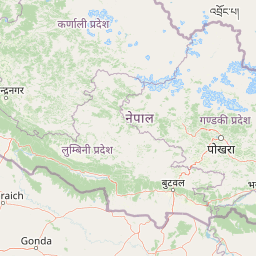
Map view of Rara National Park

Use this park location map to pinpoint Rara National Park in Nepal, understand its exact geographic position, and read its mapped placement within the surrounding landscape more clearly.

Pigeon | © OpenStreetMap contributors

Location context for Rara National Park

Jumla DistrictMugu District
Park atlas

Browse the regional spread of protected landscapes, mapping conservation areas across the wider Himalayan terrain surrounding Rara National Park.

Trace Nearby Himalayan National Parks and Protected Areas: Continuing Beyond Rara National Park's Alpine Landscapes
Explore other national parks and protected areas geographically proximate to Rara National Park, focusing on the remote western Nepal region. Discover how these distinct protected landscapes compare in their unique alpine features, biodiversity, and critical conservation efforts.
National parkNepal

Shey Phoksundo National Park: Nepal's Largest Trans-Himalayan Protected Landscape with Phoksundo Lake

Explore alpine terrain and unique protected ecosystems.

Delve into the geographical distinctiveness of Shey Phoksundo National Park, Nepal's expansive protected area. This park is defined by its dramatic elevation changes and the striking Phoksundo Lake, a vivid turquoise alpine reservoir set against barren, mountainous terrain. Understanding its trans-Himalayan setting and protected landscape context reveals its importance within the broader atlas of global natural areas.

Area
3,555 km²
Established
1984
IUCN
II
Relief
Mountain
National parkNepal

Khaptad National Park: Nepal's National Park Landscape and Protected Area Geography

Explore the mapped terrain and regional context of this protected landscape.

Khaptad National Park is a designated national park in Nepal, offering a unique entry point for exploring protected landscapes and regional geography. This entry details the park's mapped boundaries and its significance within the broader atlas of natural terrain. Users can delve into the specific geographic context of this protected area, understanding its role within Nepal and the wider South Asian context for structured landscape discovery.

Area
225 km²
Established
1984
IUCN
II
Relief
Mountain
National parkBardiya District

Bardiya National Park: Nepal's Expansive Terai Protected Landscape and Atlas

Mapped geography, tiger habitat, and rhino conservation in Bardiya District.

Bardiya National Park represents a significant protected area within Nepal's Terai lowlands, providing an exceptional resource for geographic discovery. Its diverse terrain, including vast grasslands and dense forests bisected by major river systems like the Karnali and Babai, creates unique ecosystems. As the largest national park in Nepal, it is instrumental in mapping wildlife corridors and understanding regional landscape dynamics, particularly for endangered species such as Bengal tigers and Indian rhinoceroses. This park offers a profound glimpse into the mapped natural heritage of the Bardiya District.

Area
968 km²
Established
1988
IUCN
II
Relief
Mixed relief
National parkNepal

Banke National Park: Nepal National Park with Distinct Protected Landscape Geography

Explore the mapped terrain and regional atlas context of Banke National Park.

Banke National Park represents a vital protected area within Nepal's diverse geography, offering a focused point for atlas and map-based discovery. As a national park, its designated status highlights its importance in conserving natural landscapes and understanding regional protected-area distribution across South Asia. This entry provides detailed geographic context, enabling users to explore the park's mapped boundaries and appreciate its role within Nepal's broader natural territory.

Area
550 km²
Established
2010
IUCN
II
Relief
Upland
National parkLakhimpur Kheri district

Dudhwa National Park: Terai Grasslands and Alluvial Plain Geography within Lakhimpur Kheri

Discover the mapped protected landscape of this vital Indian national park.

Dudhwa National Park in Lakhimpur Kheri district stands as a crucial example of the Terai grassland ecosystem, characterized by its expansive alluvial plains and marshy habitats. This page provides an atlas-style exploration of its protected landscape, detailing the unique terrain and geographic context essential for understanding its conservation significance.

Area
614 km²
Established
1977
IUCN
II
Visitors
26K annual
Watercolor scene of grassy fields and a winding river with distant hills and trees
National parkSudurpashchim Province

Shuklaphanta National Park: A National Park in Nepal's Sudurpashchim Province

Explore mapped protected areas and regional landscape context.

Shuklaphanta National Park is a key protected landscape within Sudurpashchim Province, Nepal. As a designated national park, its geographic identity is significant for understanding regional conservation and natural terrain. This entry focuses on its mapped boundaries and role as a protected area, providing foundational geographic context for atlas exploration and discovery of Nepal's natural landscapes.

Area
305 km²
Established
2017
IUCN
II
Relief
Lowland
National parkUttarakhand

Nanda Devi National Park: High-Altitude Protected Landscape and Himalayan Geography

Explore mapped glacial basins and alpine terrain in Uttarakhand.

Nanda Devi National Park is a prime example of a high-altitude protected area, nestled in the Garhwal Himalayas of Uttarakhand, India. Established in 1982, this national park protects a vast glacial sanctuary, renowned for its dramatic peaks, including Nanda Devi, India's second-highest mountain. The park's landscape is defined by rugged terrain, extensive glaciers like the Uttari Rishi and Dakshini Rishi, and a striking ring of mountains over 6,000 meters, providing critical context for understanding protected land geography and Himalayan atlas exploration.

Area
630.33 km²
Established
1982
IUCN
II
Relief
Mountain
National parkChamoli district

Valley of Flowers National Park: National Park Protected Landscape and Geographic Context

Explore the mapped terrain and regional boundaries of this Himalayan national park.

Valley of Flowers National Park is a distinct protected area within India's Garhwal region, situated in the Chamoli district. This park detail page facilitates atlas-focused discovery, highlighting its mapped boundaries and geographic significance. Users can explore the protected landscape's role within its regional context, providing essential data for understanding its ecological and geographical importance for landscape exploration.

Area
87.5 km²
Established
1982
Relief
Mountain
Climate
Alpine

Common questions about visiting, size, designation, and location context for Rara National Park

Rara National Park FAQs for park facts, access, geography, and protected area context
Find quick answers about Rara National Park, including protected-area facts, park geography, trail and visitor context, and how the park fits into its surrounding country and regional landscape.
MoriAtlas Explorer

Continue Your Protected Areas Search Across the Global Atlas

Deepen your exploration by continuing the structured search for national parks and protected areas worldwide. Utilize the comprehensive filtering capabilities to compare different conservation landscapes and refine your understanding of global park geography. Discover more about the distribution and characteristics of protected natural areas.

Global natural geography