Why Russian Arctic National Park stands out
Russian Arctic National Park is best known for its exceptional Arctic marine mammal populations, particularly polar bears and bowhead whales that rely on the pack ice and coastal waters for feeding and breeding. The park protects one of the largest bird colonies in the Northern Hemisphere, with extensive seabird nesting cliffs supporting millions of birds. The dramatic landscapes of Franz Josef Land, with its rugged glaciers, volcanic formations, and stark Arctic tundra, represent some of the most pristine Arctic environments remaining in Eurasia. The park also encompasses significant historical heritage related to early Arctic exploration and 20th-century Soviet presence.
Russian Arctic National Park history and protected-area timeline
The protection of this Arctic region evolved through several key phases beginning in the 1990s. In 1994, the Russian government established the Franz Joseph Land Conservation Area, creating initial protection for this remote archipelago. Throughout the 2000s, authorities developed plans to establish a more comprehensive protected area covering both northern Novaya Zemlya and Franz Josef Land. Russian Arctic National Park was officially established on June 15, 2009, though the initial designation excluded Franz Josef Land and Victoria Island. Prime Minister Vladimir Putin announced the park's creation with expressed hopes that it would help develop tourism in the region, though his 2010 visit to the archipelago starkly revealed the extent of environmental degradation present, famously describing the area as a "giant rubbish tip." The recognition of extensive Soviet-era waste prompted a major restoration initiative, and by 2011 the park was expanded to include Franz Josef Land, better accommodating growing tourism interest in the archipelago. Beginning in 2012, Russia undertook a 1.5 billion ruble, three-year environmental remediation project to remove over 100,000 tonnes of accumulated waste from the Soviet era, including hundreds of thousands of oil barrels, rusted vehicles, radar installations, and abandoned aircraft.
Russian Arctic National Park landscape and geographic character
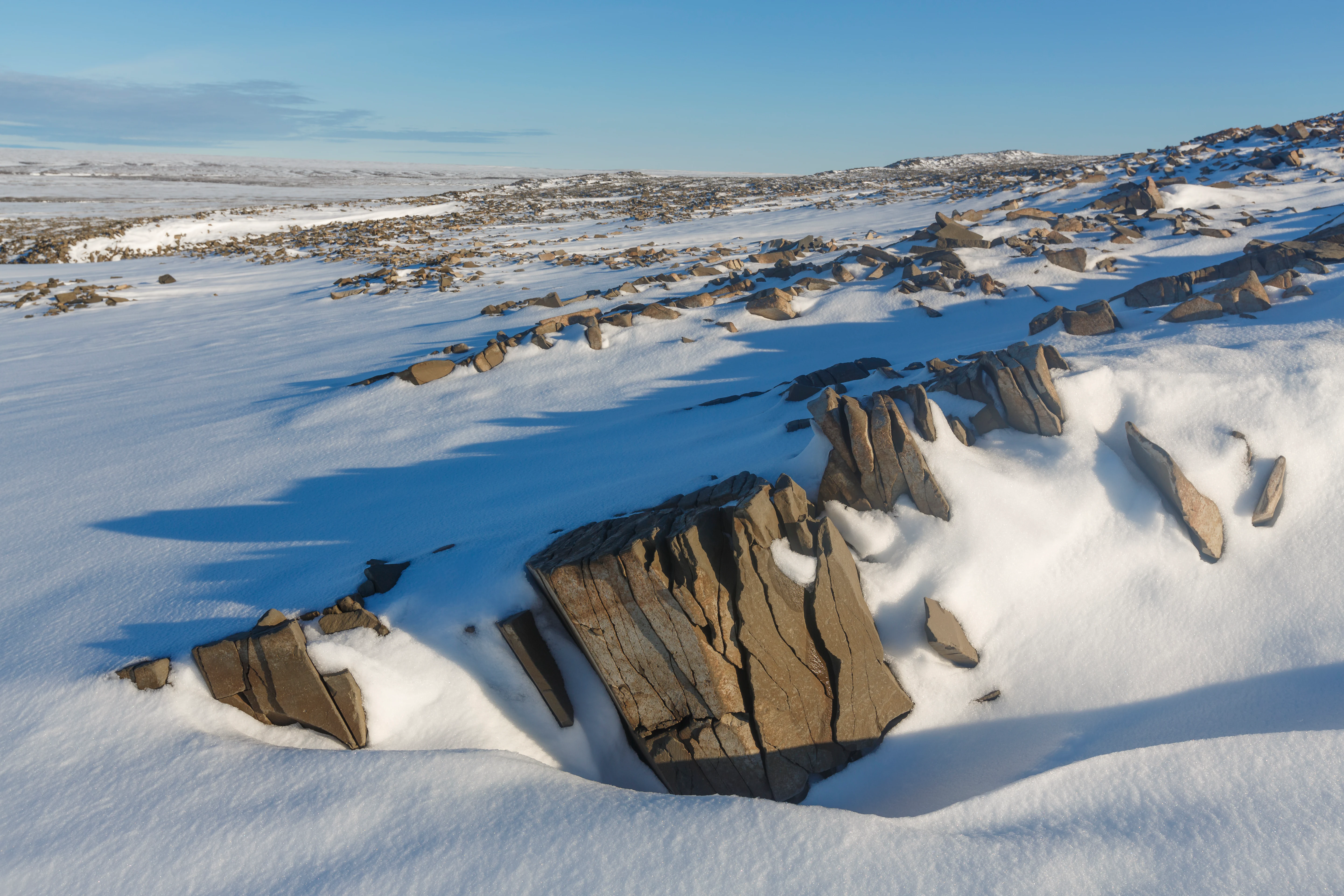
The park protects some of the Arctic's most dramatic and geologically diverse terrain. Franz Josef Land consists of nearly 200 islands featuring a mix of volcanic bedrock and extensive glaciation, with ice caps covering much of the terrain and glaciers descending directly into the sea. The islands feature steep coastal cliffs reaching heights of several hundred meters, providing ideal nesting habitat for seabird colonies. Novaya Zemlya's northern Severny Island encompasses mountain ranges exceeding 1,500 meters, with glaciers and permanent snow fields dominating the high terrain. The coastline features numerous fjords, headlands, and restricted bays where pack ice persists well into the summer months. The marine environment includes both open Arctic Ocean waters and portions of the Barents Sea and Kara Sea, with the complex interplay of currents creating productive feeding areas for marine mammals. The stark, treeless landscapes are characterized by Arctic tundra vegetation limited to mosses, lichens, and low-growing vascular plants that manage to survive in this harsh environment.
Russian Arctic National Park ecosystems, habitats, and plant life
The Arctic ecosystems within Russian Arctic National Park represent some of the most productive and biologically significant in the circumpolar Arctic. The marine environment supports exceptional concentrations of marine mammals that depend on the seasonal ice and productive waters for their survival. The park's waters serve as critical habitat for bowhead whales, a species of conservation concern that feeds on krill and small crustaceans in these Arctic seas. Gray whales also frequent the area, making the park's ecological value extraordinary among Russian protected areas. Polar bears den on the pack ice and coastal islands, with the population relying on these protected waters for seal hunting. The coastal islands support important walrus and seal rookeries where thousands of marine mammals gather during the breeding season. The terrestrial and coastal environments support one of the largest seabird colonies in the Northern Hemisphere, with millions of birds nesting on the dramatic cliff faces that line the islands' shores.
Russian Arctic National Park wildlife and species highlights
The wildlife of Russian Arctic National Park is characterized by exceptional populations of Arctic marine mammals that represent the park's most significant conservation value. Polar bears are perhaps the most iconic species, with the park providing critical habitat for denning and foraging in the pack ice environment surrounding the islands. Bowhead whales congregate in the productive waters of the Barents Sea and Kara Sea, feeding on the abundant krill and zooplankton that thrive in these cold, nutrient-rich environments. Gray whales also pass through the park's waters during their seasonal migrations. Walrus colonies form massive haul-outs on the islands' beaches, particularly on the flat coastal areas suitable for breeding and resting. Several seal species, including ringed seals and bearded seals, are resident in the area and rely on the stable ice conditions for pupping. The seabird colonies are extraordinary in scale, with cliff faces supporting enormous concentrations of common guillemots, Brünnich's guillemots, kittiwakes, and other species that nest in dense colonies on the sheer rock faces.
Russian Arctic National Park conservation status and protection priorities
Russian Arctic National Park represents Russia's most significant contribution to Arctic conservation and serves as a flagship for polar ecosystem protection in the nation. The park's establishment recognized that these remote Arctic waters and islands contain irreplaceable ecological values that warrant the highest level of protection. The presence of both bowhead and gray whales, species of global conservation concern, elevates the park's significance beyond national boundaries to international conservation importance. The marine mammal protection afforded by the park positions it among Russia's most important protected areas for these species. The 2016 expansion dramatically increased the marine component of the protected area, recognizing that effective conservation in the Arctic must encompass the waters upon which marine species depend. The ongoing remediation of Soviet-era contamination demonstrates the commitment to restoring the environmental integrity of these globally significant Arctic ecosystems.
Russian Arctic National Park cultural meaning and human context
The remote islands of Russian Arctic National Park contain evidence of human activity spanning centuries of Arctic exploration and presence. The archipelagos were among the last major land regions on Earth to be discovered and mapped by Europeans, with exploration beginning in the 16th century as navigators sought new routes between the Atlantic and Pacific Oceans. Franz Josef Land was first discovered in 1873 by the Austro-Hungarian expedition of Karl Weyprecht and Julius von Payer, and the islands bear names reflecting that expedition's patronage. The history of 20th-century Soviet presence is evident in the abandoned installations, military infrastructure, and waste that the environmental cleanup project has addressed. These remnants, while presenting environmental challenges, also represent an important historical record of human adaptation to extreme Arctic conditions and the strategic importance of these remote territories during the Cold War era.
Top sights and standout views in Russian Arctic National Park
Russian Arctic National Park protects the most northerly terrestrial and marine environments in Russia, encompassing dramatic Arctic archipelagos that remain among the most remote and least-visited wilderness areas in the Northern Hemisphere. The park supports the highest concentrations of polar bears in the Russian Arctic and provides critical habitat for bowhead and gray whales, species of global conservation significance. The vast seabird colonies represent one of the most spectacular wildlife phenomena in the Arctic, with millions of birds nesting on towering cliff faces. The 2016 expansion created one of the world's largest marine protected areas, recognizing that true Arctic conservation must extend far beyond shoreline protection to encompass the productive waters that sustain the entire ecosystem.
Best time to visit Russian Arctic National Park
Visiting Russian Arctic National Park is possible during the brief Arctic summer from approximately June through August, when temperatures rise above freezing and the midnight sun illuminates the landscape continuously. This is the optimal season for wildlife viewing, as walrus haul-outs are accessible and polar bears can be observed on the pack ice. The summer months also offer the best conditions for boat-based exploration through the fjords and around the islands. The polar night from November through February creates extreme darkness and cold that precludes most visitation, though this period offers opportunities for observing the aurora borealis for those willing to endure the harsh conditions. Spring and autumn transitional periods feature variable conditions with emerging and retreating ice respectively, creating potentially dangerous conditions for navigation.