
Why Shushensky Bor National Park stands out
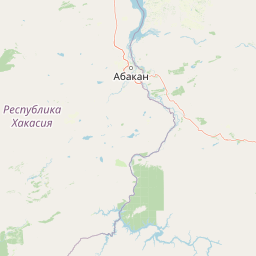
Shushensky Bor is best known for its dramatic ecological transition zone, where Siberian forest-steppe gives way to mountain taiga within a single protected area. The park protects representative examples of both the Minusinsk basin forest-steppe and the Western Sayan mountain conifer forests, making it an important living laboratory for understanding Siberian ecology. The Borus Massive, with its five towering peaks, provides the park's most distinctive topographic feature, while the southern boundary along the vast Sayano-Shushenskoye Reservoir creates a unique landscape of forested slopes descending to the reservoir's shoreline. The park also supports significant biodiversity including rare species such as the sable, black stork, and golden eagle.
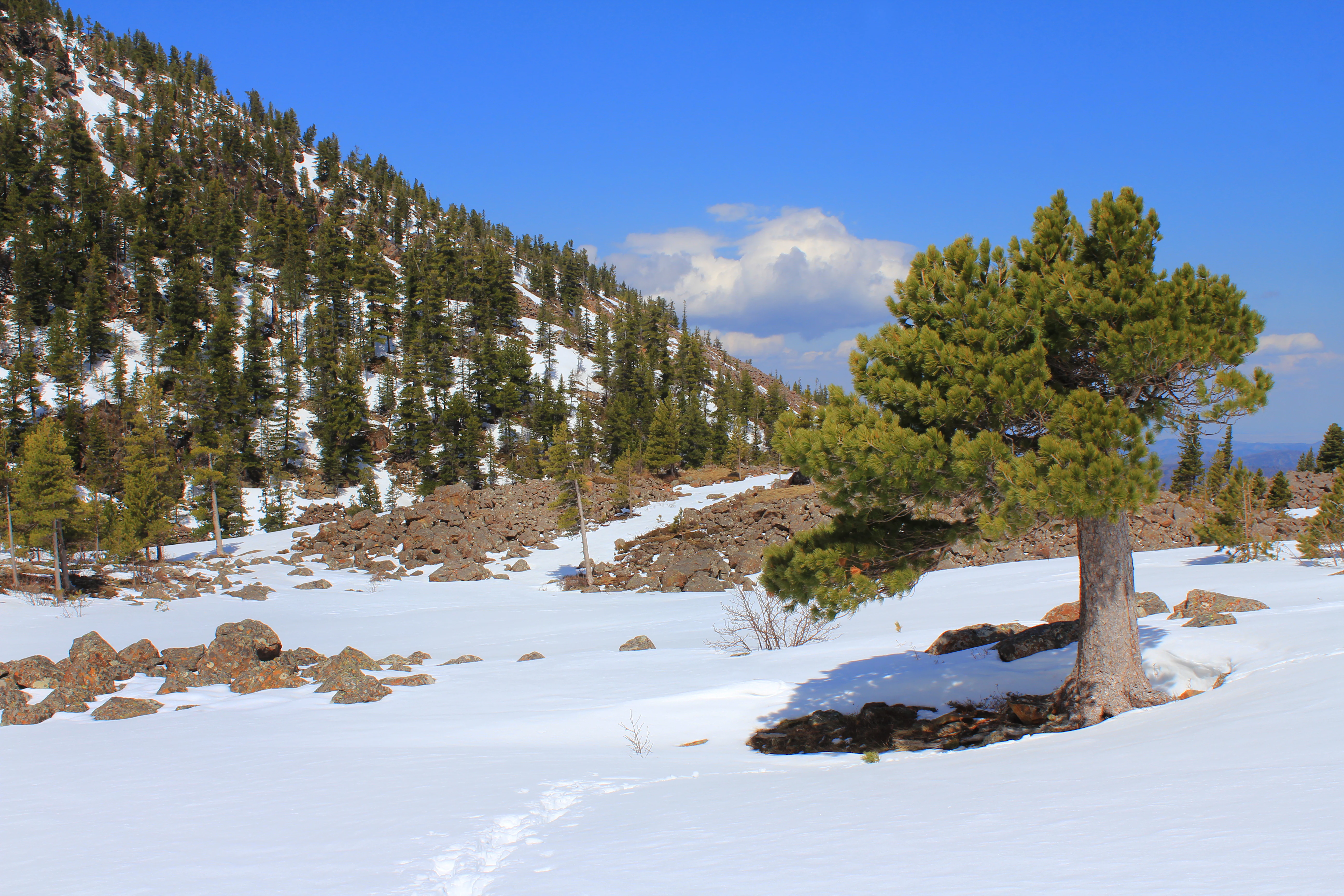
Shushensky Bor National Park history and protected-area timeline
Shushensky Bor National Park was established in 1995 as a protected area designed to preserve the representative forests of the southern Siberian foothills. The creation of the park reflected growing recognition of the ecological significance of the Western Sayan mountain forests and the transitional forest-steppe zones of the Minusinsk basin. The park was placed under the management of FGBU Shushensky Bor, the federal budget institution responsible for its ongoing administration and conservation.
The establishment of the park coincided with broader developments in Russian protected area policy during the 1990s, a period that saw the creation of numerous new national parks and reserves across the country. The selection of this particular area for protection was influenced by its combination of ecological diversity, scenic quality, and the presence of relatively intact forest ecosystems. The park's location near the developing Sayano-Shushenskaya hydroelectric project also brought attention to the need for environmental protection in the region.
Shushensky Bor National Park landscape and geographic character
The landscape of Shushensky Bor National Park is defined by the interplay between mountainous terrain and the ecological transition between forest-steppe and taiga. The park's northern portion consists of gently rolling terrain on the forest-steppe of the Minusinsk basin, where the land is relatively flat and the vegetation reflects the transitional nature of this zone between open grassland and dense forest. This area presents a more open landscape compared to the mountain section, with lighter tree cover and greater visibility across the terrain.
The southern mountain section presents a dramatically different character, characterized by the rugged ridge of the Borus Massive—a north-south oriented mountain spine featuring five distinct peaks, with Mount Poilovo rising to 2,309 meters as the highest point. The slopes of this ridge are clothed in dense conifer forest that ascends from the lower elevations to the subalpine zone. Above approximately 1,400 meters, the forest gives way to light needle-leaf sparse taiga, and the highest elevations support alpine tundra and meadows. The western and southern edges of this section drop sharply to the shoreline of the Sayano-Shushenskoye Reservoir, creating a striking contrast between the dark conifer-covered slopes and the open water.
Shushensky Bor National Park ecosystems, habitats, and plant life
The ecological character of Shushensky Bor is defined by its position within the Sayan montane conifer forests ecoregion, a WWF-designated region that describes the mid-elevation zones of the high Siberian mountains. This ecoregion represents the transition between the vast Siberian taiga to the north and the Mongolian steppe to the south, creating a gradient of vegetation types that is reflected within the park's boundaries. The park's altitudinal zoning creates three distinct forest subzones: below 900 meters, black taiga pine forest dominates on the rich alluvial soils of the valley bottoms; between 900 and 1,400 meters, dark needle-leaf taiga covers the slopes; and above 1,400 meters, light needle-leaf sparse taiga gives way to subalpine conditions.
The diversity of habitats within the park supports a wide range of plant communities. The alpine meadows that appear above the treeline in summer are particularly notable, bursting into color with diverse wildflowers against the backdrop of rocky peaks and sparse vegetation. The forest-steppe zone in the northern portion of the park supports a different suite of species adapted to the more open conditions and greater temperature extremes of this transitional environment. The presence of the Sayano-Shushenskoye Reservoir along the southern boundary adds aquatic and riparian habitats to the park's ecological repertoire.
Shushensky Bor National Park wildlife and species highlights
Shushensky Bor National Park supports a diverse mammalian fauna typical of the Siberian forest and forest-steppe zones. The mammalian community includes species such as brown bear, red deer, roe deer, elk, and wild boar, which represent the larger herbivores present in the area. Smaller mammals are also well-represented, with species including hare, red squirrel, and the commercially valuable sable—a member of the weasel family highly prized for its fur. Predatory mammals include the common fox, while musk deer represents a distinctive species of the forested slopes.
Bird diversity is particularly notable, with records indicating the presence of 272 bird species within the park. The avifauna includes several species of significant conservation interest, among them the golden eagle, a striking raptor of the mountainous terrain, the osprey, which hunts along the reservoir and waterways, and the black stork, an elegant species associated with forested wetlands and water bodies. This rich bird community reflects the diversity of habitats within the park, from alpine meadows to forest slopes to the reservoir shoreline.
Shushensky Bor National Park conservation status and protection priorities
Shushensky Bor National Park serves as an important conservation repository for the forests of the Western Sayan foothills and the transitional forest-steppe of the Minusinsk basin. The protected area preserves representative examples of ecological communities that have faced pressure from logging, development, and other human activities across Siberia. By protecting these forests in their natural state, the park maintains genetic resources and ecosystem processes that would otherwise be degraded or lost.
The park's location adjacent to the Sayano-Shushenskoye Reservoir also carries conservation implications, as the protected forests along the reservoir's shoreline help maintain water quality and provide buffer zone functions for the hydroelectric facility. The Sayan montane conifer forests ecoregion, which the park represents, is recognized for its biodiversity value and its role as a transitional zone supporting species from both the taiga and steppe biomes. The park's IUCN category II designation reflects its function as a national park serving both conservation and compatible recreation purposes.
Shushensky Bor National Park cultural meaning and human context
The park is located in the Shushensky District, taking its name from the village of Shushenskoye, which serves as the nearest settlement to the protected area. The region has historical significance as part of the broader Minusinsk basin area, which has been inhabited by various peoples over the centuries. The park's name, "Shushensky Bor," translates roughly as "Shushenskoye forest" or "Sushenshky Forest," reflecting the connection between the protected area and the local place. While the park itself focuses on natural values, the surrounding region carries cultural heritage dimensions associated with the human history of this part of Siberia.
Top sights and standout views in Shushensky Bor National Park
The ecological transition from forest-steppe to mountain taiga within a single protected area represents Shushensky Bor's most distinctive feature, offering visitors the opportunity to experience dramatically different landscapes and ecosystems in close proximity. The Borus Massive with its five peaks provides the park's most impressive topographic relief, with Mount Poilovo at 2,309 meters offering challenging terrain for hikers and spectacular views from its ridgelines. The boundary with the Sayano-Shushenskoye Reservoir creates a unique landscape where forested slopes descend to the reservoir's waters, and the park operates boat excursions that allow visitors to experience this aquatic perspective. The diversity of plant communities across the park's altitudinal gradient, particularly the colorful alpine meadows above the treeline, adds seasonal visual appeal.
Best time to visit Shushensky Bor National Park
The best time to visit Shushensky Bor National Park is during the summer months, from June through August, when warm temperatures allow full access to the mountain section and the alpine zones are accessible. Summer brings the most pleasant conditions for hiking, with daytime temperatures in the 20s Celsius and the landscape at its greenest. The alpine meadows are at their most spectacular during July and August when wildflowers are in bloom. Autumn can also be rewarding, particularly for photography, as the taiga forest takes on autumn colors, though conditions become cooler and winter access restrictions may apply. Winter visits are possible but limited by the cold and snow, while spring brings muddy conditions as the snow melts. The park's location in southern Siberia means pronounced seasonal contrasts, with winters being long, cold, and snowy.