
Why Katon-Karagay National Park stands out
Katon-Karagay is best known for its position as Kazakhstan's largest national park and its location at the convergence of four countries. The park protects the Altai Mountains' most dramatic landscapes, including glaciated peaks exceeding 3,000 meters, pristine alpine meadows, and old-growth Siberian pine and larch forests. It is notable for housing the headwaters of major river systems and for the rare wildlife that inhabits its diverse elevations, including confirmed snow leopard presence. The park also contains Kokkol Falls, the tallest waterfall in the entire Altai Mountains region.
Katon-Karagay National Park history and protected-area timeline
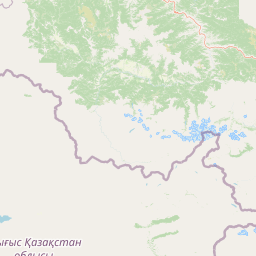
Katon-Karagay National Park was established on June 1, 2001, becoming Kazakhstan's largest national park by area. The creation of this protected area reflected Kazakhstan's commitment to preserving its mountainous heritage and the unique ecosystems of the Altai region. In 2011, the park was integrated into the transnational protected area network known as the Altai Park, which coordinates conservation efforts across the Russian and Kazakh portions of the mountains. This cross-border collaboration recognized that the Altai ecosystem transcends national boundaries and requires coordinated management. A significant milestone came in 2014 when the park was designated as the Katon-Karagay Biosphere Reserve by UNESCO's Man-and-the-Biosphere program, acknowledging its importance as a model of mountain conservation and sustainable development. The park is located in Katonkaragay District of East Kazakhstan Region, approximately 1,000 kilometers southeast of the capital city of Astana.
Katon-Karagay National Park landscape and geographic character
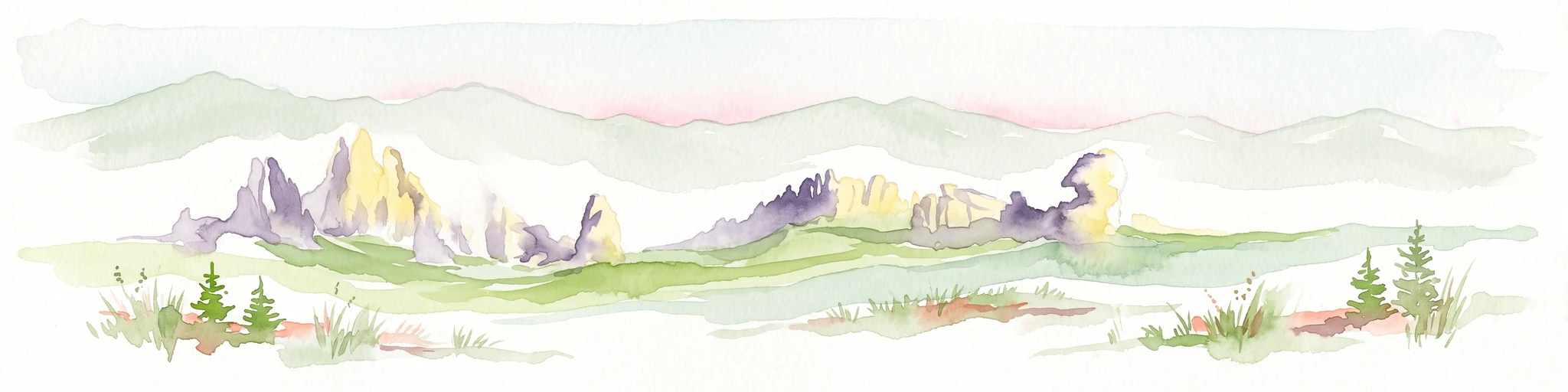
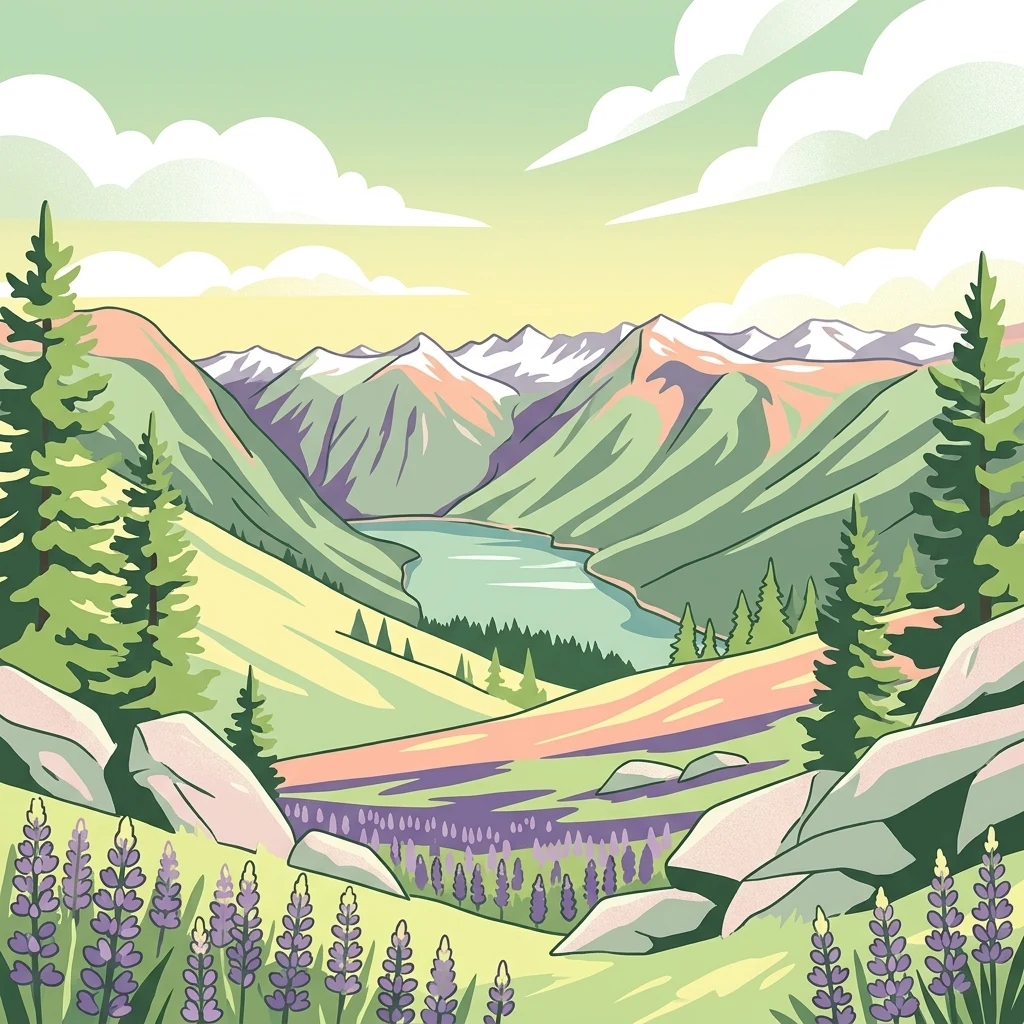
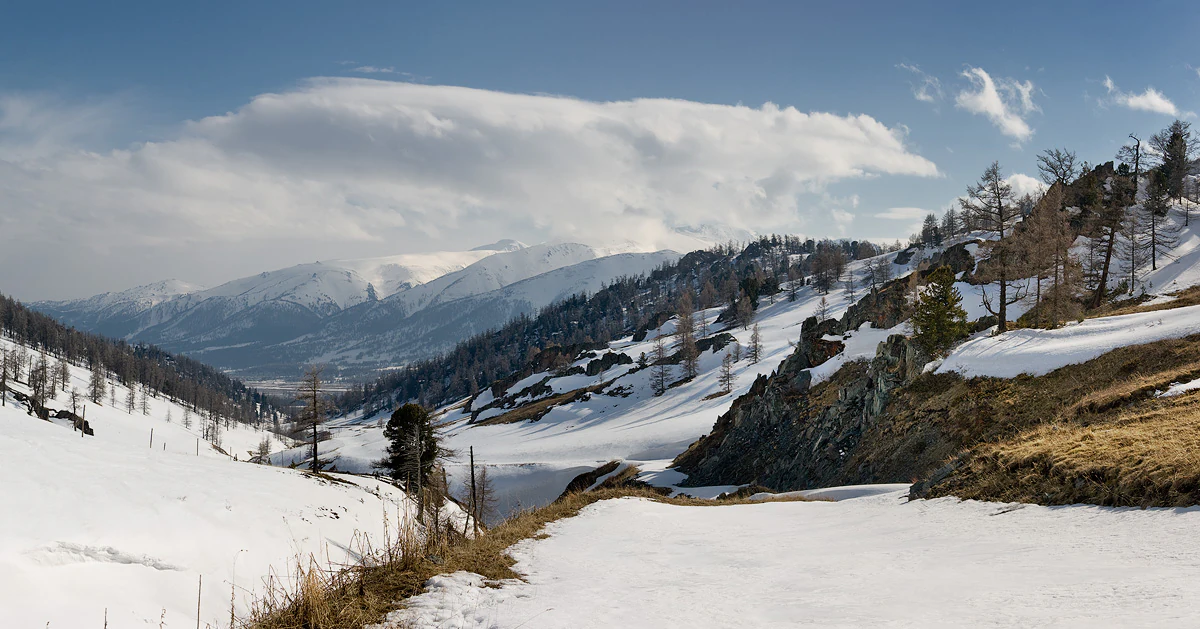
The landscape of Katon-Karagay National Park is defined by its position in the Southern Altai Mountains, a range that forms the northeastern boundary of Central Asia. The park encompasses dramatic mountainous terrain with peaks often exceeding 3,000 meters above sea level, with the highest points reaching into the nival zone where permanent snow and glaciers persist. The terrain exhibits classic glacial geomorphology including U-shaped trough valleys, steep-sided cirques, and extensive glacial moraines that characterize the upper catchments of the major river systems. The park is bordered to the north by the Altai Republic of Russia, to the southeast by China, and includes portions of the Sarymsakty and Tarbagatai ranges along its southern boundary. Approximately one-third of the park area is covered by forest, while the remaining territory consists of alpine meadows, rocky slopes, and glacier-covered terrain. The Kokkol Falls, dropping 80 meters, represents the most spectacular hydrological feature and is recognized as the largest waterfall in the Altai Mountains.
Katon-Karagay National Park ecosystems, habitats, and plant life
The natural environment of Katon-Karagay reflects its position at a critical biogeographic crossroads between the Siberian and Central Asian domains. The park spans two major ecoregions: the Altai alpine meadow and tundra, and the Altai steppe and semi-desert, each contributing distinct ecological character. The vegetation is arranged in four distinct altitudinal zones that together represent a complete gradient from steppe through forest to alpine tundra. The mountain-forest zone below 1,200 meters supports birch and larch-aspen forests with extensive grass and shrub understory. The sub-alpine zone from 1,200 to 2,300 meters features the most common trees as Siberian pine, larch, and birch interspersed with species-rich meadows of grasses, sedges, and blueberries. The tundra-mountain belt from 2,100 to 2,800 meters presents moss and lichen-covered stones with shrubs and grassy tundra vegetation. Above 2,800 meters, the nival zone supports only small communities of lichen and hardy alpine species such as Snow Primrose and Altai Buttercup in the crevices of snowfields and glaciers. This vertical zonation creates extraordinary habitat diversity within the park's boundaries.
Katon-Karagay National Park wildlife and species highlights
The wildlife community of Katon-Karagay National Park includes remarkable diversity given its relatively compact area. Scientists have documented 363 species of vertebrates within the park, including 284 bird species, 65 mammal species, 6 reptile species, 2 amphibian species, and 6 fish species. The mammal community includes characteristic taiga species such as wolves, foxes, roe deer, and brown bears, alongside smaller species including various shrews. The park has gained particular significance for its role in snow leopard conservation, with camera trap footage captured in January 2021 confirming the presence of this elusive apex predator in the Altai mountains. This documented sighting represents one of the northernmost confirmed records of snow leopard in their range and highlights the park's importance for protecting species that straddle the boundary between Siberian and Central Asian ecosystems. The bird fauna includes both Siberian forest species and steppe species adapted to the alpine meadows, with several rare species protected under Kazakhstan's Red Book.
Katon-Karagay National Park conservation status and protection priorities
Katon-Karagay National Park serves as a cornerstone of Kazakhstan's protected area network and represents a critical node in the broader Altai conservation landscape. The park's inclusion in the UNESCO Man-and-the-Biosphere program as the Katon-Karagay Biosphere Reserve in 2014 acknowledges its dual role in biodiversity preservation and sustainable development. The transboundary collaboration formalized through the Altai Park agreement with Russia in 2011 reflects growing recognition that effective conservation of the Altai ecosystem requires coordinated effort across national boundaries. The park's zoning system allocates 24% of its territory as a strict nature reserve where ecosystems can function with minimal human intervention, while the remaining 76% accommodates controlled recreation, scientific research, and restricted economic activity compatible with conservation objectives. The presence of snow leopard and other protected species underscores the park's significance for maintaining viable populations of species that require large, contiguous habitat areas.
Katon-Karagay National Park cultural meaning and human context
The landscape of Katon-Karagay has been shaped by centuries of human presence and traditional land use. The park contains traces of the Great Silk Road's northern branch, which passed through the mountain valleys connecting East and West. The Berel Scythian burial site, located within the park boundaries, represents significant cultural heritage dating to ancient nomadic civilizations. Traditional maral (red deer) husbandry has historically been practiced in the region, with the Kazakh name Katon-Karagay itself reflecting the local toponymy. The park encompasses parts of the Bukhtarma river valley, an area that has supported pastoral communities and seasonal migration routes for generations. These cultural dimensions add depth to the park's identity beyond its purely ecological significance, representing a landscape where human history and natural processes have interacted over millennia.
Top sights and standout views in Katon-Karagay National Park
Katon-Karagay National Park offers visitors access to the most dramatic mountain landscapes in Kazakhstan, with the Altai region's highest peaks, deepest valleys, and most spectacular waterfalls. The park's size and ecological diversity provide exceptional opportunities for exploring multiple habitat types within a single visit, from birch forest的低地 to glacier-scraped alpine zones. The confirmation of snow leopard presence in 2021 has added particular significance for wildlife enthusiasts and conservation-minded visitors. The park's status as Kazakhstan's largest national park, combined with its UNESCO Biosphere Reserve designation and transboundary protection framework, positions it as a model for mountain conservation in Central Asia. The Kokkol Falls at 80 meters remains the standout natural attraction, while the glaciated passes and panoramic mountain vistas define the park's character.
Best time to visit Katon-Karagay National Park
The most favorable time to visit Katon-Karagay National Park is during the summer months from June through August, when temperatures are moderate at mid-elevations and the high mountain trails are accessible. July temperatures average around 9.5°C at typical visitor elevations, with precipitation concentrated in the summer months. Winter visits are challenging due to the harsh continental climate, with January temperatures dropping to -26°C and heavy snow covering the terrain. The shoulder seasons of late spring and early autumn offer different attractions, with spring bringing wildflower displays in the sub-alpine meadows and autumn featuring the golden larch forests that paint the valleys in vivid colors. The park's high elevation means that weather can change rapidly, and visitors should be prepared for conditions ranging from warm valley temperatures to cold, windy conditions above the treeline.