Mori Atlas logo
National parkSaylyugemsky National Park

Understand the mapped boundaries and regional geography of this significant national park.

Saylyugemsky National Park: Explore its Protected Landscape and Geographic Context in Altai Republic

Saylyugemsky National Park stands as a protected national park within the Altai Republic, offering a unique window into the region's geography and natural landscapes. As part of MoriAtlas's geographic discovery platform, this page details the park's mapped boundaries and its position within the broader context of Southern Siberia. Explore the atlas-relevant information that defines Saylyugemsky National Park as a key protected area for understanding regional terrain and landscape.

Mountain parksSnow leopard habitatAltai MountainsIUCN Category IITransboundary conservationAlpine ecosystems

Saylyugemsky National Park

National park

Park overview

Structured park overview, official facts, and landscape profile for Saylyugemsky National Park

Saylyugemsky National Park park facts, protected area profile, and essential visitor context
Review the core facts for Saylyugemsky National Park, including designation, size, terrain, visitor scale, habitats, and operating context in one park-focused overview.

About Saylyugemsky National Park

Saylyugemsky National Park represents one of Russia's newest and most strategically important protected areas, created specifically to safeguard some of Central Asia's most iconic wildlife in a landscape of exceptional geographic significance. The park sits at the mountainous "X" where four countries meet, making it a unique transboundary conservation area that bridges ecosystems across international borders. The Altai Mountains themselves form a high mountain plateau deeply dissected by river valleys, with the terrain ranging from rolling hills and steppe to rugged alpine peaks exceeding 3,600 meters. The Saylyugem and Ulandryk sectors in the south bear the character of dry western Mongolian steppe and desert-steppe habitat, while the more remote Argut sector in the north features larch, spruce, fir, birch, and pine forests transitioning to alpine tundra at higher elevations. The park's establishment followed decades of concern about the declining populations of snow leopard and argali in the region, and today it serves as the central breeding area for the Siberian mountain goat and provides critical habitat for numerous endangered species that depend on the intact alpine ecosystems of the Altai-Sayan region.

Quick facts and research context for Saylyugemsky National Park

Saylyugemsky National Park occupies 118,380 hectares in the Altai Mountains of the Altai Republic, Russia, at the tri-border junction of Russia, Kazakhstan, Mongolia, and China. The park was formally established in 2012 as an IUCN Category II protected area, with the primary mission of protecting endangered snow leopards and Altai argali mountain sheep. The highest peaks reach 3,621 meters at Tabagiyin-Their-Ula, with glaciers on the highest ridges. The climate is cold and semi-arid, typical of continental interiors far from large bodies of water. The Altai-Sayan ecoregion is recognized as a WWF Global200 priority area, representing one of the most biodiverse mountain regions in Eurasia.

Park context

Deeper park guide and search-rich context for Saylyugemsky National Park

Saylyugemsky National Park history, landscape, wildlife, and travel context
Explore Saylyugemsky National Park through its history, landscape character, ecosystems, wildlife, conservation priorities, cultural context, and seasonal travel timing in a structured park guide built for atlas discovery and search intent.

Why Saylyugemsky National Park stands out

Saylyugemsky National Park is best known as one of the most important strongholds for the endangered snow leopard in Russia, with an estimated 15-20 individuals within the park boundaries and another 50-60 in surrounding buffer zones. The park also protects the largest population of Altai argali, a vulnerable mountain sheep species, with cross-border populations numbering 500-550 individuals. The park's position at the northern edge of the snow leopard's range makes it critically important for the species' long-term survival. Additionally, the Altai-Sayan mountain goat (ibex), with 3,200-3,700 individuals in the park, serves as the primary prey base for the snow leopard population.
Saylyugemsky National Park history and protected-area timeline

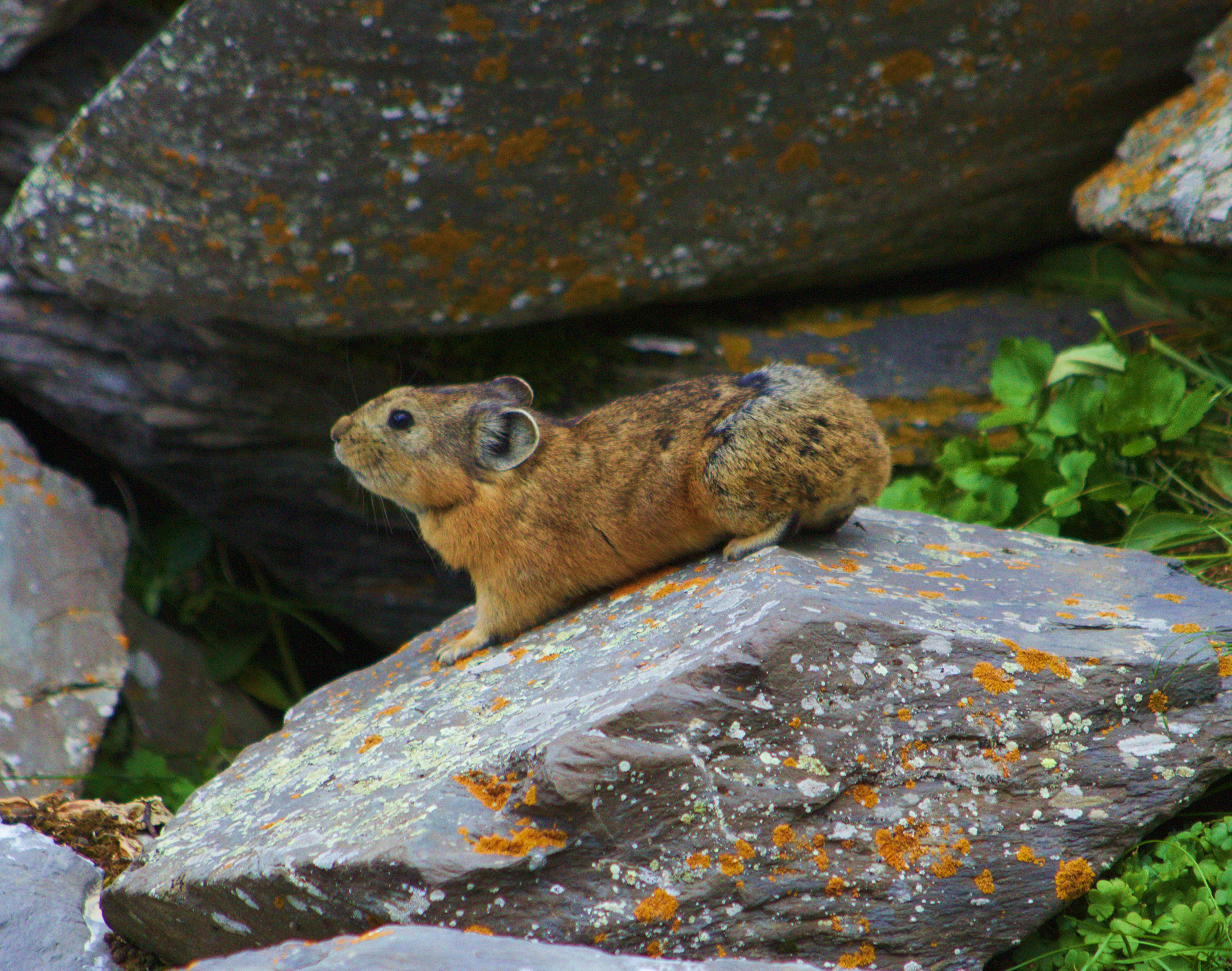
Saylyugemsky National Park was formally established between 2010 and 2012, representing the culmination of conservation efforts to protect the unique biodiversity of the Altai-Sayan region. The park was created with the specific mandate of protecting two flagship species: the vulnerable Altai argali mountain sheep and the endangered snow leopard, both of which had experienced significant population declines in the late 20th century. The Altai-Sayan region has been recognized as a biodiversity hotspot for decades, but effective protection required establishing a dedicated national park that could coordinate conservation across the international borders that these migratory species traverse. The park's governing body, FGBU "Saylyugemsky", manages the protected area with a focus on balancing conservation objectives with limited ecotourism opportunities, though visitor access remains restricted and requires special permits.

Saylyugemsky National Park landscape and geographic character

The landscape of Saylyugemsky National Park is defined by rugged high mountain terrain at the northern edge of the Altai Mountains. The park's three sectors feature distinct topographies: the Saylyugem and Ulandryk sectors occupy the northern slopes of the Saylyugem Range, with the Saylyugem sector running along the Russia-Mongolia border, while the Argut sector sits on the spurs of the Katun and Northern Chuya ranges through which the Argut River flows. Peak elevations reach 3,621 meters at Tabagiyin-Their-Ula, with permanent glaciers clinging to the highest ridges. The snow line ranges from 2,300 to 3,200 meters depending on aspect and exposure. The Altai represent a high mountain plateau deeply dissected by river valleys, creating a landscape of varying character from rolling hills and steppe in the lower elevations to dramatic alpine peaks and rocky scree slopes in the high country. The underlying geology consists primarily of granites and metamorphic schists, and the region sits at the northern edge of the tectonic zone affected by India's collision with Asia, making it seismically active as evidenced by the significant 2003 Altai earthquake.
Saylyugemsky National Park ecosystems, habitats, and plant life

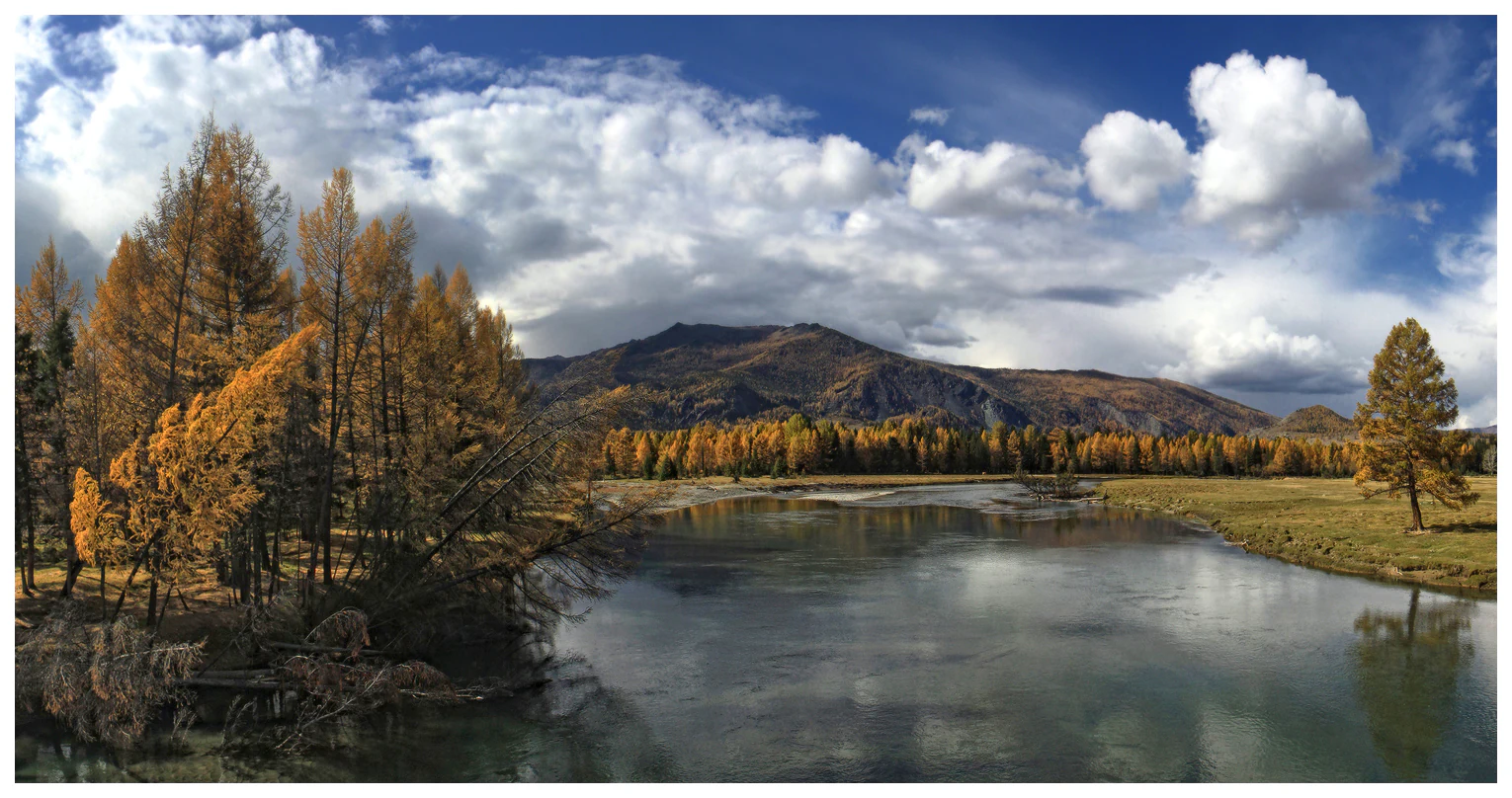
The ecological character of Saylyugemsky National Park reflects its position at the crossroads of multiple biomes, making the Altai-Sayan ecoregion one of the most unusual and biodiverse regions on Earth. The WWF Global200 ecoregion encompasses a mosaic of mountains, steppe, forest, desert, and alpine habitats within a relatively compact area. The southern sections of the park feature dry western Mongolian steppe and desert-steppe vegetation, while the northern Argut sector supports more typical alpine vegetation including larch, spruce, fir, birch, poplar, and pine forests that transition to alpine tundra at higher elevations. Scientists have recorded 722 species of vascular plants belonging to 66 families and 232 genera, with 20 plant species classified as vulnerable in Russia. The freshwater ecosystems are species-poor due to the high-elevation character of the river systems, with only Arctic grayling and Alpine bullhead found in the mountainous streams, and the park falls within the Chuya freshwater ecoregion, one of the smallest in the world.

Saylyugemsky National Park wildlife and species highlights

The wildlife of Saylyugemsky National Park includes several species of global conservation significance, making it one of Russia's most important protected areas for large mammals. The snow leopard is the primary focus of conservation efforts, with an estimated 15-20 individuals resident within the park and another 50-60 in surrounding buffer zones. These elusive predators inhabit the higher elevations in rocky settings, their stocky bodies and thick fur well adapted to the harsh alpine conditions. The Altai argali, a vulnerable mountain sheep species, represents another flagship conservation target, with cross-border populations numbering 500-550 individuals. The Altai-Sayan mountain goat, or ibex, numbering 3,200-3,700 individuals in the park, forms the primary prey base for snow leopards. In 2015, researchers confirmed the presence of the Saylyugemsky bear in the park, a species thought to be locally extinct for 30 years. The bird fauna includes 146 species in the southern sections, featuring the endangered Saker falcon, white-tailed eagle, steppe eagle, golden eagle, bearded vulture, and black vulture among others. The park also supports populations of deer, elk, and musk deer, though illegal trapping of musk deer using wire snares poses an accidental threat to snow leopards.

Saylyugemsky National Park conservation status and protection priorities

Saylyugemsky National Park was created specifically to address the critical conservation needs of endangered species in the Altai-Sayan region, making protection of snow leopards and Altai argali its core mission. The park serves as a critical refugium for snow leopards at the northern edge of their range, where approximately 15-20 individuals maintain territories in the high rocky terrain. The Altai-Sayan ecoregion's recognition as a WWF Global200 priority area underscores its global significance for biodiversity, and the park's position at the junction of four countries makes it essential for transboundary conservation of migratory species. The 500-550 argali that cross international borders through the park represent one of the most significant remaining populations of this vulnerable mountain sheep. While the park's remote location and strict access requirements limit human disturbance, ongoing challenges include poaching of Saker falcons and illegal trapping of musk deer, which occasionally results in accidental snow leopard bycatch. The park's management approach prioritizes species protection over general tourism access.

Saylyugemsky National Park cultural meaning and human context

The Saylyugem and Ulandryk sectors of the park have experienced human habitation for millennia, with evidence of traditional grazing and hunting activities in the lower elevations. The Altai region has been home to Turkic and Mongol peoples for centuries, and the landscape holds cultural significance for local communities who have traditionally used the mountain pastures for seasonal livestock grazing. However, the more inaccessible Argut sector has remained relatively pristine, preserving its natural character. The park's strict access restrictions reflect both conservation priorities and the sensitivity of the ecosystems to human disturbance, though traditional land use practices continue in designated areas surrounding the core protected zones.

Top sights and standout views in Saylyugemsky National Park

Saylyugemsky National Park offers exceptional opportunities to experience one of Earth's most biologically diverse mountain landscapes at the crossroads of four countries. The park protects the most significant snow leopard population in Russia, making it a critical area for observing and studying this elusive apex predator in its natural habitat. The Altai argali populations represent one of the last great herds of this magnificent mountain sheep, visible in the high alpine meadows during the summer months. The dramatic scenery of the Altai Mountains, with glaciers on peaks exceeding 3,600 meters, deep river valleys, and the transition from steppe to alpine tundra, provides a spectacular backdrop for wilderness exploration. The Altai-Sayan ecoregion's mosaic of habitats supports a remarkable diversity of wildlife within a relatively compact area, from mountain goats and sheep to golden eagles and Saker falcons.

Best time to visit Saylyugemsky National Park

The best time to visit Saylyugemsky National Park is during the summer months of June through August, when the weather is mild and the high mountain trails are accessible. Summer brings dry conditions and average temperatures that make hiking and wildlife viewing possible in the alpine zones. The snow line retreats to higher elevations during this period, exposing more terrain for exploration. However, visitors should note that the park maintains strict access controls, requiring special permits from park administration, and all activities are limited to designated roads and trails. The shoulder seasons of spring and autumn offer different experiences but come with more challenging conditions, as the continental climate produces cold temperatures and limited services outside the peak summer period. Winter visits are extremely challenging due to the harsh cold and semi-arid conditions, with temperatures remaining well below freezing.
Park location guide

Geography guide, regional context, and park location map for Saylyugemsky National Park

Saylyugemsky National Park park geography, regions, and map view in Russia
Understand where Saylyugemsky National Park sits in Russia through a broader geographic reading of the surrounding landscape, nearby location context, and its mapped position within the national park landscape.

How Saylyugemsky National Park fits into Russia

Russia is a transcontinental nation spanning eleven time zones, bordered by fourteen countries. It is the world's largest country by area, covering 17,098,246 km². Moscow is the capital and largest city, while Saint Petersburg is the second-largest and a major cultural centre.

Wider geography shaping Saylyugemsky National Park in Russia

Russia spans Eastern Europe and North Asia, covering 17,098,246 km². It shares land borders with fourteen countries, more than any other nation, and spans eleven time zones. The landscape includes vast plains, mountain ranges such as the Urals and Caucasus, and extensive coastlines along the Arctic Ocean, Pacific Ocean, Baltic Sea, Black Sea, and Caspian Sea.

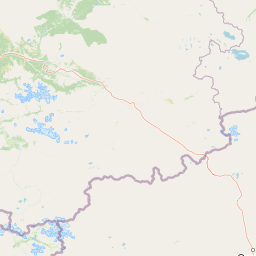
Map view of Saylyugemsky National Park

Use this park location map to pinpoint Saylyugemsky National Park in Russia, understand its exact geographic position, and read its mapped placement within the surrounding landscape more clearly.

Pigeon | © OpenStreetMap contributors

Location context for Saylyugemsky National Park

Altai Republic
Park atlas

Map surrounding mountain ecosystems and transboundary protected landscapes, tracing the rich Altai-Sayan region near Saylyugemsky National Park.

Explore Related National Parks and Protected Areas Surrounding Saylyugemsky National Park
Continue your exploration from Saylyugemsky National Park to discover other national parks and protected areas within the Altai-Sayan mountain region, a critical transboundary landscape. Map the spread of high-altitude terrain, snow leopard habitats, and unique conservation efforts across this complex Central Asian geography, identifying related protected landscapes.
National parkEast Kazakhstan Region

Katon-Karagay National Park: Discover Kazakhstan's Largest Protected Mountain Landscape

Explore the geography and park boundaries of East Kazakhstan's premier national park.

Katon-Karagay National Park, the largest national park in Kazakhstan, offers a deep dive into the protected landscapes of the Southern Altai Mountains. This page provides essential geographic context, detailing the park's terrain, its significance as a protected area within East Kazakhstan Region, and its role in mapping the natural contours of this ecologically diverse mountain system. Understand the park's boundaries and its contribution to regional conservation.

Area
6,435 km²
Established
2001
IUCN
II
Relief
Mountain
National parkTashtagolsky District

Shorsky National Park: Protected Landscape and National Park Geography

Discover the mapped terrain and regional context of Shorsky National Park.

Shorsky National Park is a key protected area within the Tashtagolsky District, nestled in the mountainous terrain of Southern Siberia. This page serves as an entry point for understanding its role as a national park, focusing on its geographic boundaries and landscape context. MoriAtlas allows for detailed map-based exploration of Shorsky National Park, highlighting its significance within the regional geography and the broader atlas of protected lands in Russia.

Area
4,180 km²
Established
1989
IUCN
II
Watercolor painting of green trees, rolling hills, a pink and yellow sunset sky, and a single tree on the right
National parkKrasnoyarsk Krai

Shushensky Bor National Park: Mapped Geography of a Siberian Protected Forest

Explore the protected landscape and regional context of Krasnoyarsk Krai.

Shushensky Bor National Park serves as a critical protected area within the vast geography of Krasnoyarsk Krai, Russia, offering detailed insights into Siberia's ecological transition zones. This national park meticulously maps the shift from the Minusinsk basin forest-steppe to the dramatic mountain taiga of the Western Sayan range. Users can explore its varied terrain, from gentler northern steppe-influenced lands to the rugged slopes of the Borus Massive, all within a defined protected landscape. The proximity to the Sayano-Shushenskoye Reservoir further defines its unique geographic setting, providing context for its conservation importance and natural beauty.

Area
392 km²
Established
1995
IUCN
II
Relief
Mountain
Watercolor painting showing a river flowing through a forested area with distant hills, using soft green, blue, and yellow tones
National parkAltai Krai

Salair National Park: Mapped Protected Landscape and Geographic Features in Altai Krai

Discover the unique dark taiga terrain and relict flora.

Salair National Park is a significant protected area in Altai Krai, Russia, renowned for its exceptionally biodiverse dark taiga forests, often called the "rainforest of Siberia." Established in 2020, the park spans the western slopes of the Salair Ridge, covering about 161,000 hectares of gentle low mountain terrain. Its landscape is characterized by rounded mountains, a network of ravines, and the preservation of pre-glacial relict plant species. This national park offers a vital contrast to the surrounding agricultural areas, highlighting its role in conserving unique Siberian forest ecosystems and their historic flora.

Area
1,612 km²
Established
2020
IUCN
II
Relief
Upland
National parkEast Kazakhstan Region

Tarbagatai National Park: Protected Landscape and Wild Fruit Tree Forests in East Kazakhstan Region

Explore the mapped boundaries and ecosystem of this national park.

Tarbagatai National Park is a protected area in East Kazakhstan recognized for its unique role in conserving wild fruit tree forests that have maintained genetic isolation. This national park provides a detailed view of a mountain-steppe ecosystem across the Tarbagatai mountain range, Karabas Mountains, and Arkaly Mountains, along with the Urzhar and Emel river valleys. Its establishment in 2018 highlights its importance for biodiversity and the study of natural forest genetics, offering significant geographic context for regional protected land exploration.

Area
1,364 km²
Established
2018
IUCN
II
Relief
Mountain
National parkKrasnoyarsk Krai

Krasnoyarsk Pillars National Park: Geographic Atlas and Protected Landscape Exploration

Discover mapped terrain and regional park context in Siberia.

This detailed entry for Krasnoyarsk Pillars National Park offers an in-depth look at its identity as a protected landscape within Krasnoyarsk Krai. It provides structured geographic information, focusing on mapped boundaries and the park's position within the vast Siberian terrain. Users can leverage this data for atlas exploration, gaining a clear understanding of the park's physical dimensions and its role in the regional geography of Russia. Explore the unique landscape character and mapped context of this significant national park.

Area
471.54 km²
Established
2019
IUCN
II
Visitors
200K annual
Watercolor painting depicting a mountain range, lake, and grassy foreground under a pale sky
National parkAlmaty Region

Zhongar-Alatau National Park: Protected Mountain Landscape and Genetic Heritage Atlas

Almaty Region's critical wild apple forest and glaciated terrain.

Zhongar-Alatau National Park in Kazakhstan's Almaty Region is a significant protected landscape renowned for its role in conserving the genetic origins of cultivated apples. The park encompasses dramatic glaciated mountain ranges, deep canyons, and diverse ecosystems within the Dzungarian Alatau. Its mapped boundaries define an area vital for protecting unique wild fruit tree species, including the Sievers apple, and preserving the distinctive alpine terrain of southeastern Kazakhstan, offering rich context for geographic exploration.

Area
36 km²
Established
2010
IUCN
II
Relief
Mountain
National parkKazakhstan

Bayanaul National Park: Kazakhstan's First National Park Mapped Landscape

Explore granite mountains, unique lakes, and striking rock formations.

Bayanaul National Park, situated in Kazakhstan's Pavlodar Province, represents a significant protected area renowned for its extraordinary granite mountain landscape. Established as the country's first national park, it showcases unique erosion-shaped rock formations, diverse vegetation including rare pines, and four significant freshwater lakes. This park offers a distinct visual tapestry of mountainous terrain and geological wonders within the broader Central Asian geography, making it a key destination for atlas-based discovery.

Area
684.53 km²
Established
1985
IUCN
II

Common questions about visiting, size, designation, and location context for Saylyugemsky National Park

Saylyugemsky National Park FAQs for park facts, access, geography, and protected area context
Find quick answers about Saylyugemsky National Park, including protected-area facts, park geography, trail and visitor context, and how the park fits into its surrounding country and regional landscape.
MoriAtlas Explorer

Continue Your Protected Areas Search Across the Global Atlas

Deepen your exploration by continuing the structured search for national parks and protected areas worldwide. Utilize the comprehensive filtering capabilities to compare different conservation landscapes and refine your understanding of global park geography. Discover more about the distribution and characteristics of protected natural areas.

Global natural geography