Why Strzelecki National Park stands out
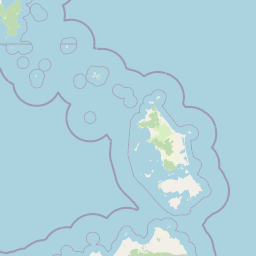
Strzelecki National Park is best known for Mount Strzelecki, the towering summit that dominates Flinders Island and offers panoramic views across the Bass Strait from its exposed peaks. The park has earned particular recognition for its remarkable concentration of biodiversity within a limited area, supporting more than one hundred bird species in addition to populations of wombats and potoroos. The reserve is also famous for the Three Peaks Race, an annual challenge that begins with Mount Strzelecki as the first summit conquered by competitors. The diversity of environments within the park, from eucalyptus forests to coastal cliffs and beach coves, creates a compact but comprehensive island wilderness experience.
Strzelecki National Park history and protected-area timeline
Strzelecki National Park was formally established in 1967, creating Tasmania's first dedicated protection for the Flinders Island highland environment. The decision to create the park reflected growing post-war recognition of Tasmania's unique island biodiversity and the need to preserve representative samples of the state's varied ecosystems. The park's naming after Sir Paul Edmund Strzelecki acknowledged the Polish explorer's significant contributions to Australian geographic knowledge during the mid-nineteenth century, when he conducted extensive surveys across Tasmania, New South Wales, and Victoria. The establishment of the park also coincided with broader efforts to develop Tasmania's network of protected areas following the creation of earlier reserves in the state's mountainous and coastal regions.
Strzelecki National Park landscape and geographic character
The landscape of Strzelecki National Park is defined by the granite uplands of central Flinders Island, with Mount Strzelecki rising as the island's supreme summit at an elevation that provides sweeping views across the Bass Strait toward the Tasmanian mainland. The mountain's rocky ridgelines and exposed granite domes create a dramatic backdrop visible from many points on the island. Around the central peaks, the terrain descends through rolling forested slopes covered in Tasmanian Blue Gum forest before reaching the coastal margins where granite headlands meet sandy beaches. The park's coastline features several sheltered coves and exposed points that reflect the island's position in the frequently windswept waters of the Bass Strait. The combination of mountain, forest, and coast within a single protected area creates a landscape of considerable variety and visual appeal.
Strzelecki National Park ecosystems, habitats, and plant life
The nature of Strzelecki National Park reflects the transitional position of Flinders Island between mainland Tasmania and the Australian continent, resulting in a mix of Tasmanian and more continental Australian species. The park's forests of Tasmanian Blue Gum represent a distinctive woodland type that dominates the lower slopes and valleys, providing habitat for numerous bird species and arboreal mammals. The coastal sections support heath communities adapted to the island's exposure to salt-laden winds from the Bass Strait. The mosaic of forest, heath, and grassland across the park's altitudinal range creates multiple habitat types that support the remarkable bird diversity recorded within the reserve. The park's relatively small size yet high species count reflects the ecological importance of island reserves as repositories of biodiversity isolated from mainland development pressures.
Strzelecki National Park wildlife and species highlights
Strzelecki National Park supports remarkable wildlife diversity for its area, with more than one hundred bird species recorded within its boundaries. The bird community includes both Tasmanian endemics and species with distributions extending from the Australian mainland across the Bass Strait. Mammalian residents include wombats, the robust burrowing marsupials that are a familiar sight in the park's forest and grassland areas, as well as potoroos, the small wallaby-like marsupials that inhabit the understorey vegetation. The park's streams and coastal areas provide habitat for additional species, while the diverse vegetation communities support insects, reptiles, and other invertebrates that form the base of the park's ecological food webs. The combination of island isolation and protected status has allowed these wildlife populations to persist in relatively unmodified conditions.
Strzelecki National Park conservation status and protection priorities
Strzelecki National Park holds IUCN Category II designation as a national park, reflecting its primary purpose of protecting natural ecosystems while allowing controlled visitor access. The park's conservation significance stems from its role as the largest protected area on Flinders Island and the only significant Alpine-zone protection in the Bass Strait island group. The reserve protects representative samples of island forest, heath, and coastal ecosystems that would otherwise face pressures from agricultural development and infrastructure expansion on the island. The protected status has been particularly important for maintaining wildlife corridors across the island's mountainous spine, connecting coastal environments with interior habitats and enabling species movement across the island's landscape.
Strzelecki National Park cultural meaning and human context
The park's cultural context includes its naming for Paul Edmund Strzelecki, the Polish explorer and geologist whose Australian explorations during the 1840s contributed fundamentally to scientific understanding of the continent's physical geography. Strzelecki's travels through Tasmania included the Flinders Island region, where his geological observations helped establish understanding of the island's mineral resources and terrain. The park also participates in the Three Peaks Race, an annual event that begins at Mount Strzelecki and continues to peaks on the Tasmanian mainland, linking the island's landscape to broader regional sporting and recreational traditions.
Top sights and standout views in Strzelecki National Park
The highlights of Strzelecki National Park center on the hiking experience offered by Mount Strzelecki's summit trails, which provide the reward of commanding views across the Bass Strait from Flinders Island's highest point. The park's beach access points along its coastline offer opportunities for swimming, snorkeling, fishing, and kayaking in the sheltered waters of the strait. The diversity of biomes within walking distance of each other allows visitors to experience Tasmanian Blue Gum forest, coastal headland, mountain ridge, and beach environments in a single day's exploration. The abundance of wildlife, particularly birds and wombats, adds regular encounters with native Australian fauna to the park's attractions.
Best time to visit Strzelecki National Park
The best time to visit Strzelecki National Park aligns with Tasmania's warmer months from late spring through summer into early autumn, when temperatures allow comfortable hiking and beach activities. The island's position in the Bass Strait means weather can change rapidly, with wind and rain possible even during summer, so visitors should prepare for variable conditions. Winter visits offer the experience of the park in its quieter season, though mountain trails may be less accessible and temperatures significantly cooler. The park can be enjoyed year-round, but the combination of accessible trails and favorable weather makes the December through March period particularly popular for visitors seeking to maximize their outdoor experience.