
Mori Atlas logo
National parkThe Three Eyes National Park

Detailed mapping and protected area context for this significant Dominican Republic natural landscape.

The Three Eyes National Park: Dominican Republic National Park Landscape and Geography

(Parque Nacional Los Tres Ojos)

The Three Eyes National Park stands as a distinct protected area within the Dominican Republic, offering a unique glimpse into the island's natural geography. This canonical page provides detailed insights into the park's mapped boundaries and its role as a national park, serving as a crucial point for structured atlas-driven exploration and understanding its place within the broader landscape context of Hispaniola.

cave systemlimestone formationunderground lakeskarst landscapeCaribbean protected areasubterranean water

The Three Eyes National Park

National park

Park overview

Structured park overview, official facts, and landscape profile for Los Tres Ojos National Park

Los Tres Ojos National Park park facts, protected area profile, and essential visitor context

Review the core facts for Los Tres Ojos National Park, including designation, size, terrain, visitor scale, habitats, and operating context in one park-focused overview.

About Los Tres Ojos National Park

Los Tres Ojos National Park presents a rare geological phenomenon where a collapsed cave system has formed a natural arena filled with interconnected underground lakes. The limestone formation, sculpted over centuries by tectonic activity and water erosion, creates a cathedral-like space where visitors descend through a carved stone staircase to reach the water below. Each of the three main lakes possesses distinct characteristics: Lago de Azufre was discovered in 1916 and features a striking blue hue that early explorers incorrectly attributed to sulphur content, though testing revealed the color derives from calcium mineral composition. La Nevera and El Lago de las Damas complete the interior trio, while Los Zaramagullones lies beyond as a fourth, deeper freshwater lagoon with exterior exposure. The surrounding vegetation remains lush and abundant, providing a tropical envelope to this subterranean world. The cave system operates from 9 AM to 5 PM, with colorful nighttime illumination transforming the landscape into a different experience after dark.

Quick facts and research context for Los Tres Ojos National Park

Los Tres Ojos National Park occupies a limestone cave formation in eastern Santo Domingo, Dominican Republic. The site features three main interior lakes named Lago de Azufre, La Nevera, and El Lago de las Damas, plus a fourth exterior lagoon called Los Zaramagullones. Water temperatures in the lagoons range from 20 to 29 degrees Celsius, with depths varying from 8 feet in the shallowest lake to 25 feet in the deepest. The cave system was formed through tectonic fractures and cave collapses, with the underground river providing continuous water flow. The site holds historical significance as a former Taíno indigenous sacred place used for religious rituals and fertility ceremonies.

Protection and recognition

Verifying official designation history, management scope, and international status records

The Three Eyes National Park Protection Status and Protected Area Profile

Verifying official designation parameters and registered protection levels helps establish the ecological standing of The Three Eyes National Park within regional frameworks. Exploring documented database records and official designations clarifies the formal administrative status safeguarding the park.

Protection details

Transboundary protection
No
Park context

Deeper park guide and search-rich context for Los Tres Ojos National Park

Los Tres Ojos National Park history, landscape, wildlife, and travel context

Explore Los Tres Ojos National Park through its history, landscape character, ecosystems, wildlife, conservation priorities, cultural context, and seasonal travel timing in a structured park guide built for atlas discovery and search intent.

Why Los Tres Ojos National Park stands out

The park is best known for its remarkable limestone cave system containing three interior lakes that create a striking underground aquatic environment. The vivid blue and green reflections produced by varying water depths, combined with dramatic stalactite and stalagmite formations, make this one of the most visually distinctive protected areas in the Caribbean. The fourth lagoon, Los Zaramagullones, is considered the most tranquil and beautiful, accessible only by small rope-pulled ferry. The site has also gained fame as a filming location for major productions including Jurassic Park III, Tarzan, and Combat Shock.

Los Tres Ojos National Park history and protected-area timeline

The formation of Los Tres Ojos dates back centuries to when tectonic fractures caused cave ceilings to collapse, creating the bowl-shaped depression that subsequently filled with water from underground sources. Before the site's designation as a national park, the cave held profound significance for the indigenous Taíno people, the first inhabitants of Hispaniola, who used the location for religious rituals and fertility rites. The three principal lakes each carry historical names: Lago de Azufre, discovered in 1916; La Nevera; and El Lago de las Damas. Some lakes feature exterior openings that connect to the surrounding landscape. In the 1940s, the deepest lagoon was stocked with freshwater fish, adding to the site's ecological diversity. The carved stone staircase and boat services that enable visitor access today represent later infrastructure developments that have facilitated exploration of this natural wonder.

Los Tres Ojos National Park landscape and geographic character

The landscape of Los Tres Ojos centers on a dramatic limestone cave formation characterized by towering walls of karst rock, extensive stalactite formations hanging from the ceiling, and stalagmites rising from the cave floor and lake edges. The three interior lakes occupy different levels within the cave system, creating a terraced aquatic environment where water depth and composition produce varying color reflections ranging from vivid blue to green and occasionally yellow. The fourth lagoon, Los Zaramagullones, sits beyond the main cave chamber with direct exposure to the exterior, offering a different visual character. The cave walls and surrounding terrain support tropical vegetation that creates a verdant frame around the water features. The overall setting combines subterranean grandeur with intimate aquatic scenes, all contained within a natural limestone amphitheater formed by ancient geological processes.

Los Tres Ojos National Park ecosystems, habitats, and plant life

The cave system supports a distinctive ecological environment where underground river water feeds the lakes, creating a aquatic ecosystem adapted to low-light conditions. The water composition varies between the different lakes, with mineral content influencing color and clarity. Surrounding the water features, the cave environment maintains high humidity and supports lush vegetation that thrives in the tropical Caribbean climate. The interaction between the underground aquifer system and the surface tropical environment creates a unique habitat where cave-dwelling species coexist with more typical Caribbean flora. The mineral-rich waters and stable cave temperatures provide conditions that support aquatic life despite the challenging low-light subterranean setting.

Los Tres Ojos National Park wildlife and species highlights

The aquatic environment within Los Tres Ojos contains diverse fauna including several fish species adapted to the cave's conditions. The lakes also support turtle populations, while bat colonies inhabit the cave ceilings and crevices throughout the system. These species have adapted to the unique conditions of the underground lakes, where limited light and consistent temperatures create specialized ecological niches. The surrounding tropical vegetation provides additional habitat for bird species and other wildlife typical of the Dominican Republic's Caribbean environment. The combination of aquatic, cave-dwelling, and forest species creates a modest but distinctive biodiversity within the park's boundaries.

Los Tres Ojos National Park conservation status and protection priorities

Los Tres Ojos National Park protects a unique geological and ecological formation that represents one of the Caribbean region's most distinctive cave-lake systems. The national park designation ensures preservation of the limestone formation, the underground water resources, and the associated ecosystems that would face development pressures given the park's proximity to Santo Domingo. The site also preserves cultural heritage value through its historical association with Taíno indigenous practices. Management of the park balances visitor access with protection of the cave formations and aquatic environments, though the heavy tourist traffic presents ongoing conservation challenges typical of heavily visited natural attractions in populated areas.

Los Tres Ojos National Park cultural meaning and human context

The cave system holds significant cultural heritage value as a former sacred site for the indigenous Taíno people, who inhabited Hispaniola before European contact. The Taíno used Los Tres Ojos for religious rituals and fertility ceremonies, considering the lakes and cave environment spiritually powerful. This indigenous heritage adds cultural depth to the geological and ecological significance, connecting the natural formation to the island's pre-colonial human history. The site also reflects more recent cultural evolution through its use in film production and its status as one of the Dominican Republic's most recognized tourist attractions, representing how natural wonders become embedded in national identity and tourism economy.

Top sights and standout views in Los Tres Ojos National Park

The underground cave with three primary lakes represents the park's core highlight, offering a unique Caribbean exploration experience distinct from typical surface national parks. The dramatic stalactite and stalagmite formations create an extraordinary visual landscape within the limestone chamber. The fourth lagoon, Los Zaramagullones, accessible only by rope-drawn ferry, provides the most tranquil and photogenic setting. The 346-step descent enables visitors to fully experience the vertical dimension of this geological wonder. The Taíno heritage adds historical depth, while the site's repeated use in major film productions demonstrates its cinematic appeal.

Best time to visit Los Tres Ojos National Park

The park can be visited year-round given its cave-protected environment, though the dry season from November to April typically offers more comfortable external temperatures for approaching the site. The cave interior maintains relatively stable temperatures regardless of external conditions. Early morning visits allow for quieter exploration before peak tourist crowds arrive, particularly given the limited space within the cave system. The nighttime illumination creates a dramatically different atmosphere for those preferring evening visits, though the 5 PM closing time limits extended evening access. The interplay of light through the cave openings and the water reflections varies throughout the day, with midday potentially offering the brightest underwater visibility.
Monthly climate preview

Measured annual temperature and precipitation rhythm from NASA records

The Three Eyes National Park Climate and Long-Term Weather by Month

Long-term representative records outline the measured annual temperature and precipitation rhythm across twelve recorded months at a single park coordinate. Detailed monthly climate normals provide broader analytical depth for tracking temperature swings and rainfall distribution.
Annual mean26 °C
25 °C28 °C
Jan25°
Feb25°
Mar25°
Apr26°
May27°
Jun27°
Jul28°
Aug28°
Sep28°
Oct27°
Nov26°
Dec25°
Warmest month
August

27.8 °C

Coolest month
January

24.6 °C

Wettest month
November

2 mm/day

Driest month
March

0.7 mm/day

Park location guide

Geography guide, regional context, and park location map for Los Tres Ojos National Park

Los Tres Ojos National Park park geography, regions, and map view in Dominican Republic

Understand where Los Tres Ojos National Park sits in Dominican Republic through a broader geographic reading of the surrounding landscape, nearby location context, and its mapped position within the national park landscape.

How Los Tres Ojos National Park fits into Dominican Republic

The Dominican Republic is a presidential republic on Hispaniola island in the Caribbean. It occupies the eastern portion of the island, sharing the western part with Haiti. The country has a population of approximately 11.5 million and is known for its colonial history, beaches, and mountainous interior. Santo Domingo is the capital and largest city.

Wider geography shaping Los Tres Ojos National Park in Dominican Republic

The Dominican Republic occupies the eastern five-eighths of Hispaniola island in the Greater Antilles, bordered by the Caribbean Sea. It shares a land border with Haiti to the west and has maritime boundaries with Puerto Rico to the east. The terrain features mountainous interior ranges, fertile valleys, and coastal plains. The country is second in size among Caribbean nations after Cuba.

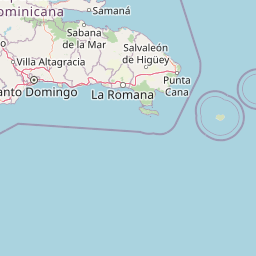
Map view of Los Tres Ojos National Park

Use this park location map to pinpoint Los Tres Ojos National Park in Dominican Republic, understand its exact geographic position, and read its mapped placement within the surrounding landscape more clearly.

Pigeon | © OpenStreetMap contributors
Park atlas

Compare the unique karst landscapes and subterranean wonders within the surrounding Dominican Republic region.

Explore Other National Parks and Protected Areas Near The Three Eyes National Park

Expand exploration beyond The Three Eyes National Park to browse other unique protected areas, tracing diverse karst landscapes and subterranean formations across the Dominican Republic. Compare nearby national parks and regional conservation sites to understand their geographic context and discover various protected natural wonders in the Caribbean.
National parkDominican Republic
About 17 km away#1 closest

East

La Caleta Underwater National Park: Dominican Republic National Park Geography and Atlas Exploration

Discover its protected marine landscape and mapped underwater terrain.

La Caleta Underwater National Park is a designated national park within the Dominican Republic, offering a unique focus on protected marine geography. Explore the mapped underwater terrain and understand its protected landscape identity. This entry provides essential context for atlas-based discovery of its specific geographic features and conservation significance in the Caribbean.

IUCN
II
Scope
Marine
National parkDominican Republic
About 50 km away#2 closest

North

Los Haitises National Park: Dominican Republic Protected Landscape & Park Geography

Mapped terrain and protected area boundaries in the Dominican Republic.

Los Haitises National Park is a vital protected national park in the Dominican Republic, offering unique insights into the region's geography and natural landscapes. This page delves into its mapped boundaries, regional context, and the importance of its protected status for understanding Dominican Republic's conservation areas. Gain a structured view of this important natural landscape and its place within a broader geographic atlas.

Area
826 km²
Established
1976
IUCN
II
Relief
Upland
National parkDominican Republic
About 72 km away#3 closest

Northwest

Valle Nuevo National Park: Nearctic Highland Ecosystem and Glacial Landscapes

Mapped protected area in the Dominican Republic's Cordillera Central.

Valle Nuevo National Park in the Dominican Republic offers a rare glimpse into a Nearctic ecosystem within the Caribbean. Spanning 910 square kilometers in the Cordillera Central, it features dramatic mountain peaks like Loma Alto de la Bandera and distinctive glacial landforms. The park protects extensive Hispaniolan pine forests and cloud forest habitats, supporting remarkable endemic biodiversity and serving as a critical watershed for the region.

Area
910 km²
Established
1996
IUCN
II
Relief
Mountain
National parkDominican Republic
About 72 km away#4 closest

East

Cueva de las Maravillas National Park: Dominican Republic National Park Protected Landscape and Geography

Explore the mapped features and natural terrain of this Dominican national park.

Cueva de las Maravillas National Park is a key protected entity within the Dominican Republic, offering rich geographic context for atlas exploration. This entry focuses on the park's identity as a national park, detailing its mapped boundaries and natural landscape features. Understand its specific role within the Dominican Republic's broader geography and its significance as a conservation area, providing essential context for landscape discovery.

Area
4.5 km²
Established
1997
IUCN
II
Relief
Lowland
National parkDominican Republic
About 116 km away#5 closest

Northwest

Pueblo Viejo National Park: Dominican Republic Colonial Ruins and Gold Mining Heritage

Explore early Caribbean colonization and its archaeological landscape.

Pueblo Viejo National Park stands as a crucial archaeological site in the Dominican Republic, preserving the remnants of Concepción de la Vega, a significant colonial settlement established during the era of Christopher Columbus. This national park offers a unique window into the beginnings of European presence and the first major gold extraction operations in the Americas. Examine the mapped foundations of its fortress and town structures, understanding the colonial urban planning and the historical geography of early Caribbean heritage.

IUCN
II
Access
Easy access
Scope
Terrestrial
Water
No major water
National parkDominican Republic
About 123 km away#6 closest

East

Cotubanamá National Park: Dominican Republic National Park Geography and Protected Landscape

Explore the mapped terrain and natural boundaries.

Cotubanamá National Park stands as a vital component of the Dominican Republic's protected lands. This entry provides detailed atlas-style information, focusing on the park's geographic context, its designation as a national park, and the specific character of its protected landscape. Understand its role within the broader Caribbean geography and the mapped natural features that define this significant area.

Area
792 km²
Established
1975
IUCN
II
Visitors
728K annual
National parkDominican Republic
About 123 km away#7 closest

Northwest

José Armando Bermúdez National Park: Dominican Republic National Park Atlas and Landscape Context

Discover the mapped protected area and geographic setting of this Dominican Republic national park.

Gain an understanding of José Armando Bermúdez National Park as a distinct protected landscape within the Dominican Republic. This entry focuses on its role as a national park, providing geographic context and highlighting its mapped boundaries for atlas exploration. Explore the park's specific terrain and its place within the nation's conservation network.

Area
766 km²
Established
1956
IUCN
II
Relief
Mountain
National parkIndependencia Province
About 163 km away#8 closest

West

La Gran Sabana National Park: National Park Identity and Geographic Mapping

Exploring protected landscapes and regional context.

This detail entry focuses on La Gran Sabana National Park, delineating its identity as a protected national park within Independencia Province. It provides essential context for understanding the park's mapped boundaries, its specific geographic setting, and its role within the natural landscape. Users can explore its atlas-relevant features and understand its place in the broader geography of the Dominican Republic.

Area
219.58 km²
Established
2009
IUCN
II
Relief
Lowland

Common questions about visiting, size, designation, and location context for Los Tres Ojos National Park

Los Tres Ojos National Park FAQs for park facts, access, geography, and protected area context

Find quick answers about Los Tres Ojos National Park, including protected-area facts, park geography, trail and visitor context, and how the park fits into its surrounding country and regional landscape.
MoriAtlas Explorer

Continue Your Protected Areas Search Across the Global Atlas

Deepen your exploration by continuing the structured search for national parks and protected areas worldwide. Utilize the comprehensive filtering capabilities to compare different conservation landscapes and refine your understanding of global park geography. Discover more about the distribution and characteristics of protected natural areas.

Global natural geography