Why Tyresta National Park stands out
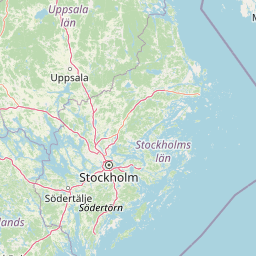
Tyresta is best known for its extensive old-growth forest, one of the largest remaining in southern Sweden. The park's coniferous forests contain some of the oldest trees in the region, with certain pine specimens reaching 400 years of age. The area is also notable for the devastating forest fire of 1999, which burned approximately 10% of the national park and created a significant ecological recovery landscape. Its proximity to Stockholm makes it one of the most accessible large forest reserves in Sweden, serving both as a biodiversity sanctuary and a recreation area for the capital region.
Tyresta National Park history and protected-area timeline
The conservation history of Tyresta reflects a gradual recognition of the area's exceptional natural value. Until the early 20th century, local farmers harvested the forest only for domestic needs, preserving more of the woodland than in other parts of the Stockholm region. In the 1910s, plans for large-scale logging emerged, but one farmer refused to sell his forest, leaving it untouched and forming the core of what would become the protected area. A renewed attempt at acquisition occurred in 1929 when Torsten Kreuger sought to purchase the forest, but the already-unique natural forest was purchased by the City of Stockholm in 1936 with the explicit purpose of protecting it and preserving outdoor recreation opportunities. The area remained threatened by development plans through the 1970s and 1980s, leading to the creation of the Tyresta-Åva nature reserve in 1986. In 1993, the central portions of the reserve were redesignated as Tyresta National Park, making it Sweden's 23rd national park. A significant event in the park's history occurred in August 1999 when a major fire burned approximately 450 hectares, about 10% of the total protected area, requiring extensive firefighting efforts including aerial water drops and 18 kilometers of hose lines.
Tyresta National Park landscape and geographic character
The physical landscape of Tyresta National Park is defined by its rift valley terrain, a geological formation that is characteristic of central Sweden but relatively rare internationally. The park encompasses a mosaic of landforms including forested ridges, wetlands, lakes, and open areas. Several lakes punctuate the park's interior, including Stensjön, Årsjön, Långsjön, Mörtsjön, Trehörningen, and Bylsjön, along with various streams and dams such as Åvaån and Mörtsjöbäcken. The ridge tops feature exposed bedrock and thin soils supporting pine-dominated vegetation, while the lower valleys accommodate denser spruce forest and wetter areas with alder and birch. The landscape also includes historical cultural elements, notably the Iron Age fortification Stensjöborg and remnants of the Åva mill complex. The 1999 fire created a distinct landscape element in the eastern portion of the park, where regeneration continues to occur decades later.
Tyresta National Park ecosystems, habitats, and plant life
The ecological character of Tyresta is defined by its extensive old-growth coniferous forest, one of the most significant remaining in southern Sweden. The forest composition varies with topography: ridge tops are dominated by scotch pine (Pinus sylvestris), while the lower areas feature Norway spruce (Picea abies). The slow-growing trees, characteristic of low site index conditions, can reach exceptional ages, with some pines approaching 400 years. Common broadleaf species include aspen, birch, and alder, adding structural diversity to the forest. The understory features blueberry as a prevalent species, along with other characteristic northern European forest plants. The park supports an exceptional diversity of species, with up to 8,000 animal species recorded—approximately four times the biodiversity found in managed forests. Many species are strictly dependent on old-growth forest conditions and cannot survive in younger, managed woodland. The wetlands and lakes add further ecological variety to the landscape.
Tyresta National Park wildlife and species highlights
Tyresta National Park supports a remarkable diversity of wildlife, with the old-growth forest providing critical habitat for numerous species. The park's forests harbor many invertebrates, insects, and fungi that are specifically adapted to decaying wood and ancient tree structures. Bird species associated with old-growth forest conditions are well represented, and the capercaillie (tjäder) serves as the park's symbolic animal, also appearing on the Haninge municipal coat of arms. The varied habitat types—from dry ridge forests to wet wetlands and open lakes—support different species assemblages. The wetland areas and lakes provide habitat for waterfowl and amphibian species, while the diverse forest structure offers shelter and foraging opportunities for mammals and birds alike. The 1999 fire, while destructive, also created specialized early-successional habitats that benefit certain wildlife species.
Tyresta National Park conservation status and protection priorities
Tyresta National Park holds significant conservation value as one of the largest protected old-growth forest areas in southern Sweden. The establishment of the park in 1993 represented recognition that this remaining forest tract was irreplaceable, as most of the region's original woodland had been converted to production forest or developed. The park is managed by the Tyrestaskogen Foundation, established at the time of the park's creation through cooperation between Naturvårdsverket, the Stockholm County Administrative Board, Stockholm municipality, Haninge municipality, and Tyresö municipality. The foundation manages a dedicated fund of 39 million Swedish kronor to finance ongoing conservation and management activities. The 1999 fire, while causing substantial tree mortality, has provided valuable ecological data on forest succession and fire ecology in northern forest systems. The park also serves a conservation function as part of Stockholm's green infrastructure, providing ecosystem services and biodiversity corridors near a major urban center.
Tyresta National Park cultural meaning and human context
The Tyresta area contains significant cultural heritage elements that predate the national park designation. Tyresta village represents a historic settlement with origins in the Younger Iron Age, as evidenced by a runestone behind one of the farms and associated burial grounds. The village comprises several farms with traditional knotted timber buildings from the 1800s. A Viking-era brooch (the Tyresta brooch) was discovered during construction work in the 1990s, indicating medieval activity in the area. The Iron Age fortification Stensjöborg sits on a ridge within the park, representing defensive structures from earlier periods. The Åva area contains historical mill buildings from the late 1700s. Traditional land use is evident in the maintained meadows and pastures surrounding the village, as well as foundations from abandoned torp (smallholdings) scattered through the landscape. The area reflects centuries of human interaction with the forest landscape while retaining its natural character.
Top sights and standout views in Tyresta National Park
Tyresta National Park offers a rare combination of accessible wilderness and ecological significance within the Stockholm metropolitan area. The old-growth forest, with trees up to 400 years old, provides a glimpse of the primeval woodlands that once covered much of southern Scandinavia. The 1999 fire area demonstrates natural forest regeneration processes in action. The cultural landscape around Tyresta village showcases traditional Swedish rural architecture and historical land use. The extensive trail network, including child-friendly routes and connections to the Sörmlandsleden long-distance trail, makes the park accessible for varied visitor abilities. The visitor center (Naturum) provides educational exhibits about the park's ecology and history.
Best time to visit Tyresta National Park
The park can be visited year-round, with each season offering distinct experiences. Summer months provide the most accessible hiking conditions and opportunities to observe the forest in full leaf, with blueberry picking a popular activity in July and August. The long Nordic summer days allow extended exploration, and the lakes are suitable for recreational use. Autumn brings colorful foliage and mushroom season, while winter offers a completely different character with snow-covered forests and excellent cross-country skiing on established tracks. The proximity to Stockholm means the park experiences considerable weekend visitation during favorable weather, so weekday visits or early mornings provide quieter experiences. The 1999 burn area is particularly striking in spring when new growth contrasts with the charred remains of older trees.