Why Yugyd Va National Park stands out
Yugyd Va is best known for protecting the largest remaining area of virgin boreal taiga in Europe's Russian North, an expanse of coniferous forest that has never been affected by industrial logging or large-scale human activity. This ecological distinction sets the park apart from almost every other protected forest area on the continent. The park is equally recognized for its dramatic Ural mountain scenery, including Mount Narodnaya, the highest peak in the entire Ural Mountains, and Mount Manaraga, a distinctive six-peaked summit that has become a visual symbol of the park. Its crystal-clear rivers and more than 800 glacial lakes add to the park's reputation as one of the wildest and most pristine landscapes in European Russia.
Yugyd Va National Park history and protected-area timeline
The scientific foundations for protecting Yugyd Va were laid over more than a century before the park was formally established. Early naturalists such as Nikolai Ivanitsky in the 1880s and Richard Pohle in the early 1900s documented the flora and fauna of the area, while in the 1970s Russian scientists built the case for creating a large protected area covering the Northern and Subpolar Urals.
The park was first created by a decree of the Council of Ministers of the Komi Republic on 28 September 1990 and was finalized as a federal national park by Russian government decree number 377 on 23 April 1994. Almost immediately, in 1995, Yugyd Va was inscribed together with the Pechora-Ilych Nature Reserve on the UNESCO World Heritage List as part of the Virgin Komi Forests. That same year the Swiss government provided a significant financial grant to support park development, and in 2005 German funding helped establish the infrastructure for ecological tourism, while additional Swiss support was directed toward conservation of the Kozhim river basin.
The park's history is also marked by prolonged conflict over industrial gold mining at the Chudnoye deposit inside its boundaries. Gold exploration in the 1970s and 1980s left abandoned infrastructure, polluted sites, and altered streambeds. From 1997 onward, multiple attempts were made to excise the deposit from the park. These efforts were repeatedly blocked by the Russian Supreme Court after challenges by prosecutors and environmental organizations, but a mining license granted in 2009 remained valid for decades, keeping the issue unresolved. In 2020 a legislative attempt to ease boundary changes in national parks was withdrawn under public pressure, and the park's external boundary remained formally intact, although the Chudnoye license continued to be listed in regional investment plans.
Yugyd Va National Park landscape and geographic character
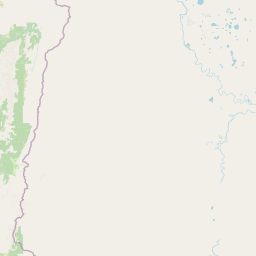
The landscape of Yugyd Va is defined by a remarkable geographic transition that sweeps from flat taiga lowlands to the highest peaks of the Ural Mountains. In the north, the park extends across the Pechora lowland, a broad and gently rolling plain dominated by coniferous forest, peatlands, and slow-moving rivers. Moving south, the terrain begins to rise through the western foothills of the Ural range, where rivers cut deeper into the landscape and ridgelines begin to shape the horizon.
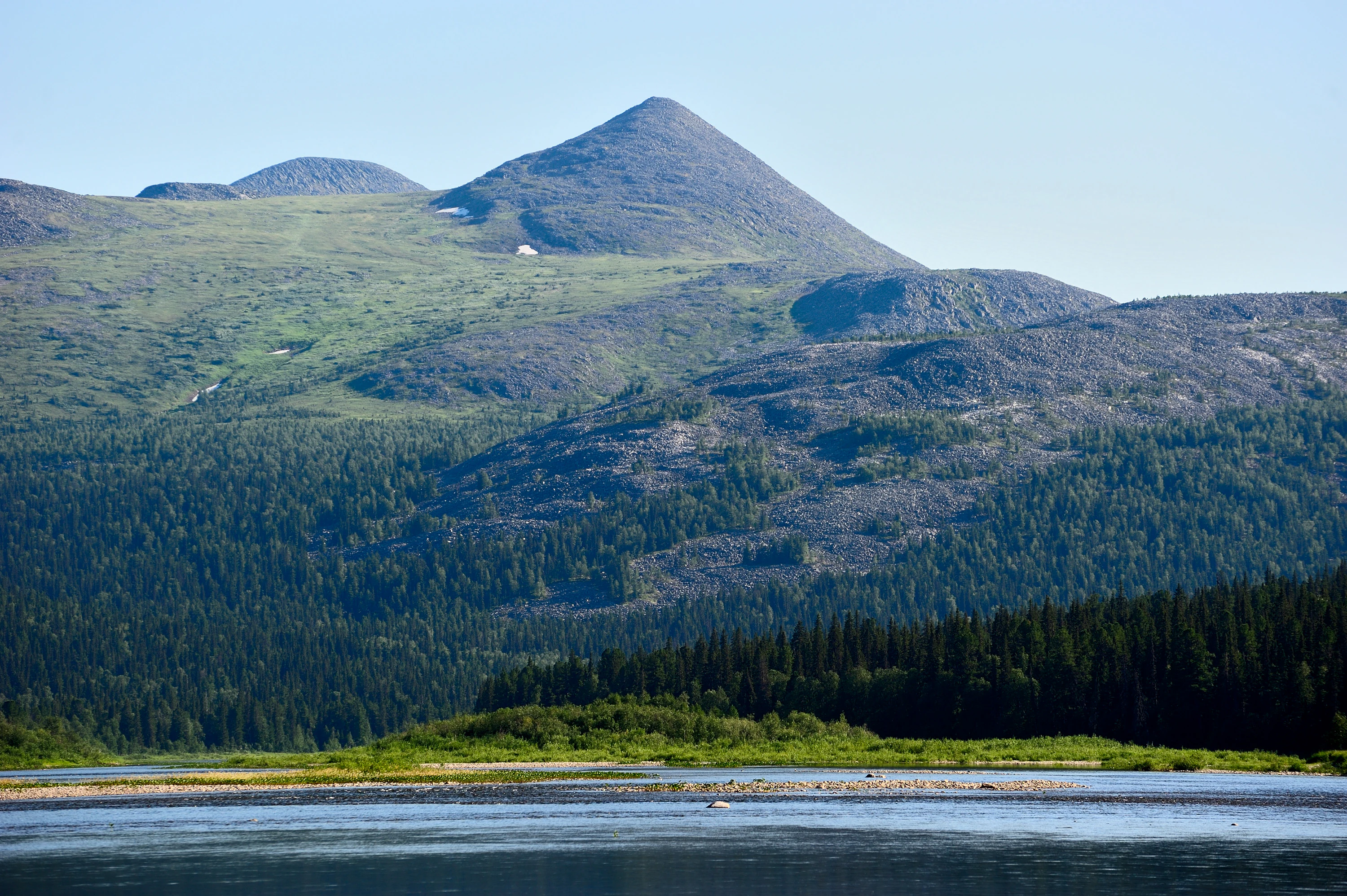
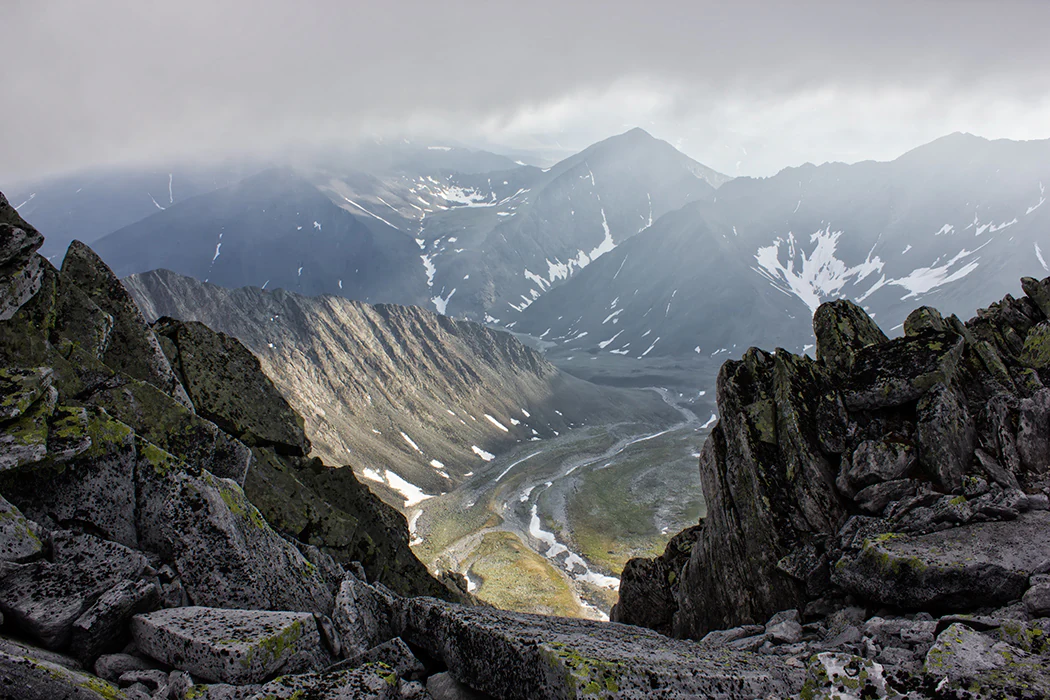
The southern sections of the park occupy the true mountain zone of the Northern and Subpolar Urals. Here, sharp alpine ridges, broad summit plateaus, and deeply incised river valleys create some of the most dramatic scenery in the European part of Russia. The highest peaks of the entire Ural Mountains are concentrated within or near the park's boundaries, including Mount Narodnaya, which is the tallest summit in the range, Mount Telpiz-Iz, and the visually iconic Mount Manaraga, a six-peaked massif that defines the park's silhouette in photographs and on maps.
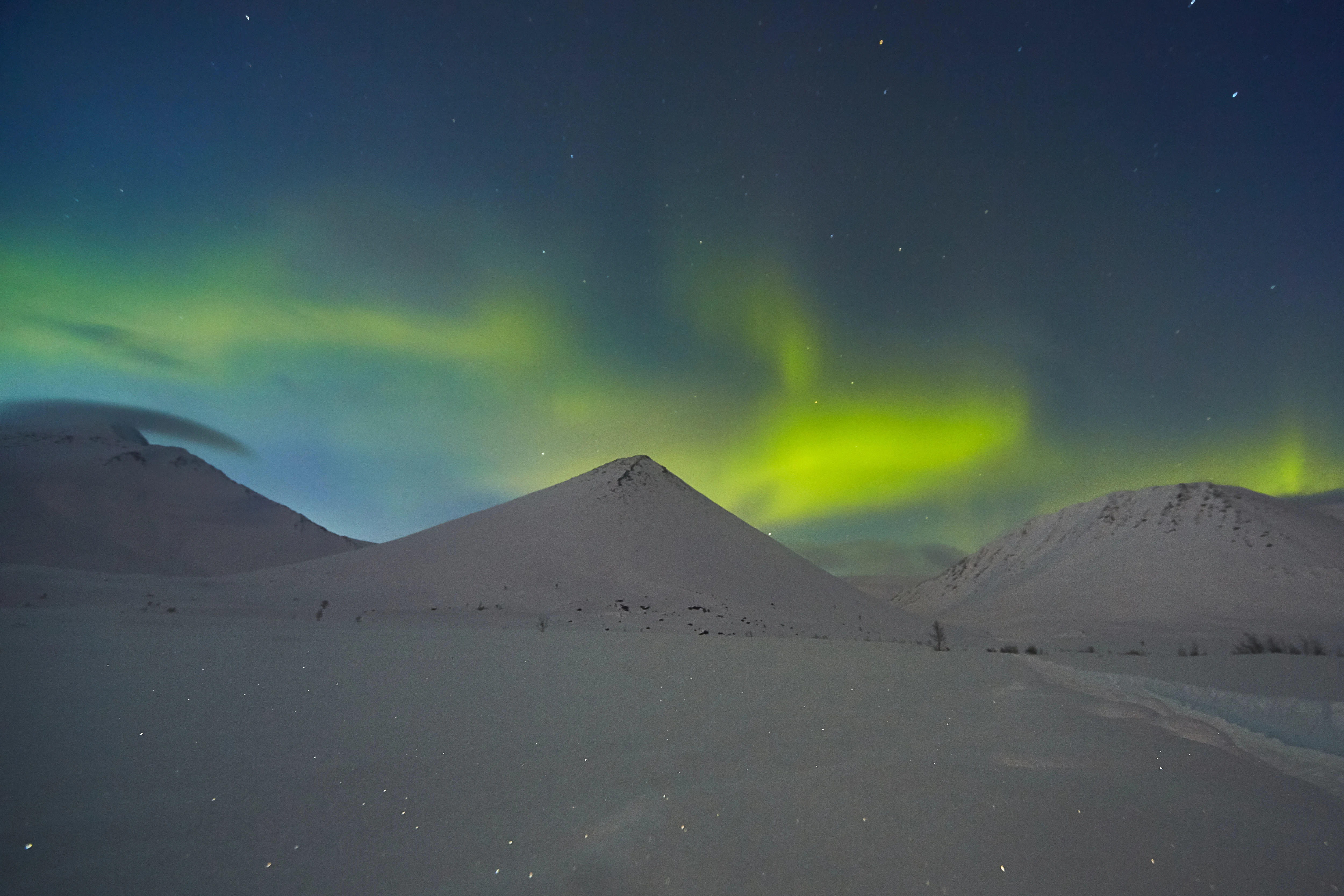
Glacial processes have left a clear imprint on the upland landscape. The park contains 38 glaciers and more than 800 high-mountain lakes, most of which occupy glacial cirques and carved basins. Cold mountain rivers fed by snowmelt and glacial outflow descend rapidly from the high country, carving narrow valleys through schist, limestone, and older sedimentary rocks. Below the tree line, dense coniferous forest cloaks the slopes, while above it, alpine tundra, exposed rock, and boulder fields characterize the open highlands.
Because the park covers nearly 300 kilometers from north to south and includes three distinct orographic zones, the visual character of the landscape shifts significantly between its northern, central, and southern reaches. In the north, visitors encounter vast, flat, waterlogged taiga with quiet, braided rivers. In the center, the foothills begin to interrupt the forest cover and the rivers grow faster and clearer. In the south, the scenery becomes truly mountainous, with vertical relief, exposed bedrock, and seasonal snowfields even in summer.
Yugyd Va National Park ecosystems, habitats, and plant life
Yugyd Va protects an unusually complete ecological gradient within a single protected area. Researchers have identified 16 distinct ecosystem types within its boundaries, reflecting the park's strong vertical zonation and its position at the meeting point of European and Siberian biota. The park's ecosystems range from lowland bogs and peat mires on the Pechora plain through dense dark coniferous taiga dominated by spruce, pine, and fir, into submontane mixed forests, and finally upward into subalpine krummholz, mountain tundra, and alpine meadow communities.
The vegetation of the park is closely tied to elevation and substrate. Lowland pine and spruce forests dominate the northern sections, giving way in the foothills to richer mixed forests with Siberian stone pine and birch. Higher elevations support increasingly sparse vegetation: mountain tundra, lichen heaths, and exposed bedrock communities adapted to short growing seasons and harsh winters. Wetlands, including Sphagnum mires and string bogs, are widespread throughout the lower zones and contribute significantly to the park's hydrological character.
The park's flora is remarkable for the number of rare and relict species it preserves. About 668 vascular plant species have been recorded, of which approximately 120 are considered rare or threatened. Yugyd Va plays a central role in maintaining populations of species listed in the Red Books of both the Russian Federation and the Komi Republic, as well as relict boreal species that have survived since earlier climatic periods. The park also retains an exceptionally intact entomofauna, including assemblages of leafhoppers, butterflies, beetles, and caddisflies that reflect undisturbed ecological communities.
The watershed complexes of the park are especially important ecologically. The upper Pechora basin within Yugyd Va is widely regarded as one of the lowest-disturbance large river catchments remaining in European Russia, with cold, oxygen-rich waters supporting sensitive aquatic fauna. This combination of clean water, intact forest cover, and unbroken altitudinal zonation makes the park a critical reference ecosystem for boreal forest conservation well beyond its own borders.
Yugyd Va National Park wildlife and species highlights
The wildlife of Yugyd Va reflects the park's vastness and ecological completeness, particularly the persistence of large, undisturbed habitats that allow animals sensitive to human activity to thrive. The park supports a full suite of large boreal forest mammals, including moose, wild reindeer, brown bears, wolves, wolverines, lynx, foxes, pine martens, and other characteristic species of the Russian taiga. The populations of reindeer, moose, and forest grouse within the park have been monitored and have shown considerable natural fluctuation, reflecting both healthy ecosystem processes and the challenges of long winters in the region.
Birdlife is another strong element of the park's identity. About 190 bird species have been recorded, including 12 listed in the IUCN Red List and the Red Book of the Russian Federation, and 21 more listed in the Red Book of the Komi Republic. The park's combination of pristine taiga, mountain tundra, and clean rivers provides breeding habitat for a wide range of boreal and arctic species. The park's importance for both resident and migratory birds led to its recognition as a Key Biodiversity Area of international significance.
The rivers and lakes of Yugyd Va support diverse fish populations, with about 16 species documented, including the Siberian grayling, which depends on cold, clean, well-oxygenated water. Aquatic invertebrate communities in the park's rivers are also unusually rich, reflecting the absence of significant industrial pollution. These aquatic systems provide a critical baseline for understanding the health of European boreal river ecosystems.
The insect fauna of the park has been studied in unusual detail, with hundreds of beetle, leafhopper, butterfly, and caddisfly species documented. Several rare butterfly species inhabit the park, including swallowtail and Apollo butterflies, and the diversity of leafhoppers and beetles points to ecological communities that retain their full natural structure. This intact entomological diversity is one of the strongest indicators that the park's boreal forest has not been degraded by human disturbance.
Yugyd Va National Park conservation status and protection priorities
Yugyd Va is among the most ecologically significant protected areas in Russia, and its conservation profile extends well beyond national borders. The park anchors the Virgin Komi Forests UNESCO World Heritage Site and protects the largest intact block of virgin boreal taiga in the European part of Russia, an ecological resource that cannot easily be replaced if lost. Across the park's more than 1.89 million hectares, researchers have documented 16 distinct ecosystem types and an exceptionally high density of rare, relict, and threatened plant species, making it a critical refuge for the genetic and ecological heritage of Eurasian boreal forests.
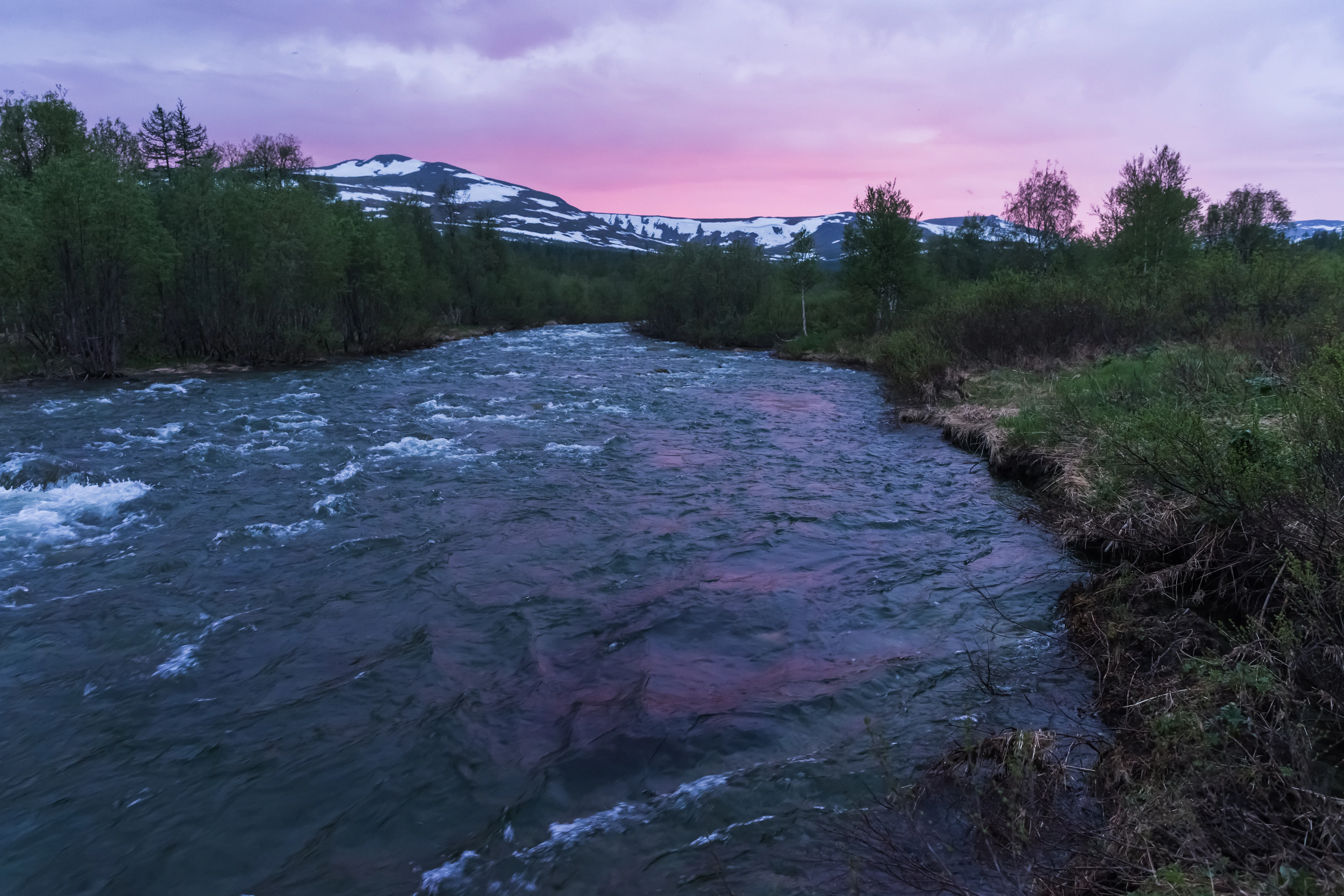
Because the park contains the headwaters of major Pechora tributaries and more than 800 glacial lakes, its conservation significance extends to hydrological systems far beyond its borders. The rivers originating in Yugyd Va feed one of the cleanest large river basins in Northern Europe, and their ecological state directly affects downstream water quality and aquatic biodiversity. Protecting these watersheds is therefore a conservation priority that benefits both the park itself and the wider Komi region.
Yugyd Va's conservation importance has repeatedly brought it into national and international debate, particularly around industrial activities such as gold mining that overlap with its territory. Environmental organizations, scientific institutions, and local communities have repeatedly opposed attempts to alter the park's boundaries to allow resource extraction inside its borders. These debates have highlighted the tension between conservation and regional economic development, and they have elevated Yugyd Va's profile as a touchstone case for protected-area policy in Russia.
Yugyd Va National Park cultural meaning and human context
Beyond its natural significance, Yugyd Va carries meaningful cultural and linguistic context tied to the Komi people, the indigenous population of the surrounding region. The park's very name, Yugyd Va, comes from the Komi language and means "light water," an evocative reference to the clarity of the rivers that define its landscapes. The Komi heritage is closely bound to the park's identity, and traditional land uses such as reindeer herding, fishing, and seasonal migration continue to form part of the broader cultural fabric of the region.
The park also contains numerous geological and archaeological monuments that reflect both natural history and human history. Ancient sea-floor deposits, exposed along cliff faces and rock outcrops, reveal the marine origins of the Ural region, while traces of ancient human settlements and ritual sites reflect the long history of human presence in these mountains. These features give the park an additional cultural layer that complements its ecological significance and contributes to its identity as a place where natural and cultural heritage intersect.
Top sights and standout views in Yugyd Va National Park
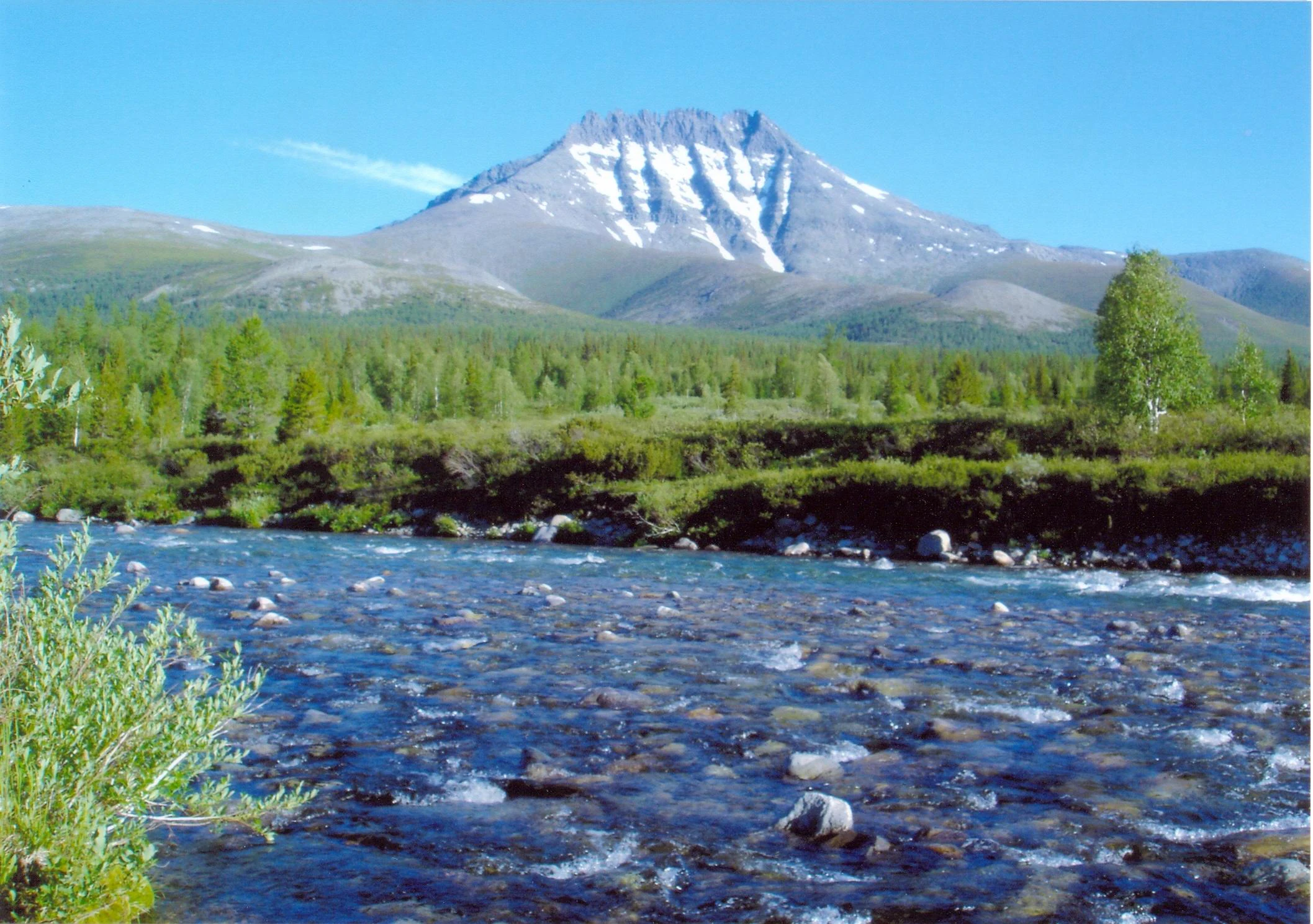
Yugyd Va's standout features include the largest remaining area of untouched virgin taiga in European Russia, an uninterrupted expanse of old-growth boreal forest protected inside a single national park. This alone would place the park among Europe's most important conservation sites, but the park's identity is reinforced by the presence of the highest peaks of the entire Ural Mountains, including Mount Narodnaya and the visually distinct six-peaked Mount Manaraga.
The park's hydrological systems are another defining highlight. More than 800 glacial lakes and a network of mountain rivers feed the upper Pechora, widely considered one of the cleanest large river systems in Northern Europe. Combined with 38 glaciers, diverse altitudinal ecosystems, and a wealth of rare plant and animal species, these features make Yugyd Va a remarkable example of how mountain wilderness and boreal forest can coexist within a single protected landscape.
Best time to visit Yugyd Va National Park
Yugyd Va experiences a strong continental climate with long, cold winters and short but relatively warm summers, and the character of a visit shifts dramatically with the seasons. Summer, roughly from June to early September, is the most accessible period, when mountain rivers are at their clearest, alpine meadows and tundra come into bloom, and the wildlife is most active across the taiga and mountain zones. This window also offers the best conditions for hiking, river travel, and viewing the park's iconic peaks such as Mount Manaraga.
Late summer and early autumn can be particularly rewarding visually, as the boreal forests shift color and the contrast between the dark conifers, the white of the higher peaks, and the first seasonal snow becomes more pronounced. Winter brings severe cold and heavy snow, transforming the park into a quiet, deeply snow-covered wilderness with opportunities for cross-country skiing and wildlife tracking, though access becomes far more limited. Seasonal closures during spawning periods and heightened fire risk also restrict access at certain times of year for ecological protection.