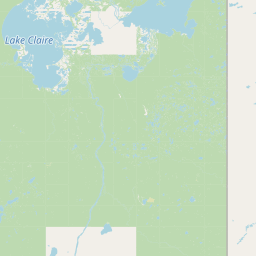
Why Richardson Lake Migratory Bird Sanctuary stands out
Richardson Lake Migratory Bird Sanctuary is best known as a critical waterfowl refuge in the Peace-Athabasca Delta, supporting large concentrations of breeding ducks, spring and autumn staging flocks of geese and swans, and a diverse community of boreal shorebirds, loons, grebes, gulls, and terns. Its combination of open lake habitat, Athabasca River margin, and surrounding boreal wetland makes it a regionally important node for migratory bird conservation in western Canada. The sanctuary is also recognized for its historical connection to J. Dewey Soper, the Canadian naturalist who advocated for its protection, and for its role as a documented example of how Peace River regulation after the W. A. C. Bennett Dam affected wetland-dependent bird habitat in the Athabasca Delta.
Richardson Lake Migratory Bird Sanctuary history and protected-area timeline
The sanctuary was formally established in 1949, at the initiative of the Canadian naturalist J. Dewey Soper, who recognized the lake and its surrounding wetlands as valuable habitat for migratory waterfowl in the Athabasca Delta region. Soper's advocacy for protected-area designation in northern Canada contributed to its inclusion in Canada's early postwar system of Migratory Bird Sanctuaries.
A defining event in the sanctuary's later history was the construction and operation of the W. A. C. Bennett Dam on the Peace River in 1968. The dam altered the natural flow regime of the Peace River and reduced the frequency and magnitude of spring ice-jam floods that had historically replenished wetland habitats downstream in the Athabasca Delta. Average water levels in and around Richardson Lake dropped, with documented negative effects on waterfowl habitat.
In the decades since, the sanctuary has continued to be administered by the Canadian Wildlife Service and has been integrated into broader conservation frameworks. It forms part of the Peace-Athabasca Delta Important Bird Area, recognized by BirdLife International, and overlaps with the Richardson Wildland Provincial Park, which adds a provincial-level protection layer to the surrounding boreal landscape. Together these designations reflect the site's continued importance as a refuge for migratory birds in a landscape that has been significantly affected by upstream water management.
Richardson Lake Migratory Bird Sanctuary landscape and geographic character
The sanctuary's physical setting is defined by a chain of boreal wetlands, open water, and forest along the southern margin of the Athabasca Delta. Richardson Lake itself is a relatively shallow boreal lake, bordered by sedge-dominated marshes, wet meadows, and gently sloping shorelines that transition into upland boreal forest dominated by spruce and other conifers typical of the northern Alberta landscape.
The Athabasca River forms much of the northern boundary of the sanctuary, and its floodplain contributes shallow margins, wet meadows, and riparian shrub communities that interact hydrologically with the lake itself. The surrounding landscape is flat to gently rolling, characteristic of the western boreal plain, with poorly drained soils supporting extensive peatland and muskeg in addition to the more productive wetland margins around the lake.
Hydrology is the dominant shaper of the landscape. Historically, seasonal flooding from the Athabasca and Peace rivers regularly recharged wetland habitat and maintained open water and emergent vegetation across the delta. After the construction of the W. A. C. Bennett Dam in 1968, reduced flood pulses and lower average water levels changed the mosaic of open water, marsh, and shrub wetland in and around the sanctuary, altering shoreline exposure and vegetation succession along the lake margins.
Richardson Lake Migratory Bird Sanctuary ecosystems, habitats, and plant life
Ecologically, Richardson Lake Migratory Bird Sanctuary sits within the boreal wetland zone of northeastern Alberta, where lakes, fens, muskeg, riparian margins, and boreal forest form an interconnected mosaic. The sanctuary captures a representative slice of this system, with shallow open water, sedge and grass marshes, wet shrub margins, and upland coniferous forest all present within its boundaries.
The combination of open water, emergent marsh, shoreline mudflats, and adjacent boreal forest gives the area high habitat heterogeneity for waterfowl and shorebirds. Shallow margins support emergent vegetation used by nesting dabbling ducks and brood-rearing habitat, while open water supports diving ducks, grebes, and loons. Sedge meadows and riparian shrub provide cover and food resources for passerines and small mammals, and the boreal forest fringe supports typical boreal forest species.
The sanctuary's nature is closely tied to the broader Peace-Athabasca Delta, one of the largest inland freshwater deltas in North America. The delta's ecological processes, including spring flooding, ice-jam dynamics, and seasonal water-level fluctuation, shape habitat availability across the sanctuary, and changes in those processes have been reflected in shifts in wetland vegetation and bird habitat over the post-dam period.
Richardson Lake Migratory Bird Sanctuary wildlife and species highlights
The sanctuary is distinguished by its exceptional diversity and abundance of waterbirds, particularly ducks, geese, swans, and shorebirds. Breeding dabbling ducks documented in the area include mallard, northern pintail, American wigeon, northern shoveler, gadwall, blue-winged teal, and green-winged teal, which use the lake margins and sedge meadows for nesting and brood-rearing.
The lake and its wetland margins also serve as important spring and autumn staging habitat for migratory geese and swans, including snow goose, Ross's goose, greater white-fronted goose, and tundra swan, which concentrate in the delta during seasonal migrations. Additional waterbird species regularly observed in the sanctuary include American bittern, Wilson's snipe, spotted sandpiper, lesser yellowlegs, common loon, horned grebe, and red-necked grebe.
During the summer months, the sanctuary hosts a wide range of shorebirds, gulls, and terns. Documented summer visitors include semipalmated sandpiper, spotted sandpiper, ring-billed gull, California gull, Franklin's gull, mew gull, Bonaparte's gull, common tern, Arctic tern, Caspian tern, and black tern. The richness of breeding waterfowl combined with migratory staging concentrations makes the site regionally important for waterfowl monitoring and conservation in western Canada.
Richardson Lake Migratory Bird Sanctuary conservation status and protection priorities
As a federally designated Migratory Bird Sanctuary, Richardson Lake is protected primarily for its value to migratory bird populations. The sanctuary provides regulated protection of nesting, staging, and migratory habitat for waterfowl and other migratory birds, restricting activities that could disturb birds or damage their habitat. Its designation places it within Canada's broader Migratory Birds Convention Act framework.
The sanctuary has heightened conservation significance because of its position within the Peace-Athabasca Delta Important Bird Area, recognized by BirdLife International for its globally important congregations of waterfowl and shorebirds. The overlapping Richardson Wildland Provincial Park extends protection beyond the federal sanctuary boundary to the surrounding boreal landscape, providing additional protection for upland and riparian habitats that complement the lake and wetland core.
Conservation concern at the site is strongly linked to hydrological change. The construction of the W. A. C. Bennett Dam in 1968 reduced flood pulses and average water levels in the Athabasca Delta, with documented negative effects on waterfowl habitat around Richardson Lake. The sanctuary therefore serves both as an active refuge for migratory birds and as a long-term reference site for understanding how large-scale flow regulation affects boreal wetlands and their dependent bird populations.
Top sights and standout views in Richardson Lake Migratory Bird Sanctuary
Richardson Lake Migratory Bird Sanctuary stands out as a boreal waterfowl sanctuary established in 1949 at the initiative of naturalist J. Dewey Soper, anchoring a key portion of the Peace-Athabasca Delta and recognized by BirdLife International as an Important Bird Area. Its layered protection, combining federal Migratory Bird Sanctuary status with the Richardson Wildland Provincial Park, makes it a notable example of overlapping conservation designations in northern Alberta.
Its exceptional breeding dabbling duck diversity, significant spring and autumn use by snow geese, Ross's geese, white-fronted geese, and tundra swans, and documented suite of loons, grebes, shorebirds, gulls, and terns, give the sanctuary a strong waterbird identity. The post-1968 hydrological changes linked to the W. A. C. Bennett Dam add a distinctive conservation history, making the site important both ecologically and as a case study in large-river management and boreal wetland protection.
Best time to visit Richardson Lake Migratory Bird Sanctuary
The sanctuary lies in a remote northern boreal setting and is primarily a protected-area designation rather than a developed visitor destination, so visit possibilities depend largely on access via Fort Chipewyan and regional routes. Seasonally, late spring through early autumn is the most relevant window for observing active bird life, as breeding waterfowl are present on the lake and surrounding marshes through summer.
Spring and autumn are particularly significant for waterfowl, when large numbers of ducks, geese, and swans use the sanctuary and the broader Peace-Athabasca Delta as staging habitat during migration. Summer brings breeding activity and the presence of diverse shorebirds, gulls, and terns. Winter conditions are harsh in this part of northeastern Alberta, with long, cold seasons and limited accessibility, which generally makes the warmer months the practical period for any bird-focused visit or observation.