Why Al Shouf Cedar Nature Reserve stands out
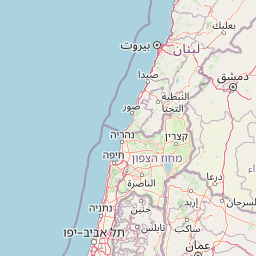
Al Shouf Cedar Nature Reserve is most renowned for its ancient Lebanon cedar forests, which are among the oldest documented forests in human history, traceable to Sumerian records from the third millennium BC. The reserve forms the last natural stronghold of Cedrus libani on the planet, representing a living connection to one of history's most celebrated trees. Beyond the cedars, the reserve is distinguished by its remarkable biodiversity concentration in a relatively compact Mediterranean highland area, featuring a mix of European, African, and Asian bird species, as well as significant populations of gray wolves, Syrian brown bears, Persian fallow deer, and the recently reintroduced Nubian ibex. The dramatic limestone topography with its caves, cliffs, and seasonal water systems adds geological significance to the ecological importance.
Al Shouf Cedar Nature Reserve history and protected-area timeline
The Al Shouf Cedar Nature Reserve was formally established in 1996, representing the culmination of growing recognition of the need to protect Lebanon's remaining cedar forests and the broader Mediterranean ecosystem of the Mount Lebanon slopes. The cedar forests of this region are among the oldest continuously documented forests in the world, with records dating back to Sumerian civilization in the third millennium BC. These forests were celebrated in ancient texts, featured in the Epic of Gilgamesh, and were exploited by successive civilizations including Phoenicians, Romans, and Ottomans for their valuable timber. By the late twentieth century, the cedar forests had been dramatically reduced from their historical extent, making protected status essential for the survival of Cedrus libani in its natural environment. The establishment of the reserve built upon earlier conservation efforts while expanding protection to encompass the entire Barouk mountain ecosystem including non-cedar forests, wildlife habitats, and watersheds. The reserve management has undertaken active reforestation programs, particularly in areas that had been deforested, with encouraging results showing the cedar forests' capacity for natural regeneration without human intervention. More recently, the reserve has engaged in species reintroduction efforts, notably the Nubian ibex program that brought individuals from Jordan to restore a species that had become extinct in Lebanon by the mid-twentieth century.
Al Shouf Cedar Nature Reserve landscape and geographic character
The Al Shouf Cedar Nature Reserve is characterized by a dramatic limestone mountain landscape forming part of the Mount Lebanon range. The Barouk mountain comprises Pliocene-era rocks that have undergone significant tectonic activity, creating the parallel mountain systems of Mount Lebanon and the Anti-Lebanon separated by the Beqaa Valley. The entire Barouk mountain mass is composed of cavernous limestone, with numerous surface karst features including dolines that reveal the extensive underground cave systems beneath. One particularly notable cave near the village of Niha extends approximately 700 meters in length. The highest peak in the reserve reaches 1,980 meters, providing dramatic relief and panoramic views across the Lebanese highlands. The terrain is characterized by steep slopes, rocky outcrops, and deep valleys carved by seasonal streams. The limestone bedrock is highly permeable, allowing precipitation to infiltrate rather than flow across the surface, resulting in complex hydrology with springs emerging on lower slopes and underground rivers that ultimately feed surface water systems including the Al-Barouk and Al-Safa rivers. The landscape supports a mosaic of vegetation zones that change with elevation, from agricultural terraces in lower areas through oak and pine forests to the iconic cedar stands at higher elevations.
Al Shouf Cedar Nature Reserve ecosystems, habitats, and plant life
The ecological character of Al Shouf Cedar Nature Reserve reflects its position at the intersection of Mediterranean and mountainous biogeographic zones. The reserve encompasses several distinct habitat types, with the Lebanon cedar forests representing the most ecologically and culturally significant. These cedar stands exist alongside mixed forests of Cyprus oak, Brant''s oak, kermes oak, Calabrian pine, Aleppo pine, stone pine, Greek juniper, and Syrian juniper. The vegetation includes 500 identified plant species distributed across 61 families, with 25 species classified as threatened at national or international levels, 48 endemic to Lebanon or the broader region of Lebanon and Syria or Turkey, and 14 classified as rare. An additional 214 species are restricted to the Eastern Mediterranean or broader Middle East, reflecting the reserve''s significance as a center of endemism. The Mediterranean climate brings approximately 1,200 mm of annual rainfall, with mean temperatures ranging from -0.6°C in January to 23.4°C in August, supporting the diverse plant communities. The forests serve critical ecosystem functions including carbon sequestration and soil stabilization on the steep terrain, while the network of caves and underground waterways supports specialized communities adapted to subterranean conditions.
Al Shouf Cedar Nature Reserve wildlife and species highlights
The mammalian fauna of Al Shouf Cedar Nature Reserve includes 32 documented species, representing a remarkable concentration of wildlife for a Mediterranean protected area. Predators include the gray wolf, golden jackal, red fox, and the Syrian brown bear, a subspecies of brown bear that persists in the region. Wild goats and the reintroduced Nubian ibex occupy the rocky terrain, while Persian fallow deer and roe deer inhabit the forest zones. Smaller mammals include the beech marten, European badger, Cape hare, Caucasian squirrel, Middle East blind mole-rat, and Indian porcupine. The bird fauna is exceptionally diverse, with 200 species documented including 19 considered rare at the national level. The reserve supports both resident species and migratory populations, hosting birds with European, African, and Asian affinities. Notable species include griffon vulture and golden eagle among birds of prey, while the diverse songbird community includes Eurasian jay, blackbird, common redstart, common chaffinch, and European goldfinch. The reptile fauna comprises 26 species, including two that are endemic to Lebanon and the Chouf area specifically. Amphibian diversity is similarly remarkable, with four species representing nearly the entire Lebanese amphibian fauna, including the Near Eastern fire salamander and several species of toads and frogs.
Al Shouf Cedar Nature Reserve conservation status and protection priorities
Al Shouf Cedar Nature Reserve represents one of the most significant conservation areas in the Eastern Mediterranean, protecting both the last natural populations of Lebanon cedar and a broad cross-section of Mediterranean biodiversity. The reserve''s designation as an Important Bird Area acknowledges its critical role for bird populations, particularly migratory species that use the area as a breeding ground or passage corridor. The forests function as important carbon sinks, helping to regulate atmospheric carbon dioxide levels while simultaneously stabilizing soils on the steep slopes and protecting watersheds that supply water to surrounding communities. Conservation challenges include managing the tension between ecological protection and the traditional use of resources by local communities, addressing the impacts of climate change on Mediterranean ecosystems, and ensuring the long-term viability of species populations. The reserve management has implemented reforestation programs that have demonstrated the cedar forests'' capacity for natural regeneration, a positive sign for long-term conservation. The Nubian ibex reintroduction project represents an ambitious effort to restore species diversity lost in the mid-twentieth century, drawing on successful conservation models from Jordan where viable populations persist.
Al Shouf Cedar Nature Reserve cultural meaning and human context
The cedar forests of Al Shouf exist within a landscape deeply intertwined with human history and cultural heritage. The Lebanon cedar is one of the oldest documented trees in human history, mentioned in Sumerian texts from the third millennium BC and featured prominently in the Epic of Gilgamesh. These forests thus represent not merely ecological resources but living connections to the earliest written records of human civilization. The reserve encompasses several significant cultural landmarks, including the cave castle of Qalaat Niha, a fortress that served successive powers from Arabs through Crusaders to Druze princes and is associated with the history of Prince Fakhreddin II. The shrine of El Nabi Ayoub honors the prophet Job and contains relics believed to be housed in a feretory built on the hill above Niha village. Qab Elias Castle, also known as Fakhreddine Fortress, was constructed around 1625 by Emir Fakhreddine II Maan as a strategic outpost controlling the road between Beirut and Damascus. The reserve area is predominantly inhabited by Druze communities whose relationship with the landscape spans centuries, with figures like Mazar El Sit Cha'wane, a virtuous woman in Druze tradition, commemorated by religious structures within the reserve.
Top sights and standout views in Al Shouf Cedar Nature Reserve
Al Shouf Cedar Nature Reserve offers visitors the opportunity to experience the last natural populations of Lebanon cedar, one of history's most celebrated trees, in a dramatic Mediterranean mountain setting. The reserve's extensive trail network allows exploration of cedar forests, limestone peaks, and karst caves including the notable system near Niha. Wildlife viewing opportunities include chance encounters with gray wolves, Syrian brown bears, Persian fallow deer, and the reintroduced Nubian ibex, while the bird community features both resident and migratory species including griffon vultures and golden eagles. Cultural heritage sites including the cave castle of Qalaat Niha, the shrine of El Nabi Ayoub, and the Fakhreddine Fortress add historical depth to the natural experience. The reserve's size, representing over five percent of Lebanese territory, provides ample space for immersive exploration of diverse ecosystems from lower slopes through oak and pine forests to the cedar zones and summit terrain.
Best time to visit Al Shouf Cedar Nature Reserve
The optimal time to visit Al Shouf Cedar Nature Reserve depends on the experience sought, with each season offering distinct advantages. Spring, from March through May, brings moderate temperatures, blooming wildflowers, and active wildlife as animals emerge from winter dormancy, making this an excellent time for nature observation and hiking. Autumn, particularly September and October, offers pleasant temperatures, clear skies, and the opportunity to see the cedar forests as they enter their autumn dormancy period. Summer months can be warm at lower elevations but provide the most reliable access to higher trail areas, though afternoon thunderstorms are possible. Winter transforms the landscape with snow at higher elevations, creating dramatic scenery but potentially limiting access to some trails; the 50 to 55 days of annual snowfall means winter visits require preparation for cold conditions but reward with solitude and stark beauty. The reserve is accessible year-round for general visits, though specific activities or trail sections may have seasonal access considerations.