Why Ankarafantsika National Park stands out
Ankarafantsika is best known for its exceptional concentration of endemic wildlife, particularly its populations of lemurs and the critically important dry forest habitat. The park supports eight species of lemurs, including mouse lemurs among the world's smallest primates, and provides crucial protection for the greater big-footed mouse, a rodent species known only from this area and its immediate surroundings. The bird fauna is equally remarkable, with 129 species recorded including the endangered Madagascar fish eagle and Madagascar heron, both regularly observed around Lake Ravelobe. The park also protects rare reptiles including the Madagascan big-headed turtle and several endemic chameleon species.
Ankarafantsika National Park history and protected-area timeline
Ankarafantsika's protection history began in 1927 when the area was established as a nature reserve, reflecting early recognition of the region's ecological significance. For many decades, the protected area existed as two separate forest blocks positioned on either side of the national Route 4 road. In 2002, these two units were formally consolidated to create a single national park, expanding the scope of protection and simplifying management. The park is governed by Madagascar National Parks, the country's primary protected area management authority. In 2017, the park gained additional recognition through Ramsar Convention designation as a Wetland of International Importance, specifically acknowledging the significance of the lakes and associated wetland habitats within the park boundaries.
Ankarafantsika National Park landscape and geographic character
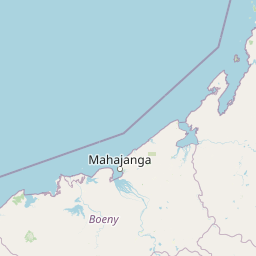
The physical landscape of Ankarafantsika National Park features a diverse topography characterized by dry tropical forest covering the more elevated terrain, transitioning into savannah grasslands and scrubland in lower-lying areas. The park sits within a region defined by two major river systems: the Betsiboka River marks the western boundary while the Mahajamba River forms the eastern edge. Several lakes and seasonal water bodies are scattered throughout the park, with Lake Ravelobe being the most significant. The forest areas consist of patches of thick, intact canopy interspersed with more degraded or less dense vegetation. Rocky sandstone outcrops emerge in places, while some areas have been historically impacted by agriculture and remain as cultivated land or disturbed scrub. The overall impression is of a semi-natural landscape where intact forest and more open habitats form a complex mosaic.
Ankarafantsika National Park ecosystems, habitats, and plant life
The ecological character of Ankarafantsika is defined by Madagascar's dry deciduous forest ecosystem, one of the island's most threatened habitat types. Over 800 plant species have been recorded within the park, the majority of which are endemic to Madagascar, reflecting the island's extraordinary level of biodiversity and endemism. The forest structure supports a complex多层 of ecological niches, from the canopy to the forest floor. The presence of multiple lake systems adds aquatic and wetland habitats to the terrestrial forest environments, creating ecological diversity within the protected area. The ecosystem supports significant populations of native wildlife despite the surrounding landscape being heavily modified by human activity. The Ramsar designation acknowledges the wetland components as internationally significant habitats, particularly for waterbirds and aquatic reptiles.
Ankarafantsika National Park wildlife and species highlights
Ankarafantsika supports an exceptional array of wildlife, with particular significance attached to its lemur populations. Eight species of lemurs inhabit the forest, including species of mouse lemurs representing the world's smallest primates. The greater big-footed mouse, a recently described rodent species, is known only from Ankarafantsika and surrounding areas, making the park critical for the survival of this endemic species. The reptile fauna includes ten amphibian species and 44 reptile species, among them the rare Madagascan big-headed turtle, rhinoceros chameleon, dwarf chameleon, and two ground-dwelling boa species. Birdlife is exceptionally diverse with 129 species recorded, more than half of which are endemic to Madagascar. Notable species include Van Dam's vanga, rufous vanga, banded kestrel, and the endangered Madagascar fish eagle, which can regularly be observed at Lake Ravelobe along with the Madagascar heron.
Ankarafantsika National Park conservation status and protection priorities
Ankarafantsika National Park plays a crucial role in conserving Madagascar's biodiversity, protecting what remains of the island's dry forest ecosystem which has been heavily cleared for agriculture and charcoal production. The park's Ramsar designation emphasizes the international importance of its wetland habitats, particularly for migratory waterbirds and endemic aquatic species. The protection of the greater big-footed mouse within the park is especially significant as this species is found nowhere else in the world. Similarly, the concentration of endemic bird species, including several considered threatened, makes the area a priority for conservation efforts. The park represents a living laboratory for studying Madagascar's unique evolutionary heritage and provides ecosystem services including watershed protection and carbon storage.
Ankarafantsika National Park cultural meaning and human context
The Sakalava people are the predominant ethnic group residing within and around Ankarafantsika National Park, maintaining traditional patterns of land use and agricultural practice in the region. Their presence within the park boundary includes areas of cultivated land where they practice subsistence farming, creating a cultural landscape that intersects with the protected ecosystem. The Sakalava are historically one of Madagascar's major ethnic groups, with their traditional territory spanning much of the western coastal region. Understanding the relationship between the local communities and the protected area is important for effective park management and long-term conservation success.
Top sights and standout views in Ankarafantsika National Park
Ankarafantsika offers visitors the opportunity to encounter Madagascar's endemic wildlife in one of the island's most accessible forest reserves. The chance to observe multiple lemur species, including the tiny mouse lemurs, provides a unique wildlife experience. Lake Ravelobe serves as a reliable location for spotting the Madagascar fish eagle and Madagascar heron, while the forest trails reveal chameleons, endemic birds, and the rare greater big-footed mouse. The park's size and habitat diversity allow for multi-day explorations with guided walks through both dense forest and more open savannah zones. The combination of terrestrial and wetland habitats within a single protected area creates a multifaceted destination for nature enthusiasts.
Best time to visit Ankarafantsika National Park
The optimal period for visiting Ankarafantsika National Park falls during the dry season from April through October, when weather conditions are most comfortable for outdoor exploration and wildlife viewing is facilitated by reduced vegetation density. During this season, animals tend to congreg more readily around remaining water sources, making Lake Ravelobe particularly productive for observing waterbirds and aquatic species. The wet season from November through March brings higher temperatures and heavier rainfall, which can make trail conditions challenging and wildlife more difficult to locate. However, the wet season transforms the landscape with lush vegetation and may offer different wildlife viewing opportunities. The park can be visited year-round, but the dry season months generally provide the most reliable conditions for wildlife observation and hiking.