Why Arli National Park stands out
Arli National Park is best known for its significant populations of large mammals, particularly the approximately 200 African elephants that roam its savanna and forest habitats, and the approximately 100 lions that represent the West African lion subspecies. The park's gallery forests along the Arli and Pendjari rivers support hippo populations of around 200 individuals, with notable congregations at pools like Tounga where up to twenty hippos can be observed at waterholes. The park is also recognized for its role in the transboundary W-Arly-Pendjari Complex, a UNESCO World Heritage Site that represents one of West Africa's most important conservation landscapes.
Arli National Park history and protected-area timeline
Arli National Park was established in 1954 as a protected reserve, representing one of Burkina Faso's earliest conservation designations. The park's formal establishment reflected growing post-colonial interest in protecting West Africa's natural heritage and wildlife populations. Over the following decades, the park's status evolved, and it became integrated into the broader W-Arly-Pendjari Complex approach to transboundary conservation. The 1993 delegation of park management to NATURAMA marked a significant shift toward community-based conservation and local NGO involvement in protected area management in Burkina Faso. The park gained additional international recognition when the W-Arly-Pendjari Complex was inscribed as a UNESCO World Heritage Site in 1996, with an extension in 2017. The Ramsar designation in 2009 further cemented the park's international significance, recognizing its wetland habitats under the Convention on Wetlands of International Importance.
Arli National Park landscape and geographic character
The landscape of Arli National Park is characterized by a diverse mix of ecosystems that create a visually varied terrain across its 760 square kilometer extent. The gallery forests along the Arli and Pendjari rivers form dense corridors of vegetation that contrast sharply with the surrounding savanna, creating a distinctive pattern of forest-lined watercourses cutting through open woodland. The savanna woodland areas dominate much of the park, featuring scattered trees and shrubs across rolling grassland that provides optimal viewing conditions for wildlife. In the western portions of the park, the sandstone hills of the Gobnangou chain rise above the surrounding plains, offering more rugged terrain and varied rock formations. The park contains several permanent pools and seasonal waterholes, with Tounga being particularly notable as a reliable water source that attracts concentrations of hippos and other wildlife during the dry season.
Arli National Park ecosystems, habitats, and plant life
The ecological character of Arli National Park reflects its position in the Sudanian zone of West Africa, with a blend of forest and savanna habitats that supports remarkable biodiversity. The gallery forests along the major rivers represent the most biologically dense habitats, providing shelter, food, and movement corridors for forest-dependent species. These narrow strips of dense vegetation contrast with the broader savanna woodlands that occupy the majority of the park's area, where grass-dominated understories support grazers and the scattered trees provide browse for browsers. The park's wetland areas, including the rivers and permanent pools, form critical ecological anchors that sustain water-dependent species throughout the year, particularly during the long dry season. The Ramsar designation acknowledges these wetland systems as internationally significant, recognizing their role in supporting biodiversity and ecological processes.
Arli National Park wildlife and species highlights
Arli National Park supports significant populations of large mammals that represent the park's primary wildlife interest. The approximately 200 African elephants represent a substantial population that roams both the forest and savanna habitats, though the species faces ongoing pressure across its range in West Africa. The lion population of approximately 100 individuals represents an important stronghold for the West African lion subspecies, which is considered regionally vulnerable. Hippos numbering around 200 individuals concentrate around the park's permanent pools, with Tounga supporting particularly large congregations of up to twenty hippos at any given time. The park also supports populations of buffaloes, various antelope species including western hartebeest, roan antelope, bushbucks, duikers, and waterbuck. Primates are well represented with baboons, red monkeys, and green monkeys common throughout the park. Warthogs and other smaller mammals round out the mammalian fauna. Historically, the park supported populations of West African wild dog, though this canid has likely been locally extirpated due to human population expansion and inadequate protection.
Arli National Park conservation status and protection priorities
Arli National Park plays a critical role in regional conservation efforts as part of the W-Arly-Pendjari Complex, which represents one of West Africa's largest and most important protected area networks. The UNESCO World Heritage designation underscores the global significance of this transboundary landscape, which provides critical habitat for elephants, lions, and other flagship species. The Ramsar designation since 2009 acknowledges the international importance of the park's wetland habitats, particularly the river systems and pools that support hippos and provide dry-season water for wildlife. Management by NATURAMA since 1993 has provided continuity of conservation attention, though the park faces challenges from expanding human populations in the surrounding region. The park's position adjacent to Pendjari National Park in Benin and the Singou Reserve in Burkina Faso creates important connectivity for wildlife movements across the broader landscape.
Arli National Park cultural meaning and human context
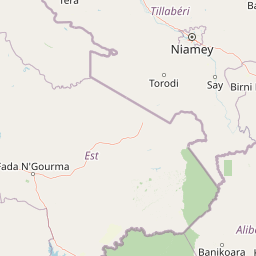
Arli National Park is situated in Tapoa Province in southeastern Burkina Faso, a region characterized by rural communities whose traditional livelihoods involve agriculture and livestock husbandry. The park's establishment in 1954 introduced formal protection to a landscape that had long been used by local communities for various purposes. The delegation of management to NATURAMA in 1993 reflected a growing recognition of the importance of community engagement in conservation, though specific details about indigenous or traditional land use within the park are limited in available sources. The park's proximity to Benin creates a transboundary dimension that has implications for both conservation management and local communities across the international border.
Top sights and standout views in Arli National Park
The standout features of Arli National Park include its substantial elephant and lion populations, the dramatic congregations of hippos at pools like Tounga, and the scenic contrast between gallery forests and savanna landscapes. The park's inclusion in the W-Arly-Pendjari Complex and its UNESCO World Heritage status distinguish it as a globally significant conservation area. The Ramsar designation adds recognition for the park's wetland values. Visitors accessing the park via the N19 highway through Diapaga can experience a range of habitats within a relatively compact area, with the gallery forests providing particularly memorable wildlife viewing opportunities along the river courses.
Best time to visit Arli National Park
The optimal time to visit Arli National Park falls during the dry season, typically from November through April, when wildlife congregates more predictably around the remaining water sources and vegetation is less dense, improving visibility. The dry season conditions allow for access via the N19 highway through Diapaga, with the additional dry-season route via Pama also available. During this period, the hippos at Tounga and other pools are more easily observed as water becomes scarcer in the surrounding landscape. The wet season from May through October brings lusher vegetation and greener landscapes but can make wildlife viewing more challenging and may affect road accessibility within the park.