

Mori Atlas logo
National parkBale Mountains National Park

Discover the mapped boundaries and regional setting of this significant Ethiopian national park.

Bale Mountains National Park: National Park Protected Landscape Identity and Geographic Context

Bale Mountains National Park represents a key protected area within the Bale Zone of Ethiopia, offering a significant focus for atlas-based geographic discovery. This national park designation highlights a distinct protected landscape, providing essential context for understanding its mapped boundaries and regional natural terrain. Explore how this protected area contributes to the broader geographic tapestry of the region, serving as a critical entity for those charting natural landscapes and conservation areas.

Afro-alpine ecosystemEthiopian highlandsEndemic wildlifeUNESCO World Heritage SiteMountain conservationAfromontane forest

Bale Mountains National Park

National park

Park overview

Structured park overview, official facts, and landscape profile for Bale Mountains National Park

Bale Mountains National Park park facts, protected area profile, and essential visitor context
Review the core facts for Bale Mountains National Park, including designation, size, terrain, visitor scale, habitats, and operating context in one park-focused overview.

About Bale Mountains National Park

Bale Mountains National Park occupies a distinctive position in Ethiopia's protected area network as the largest high-altitude protected area in the country and one of the most ecologically significant in Africa. The park's location in the Bale Zone of Oromia Region places it within the broader Ethiopian Highlands, a mountain system that has acted as a crucial refuge for species throughout climatic oscillations, resulting in extraordinarily high levels of endemism. The landscape is defined by dramatic altitudinal gradation, with the Harenna Forest representing a relatively intact example of Ethiopian montane forest that has been significantly reduced elsewhere in the country. Above the forest, the Sanetti Plateau supports Afro-alpine vegetation communities that are restricted to the highest elevations of East African mountains. The park's conservation significance was recognized internationally through its inscription on the UNESCO World Heritage List in 2023, acknowledging both its natural value and the challenge of preserving this unique ecosystem while supporting the livelihoods of local communities who inhabit the surrounding areas.

Quick facts and research context for Bale Mountains National Park

Bale Mountains National Park is located roughly 400 kilometers southeast of Addis Ababa in the Bale Zone of Oromia Region, Ethiopia. The park covers an area of approximately 2,150 square kilometers and was established in 1970 under the management of the Ethiopian Wildlife Conservation Authority. Elevations range from around 1,500 meters in the Harenna Forest to 4,385 meters at Mount Tullu Dimtu, with much of the park situated above 3,000 meters. The park features Africa's largest contiguous Afromontane habitat and contains numerous glacial lakes. The rainy season occurs from May through November, with significant temperature variation by elevation.

Park context

Deeper park guide and search-rich context for Bale Mountains National Park

Bale Mountains National Park history, landscape, wildlife, and travel context
Explore Bale Mountains National Park through its history, landscape character, ecosystems, wildlife, conservation priorities, cultural context, and seasonal travel timing in a structured park guide built for atlas discovery and search intent.

Why Bale Mountains National Park stands out

Bale Mountains National Park is best known for its extraordinary endemism and the critically endangered Ethiopian wolf, which survives in significant populations within the park's Afro-alpine zones. The park is also renowned for the Mountain nyala, a large antelope found nowhere else, and the Harenna Forest, one of the last remaining intact montane forests in Ethiopia. The Sanetti Plateau represents a unique Afro-alpine environment with endemic plant communities adapted to harsh high-elevation conditions. The park's 16 endemic bird species, including the blue-winged goose and spot-breasted lapwing, make it a destination of exceptional importance for ornithologists. Its 2023 UNESCO World Heritage inscription recognizes its global significance as a biodiversity hotspot.

Bale Mountains National Park history and protected-area timeline

Bale Mountains National Park was established in 1970 as part of Ethiopia's expanding network of protected areas during a period when the country was developing its national park system. The park was initially managed under the Ethiopian Wildlife Development and Conservation Authority, which later became the Ethiopian Wildlife Conservation Authority. Following its establishment, the park received relatively limited international attention compared to other Ethiopian protected areas such as the Simien Mountains, but its ecological significance became increasingly apparent as biological surveys documented its exceptional biodiversity. The park was nominated to the UNESCO World Heritage Tentative List in 2009, initiating a lengthy process of documentation and assessment that culminated in successful inscription in 2023. The designation came amid ongoing challenges including habitat fragmentation, human-wildlife conflict, and the pressures of population growth in the surrounding Bale Zone, which has approximately 1.5 million inhabitants.

Bale Mountains National Park landscape and geographic character

The Bale Mountains National Park presents a dramatic landscape defined by dramatic elevation changes and distinct ecological zones. The Bale Mountains form a high volcanic massif in southeastern Ethiopia, with the Sanetti Plateau representing the most elevated terrain, characterized by broad, flat expanses above 4,000 meters dotted with glacial lakes. Mount Tullu Dimtu rises to 4,385 meters as the highest point in the park and the second-highest peak in Ethiopia. The Harenna Forest covers substantial areas at lower elevations, a relatively intactmontane forest ecosystem that contrasts sharply with the alpine zones above. The landscape features numerous drainage patterns feeding streams that descend through the various habitat zones, creating diverse microenvironments. Valleys such as Gaysay Valley provide important lowland habitat within the park boundaries, while the overall terrain is characterized by steep ridgelines, rocky outcrops, and the characteristic vegetation zones that follow the elevation gradient.

Bale Mountains National Park ecosystems, habitats, and plant life

The park's ecological significance stems from its position within the Afromontane biome, which harbors exceptional biodiversity due to the historical isolation of African highland environments. The Afromontane habitats within Bale Mountains represent the largest continuous area of this ecosystem type in Africa, supporting vegetation communities that have evolved in isolation from other mountain systems. The Harenna Forest contains valuable species including wild forest coffee, an economically important wild relative of cultivated coffee, as well as numerous medicinal plants. The Sanetti Plateau supports specialized Afro-alpine vegetation adapted to high altitude conditions including low temperatures, strong winds, and intense solar radiation. The park's position within the Ethiopian Highlands places it at a biogeographic crossroads, allowing elements from multiple regional faunal assemblages to persist. Three medicinal plant hotspots have been identified within the park, particularly in the Gaysay and Angesu areas, reflecting the ongoing importance of these ecosystems to local communities.

Bale Mountains National Park wildlife and species highlights

Bale Mountains National Park supports remarkable mammalian diversity, most notably the Ethiopian wolf, one of the rarest canids in the world with the majority of the global population found within this park. The Mountain nyala, a large endemic antelope, is found throughout the montane grasslands and forest edges. The rodent community comprises 47 species that function as keystone species on the Afro-alpine plateau, supporting predator populations. The mammal fauna also includes Menelik's bushbuck, common duiker, klipspringer, Bohor reedbuck, Ethiopian highland hare, honey badger, warthog, spotted hyena, serval, and the Bale Mountains vervet. The Harenna Forest supports additional species including African golden wolf, giant forest hog, mantled guereza, lion, African leopard, and African wild dog. The avifauna includes over 282 bird species, with 16 endemic to Ethiopia, representing one of the most important bird areas in Africa. Notable endemic species include blue-winged goose, spot-breasted lapwing, yellow-fronted parrot, Abyssinian longclaw, Abyssinian catbird, Ethiopian siskin, and the Abyssinian owl. The reptile and amphibian fauna includes numerous endemic species newly described from the forested areas.

Bale Mountains National Park conservation status and protection priorities

Bale Mountains National Park's conservation significance is recognized internationally through its 2023 UNESCO World Heritage inscription, which identifies the park as a site of outstanding universal value under natural criteria. The park's exceptionally high level of endemism places it among the most important terrestrial protected areas globally, with one of the highest incidences of animal endemism of any habitat type. The Ethiopian wolf population represents a critical conservation priority as the species is listed as endangered and relies heavily on the high-altitude habitats protected within the park. The park faces ongoing conservation challenges including habitat fragmentation from agricultural expansion, pressure from grazing livestock, and the impacts of climate change on Afro-alpine ecosystems. Conservation efforts focus on protecting the remaining intact forest, managing the boundary between park and agricultural lands, and supporting community-based initiatives that provide alternative livelihoods. The presence of significant rodent populations on the plateau plays a crucial ecological role in maintaining the predator-prey dynamics that sustain the Ethiopian wolf population.

Bale Mountains National Park cultural meaning and human context

The Bale Mountains region is home to communities predominantly engaged in farming and cattle herding, with the broader Bale Zone supporting approximately 1.5 million people. Afan Oromo serves as the official language of Oromia and functions as the lingua franca across the region, though many residents also speak Amharic. The local communities have historically maintained connections to the mountain landscape, with traditional land use practices that include grazing in highland areas during seasonal periods. The Harenna Forest has been used by local communities for resources including forest coffee collection and medicinal plants. Conservation initiatives within the park increasingly recognize the importance of engaging with local communities and incorporating traditional ecological knowledge into management approaches. The park has also attracted international attention, including visits by researchers and writers such as Paul B. Henze in the early 1990s, who noted the diversity of cultural backgrounds among park staff.

Top sights and standout views in Bale Mountains National Park

Bale Mountains National Park offers exceptional opportunities to experience some of Africa's most distinctive highland ecosystems. The critically endangered Ethiopian wolf can be observed in the Sanetti Plateau area, one of the few places where this species is regularly encountered. The Harenna Forest provides access to intact montane forest with endemic bird species and the opportunity to observe wildlife including the Mountain nyala and various forest-dwelling mammals. The dramatic scenery of the Sanetti Plateau, with its glacial lakes and Afro-alpine vegetation at elevations exceeding 4,000 meters, creates a landscape unlike any other in Ethiopia. The park's 16 endemic bird species make it a destination of particular interest for ornithologists, with species such as the blue-winged goose and Ethiopian siskin found nowhere else in the world. The 2023 World Heritage inscription recognizes the park's global significance as a center of endemism in one of Africa's most important mountain environments.

Best time to visit Bale Mountains National Park

The optimal time to visit Bale Mountains National Park coincides with the dry season from December through April, when conditions are most favorable for wildlife viewing and trekking. During this period, the Ethiopian wolf and other mammals are more readily observed as they congregate around remaining water sources, and the clear skies provide excellent visibility for exploring the Sanetti Plateau. The rainy season from May through November brings heavy precipitation to higher elevations, making some trails difficult and reducing visibility, though the landscape becomes lush and green. Temperatures vary dramatically by elevation, with the plateau experiencing daytime highs around 10 degrees Celsius and frequent frosts at night, while the Harenna Forest remains considerably warmer. Visitors should be prepared for rapid weather changes at higher elevations and the need for appropriate gear for both warm and cold conditions.

Park location guide

Geography guide, regional context, and park location map for Bale Mountains National Park

Bale Mountains National Park park geography, regions, and map view in Ethiopia
Understand where Bale Mountains National Park sits in Ethiopia through a broader geographic reading of the surrounding landscape, nearby location context, and its mapped position within the national park landscape.

How Bale Mountains National Park fits into Ethiopia

Ethiopia is a landlocked federal parliamentary republic located in the Horn of Africa. With a population of approximately 135 million people, it is the 14th-most populous country in the world and the most populous landlocked country. The country is known for its ancient history, diverse ethnic groups, and the capital Addis Ababa, which lies near the East African Rift.

Wider geography shaping Bale Mountains National Park in Ethiopia

Ethiopia is located in the Horn of Africa, bordered by Eritrea to the north, Djibouti to the northeast, Somalia to the east, Kenya to the south, South Sudan to the west, and Sudan to the northwest. The country sits on the African and Somali tectonic plates, with the East African Rift running through it. The terrain includes highlands, valleys, and lowlands.

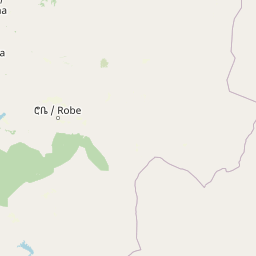
Map view of Bale Mountains National Park

Use this park location map to pinpoint Bale Mountains National Park in Ethiopia, understand its exact geographic position, and read its mapped placement within the surrounding landscape more clearly.

Pigeon | © OpenStreetMap contributors

Location context for Bale Mountains National Park

Bale ZoneOromia
Park atlas

Trace mapped park geography, compare unique Afro-alpine ecosystems, and explore connected protected landscapes across the Ethiopian highlands.

Explore Nearby National Parks and Protected Areas Beyond Bale Mountains National Park
Continue your exploration from Bale Mountains National Park by browsing other national parks and protected areas in the surrounding Ethiopian highlands, tracing diverse landscapes from Afromontane forests to alpine moorlands. Compare protected areas by their unique biodiversity, elevation, and conservation status, gaining broader regional context and uncovering distinct conservation landscapes.
National parkArsi Zone

Arsi Mountains National Park: Protected Ethiopian Highlands Landscape & Geography

Mapped protected terrain and endemic species habitat within the Arsi Zone.

Arsi Mountains National Park is a vast protected area celebrated for its significant biodiversity and distinctive Afro-alpine ecosystems. Situated in the Arsi Zone, this national park encompasses a dramatic mountain landscape central to the Ethiopian Highlands. It serves as a crucial refuge for endangered endemic species, including the mountain nyala and Ethiopian wolf, within its varied ecological zones and protected park boundaries, offering rich context for geographic exploration.

Area
10,876 km²
Established
2011
IUCN
II
Relief
Mountain
National parkOromia Region

Abijatta-Shalla National Park: Protected National Park within Oromia Region

Mapped landscape and regional geographic context.

Delve into the protected landscape identity of Abijatta-Shalla National Park, a designated national park situated within the Oromia Region. This dedicated detail page offers an atlas-driven perspective, focusing on the park's geographic scope, mapped terrain, and its significance as a protected natural area. Understand its role in the broader context of Ethiopian protected lands and regional geography.

Area
887 km²
Established
1974
IUCN
II
Relief
Mountain
National parkSouth Ethiopia Regional State

Nechisar National Park: Protected Natural Landscape in South Ethiopia Regional State

Explore the mapped geography and protected area context of this Ethiopian park.

Nechisar National Park is designated as a national park, serving as a critical protected natural area within the South Ethiopia Regional State. This MoriAtlas entry provides detailed geographic context, focusing on the park's mapped boundaries and its place within the regional landscape. Users can explore the park's identity as a protected territory, offering a foundation for understanding Ethiopia's natural protected areas through a geographic lens.

Area
1,030 km²
Established
1974
IUCN
II
Relief
Mixed relief
National parkEthiopia

Maze National Park: Ethiopia's Essential National Park for Swayne's Hartebeest and Geothermal Wonders

Discover mapped savanna ecosystems and unique montane geography within this protected Ethiopian landscape.

Maze National Park represents a significant protected area within Ethiopia, vital for the conservation of the endangered Swayne's hartebeest. Its diverse terrain includes savanna grasslands and unique geothermal features such as active geysers, all set against a distinctive montane backdrop. This national park offers a deep dive into Ethiopia's natural heritage, providing a clear geographic identity and valuable context for landscape exploration.

Area
210 km²
Established
2005
IUCN
II
Relief
Mixed relief
National parkEthiopia

Awash National Park: Mapped Protected Boundaries and Ethiopian Regional Geography

Discover the protected landscape of this Ethiopian National Park.

Awash National Park represents a significant protected area within Ethiopia, offering a rich focus for geographic discovery. This page illuminates the park's specific mapped boundaries and its positioning within the surrounding regional geography. It serves as a detailed entry point for understanding the park's landscape character and its role as a national park in East Africa.

Area
850 km²
Established
1966
IUCN
II
Relief
Mixed relief
National parkMandera County

Malka Mari National Park: Remote Frontier Protected Landscape and Dawa River Ecosystem

Explore the semi-arid bushland and riparian woodland geography.

Malka Mari National Park offers a profound wilderness experience as Kenya's most remote national park, situated along the Dawa River in Mandera County. This protected area features striking contrasts between arid bushland and verdant riparian woodlands, supporting unique plant species and wildlife adapted to the semi-arid environment. Its vast, undeveloped character makes it a significant site for frontier conservation and a unique destination for atlas-style landscape exploration.

Area
1,500 km²
Established
1989
IUCN
II
Climate
Arid
National parkOromia Region

Borana National Park National Park: Geographic Context and Protected Landscape Atlas

Explore the mapped boundaries and regional geography.

Gain a detailed understanding of Borana National Park, identified as a national park within the Oromia Region of Ethiopia. This entry focuses on its geographic context, providing mapped information crucial for understanding its protected landscape identity. Examine how Borana National Park fits into the broader atlas of conservation areas, offering a precise view of its unique terrain and regional significance without operational details.

Area
45,366 km²
Established
1986
IUCN
II
Relief
Mountain
National parkSouth West Ethiopia Peoples' Region

Chebera Churchura National Park: Ethiopia's National Park Protected Landscape Explorer

Mapping the protected area and regional geography of Chebera Churchura.

Chebera Churchura National Park is a key protected landscape in the South West Ethiopia Peoples' Region, designated as a national park. This page provides detailed geographic context and atlas-level information about the park's boundaries and its place within the regional terrain. Engage with the structured data that defines Chebera Churchura National Park's identity as a significant natural area for map-based discovery.

Area
1,250 km²
Established
2006
IUCN
II
Climate
Tropical

Common questions about visiting, size, designation, and location context for Bale Mountains National Park

Bale Mountains National Park FAQs for park facts, access, geography, and protected area context
Find quick answers about Bale Mountains National Park, including protected-area facts, park geography, trail and visitor context, and how the park fits into its surrounding country and regional landscape.
MoriAtlas Explorer

Continue Your Protected Areas Search Across the Global Atlas

Deepen your exploration by continuing the structured search for national parks and protected areas worldwide. Utilize the comprehensive filtering capabilities to compare different conservation landscapes and refine your understanding of global park geography. Discover more about the distribution and characteristics of protected natural areas.

Global natural geography