Why Bogani Nani Wartabone National Park stands out
Bogani Nani Wartabone is most renowned for its extraordinary concentration of endemic Sulawesi wildlife, particularly the maleo megapode which serves as the park's official mascot. This unusual bird, endemic solely to Sulawesi, breeds exclusively in the park's geothermal hot sand habitats, particularly at the Hungoyono camp in Bone Bolango where successful captive breeding and release programs have reintroduced approximately 3,300 birds to the wild. The park also protects critical populations of the endangered anoa, a small wild buffalo found only in Sulawesi, as well as the bizarre babirusa with its extraordinary tusks that grow upward through its snout. The 1999 scientific description of the cinnabar hawk owl from a specimen collected within the park boundaries further illustrates its role as a repository of undiscovered biodiversity.
Bogani Nani Wartabone National Park history and protected-area timeline
The park traces its institutional origins to 1991 when it was established as Dumoga Bone National Park, protecting portions of the Minahassa Peninsula's forest heritage. The initial protected area encompassed portions of what is now recognized as Sulawesi's most biodiverse region, but subsequent survey work and conservation assessment led to significant boundary expansions that reflected the true scale of biodiversity worth protecting. In 2004, the park was formally renamed Bogani Nani Wartabone National Park to honor Nani Wartabone, a legendary figure in Gorontalo province who led local resistance forces against Japanese occupation during World War II and successfully expelled the occupiers from the region in 1945.
The renaming acknowledged both the historical significance of the area and the park's role in protecting the natural heritage of the communities whose ancestors long inhabited these lands. The Wildlife Conservation Society's identification of the site as the single most important location for Sulawesi wildlife conservation validated decades of scientific research highlighting the area's irreplaceable biodiversity value. Subsequent conservation efforts have focused on addressing the threats of logging, poaching, and illegal gold mining while building partnerships with local communities to ensure sustainable protection of the park's natural resources.
Bogani Nani Wartabone National Park landscape and geographic character
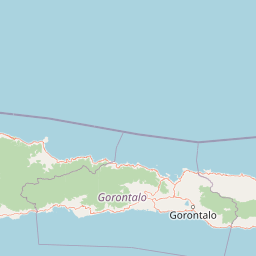
Bogani Nani Wartabone National Park occupies the mountainous interior of the Minahassa Peninsula, the northernmost extension of Sulawesi island. The landscape is characterized by rugged terrain formed by the island's volcanic and tectonic history, with steep ridges, deep valleys, and remnant peaks that create a complex topographic mosaic. The park sits within a region of high rainfall that supports lush tropical forest cover across most elevations, though the specific vegetation communities vary with altitude and slope aspect. The Hungayono forest area exemplifies the park's typical lowland to mid-montane character, with dense canopy closure and diverse forest structure supporting the rich endemic fauna for which the park is renowned.
Bogani Nani Wartabone National Park ecosystems, habitats, and plant life
The park's ecological significance derives from the convergence of multiple biogeographic influences across Sulawesi's complex landscape. The forests of Bogani Nani Wartabone encompass a range of vegetation types adapted to the peninsula's climatic conditions, from semi-evergreen formations in lower elevations to mossy montane forests at higher altitudes. Common plant species documented within the park include Piper aduncum, Trema orientalis, and various Macaranga species, forming the structure of secondary forest communities that have regenerated following past disturbances. Orchids add to the botanical diversity, with numerous species adapted to the epiphytic lifestyle in the park's humid forest environment.
Several endangered plant species receive protection within the park's boundaries, including the matayangan palm Pholidocarpus ihur, Makassar Ebony Diospyros celebica valued for its decorative timber, iron wood from the genus Intsia, the medicinal yellow wood Arcangelisia flava, and the distinctive carrion flower Amorphophallus companulatus. These species face pressures from habitat loss outside protected areas, making the park's preservation function critical for their long-term survival.
Bogani Nani Wartabone National Park wildlife and species highlights
Bogani Nani Wartabone protects one of the most significant assemblages of endemic fauna in Southeast Asia, with documented populations including 24 mammal species, 11 reptile species, and 125 bird species. The park's flagship species is the maleo megapode, a remarkable bird endemic to Sulawesi that has evolved an unusual breeding strategy using geothermal hot sand to incubate its eggs. The maleo breeding program at Hungoyono camp in Bone Bolango represents one of Indonesia's most successful conservation initiatives, with over 3,300 birds released to natural habitat as of 2012. The park also supports populations of the endangered anoa, a dwarf buffalo species found only in Sulawesi, and the iconic babirusa whose males develop extraordinary upward-curving tusks.
The 1999 scientific description of the cinnabar hawk owl from specimens collected in the park demonstrates how much remains to be learned about Sulawesi's endemic wildlife. The Sulawesi warty pig represents another distinctive island form that inhabits the park's forests. This extraordinary concentration of endemic species, many of which occur nowhere else on Earth, makes Bogani Nani Wartabone a global priority for conservation investment and protection.
Bogani Nani Wartabone National Park conservation status and protection priorities
The identification of Bogani Nani Wartabone as the single most important site for Sulawesi wildlife conservation by the Wildlife Conservation Society reflects the park's irreplaceable role in protecting the island's endemic biodiversity. The park functions as the primary refuge for species that have evolved in isolation and cannot survive outside Sulawesi's forests, making the protected area essential for preventing extinctions in the face of ongoing habitat threats. Conservation challenges include uncontrolled logging that removes forest cover and fragments wildlife habitat, poaching of endangered species for trade or consumption, and illegal gold mining that degrades both terrestrial and aquatic ecosystems within the park boundaries.
The successful maleo breeding program demonstrates the potential for effective conservation action when adequate resources and community engagement are applied. Continued efforts to strengthen protection, address underlying drivers of habitat loss, and develop sustainable financing mechanisms will determine whether the park's extraordinary biodiversity can be preserved for future generations.
Bogani Nani Wartabone National Park cultural meaning and human context
The park's connection to Nani Wartabone, after whom it was renamed in 2004, reflects the deep historical ties between Sulawesi's communities and their landscape. Nani Wartabone led resistance against Japanese occupation during World War II and successfully liberated Gorontalo province, becoming a celebrated national hero whose legacy is now intertwined with the park's identity. The region surrounding the park has been inhabited for centuries by various ethnic groups whose traditional practices and land management systems shaped the landscape long before formal protected area designation. Local communities maintain connections to the park's forests through resource use, cultural practices, and ongoing conservation partnerships.
Top sights and standout views in Bogani Nani Wartabone National Park
Bogani Nani Wartabone National Park protects the most biodiverse forests in Sulawesi, home to endemic species found nowhere else on Earth including the maleo megapode, anoa, babirusa, and cinnabar hawk owl. The successful maleo breeding and release program has returned over 3,300 birds to their natural habitat in the park's geothermal sand breeding grounds. The park encompasses 2,871 square kilometres of forest on the Minahassa Peninsula, representing one of Indonesia's largest and most significant national parks. The park's 2004 renaming to honor resistance leader Nani Wartabone connects Sulawesi's natural and cultural heritage, celebrating both biodiversity and historical identity.
Best time to visit Bogani Nani Wartabone National Park
The park's equatorial location results in relatively consistent temperatures year-round, though visitor conditions vary with the regional rainy season typically running from November through March. Dry season months generally offer easier access to trail systems and more comfortable conditions for wildlife viewing, though the park's forest habitats remain lush and verdant throughout the year. The maleo breeding season aligns with specific environmental conditions related to geothermal activity, though guided visits to breeding areas are arranged through park management rather than independent exploration. Visitors interested in birdwatching and wildlife observation may find the transitional periods between seasons particularly rewarding as animal activity patterns shift with changing conditions.