
Why Bucegi Natural Park stands out
Bucegi Natural Park is best known for its extraordinary rock formations, particularly the Babele and Sphinx, which are iconic landmarks of the Romanian Carpathians. These unusual limestone sculptures, shaped by centuries of weathering, have become the park's most recognizable features and a symbol of the Bucegi Mountains. Beyond these famous formations, the park is distinguished by its Karst landscape featuring extensive cave systems, pit caves, and dramatic limestone cliffs. The alpine limestone grasslands and the contrast between forested slopes and open meadows create a landscape of exceptional visual diversity within easy reach of Romania's capital region.
Bucegi Natural Park history and protected-area timeline
The Bucegi Natural Park was originally established as a protected area in 1974, reflecting the growing recognition of the Bucegi Mountains' natural and cultural significance during Romania's communist period. The formal legal declaration came more recently through Law Number 5 of March 6, 2000, published in Monitorul Oficial Number 152 of April 12, 2000. This legislative act provided the modern legal framework for the park's protection and management, categorizing it as a Nature Park under Romanian law and assigning it IUCN Category V status. The park's history as a protected area coincides with broader Carpathian conservation efforts in Romania, which recognized the unique alpine ecosystems and cultural landscapes of these mountains. The establishment also reflects the importance of the Bucegi Mountains in Romanian cultural identity, with the area long associated with mountain tourism, spiritual retreats, and national heritage.
Bucegi Natural Park landscape and geographic character
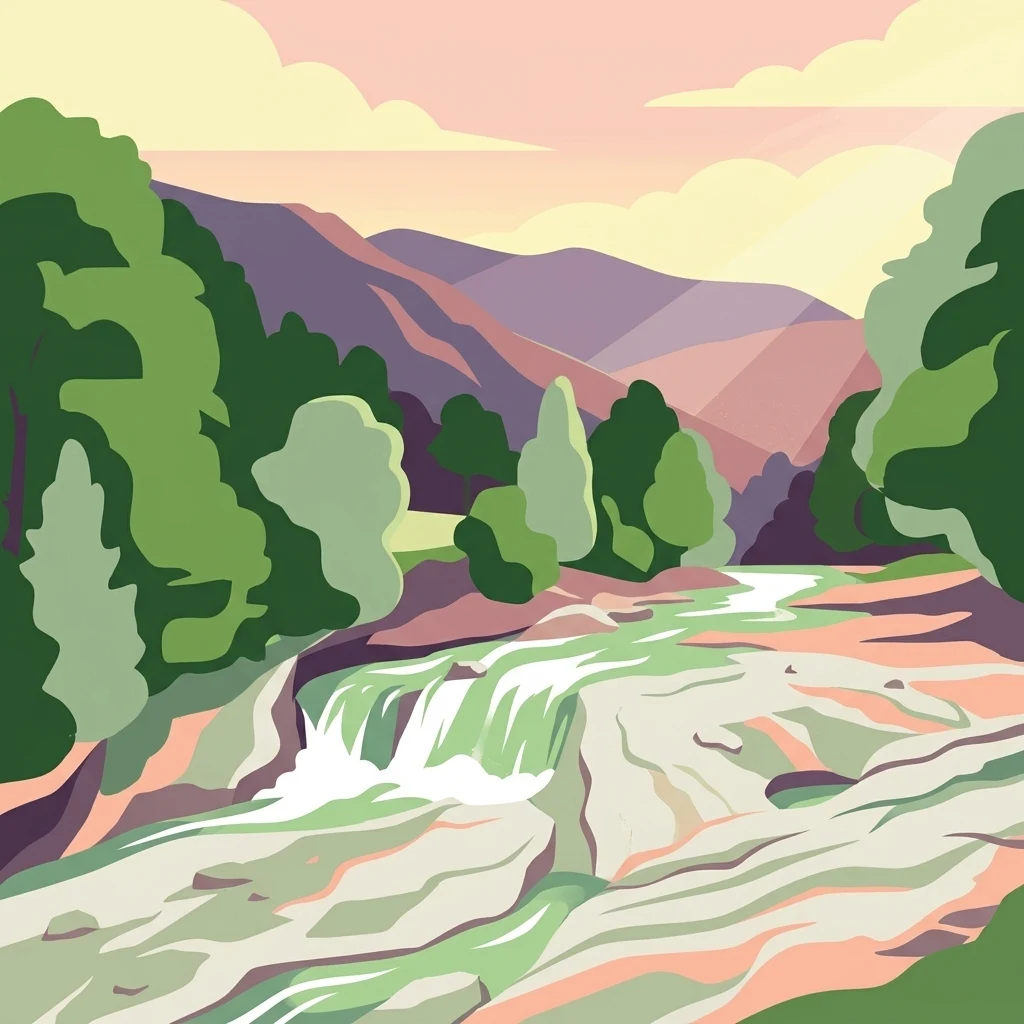
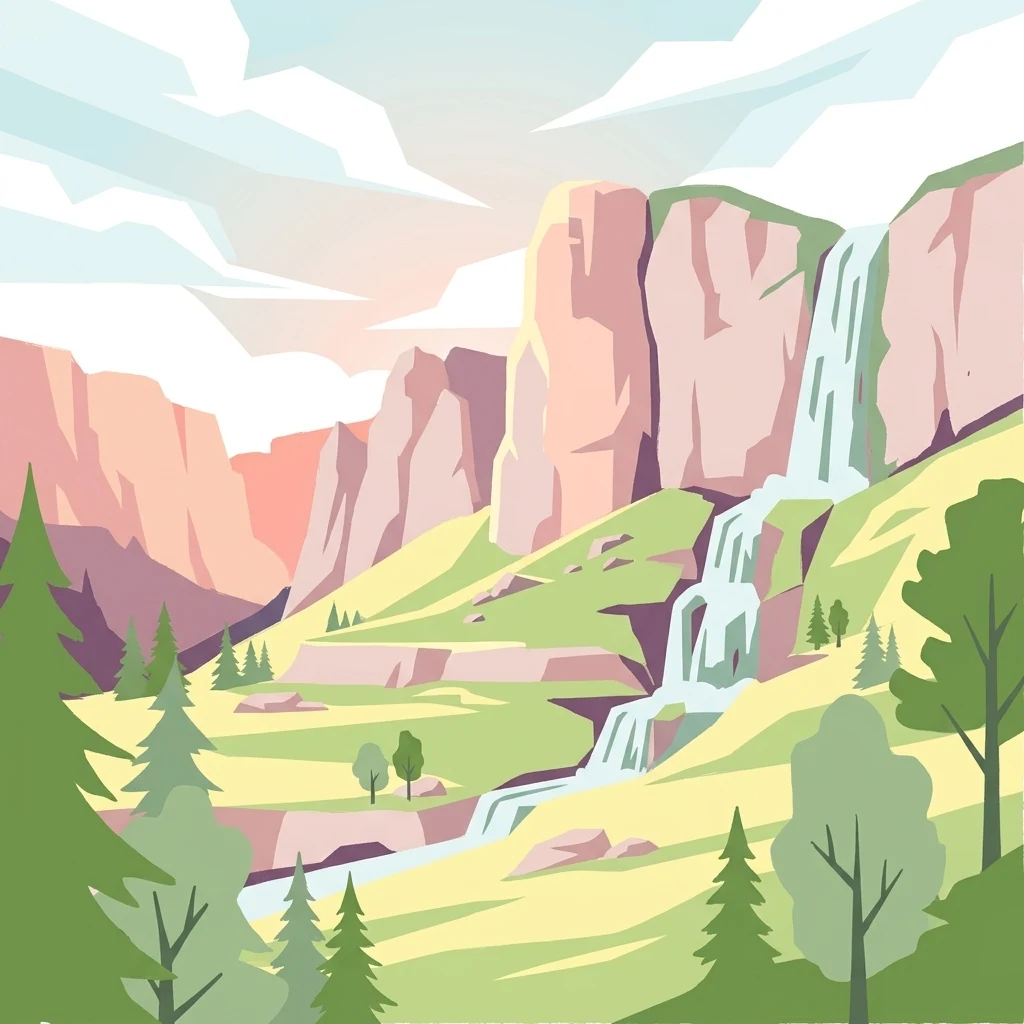
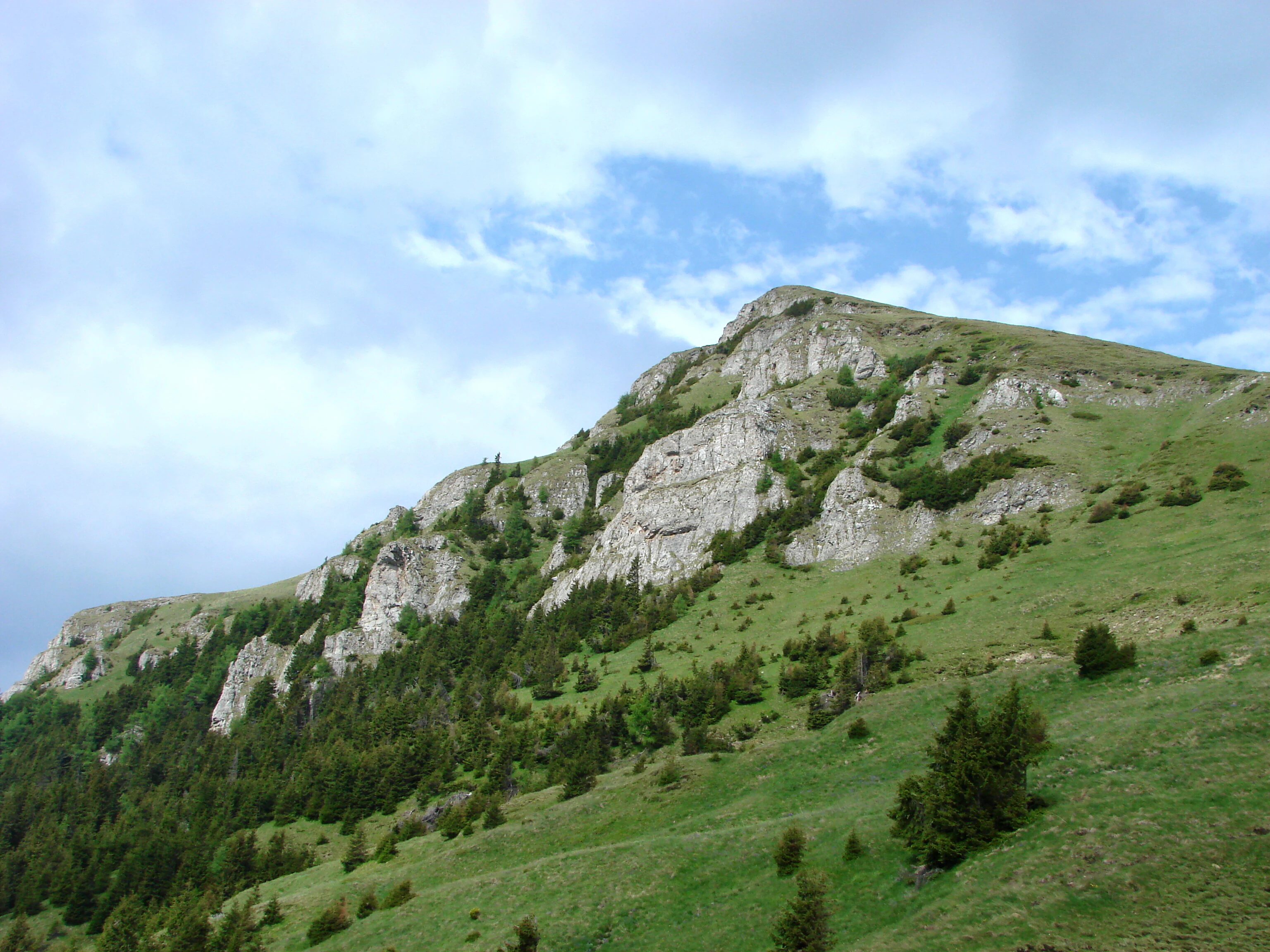
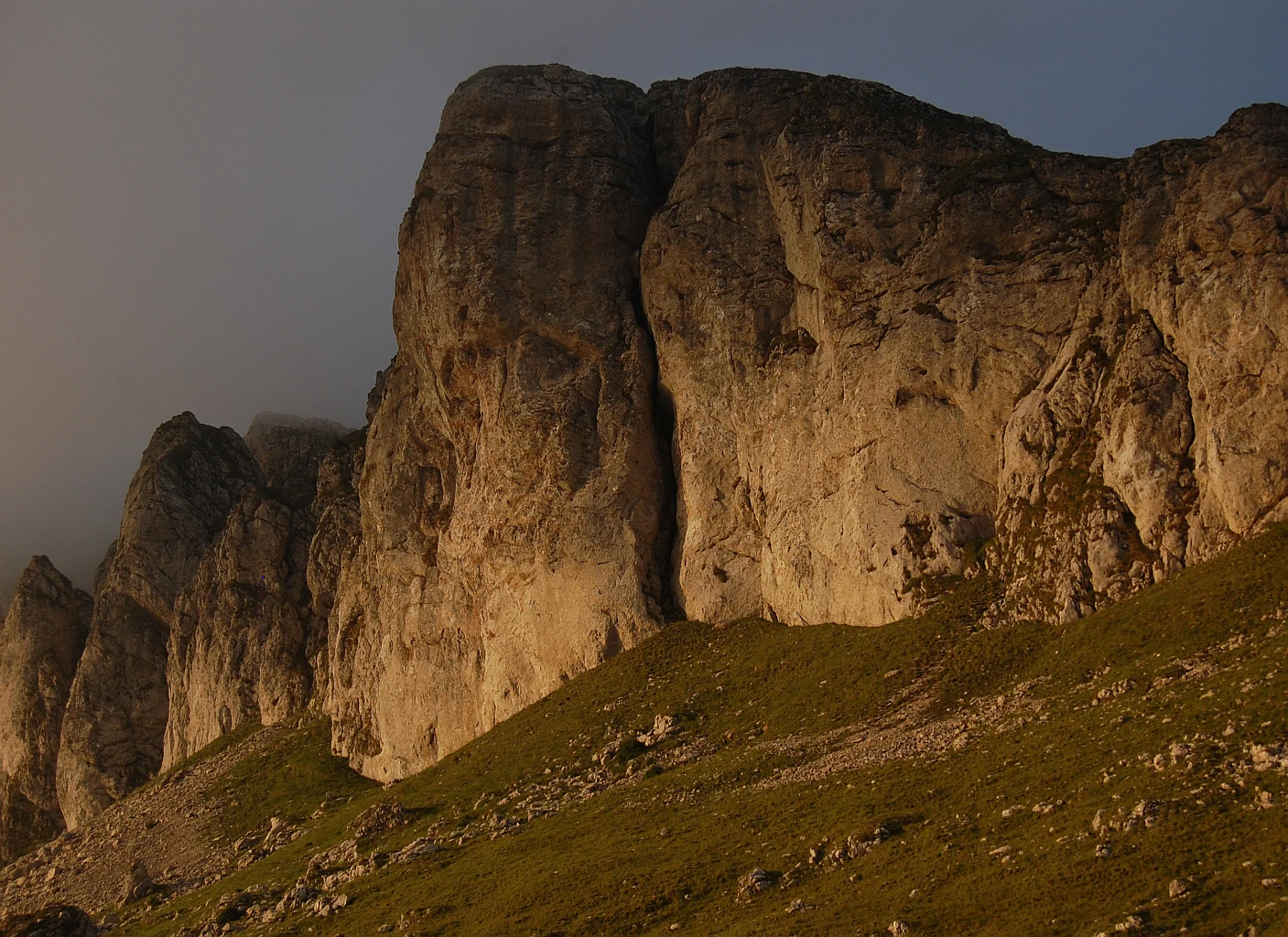
The Bucegi Natural Park encompasses a dramatic mountainous landscape characterized by its limestone-dominated terrain. The park features an array of karst landforms including caves, pit caves, canyons, and sinkholes that have developed in the soluble limestone bedrock over geological time. Dramatic ridges and cliffs rise above deep valleys, creating the dramatic scenery for which the Bucegi Mountains are known. The landscape includes numerous waterfalls where streams cascade over limestone ledges into the valleys below. At lower elevations, the terrain transitions through forested slopes of beech and mixed woodland before opening into alpine meadows and pastures at higher elevations. The distinctive rock formations of Babele and the Sphinx represent exceptional examples of weathering-created landmarks that stand as natural monuments within the park. The combination of vertical cliffs, rolling alpine grasslands, and the intricate karst topography creates a landscape of remarkable diversity and visual impact.
Bucegi Natural Park ecosystems, habitats, and plant life
The ecological character of Bucegi Natural Park reflects its position in the Carpathian alpine zone. The park contains a mosaic of habitats that support diverse plant and animal communities. Beech forests dominate the lower slopes, transitioning through areas of shrubs and bushes into the alpine limestone grasslands at higher elevations. The alpine meadows include mountain hay meadows that support distinctive herbaceous vegetation adapted to the high-altitude conditions. Springs and alpine rivers add to the habitat diversity, creating riparian corridors through the mountain terrain. Limestone rocky slopes and seminatural dry grasslands provide additional habitat variation across the park. This variety of habitats within a relatively compact protected area supports ecological communities representative of the Southern Carpathian mountain ecosystems.
Bucegi Natural Park wildlife and species highlights
The Bucegi Natural Park provides habitat for species adapted to the Carpathian alpine and forest environments. The beech forests shelter forest-dwelling species, while the alpine grasslands and rocky areas support species adapted to higher elevations. The diverse habitats within the park create conditions for a variety of bird species and smaller mammals that characterize Carpathian mountain ecosystems. The protected area status helps maintain corridors and habitats essential for wildlife conservation in this portion of the Southern Carpathians.
Bucegi Natural Park conservation status and protection priorities
Bucegi Natural Park holds IUCN Category V status as a protected landscape, recognizing its value in maintaining traditional mountain ecosystems and cultural landscapes. The park protects representative Carpathian habitats including beech forests, alpine grasslands, and karst systems within a single protected area. The inclusion of specific natural reserves within the park boundaries, such as Abruptul Prahovean Bucegi with its dramatic limestone cliffs and Colții lui Barbeș Mountains, provides additional protection for particularly significant features. The protection framework balances conservation of natural values with sustainable recreational use, reflecting the park's role in Romanian environmental stewardship and sustainable mountain development.
Bucegi Natural Park cultural meaning and human context
The Bucegi Mountains have held cultural significance in Romanian tradition and identity long before their formal protection as a natural park. The distinctive rock formations, particularly the Sphinx, have inspired legends and cultural references throughout Romanian history. The area has been a destination for spiritual retreats and mountain pilgrimage, with monasteries and hermitages established in the surrounding valleys. The traditional pastoral use of the alpine meadows, with seasonal grazing by local communities, has shaped the cultural landscape and contributed to the maintenance of open grassland habitats. The park remains culturally important as a place where Romanians connect with their mountain heritage and natural landscape.
Top sights and standout views in Bucegi Natural Park
The defining highlights of Bucegi Natural Park are its iconic rock formations Babele and the Sphinx, exceptional karst landscapes with caves and dramatic limestone cliffs, and the visual drama of the Carpathian alpine environment. The park offers accessible mountain recreation with trails that traverse forests, meadows, and rocky terrain, providing views of waterfalls and panoramic mountain scenery. The combination of geological wonders, ecological diversity, and cultural heritage makes this one of Romania's most visited protected mountain areas.
Best time to visit Bucegi Natural Park
The summer months from June through September offer the most accessible conditions for exploring Bucegi Natural Park, with clear weather and full trail access through the alpine zones. Autumn brings colorful forest displays and fewer visitors, though conditions can change quickly in the mountains. Winter transforms the park into a skiing and winter recreation destination, though some trails become inaccessible. Spring allows observation of the mountain meadows coming into flower, though snow may persist at higher elevations. The park can be visited year-round, with each season offering a different perspective on the Carpathian landscape.