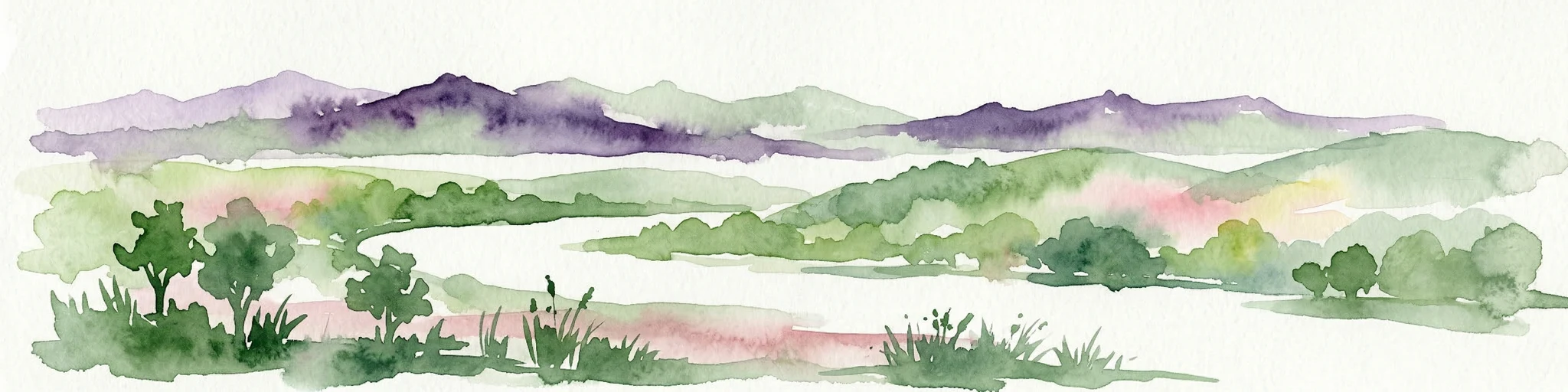

Why Comana Natural Park stands out
Comana Natural Park is best known for its extensive wetland complex and floodplain ecosystems along the Neajlov River. The park protects one of the largest freshwater marsh systems in southern Romania, featuring a complex network of permanent and seasonal wetlands, reed beds, and oxbow lakes. Its Ramsar designation highlights its international significance as a wetland habitat, particularly for waterfowl and migratory bird populations. The combination of accessible location near Bucharest, kayaking opportunities on the Neajlov River, and a protected wetland landscape makes Comana distinctive among Romania's nature parks.
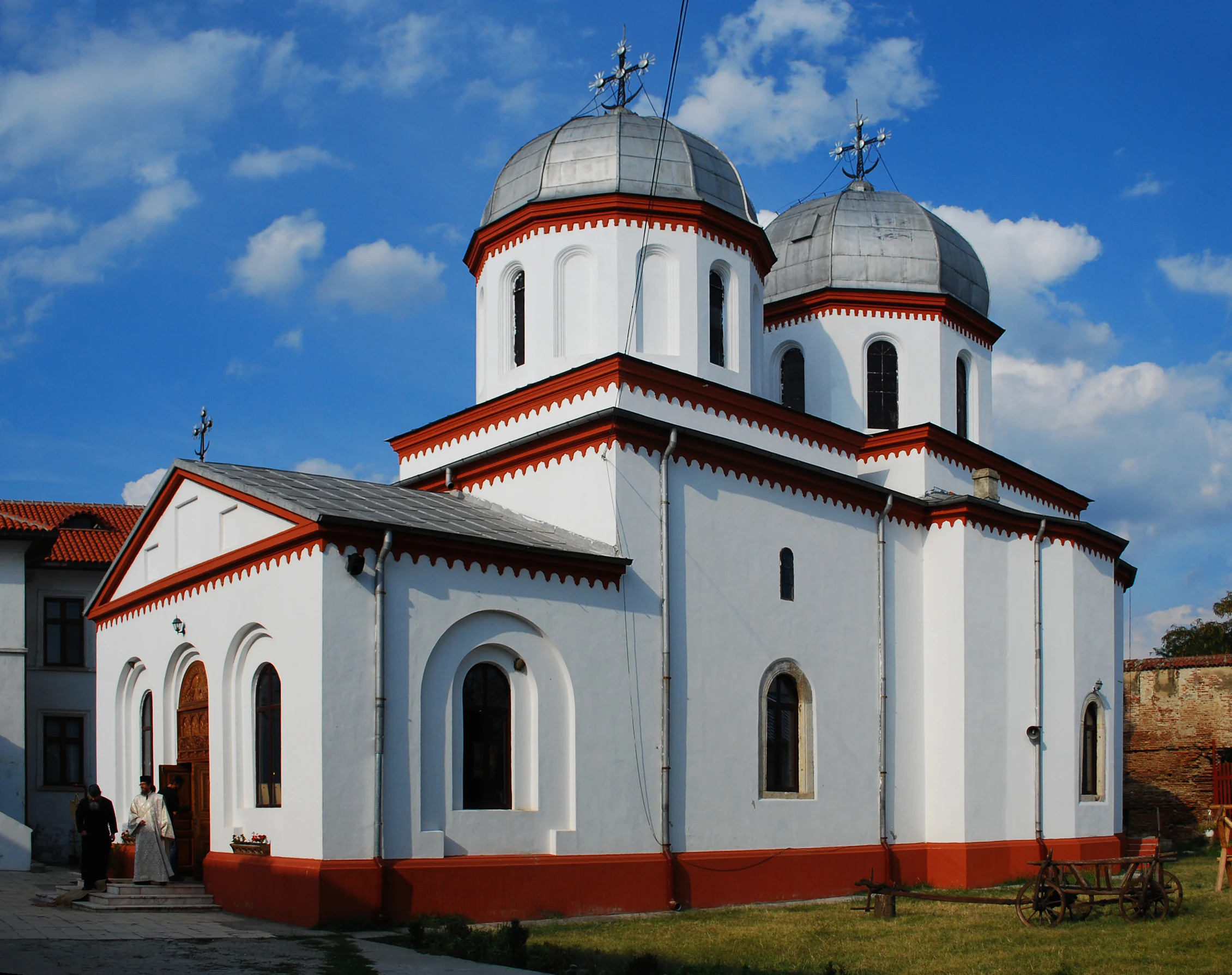
Comana Natural Park history and protected-area timeline
Comana Natural Park was established in 2005 as part of Romania's expansion of its protected areas network following changes in environmental legislation and growing recognition of the need to preserve wetland ecosystems. The park was created to protect the significant wetland complex formed by the Neajlov River floodplain, which had long been recognized for its ecological importance but lacked formal protected status. In 2009, the park gained additional recognition when it was designated as a Ramsar Wetland site, joining an international network of protected wetlands under the Ramsar Convention. This designation reflected the park's importance as a habitat for waterfowl and its role in the broader Danube wetland system. The establishment of the park also provided a framework for managing recreational use of the area, including activities such as kayaking on the Neajlov River, while maintaining conservation objectives.
Comana Natural Park landscape and geographic character
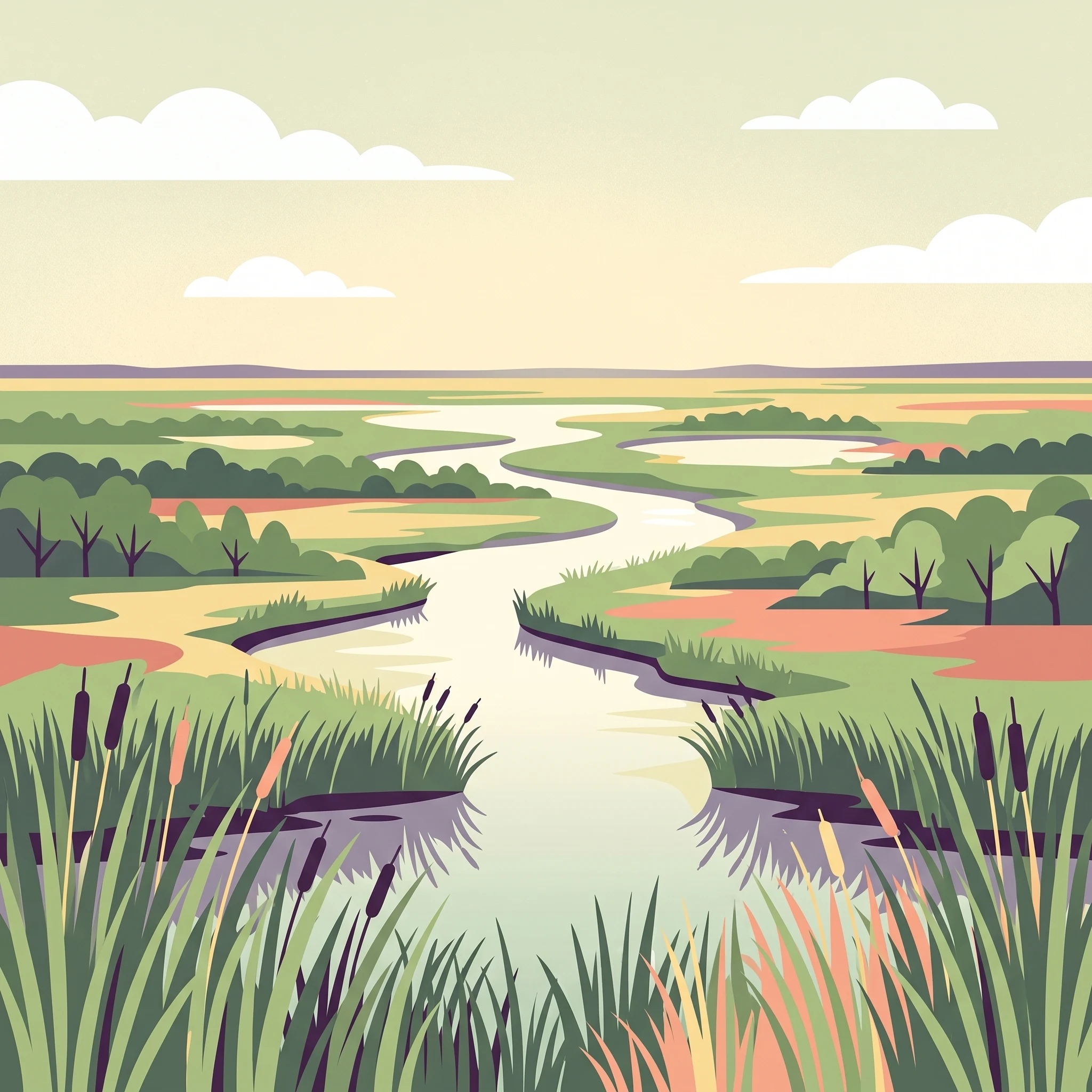
The landscape of Comana Natural Park is defined by the Neajlov River floodplain, where the river creates a complex wetland environment across the Romanian Plain. The terrain is predominantly flat or gently rolling, with elevations rarely exceeding 50 meters above sea level. The park features an intricate network of permanent and seasonal water bodies, including the main river channel, oxbow lakes formed from old river meanders, extensive reed beds, and seasonal flood channels. The alluvial soils support distinctive vegetation communities adapted to periodic flooding, including floodplain forests, marsh grasslands, and aquatic plant communities. The landscape character changes with the seasons, as winter floods and spring snowmelt from upstream areas bring water across much of the floodplain, transforming the appearance of the park and creating dynamic habitat conditions.
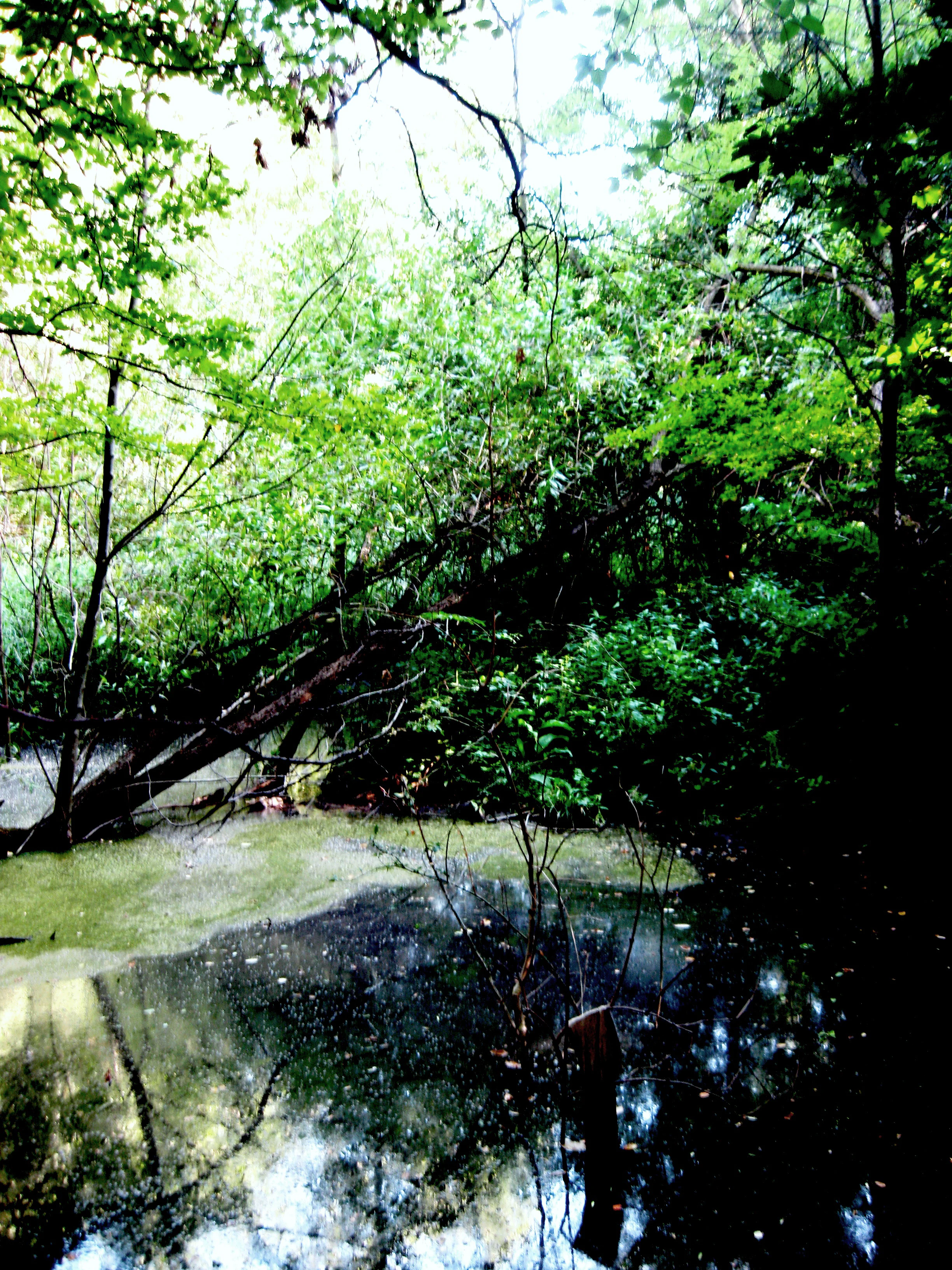
Comana Natural Park ecosystems, habitats, and plant life
The ecological character of Comana Natural Park centers on its extensive wetland habitats, which form one of the most significant freshwater marsh complexes in southern Romania. The park's floodplain environment supports a range of habitat types including permanent open water, seasonal marshes, reed beds, wet meadows, and floodplain woodlands. These habitats create conditions that support diverse plant and animal communities adapted to wetland environments. The park lies within the migration routes of numerous bird species that use the Danube basin as a flyway between northern breeding grounds and southern wintering areas. The wetland complex provides important habitat functions including water filtration, flood regulation, and carbon storage, while also supporting recreational and educational uses. The Ramsar designation recognizes the park's international importance as a wetland habitat, particularly for waterfowl and migratory bird populations.
Comana Natural Park wildlife and species highlights
Comana Natural Park provides important habitat for waterfowl and wetland-dependent species within the Danube basin region. The marsh environments and open water bodies support populations of ducks, grebes, herons, and other waterbirds that use the area for feeding and nesting. The floodplain forests and reed beds offer nesting habitat for colonial waterbird species and provide shelter for various passerine species. The wetland complex serves as a valuable stopover site for migratory birds moving along the Danube flyway, connecting to the broader Black Sea and Mediterranean migration routes. Fish populations in the river and oxbow lakes support predatory birds and provide ecological connectivity within the wetland food web.
Comana Natural Park conservation status and protection priorities
The designation of Comana Natural Park as a Ramsar Wetland site in 2009 established its international conservation significance and committed Romania to maintaining the ecological character of the wetland system. The park's IUCN Category V status reflects its role as a protected landscape where conservation is achieved alongside sustainable human use of the area. The wetland ecosystem provides important environmental services including flood mitigation, water quality maintenance, and habitat for biodiversity. Management of the park balances conservation objectives with recreational activities, recognizing that controlled public access can support environmental education and appreciation of wetland ecosystems. The park contributes to Romania's obligations under international environmental agreements and represents a commitment to preserving wetland heritage within the Danube basin.
Comana Natural Park cultural meaning and human context
The Comana area has historical connections to Romanian rural traditions, with the nearby town of Comana serving as a local center within the agricultural landscape of Giurgiu County. The floodplain has traditionally been used for fishing and pastoral activities, with the wetland resources supporting local livelihoods over generations. The establishment of the protected area provided a framework for preserving traditional land uses while ensuring that significant natural values were maintained. The park's proximity to Bucharest has also made it a destination for environmental education programs and outdoor recreation, connecting urban populations with Romanian wetland environments.
Top sights and standout views in Comana Natural Park
Comana Natural Park stands out for its accessible wetland landscape within easy reach of Bucharest, offering one of the most convenient opportunities to experience Romanian freshwater marsh environments. The Neajlov River provides paddling opportunities through a scenic floodplain setting, while the Ramsar designation confirms the park's international importance as wetland habitat. The park offers a distinctive contrast to the agricultural plain surrounding it, preserving a natural environment that supports diverse wildlife and provides ecosystem services. The combination of natural wetlands, accessible location, and protected status makes Comana a significant conservation area within Romania's protected areas network.
Best time to visit Comana Natural Park
The park can be visited throughout the year, though the wetland experience varies significantly with seasons. Spring and early summer bring higher water levels and active birdlife, with migratory species returning to nesting grounds. Summer offers warm conditions suitable for paddling activities on the river and extended exploration of the park's trails. Autumn provides a different character as water levels recede and the landscape takes on autumn colors, while still offering wildlife viewing opportunities. Winter can expose frozen sections of the wetland, offering a contrasting perspective of the floodplain. The park's accessibility from Bucharest makes it suitable for day visits in any season, though visitors should check current conditions before planning activities.