
Mori Atlas logo
Protected landscapeComana Natural Park

Discover the protected area's regional context within Giurgiu County, Romania.

Comana Natural Park: Detailed Protected Landscape Geography and Mapped Boundaries

(Parcul Natural Comana)

Comana Natural Park represents a significant protected landscape within Giurgiu County, Romania. This page offers an in-depth look at its geographic identity, providing users with a structured atlas perspective on its mapped boundaries and surrounding natural terrain. Understand the park's place in the regional geography and its protected area status, offering a foundation for detailed landscape exploration within the MoriAtlas platform.

WetlandsNature ParkFloodplainRamsar SiteRiver EcosystemsSouthern Romania

Comana Natural Park

Protected landscape

Park overview

Structured park overview, official facts, and landscape profile for Comana Natural Park

Comana Natural Park park facts, protected area profile, and essential visitor context
Review the core facts for Comana Natural Park, including designation, size, terrain, visitor scale, habitats, and operating context in one park-focused overview.

About Comana Natural Park

Comana Natural Park occupies a significant position in Romania's protected area network as a natural park that preserves a distinctive lowland wetland landscape in the southern part of the country. The park is located in Giurgiu County, approximately 45 kilometers from Bucharest, making it one of the most accessible natural parks for visitors from the Romanian capital. The protected area encompasses the floodplain and delta region of the Neajlov River as it traverses the Romanian Plain before connecting to larger wetland systems. This location places the park within the broader ecological context of the Danube River basin, contributing to the regional network of wetlands that support biodiversity and provide ecosystem services. The park was established in 2005 and operates under Romanian protected area legislation, with management focused on conserving the wetland ecosystems while allowing for controlled recreational use and environmental education activities. The accessibility of the park, combined with its natural values, creates opportunities for both conservation and public engagement with Romanian wetland environments.

Quick facts and research context for Comana Natural Park

Comana Natural Park spans approximately 24,963 hectares in Giurgiu County, southern Romania, near the town of Comana. The park is centered on the Neajlov River floodplain where it transitions into the broader Danube wetland system. It holds IUCN Category V status as a protected landscape and was designated as a Ramsar Wetland site in March 2009. The park lies roughly a 45-minute drive from Bucharest, making it one of the more accessible Romanian protected areas for visitors from the capital. The Neajlov River runs through the park creating a network of wetlands, oxbow lakes, and marshland that defines the area's character.

Park context

Deeper park guide and search-rich context for Comana Natural Park

Comana Natural Park history, landscape, wildlife, and travel context
Explore Comana Natural Park through its history, landscape character, ecosystems, wildlife, conservation priorities, cultural context, and seasonal travel timing in a structured park guide built for atlas discovery and search intent.

Why Comana Natural Park stands out

Comana Natural Park is best known for its extensive wetland complex and floodplain ecosystems along the Neajlov River. The park protects one of the largest freshwater marsh systems in southern Romania, featuring a complex network of permanent and seasonal wetlands, reed beds, and oxbow lakes. Its Ramsar designation highlights its international significance as a wetland habitat, particularly for waterfowl and migratory bird populations. The combination of accessible location near Bucharest, kayaking opportunities on the Neajlov River, and a protected wetland landscape makes Comana distinctive among Romania's nature parks.
Comana Natural Park history and protected-area timeline

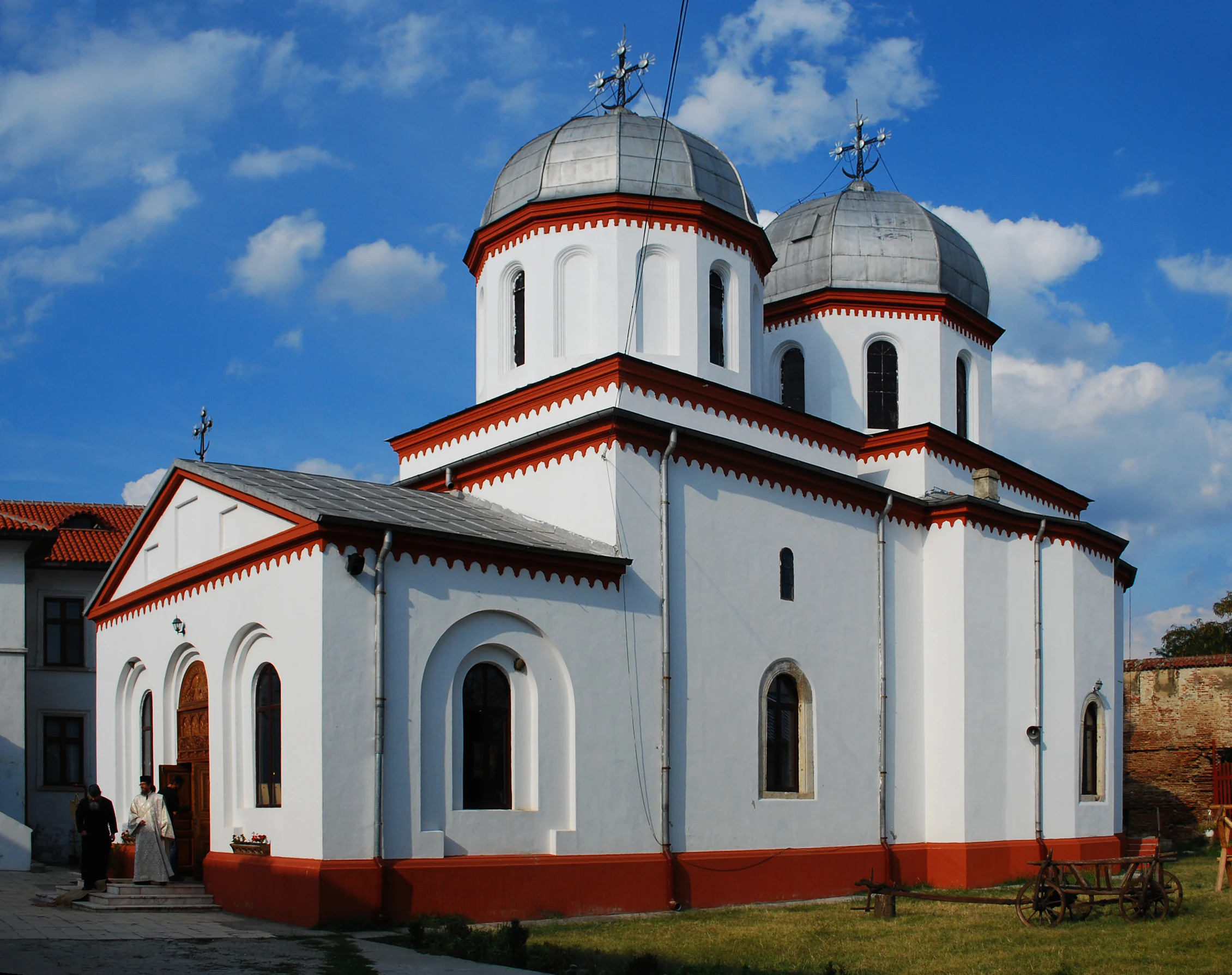
Comana Natural Park was established in 2005 as part of Romania's expansion of its protected areas network following changes in environmental legislation and growing recognition of the need to preserve wetland ecosystems. The park was created to protect the significant wetland complex formed by the Neajlov River floodplain, which had long been recognized for its ecological importance but lacked formal protected status. In 2009, the park gained additional recognition when it was designated as a Ramsar Wetland site, joining an international network of protected wetlands under the Ramsar Convention. This designation reflected the park's importance as a habitat for waterfowl and its role in the broader Danube wetland system. The establishment of the park also provided a framework for managing recreational use of the area, including activities such as kayaking on the Neajlov River, while maintaining conservation objectives.

Comana Natural Park landscape and geographic character

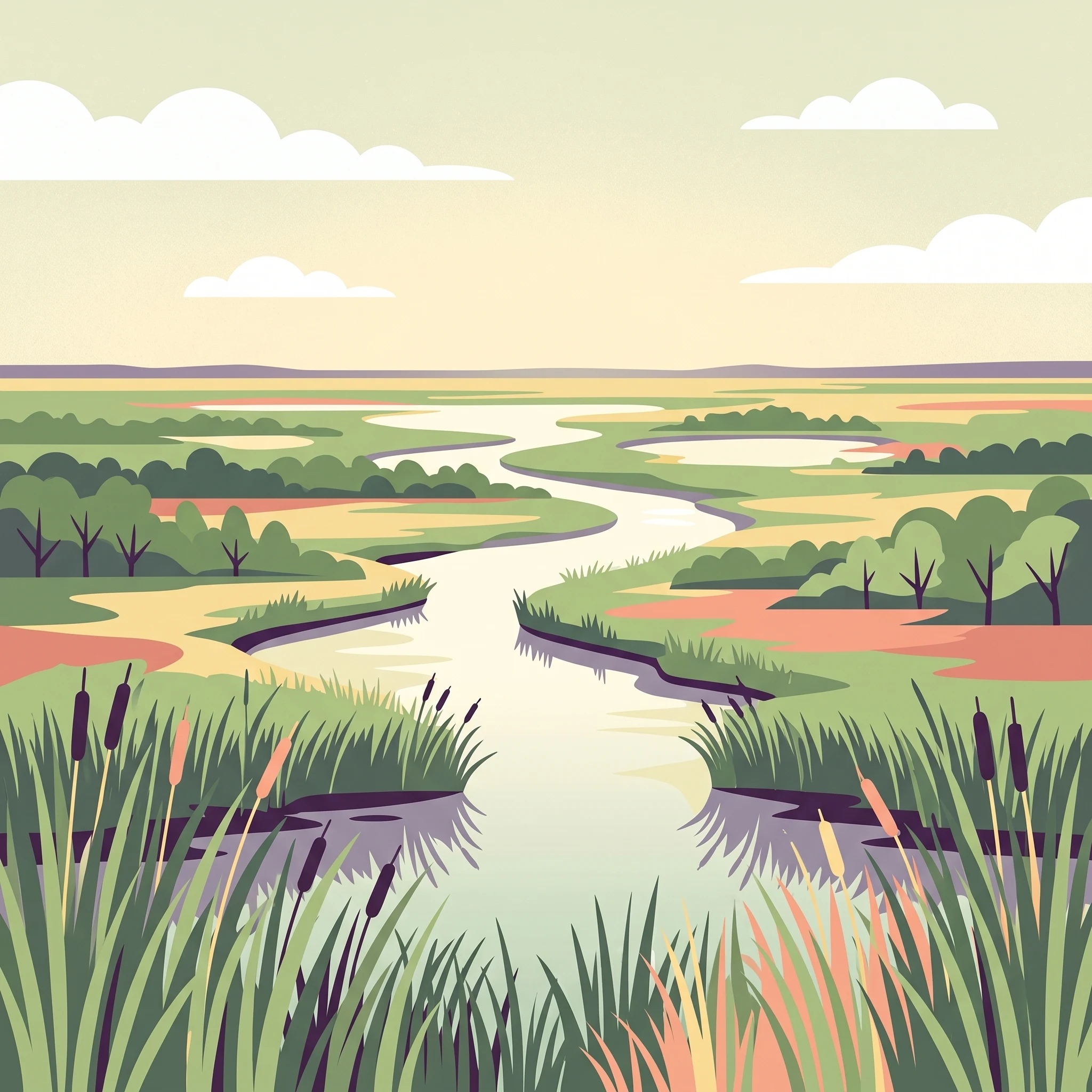
The landscape of Comana Natural Park is defined by the Neajlov River floodplain, where the river creates a complex wetland environment across the Romanian Plain. The terrain is predominantly flat or gently rolling, with elevations rarely exceeding 50 meters above sea level. The park features an intricate network of permanent and seasonal water bodies, including the main river channel, oxbow lakes formed from old river meanders, extensive reed beds, and seasonal flood channels. The alluvial soils support distinctive vegetation communities adapted to periodic flooding, including floodplain forests, marsh grasslands, and aquatic plant communities. The landscape character changes with the seasons, as winter floods and spring snowmelt from upstream areas bring water across much of the floodplain, transforming the appearance of the park and creating dynamic habitat conditions.
Comana Natural Park ecosystems, habitats, and plant life

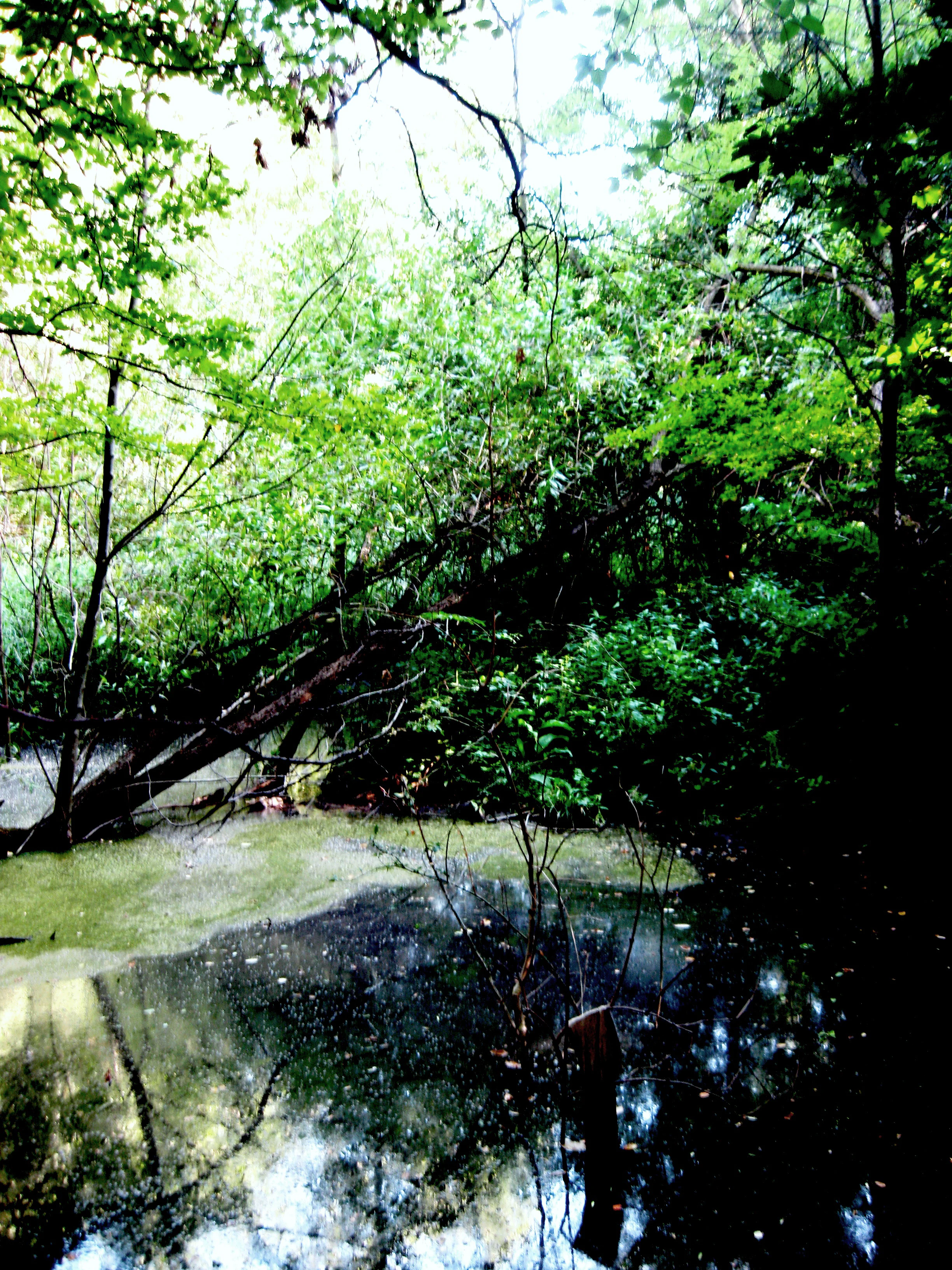
The ecological character of Comana Natural Park centers on its extensive wetland habitats, which form one of the most significant freshwater marsh complexes in southern Romania. The park's floodplain environment supports a range of habitat types including permanent open water, seasonal marshes, reed beds, wet meadows, and floodplain woodlands. These habitats create conditions that support diverse plant and animal communities adapted to wetland environments. The park lies within the migration routes of numerous bird species that use the Danube basin as a flyway between northern breeding grounds and southern wintering areas. The wetland complex provides important habitat functions including water filtration, flood regulation, and carbon storage, while also supporting recreational and educational uses. The Ramsar designation recognizes the park's international importance as a wetland habitat, particularly for waterfowl and migratory bird populations.

Comana Natural Park wildlife and species highlights

Comana Natural Park provides important habitat for waterfowl and wetland-dependent species within the Danube basin region. The marsh environments and open water bodies support populations of ducks, grebes, herons, and other waterbirds that use the area for feeding and nesting. The floodplain forests and reed beds offer nesting habitat for colonial waterbird species and provide shelter for various passerine species. The wetland complex serves as a valuable stopover site for migratory birds moving along the Danube flyway, connecting to the broader Black Sea and Mediterranean migration routes. Fish populations in the river and oxbow lakes support predatory birds and provide ecological connectivity within the wetland food web.

Comana Natural Park conservation status and protection priorities

The designation of Comana Natural Park as a Ramsar Wetland site in 2009 established its international conservation significance and committed Romania to maintaining the ecological character of the wetland system. The park's IUCN Category V status reflects its role as a protected landscape where conservation is achieved alongside sustainable human use of the area. The wetland ecosystem provides important environmental services including flood mitigation, water quality maintenance, and habitat for biodiversity. Management of the park balances conservation objectives with recreational activities, recognizing that controlled public access can support environmental education and appreciation of wetland ecosystems. The park contributes to Romania's obligations under international environmental agreements and represents a commitment to preserving wetland heritage within the Danube basin.

Comana Natural Park cultural meaning and human context

The Comana area has historical connections to Romanian rural traditions, with the nearby town of Comana serving as a local center within the agricultural landscape of Giurgiu County. The floodplain has traditionally been used for fishing and pastoral activities, with the wetland resources supporting local livelihoods over generations. The establishment of the protected area provided a framework for preserving traditional land uses while ensuring that significant natural values were maintained. The park's proximity to Bucharest has also made it a destination for environmental education programs and outdoor recreation, connecting urban populations with Romanian wetland environments.

Top sights and standout views in Comana Natural Park

Comana Natural Park stands out for its accessible wetland landscape within easy reach of Bucharest, offering one of the most convenient opportunities to experience Romanian freshwater marsh environments. The Neajlov River provides paddling opportunities through a scenic floodplain setting, while the Ramsar designation confirms the park's international importance as wetland habitat. The park offers a distinctive contrast to the agricultural plain surrounding it, preserving a natural environment that supports diverse wildlife and provides ecosystem services. The combination of natural wetlands, accessible location, and protected status makes Comana a significant conservation area within Romania's protected areas network.

Best time to visit Comana Natural Park

The park can be visited throughout the year, though the wetland experience varies significantly with seasons. Spring and early summer bring higher water levels and active birdlife, with migratory species returning to nesting grounds. Summer offers warm conditions suitable for paddling activities on the river and extended exploration of the park's trails. Autumn provides a different character as water levels recede and the landscape takes on autumn colors, while still offering wildlife viewing opportunities. Winter can expose frozen sections of the wetland, offering a contrasting perspective of the floodplain. The park's accessibility from Bucharest makes it suitable for day visits in any season, though visitors should check current conditions before planning activities.
Park location guide

Geography guide, regional context, and park location map for Comana Natural Park

Comana Natural Park park geography, regions, and map view in Romania
Understand where Comana Natural Park sits in Romania through a broader geographic reading of the surrounding landscape, nearby location context, and its mapped position within the national park landscape.

How Comana Natural Park fits into Romania

Romania is a unitary semi-presidential republic located in Southeast and Central Europe. It borders Ukraine, Hungary, Serbia, Bulgaria, Moldova, and the Black Sea. The country has a population of approximately 19 million and covers an area of 238,397 km². Bucharest is the capital and largest city. Romania joined the European Union in 2007.

Wider geography shaping Comana Natural Park in Romania

Romania lies on the lower course of the Danube River, north of the Balkan Peninsula, and on the northwestern shore of the Black Sea. The terrain is varied, featuring the Carpathian Mountains in the center, the Transylvanian Plateau, the Moldavian Plateau, and plains along the Danube and in the south. The country has a diverse landscape that includes forests, meadows, and wetland areas.

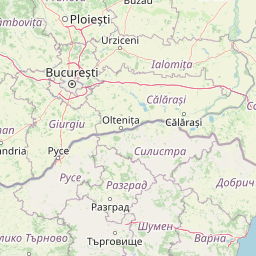
Map view of Comana Natural Park

Use this park location map to pinpoint Comana Natural Park in Romania, understand its exact geographic position, and read its mapped placement within the surrounding landscape more clearly.

Pigeon | © OpenStreetMap contributors

Location context for Comana Natural Park

Giurgiu County
Park atlas

Compare wetland ecosystems and discover connected conservation landscapes across Giurgiu County and the Wallachian Plain.

Discover Other Protected Areas and National Parks Near Comana Natural Park, Giurgiu County
After exploring Comana Natural Park, browse other protected areas, national parks, and natural reserves located across Giurgiu County and surrounding regions. Continue your geographic exploration by comparing wetland ecosystems, floodplain forests, and distinct conservation landscapes found across the Southern Wallachian Plain.
Protected landscape

Bucegi Natural Park: Protected Landscape Mapping and Regional Geographic Overview

Explore its mapped boundaries and natural terrain.

As a protected landscape in Romania, Bucegi Natural Park offers a distinct focus for geographic study and atlas exploration. This detail page provides access to its mapped protected boundaries, helping users understand its specific location and regional context. Discover how this natural area contributes to the broader understanding of protected lands within the national geography. MoriAtlas enables a clear view of Bucegi Natural Park's landscape characteristics and its place within a mapped system of natural reserves.

Area
0.327 km²
Established
2000
IUCN
V
Relief
Mountain
Watercolor illustration of a wetland landscape with lakes, reeds, and distant mountains under a light sky
Protected landscapeBrăila County

Balta Mică a Brăilei Natural Park: Protected Landscape & Lower Danube Wetland Geography

Discover mapped boundaries and critical waterfowl habitats.

Balta Mică a Brăilei Natural Park is a vital protected landscape located in Brăila County, Romania, recognized for its extensive wetland ecosystems and importance for migratory bird populations. Situated within the Lower Danube floodplain, this park serves as a critical habitat and staging area for waterfowl traveling along major flyways. Its designation as a protected landscape highlights its significance for conservation and offers users a rich opportunity for geographic discovery, focusing on its unique riparian and steppe landscape interface, mapped terrain, and ecological value within the regional context.

Area
175.29 km²
Established
2000
IUCN
V
Relief
Lowland
National park

Piatra Craiului National Park: Protected Landscape Atlas and Geographic Context

Explore Romania's unique national park and its mapped terrain.

Navigate the protected geography of Piatra Craiului National Park, a key national park entity. This page details its mapped boundaries and situates its natural landscape within Romania's regional geography, offering a structured point of discovery for geographic atlas enthusiasts. Understand the park's identity as a protected natural area and its contribution to the mapped terrain of the region.

Area
147.66 km²
Established
2000
IUCN
II
Relief
Mountain
Watercolor painting showing green hills, trees, and a river
National parkVâlcea County

Cozia National Park: Protected Landscape and Regional Geography in Vâlcea County

Discover the mapped protected area in Romania's landscape.

Cozia National Park is a key national park situated within Vâlcea County, Romania. This page facilitates the exploration of its protected landscape, offering detailed insights into its geographic context and mapped features. Understand how Cozia National Park contributes to the regional geography and atlas of Romania's protected areas, providing a foundation for structured landscape discovery.

Area
171 km²
Established
2000
IUCN
II
Relief
Mountain
Protected landscapeVrancea County

Putna-Vrancea Natural Park: A Protected Landscape in Vrancea County's Carpathian Mountains

Explore mapped terrain, natural park boundaries, and regional geography.

Putna-Vrancea Natural Park, designated as a protected landscape, offers detailed geographic insights into the Vrancea Mountains in Romania. Users can explore the park's mapped terrain, understand its protected boundaries, and contextualize its natural park status within Vrancea County and the broader Eastern Carpathians region. This atlas-focused view highlights the unique landscape features and regional geographic significance of this Romanian protected area.

Area
302.04 km²
Established
2005
IUCN
V
Relief
Mountain
National parkLovech Province

Central Balkan National Park: Bulgaria's Majestic National Park and Protected Landscape

Explore mapped alpine terrain and ancient forests in Lovech Province.

Central Balkan National Park is a significant protected area in Bulgaria, renowned for its stunning mountain geography and exceptionally well-preserved ancient beech forests. Located within Lovech Province, the park's landscape is defined by dramatic peaks, including Botev Peak, deep canyons, and alpine meadows, offering a rich context for geographical exploration and understanding its protected status. Its ecosystem health and ecological value are underscored by multiple nature reserves and its recognition as part of a UNESCO World Heritage Site.

Area
716.69 km²
Established
1991
IUCN
II
Relief
Mountain
National parkVâlcea County

Buila-Vânturarița National Park: Romania's National Park in Vâlcea County Geography

Mapped protected landscape within Vâlcea County.

Delve into the specifics of Buila-Vânturarița National Park, a designated national park in Vâlcea County, Romania. This detailed entry focuses on its protected landscape identity and geographic placement, offering precise mapped boundary information relevant for atlas exploration. Understand how this national park contributes to the regional geography and protected area network, providing a foundational element for structured discovery of Romania's natural environments.

Area
41.86 km²
Established
2005
IUCN
II
Relief
Mountain
Protected landscapeSibiu County

Dumbrava Sibiului Natural Park: Protected Landscape Atlas and Geographic Discovery

Explore the mapped natural terrain and regional context.

Dumbrava Sibiului Natural Park is a designated protected landscape offering a unique lens into Romania's natural geography. This entry provides detailed atlas-level information on the park's protected boundaries and its setting within Sibiu County, part of the historic Transylvania region. Understand the park's landscape character and its role in the regional geography through structured map data.

Area
9.93 km²
Established
2000
IUCN
V
Relief
Lowland

Common questions about visiting, size, designation, and location context for Comana Natural Park

Comana Natural Park FAQs for park facts, access, geography, and protected area context
Find quick answers about Comana Natural Park, including protected-area facts, park geography, trail and visitor context, and how the park fits into its surrounding country and regional landscape.
MoriAtlas Explorer

Continue Your Protected Areas Search Across the Global Atlas

Deepen your exploration by continuing the structured search for national parks and protected areas worldwide. Utilize the comprehensive filtering capabilities to compare different conservation landscapes and refine your understanding of global park geography. Discover more about the distribution and characteristics of protected natural areas.

Global natural geography