Why Cumbres de Majalca National Park stands out
Cumbres de Majalca is best known for its spectacular volcanic rock formations, sculpted into remarkable shapes by wind and water erosion over millennia. The peñón (rock formation) known as El Cuadrado stands as an iconic geological feature of the park. The park is also renowned as one of the few places in northern Mexico where the American black bear maintains a population, making it significant for large mammal conservation in the region. Additionally, the park's location within the Sierra Madre Occidental provides a rare example of mid-elevation coniferous forest ecosystem in the Chihuahuan Desert region.
Cumbres de Majalca National Park history and protected-area timeline
Cumbres de Majalca National Park was established by federal decree on September 1, 1939, making it one of the older protected areas in Mexico. The park was created specifically to preserve the natural habitat for endemic flora and fauna in this mountainous region of Chihuahua. Following its designation during the mid-twentieth century, the park underwent active reforestation efforts focused on establishing coniferous species, particularly various pine species suited to the high-elevation environment. The creation of the park reflected growing awareness in Mexico during the early twentieth century of the need to protect unique natural areas, and the park remains governed by the Secretariat of the Environment and Natural Resources. The original decree designated 4,772 hectares for protection, a boundary that has been maintained to preserve the ecological integrity of the Sierra de Majalca ecosystem.
Cumbres de Majalca National Park landscape and geographic character
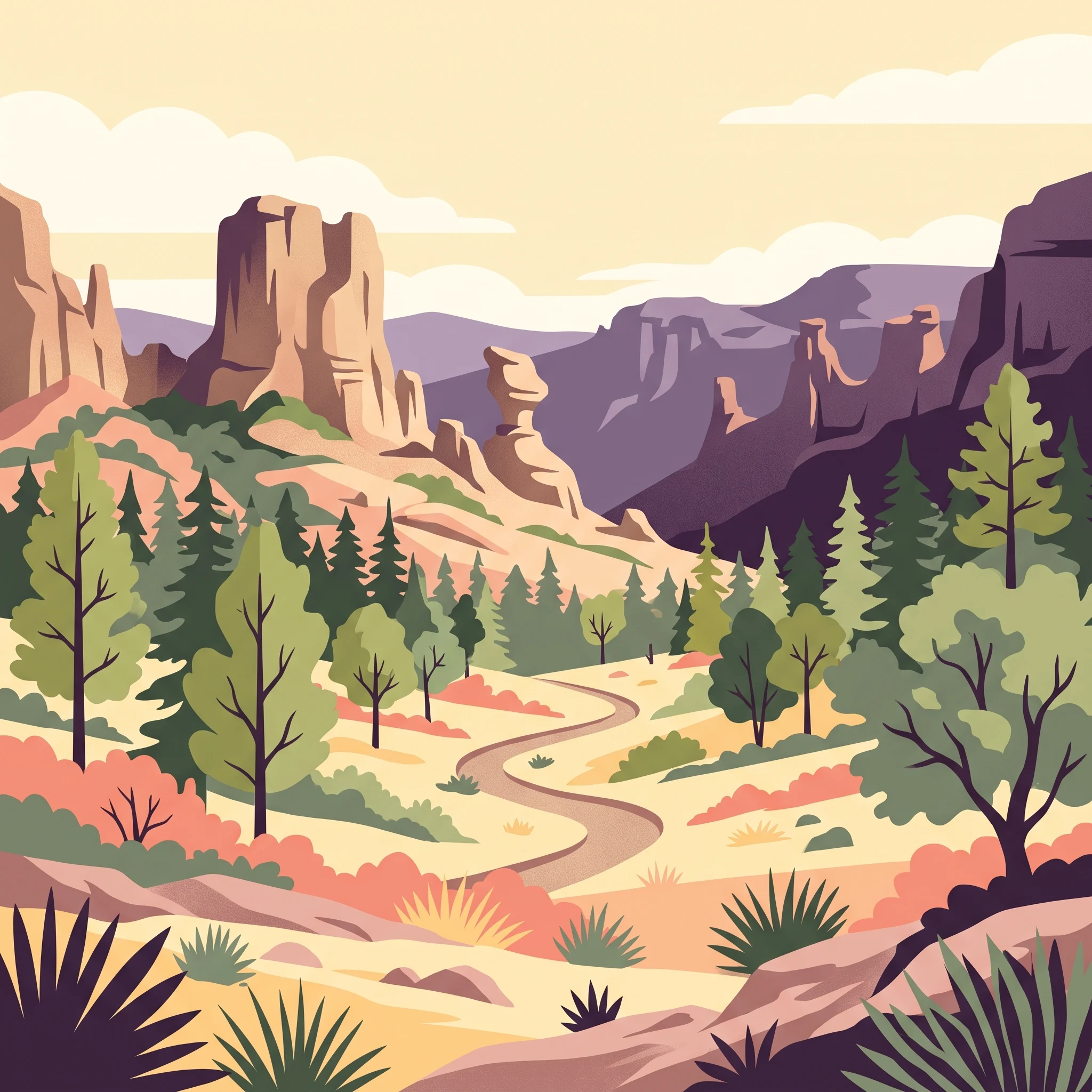
The landscape of Cumbres de Majalca National Park is defined by its volcanic mountain terrain within the Sierra de Majalca, a subrange of the Sierra Madre Occidental. The mountains of the park, while not the highest in Chihuahua, rise dramatically from the surrounding semi-arid plains, with peaks reaching approximately 2,600 meters above sea level. The dominant geological feature is the prevalence of volcanic rocks that have been extensively eroded into extraordinary formations. These eroded volcanic boulders create a landscape of towering rocks, dramatic spires, and unusual shapes that distinguish the park visually. The park lies within the Transition Bavícora-Bustillos zone, characterized by numerous small elevated valleys surrounded by volcanic peaks. Key elevations within the park include Cerro Las Escobas, Cerro La Puerta, Cerro Los Almíceres, and Cerro del Agua. The Sacramento River has its origin in the Sierra de Majalca, flowing eastward toward Chihuahua city before joining the Chuvíscar River.
Cumbres de Majalca National Park ecosystems, habitats, and plant life
The ecological character of Cumbres de Majalca reflects a transition between two distinct climate zones and vegetation types. At higher elevations, the park supports coniferous forest dominated by species including Pinus leiophylla (Chihuahua pine), Pinus cembroides (Mexican pinyon), Pinus engelmannii (Encelmann pine), and several Abies (fir) species. These pine forests extend from the highest elevations down into the transition zone between mountains and steppe. At lower elevations, the landscape shifts to semi-arid steppe characterized by grasslands and xerophytic shrubs, with various Juniperus species appearing in the transition zone. The park is situated within a fragile ecosystem that supports remarkable biodiversity given the surrounding desert environment, with more than 550 plant and animal species documented within the park boundaries according to Mexico's National Biodiversity Information System.
Cumbres de Majalca National Park wildlife and species highlights
Cumbres de Majalca harbors a notable mammalian fauna that includes species typical of Mexican mountainous forests. The American black bear represents the most significant conservation priority, as the park is one of the few areas in northern Mexico where this species persists. Other mammals present include cougar, white-tailed deer, eastern cottontail, North American porcupine, bobcat, and coyote. The avian community features species associated with forest and cliff habitats, including peregrine falcon, golden eagle, wild turkey, common pheasant, Arizona woodpecker, Strickland's woodpecker, and ladder-backed woodpecker. At lower elevations, reptile diversity includes the northern Mexican pine snake and various small lizards. The park supports species that face conservation concerns, with eight species documented as being within some category of risk under Mexico's official environmental norm NOM-059.
Cumbres de Majalca National Park conservation status and protection priorities
Cumbres de Majalca National Park holds significant conservation value for several reasons. The park protects one of the few remaining habitats in northern Mexico for the American black bear, a species that has experienced range contraction throughout the country. The protected area also preserves representative examples of the Sierra Madre Occidental's transition-zone ecosystems, which are limited in extent regionally. The park's establishment in 1939 reflects early Mexican conservation efforts, and its continued protection preserves geological and ecological values that would otherwise face pressure from human activities. The presence of eight species within risk categories under Mexican environmental legislation underscores the park's role in biodiversity preservation. Additionally, the park functions as a watershed protection area for the Sacramento River, which provides water resources for the Chihuahua metropolitan area.
Cumbres de Majalca National Park cultural meaning and human context
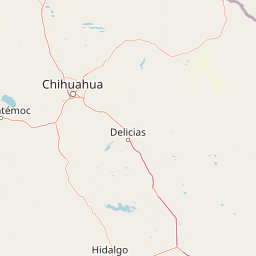
Cumbres de Majalca serves as a recreational escape for residents of Chihuahua city and surrounding communities, functioning as a traditional weekend destination for families seeking mountain relief from the desert heat. The park area has been used historically by local communities, and ejidos (communal agricultural lands) within and adjacent to the park provide basic visitor services. The landscape holds cultural significance for local populations who have inhabited the region for generations, with the mountain environment providing resources and identity. The access route from Chihuahua follows a historic corridor connecting the state capital with Ciudad Juárez along the Pan-American Highway (Mexico 45), a fundamental transportation axis in northern Mexico.
Top sights and standout views in Cumbres de Majalca National Park
The park's most compelling highlight is its dramatic volcanic rock formations, particularly the iconic Peñón de El Cuadrado, which stands as a symbol of the park's geological character. The presence of black bears in a relatively accessible mountain setting offers wildlife observation opportunities uncommon in northern Mexico. The network of 53 kilometers of trails provides access for hiking and mountain biking through varied terrain and vegetation zones. The contrast between the high-elevation pine forest environment and the surrounding Chihuahuan Desert creates a distinctive ecological experience for visitors. The park also offers developed camping areas, including the Cañón de Las Hadas with sanitary facilities and stone tables, along with rental cabins for visitors.
Best time to visit Cumbres de Majalca National Park
The park can be visited year-round, though the experience varies significantly by season. Summer months bring warmer temperatures, particularly in the lower elevations where temperatures can exceed 35 degrees Celsius, but the higher elevations remain pleasant. The summer rainy season occurs from June through September, with August typically receiving the most precipitation, creating lush green conditions but also occasional access limitations. Winter conditions at higher elevations feature cold temperatures that can drop below minus 10 degrees Celsius, with frequent snowstorms particularly toward the end of the season, averaging 112 days annually with sub-zero temperatures. The transition seasons of spring and fall offer milder conditions and provide excellent opportunities for hiking and wildlife observation. For most visitors, the period from March through May and from September through November offers the most comfortable conditions for outdoor activities.