
Mori Atlas logo
National parkCumbres del Ajusco National Park

Discover the mapped boundaries and regional geography of this significant protected area.

Cumbres del Ajusco National Park: A Protected National Park Landscape in Mexico

(Parque Nacional Cumbres del Ajusco)

Cumbres del Ajusco National Park represents a vital component of Mexico's protected natural areas. This page provides detailed information for atlas-driven exploration, focusing on the park's geographic scope and its identity as a national park. Understand its position within the broader Mexican landscape and explore its mapped territory for a clear view of its protected boundaries and natural context.

national parkhighland forestvolcanic landscapepine-oak forestmountain peaksprotected area

Cumbres del Ajusco National Park

National park

Park overview

Structured park overview, official facts, and landscape profile for Cumbres del Ajusco National Park

Cumbres del Ajusco National Park park facts, protected area profile, and essential visitor context
Review the core facts for Cumbres del Ajusco National Park, including designation, size, terrain, visitor scale, habitats, and operating context in one park-focused overview.

About Cumbres del Ajusco National Park

Cumbres del Ajusco National Park represents one of the most significant protected areas within the Mexico City metropolitan region, serving as both a biodiversity reservoir and a critical ecological service provider for millions of people. The park occupies a strategic position in the southern highlands of the city, protecting the Sierra de Ajusco-Chichinauhtzin, a volcanic mountain range that forms part of the transverse volcanic belt crossing central Mexico. The geological foundation consists of perforated volcanic rock that inhibits surface river formation but allows numerous subterranean rivers to feed fresh water springs in the lower valleys. This hydrogeological characteristic makes the area vital for groundwater recharge and spring formation, with the Xochimilco Springs serving as an important water source for the city. The park's name, derived from Nahuatl, appropriately describes a mountainous region characterized by lush green forest and abundant flowers resulting from significant precipitation. The ecosystem faces significant pressure from urban expansion, with deforestation affecting upper slopes and fragmenting habitat for endemic species. Despite these challenges, the park maintains remarkable biodiversity representative of the Cordillera Neovolcanica, supporting species assemblages that have evolved in isolation on these high-elevation volcanic peaks.

Quick facts and research context for Cumbres del Ajusco National Park

Cumbres del Ajusco National Park covers 920 hectares in southern Mexico City, protecting the Sierra de Ajusco-Chichinauhtzin mountain range within the Cordillera Neovolcanica. The park was established in 1936 and contains the highest peak in Mexico City, Cerro La Cruz del Marqués at 3,930 meters. The park is a critical component of the Gran Bosque de Agua (Great Water Forest), providing fresh water to the metropolitan area through numerous springs including the important Xochimilco Springs. The ecosystem supports three distinct climate zones ranging from subtropical highland to tropical alpine tundra, with an average annual temperature of 13°C.

Park context

Deeper park guide and search-rich context for Cumbres del Ajusco National Park

Cumbres del Ajusco National Park history, landscape, wildlife, and travel context
Explore Cumbres del Ajusco National Park through its history, landscape character, ecosystems, wildlife, conservation priorities, cultural context, and seasonal travel timing in a structured park guide built for atlas discovery and search intent.

Why Cumbres del Ajusco National Park stands out

Cumbres del Ajusco is best known for its dramatic high-elevation volcanic landscape and its role as a critical water source for central Mexico. The park contains the highest peaks within Mexico City's boundaries, including Cerro La Cruz del Marqués which rises 1,400 meters above the city. Its pine-oak forests at elevations between 2,350 and 4,000 meters support endangered species including Pinus hartwegii and provide habitat for the volcano rabbit, one of the smallest rabbit species in the world. The mountain range functions as the Gran Bosque de Agua, meeting water demands for millions of residents in the Mexico City metropolitan area.

Cumbres del Ajusco National Park history and protected-area timeline

Human activity in the Cumbres del Ajusco region dates back to approximately 1200 BC, with the Otomí peoples considered the first inhabitants of the Ajusco area. During the pre-Columbian era, the area now known as Tlalpan was inhabited by the Tepaneca people along the San Buenaventura River. The 17th century brought significant changes when the Viceroyalty of New Spain implemented policies to relocate indigenous populations from the mountainous areas, consolidating them in smaller areas to facilitate Christian conversion. This policy resulted in the establishment of numerous Spanish missions and churches along the edges of the Cumbres del Ajusco, several of which still exist today. The national park was originally created by federal decree on September 23, 1936, representing one of the earliest conservation designations in the Mexico City region. The protected area was significantly expanded to its current extent of 920 hectares on May 19, 1947, solidifying its role in protecting the watershed and mountain ecosystems.

Cumbres del Ajusco National Park landscape and geographic character

The landscape of Cumbres del Ajusco National Park is defined by its dramatic volcanic mountain terrain within the Sierra de Ajusco-Chichinauhtzin, part of the Cordillera Neovolcanica that crosses central Mexico. The park encompasses several prominent peaks, with Cerro La Cruz del Marqués standing as the highest point at 3,930 meters above sea level, rising approximately 1,400 meters above the Mexico City basin. Other significant peaks include Pico del Águila at 3,880 meters, Mount Santo Tomás at 3,710 meters, and Mezontepec at 3,480 meters. The terrain is characterized by steep slopes, canyons, and valleys, with aspect direction creating varied microclimates across the mountain faces. The volcanic geology consists of porous rock formations that prevent surface river development but support extensive subterranean water systems. The landscape transitions from pine-oak forests at mid-elevations to high mountain grasslands and alpine tundra conditions at the highest reaches, creating a vertically stratified environment uncommon in other Mexico City protected areas.

Cumbres del Ajusco National Park ecosystems, habitats, and plant life

The ecological character of Cumbres del Ajusco is defined by its position within the transition between Neotropical and Nearctic biogeographical regions, supporting a distinctive assemblage of species adapted to high-elevation volcanic conditions. The park contains three distinct climate zones according to the Köppen classification: subtropical highland climate below 2,000 meters with summer wet season and winter dry season, upper subtropical highland climate between 2,000 and 3,000 meters with year-round precipitation, and tropical alpine tundra above 3,000 meters. The vegetation follows this elevational gradient, with oak forests at lower elevations transitioning to pine forests between 2,350 and 4,000 meters, and eventually to alpine grasslands at the highest peaks. The park forms part of the Gran Bosque de Agua, a mountainous forest area that meets water demands for one of the largest population centers in the world. The ecosystem provides critical hydrological services through groundwater recharge and spring maintenance, with the Xochimilco, Nativitas, and Las Fuentes Brotantes springs feeding the metropolitan water supply.

Cumbres del Ajusco National Park wildlife and species highlights

The wildlife community of Cumbres del Ajusco reflects the park's position within the Cordillera Neovolcanica biodiversity hotspot, with species assemblages shaped by elevation gradients and habitat heterogeneity. The mammalian fauna includes the volcano rabbit (Romerolagus diazi), one of the world's smallest and most endangered rabbit species, which inhabits the high-elevation grasslands. Other mammals include several bat species, shrews, opossums, squirrels, least weasels, skunks, coyotes, and bobcats. The avifauna is particularly notable due to the park's proximity to Mexico City, with bird species frequently foraging in the metropolitan area. Common bird species include house sparrows, barn swallows, larks, woodpeckers, blue jays, black vultures, and golden eagles. Reptile diversity includes three common snake species: milk snakes, rattlesnakes, and plain-bellied water snakes. The fauna changes along elevational gradients, with different species assemblages occupying the canyon bottoms, forest zones, and alpine meadows.

Cumbres del Ajusco National Park conservation status and protection priorities

Cumbres del Ajusco National Park holds significant conservation importance as a protected area within one of the world's largest metropolitan regions. The park is designated under IUCN Category II, recognizing its national park status and primary conservation mandate. The protected area serves critical ecological functions as part of the Gran Bosque de Agua, providing ecosystem services that sustain millions of residents in central Mexico through water catchment and groundwater recharge. The high-elevation forests harbor endemic species adapted to the volcanic mountain environment, including the endangered Pinus hartwegii pine species. However, the park faces ongoing conservation challenges from urbanization pressures emanating from the expanding Mexico City metropolitan area. Deforestation on upper slopes has expanded the artificial tundra zone, and habitat fragmentation threatens species movement between forest patches. The park's position as an island of protected habitat within an urban matrix creates unique management challenges balancing conservation objectives with visitor access.

Cumbres del Ajusco National Park cultural meaning and human context

The cultural landscape of Cumbres del Ajusco reflects thousands of years of human presence in the highland region south of the Mexico City basin. The Otomí peoples were the earliest known inhabitants, establishing presence in the area around 1200 BC. During the pre-Columbian period, the region was inhabited by the Tepaneca civilization, with the area around present-day Tlalpan serving as an important settlement zone along the San Buenaventura River. The Spanish colonial period brought significant cultural and demographic changes during the 17th century, when the Viceroyalty of New Spain implemented policies to relocate indigenous populations from the mountainous areas into consolidated settlements for religious conversion. This colonial intervention resulted in the establishment of numerous missions and churches that remain visible features along the edges of the mountain range. The park encompasses areas within the Tlalpan borough, which maintains historical significance as a pre-Columbian settlement and colonial mission center.

Top sights and standout views in Cumbres del Ajusco National Park

Cumbres del Ajusco offers visitors access to Mexico City's highest natural peaks and most significant high-elevation forest ecosystem. The dramatic volcanic landscape provides panoramic views of the Mexico City basin from Cerro La Cruz del Marqués, the city's tallest peak. The park's trail systems traverse diverse habitats from oak-pine forests to alpine meadows, offering ecological interpretation opportunities. The area serves as a critical watershed, protecting springs that supply the metropolitan area with fresh water. The park's proximity to Mexico City makes it accessible for day visits while providing meaningful wilderness experience. The volcanic geology, endemic species, and cultural heritage combine to create a distinctive protected area representing both ecological and historical values.

Best time to visit Cumbres del Ajusco National Park

The optimal time to visit Cumbres del Ajusco depends on visitor interests and tolerance for weather conditions. The summer months from June through September correspond to the wet season, bringing lush green vegetation and flowering plants but also afternoon rain and potential trail conditions. Winter visits from December through February offer clearer skies and visibility across the valley, though temperatures can drop below freezing at higher elevations, and snow may blanket the peaks. The spring months of March through May provide moderate temperatures and increasing floral displays as the dry season progresses. The average annual temperature of 13°C means visitors should prepare for cool conditions year-round, with temperatures at the highest peaks potentially falling below -4°C during winter nights. The dry season from November through April generally offers more predictable trail conditions, while the wet summer season showcases the park's characteristic lush vegetation.
Park location guide

Geography guide, regional context, and park location map for Cumbres del Ajusco National Park

Cumbres del Ajusco National Park park geography, regions, and map view in Mexico
Understand where Cumbres del Ajusco National Park sits in Mexico through a broader geographic reading of the surrounding landscape, nearby location context, and its mapped position within the national park landscape.

How Cumbres del Ajusco National Park fits into Mexico

Mexico, officially the United Mexican States, is a country in North America spanning the Sierra Madre mountain ranges, coastal plains, and tropical regions. It borders the United States to the north, Guatemala and Belize to the southeast, and has coastlines along the Pacific Ocean, Gulf of Mexico, and Caribbean Sea. With a population exceeding 130 million, Mexico is home to one of the world's most significant concentrations of Indigenous languages alongside Spanish.

Wider geography shaping Cumbres del Ajusco National Park in Mexico

Mexico occupies a land area of 1,972,550 km2, making it the thirteenth-largest country in the world. The terrain is highly diverse, featuring the Sierra Madre Occidental and Sierra Madre Oriental mountain ranges, the Mexican Plateau, coastal lowlands along the Pacific and Gulf/Caribbean margins, and the Yucatan Peninsula. The country spans multiple climate zones from desert in the north to tropical rainforest in the south.

Map view of Cumbres del Ajusco National Park

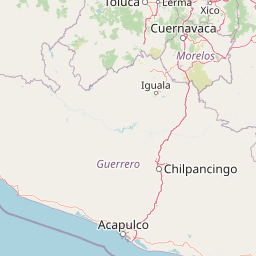
Use this park location map to pinpoint Cumbres del Ajusco National Park in Mexico, understand its exact geographic position, and read its mapped placement within the surrounding landscape more clearly.

Pigeon | © OpenStreetMap contributors

Location context for Cumbres del Ajusco National Park

Mexico City
Park atlas

Explore the broader regional park geography and protected landscapes within Mexico's volcanic highlands, comparing similar ecosystems.

Discover Other Protected Areas Near Cumbres del Ajusco National Park and Central Mexico
Continue your park discovery by browsing other national parks and protected areas surrounding Cumbres del Ajusco National Park, tracing the broader volcanic terrain and high-elevation forest ecosystems across central Mexico. This contextual view allows for geographic comparison of different conservation landscapes, offering deeper insights into regional protected areas beyond a single park's details.
National parkMexico

Fuentes Brotantes de Tlalpan National Park: National Park Geographic Atlas and Terrain Exploration

Explore protected land boundaries and mapped natural landscapes.

Delve into the geographic specifics of Fuentes Brotantes de Tlalpan National Park, a protected national park situated within Mexico. This detailed view highlights the park's mapped terrain and its significance as a distinct natural landscape. Understand its role in the country's protected area network and its contribution to the broader atlas of natural geography.

Area
0.08 km²
Established
1936
IUCN
II
Relief
Upland
National parkMexico City

Desierto de los Leones National Park: Protected National Park and its Geographic Setting

Explore mapped boundaries and regional landscape context near Mexico City.

Delve into the specifics of Desierto de los Leones National Park, a designated national park recognized for its protected landscape. This MoriAtlas entry focuses on its geographic presence within the Mexico City region, providing clear insights into its mapped boundaries and the surrounding natural terrain. Understand the park's importance as a conservation area and its contribution to the regional geography through dedicated atlas data.

Area
18.67 km²
Established
1917
IUCN
II
Visitors
205K annual
National parkState of Mexico

Lagunas de Zempoala National Park: Protected Landscape and Geographic Atlas Entry

Explore mapped boundaries and natural terrain context.

Lagunas de Zempoala National Park is a dedicated protected area within the State of Mexico, serving as a vital point for understanding national park geography and landscape mapping. This entry provides foundational atlas data on its protected boundaries and its specific natural terrain. It is designed for users seeking structured information on the park's geographic scope and its importance as a mapped natural landscape for regional context.

Area
47.9 km²
Established
1936
IUCN
II
Relief
Mountain
National parkMexico State

Los Remedios National Park: Protected Landscape and Historical Geography of Mexico State

Mapped terrain and cultural heritage within this unique national park.

Delve into the protected landscape of Los Remedios National Park, a national park situated in Mexico State. This page provides detailed geographic context, focusing on its volcanic terrain, mapped boundaries, and the convergence of pre-Hispanic and colonial heritage. Understand its role as a protected area within the western Valley of Mexico and explore the mapped elements that define its cultural and natural identity.

Area
4 km²
Established
1938
IUCN
II
Relief
Mountain
National parkMorelos

El Tepozteco National Park: Protected National Park in Morelos

Explore the mapped geography and protected landscape of this Mexican national park.

Delve into El Tepozteco National Park, a key protected area designated as a national park within the Morelos region of Mexico. This profile provides detailed insight into its mapped boundaries and its significance within the broader regional geography. It serves as a resource for understanding the park's protected landscape and its context for atlas-based geographic exploration.

Area
232.587 km²
Established
1937
IUCN
II
Relief
Mountain
National parkMexico

Iztaccíhuatl, Popocatépetl National Park: Mexico's National Park Protected Area

Mapped boundaries and regional geographic context.

Iztaccíhuatl, Popocatépetl National Park is a protected natural landscape offering insight into Mexico's geography. This atlas entry focuses on the park's defined boundaries and its role within the national protected areas framework. Explore the unique geographic character and mapped extent of this significant park, understanding its position within the country's natural landscape atlas.

Area
398.19 km²
Established
1935
IUCN
II
Relief
Mountain
National parkHidalgo

El Chico National Park: National Park Boundaries and Regional Geography in Hidalgo

Explore the mapped protected landscape and terrain of this national park.

El Chico National Park is a distinct protected area offering insight into Mexico's regional geography and conservation landscapes. This page details its specific geographic footprint, the character of its natural terrain, and its place within Hidalgo's broader protected areas atlas. Users can examine mapped boundaries and understand the park's unique environmental context.

Area
27.39 km²
Established
1982
IUCN
II
Relief
Mountain
National parkMichoacán

Insurgente José María Morelos y Pavón National Park: Mapped Protected Landscape in Michoacán

Discover its geographic context and protected area boundaries.

Explore Insurgente José María Morelos y Pavón National Park, a designated national park in Michoacán, Mexico. This page provides detailed insights into its protected status, mapped geographic features, and its role as a significant natural landscape within the regional atlas. Understand the park's protected boundaries and its contribution to the geographic understanding of Michoacán.

Area
71.92 km²
Established
1939
IUCN
II
Relief
Mountain

Common questions about visiting, size, designation, and location context for Cumbres del Ajusco National Park

Cumbres del Ajusco National Park FAQs for park facts, access, geography, and protected area context
Find quick answers about Cumbres del Ajusco National Park, including protected-area facts, park geography, trail and visitor context, and how the park fits into its surrounding country and regional landscape.
MoriAtlas Explorer

Continue Your Protected Areas Search Across the Global Atlas

Deepen your exploration by continuing the structured search for national parks and protected areas worldwide. Utilize the comprehensive filtering capabilities to compare different conservation landscapes and refine your understanding of global park geography. Discover more about the distribution and characteristics of protected natural areas.

Global natural geography