Why Derman, Ostroh National Nature Park stands out
Derman, Ostroh is notable for its transitional ecological position between two major European landscape zones, creating a diversity of habitats uncommon in such a relatively compact protected area. The park contains the Bushchansky bog, one of the easternmost Middle European carbonate marshes, representing a rare wetland type in the region. It also protects significant old-growth forest stands, including a 400-year-old chestnut tree and a 300-year-old linden tree within the "Turova's grave" monument area. The park's valley location and proximity to the Kremenets Mountains create varied topography that supports botanical reserves, ornithological protection areas, and geological features.
Derman, Ostroh National Nature Park history and protected-area timeline
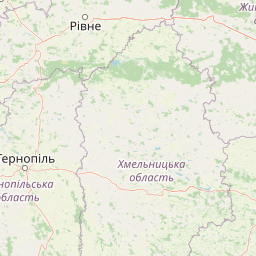
Derman–Ostroh National Nature Park was established in 2009 through official decree, designating this valley landscape in Rivne Oblast as a protected area of national significance. The creation of the park reflected growing recognition in Ukraine of the ecological importance of the transition zone between the Polesian and Podolian landscapes, where forest and wetland habitats intermingle in ways not found elsewhere in the country. Prior to national park designation, the area had existing nature reserves and protected zones, including the Bushchansky Reserve and various botanical and ornithological preserves that were integrated into the new park structure. The park is governed by the Ministry of Ecology and Natural Resources of Ukraine, which oversees its management and conservation programs. The establishment also aimed to support sustainable ecotourism in the region, providing educational opportunities about the park's unique blend of habitats and the ecological processes that shape this transitional landscape.
Derman, Ostroh National Nature Park landscape and geographic character
The physical landscape of Derman–Ostroh is defined by the Zbytynka River valley, a relatively narrow corridor of lowland that separates two distinct upland regions. To the north, the Mizotsky Ridge forms part of the Volhynian Upland, while to the south, the Kremenets Mountains rise as a prominent landscape feature. The valley floor itself ranges from waterlogged floodplain to sandy terrace remnants, with the immediate surrounding heights rising only a few hundred meters above the valley floor. This modest elevation difference nonetheless creates meaningful changes in moisture regimes, soil conditions, and vegetation communities across short distances. The park's scattered sector arrangement reflects the valley's irregular shape and the way different ecological features occur in pockets along the river corridor. The landscape includes alder and pine forest complexes in wetter areas, mixed conifer and deciduous stands on drier ground, and open wetland areas where sedge and reed communities dominate.
Derman, Ostroh National Nature Park ecosystems, habitats, and plant life
The ecological character of Derman–Ostroh reflects its position at the junction of two major European landscape zones, creating a blend of habitats that would not occur in either region alone. The park lies entirely within the Central European mixed forests ecoregion, characterized by deciduous and mixed forest communities typical of temperate Europe. Approximately half of the park area is covered in forest, with pine and oak as the dominant tree species, while beech and spruce occur in smaller patches. The climate is humid continental with a warm summer subtype (Dfb), featuring significant seasonal temperature variation, mild summers, and cold winters with substantial snowfall. Of particular ecological significance is the Bushchansky bog, a lowland marsh representing one of the easternmost examples of Middle European carbonate marshes. This wetland type is rare in eastern Europe and supports specialized plant communities adapted to alkaline conditions. The combination of forest, wetland, and valley habitats creates a mosaic that supports diverse ecological communities.
Derman, Ostroh National Nature Park wildlife and species highlights
The wildlife of Derman–Ostroh benefits from the diversity of habitats created by the valley landscape and forest-wetland mixture. The park's forest communities, dominated by pine and oak with some beech and spruce, provide habitat for typical Central European forest species. The wetland areas, particularly the Bushchansky bog and the Zbitensky Ornithological Reserve, support waterfowl and bird species associated with marsh and riparian environments. The Zbytynka River floodplain and surrounding wetlands create breeding habitat for various bird species, which the ornithological reserve specifically protects. The old-growth forest elements, including the ancient chestnut and linden trees in the "Turova's grave" section, provide habitat for species that depend on veteran trees for nesting or foraging. While the Wikipedia source does not detail specific wildlife species, the habitat diversity suggests support for both forest-dwelling and wetland-dependent animal communities.
Derman, Ostroh National Nature Park conservation status and protection priorities
Derman–Ostroh National Nature Park serves important conservation functions within Ukraine's protected area network. The park protects a rare example of the transition between the Polesian Lowland and Podolian Upland ecosystems, preserving ecological processes and species assemblages that depend on this geographic boundary. The Bushchansky bog represents a particularly significant conservation priority as one of the easternmost carbonate marshes in Middle Europe, a wetland type that has been lost or degraded across much of its historic range. The park's multiple reserve sectors protect different ecological features, from geological formations on the Mizotsky Ridge to botanical areas in the river floodplain and ornithological protection for breeding wetlands. As an IUCN Category II national park, the designation provides a framework for both habitat protection and sustainable public use, allowing visitors to experience the park's natural values while maintaining conservation objectives.
Derman, Ostroh National Nature Park cultural meaning and human context
The Derman–Ostroh area has historical connections to the broader Ostroh region, a territory with centuries of human presence in northwestern Ukraine. The Zbytenka River floodplain reserve holds local cultural importance beyond its botanical significance, reflecting the long relationship between local communities and this landscape. The park's proximity to Ostroh, a historic town in Rivne Oblast, connects the protected area to regional heritage and provides a context for understanding how human settlement patterns have interacted with the valley environment over time. While the park's primary focus is on natural landscape protection, the cultural dimension is acknowledged through the inclusion of areas with local cultural significance within the reserve structure.
Top sights and standout views in Derman, Ostroh National Nature Park
The park's defining highlights include its transitional position between two major European landscapes, the rare carbonate marsh at Bushchansky, and the combination of forest and wetland habitats in a relatively compact valley setting. The presence of ancient trees, including a 400-year-old chestnut and 300-year-old linden, provides tangible connections to the landscape's long ecological history. The network of 22 protected sectors, each preserving different features from geological outcrops to ornithological wetlands, creates a comprehensive protection framework. The park offers outdoor recreation through its 6.5-kilometer educational ecological trail, 38-kilometer ecotrail along the river, and 65-kilometer bicycle trail encircling the area.
Best time to visit Derman, Ostroh National Nature Park
The best time to visit Derman–Ostroh depends on the experience sought. The summer months of June through August offer warm conditions suitable for hiking the various trails, with the valley's wetlands and forests displaying full vegetation. The spring months of April and May bring bird migration and the awakening of wetland communities, making this period particularly interesting for ornithological interest. Autumn provides the opportunity to experience the forest in fall coloration and generally stable weather conditions. Winter visits offer a different perspective of the valley landscape, though the cold continental climate means snowy conditions and reduced trail accessibility. The park's proximity to Ostroh and available nearby accommodations support visits throughout the year.