Mori Atlas logo
Protected landscapeDumbrava Sibiului Natural Park

Discover the mapped boundaries and regional landscape of this Romanian protected area.

Dumbrava Sibiului Natural Park: Protected Landscape and Geographic Context in Sibiu County

(Parcul Natural Dumbrava Sibiului)

Dumbrava Sibiului Natural Park represents a significant protected landscape within Sibiu County, Romania. This page offers a detailed atlas-oriented view of the park, focusing on its geographic setting and mapped protected boundaries. Understand the park's place within the broader Transylvanian region and its natural terrain context.

Deciduous ForestNature ParkRomaniaSibiu CountyAncient WoodlandUrban Green Space

Dumbrava Sibiului Natural Park

Protected landscape

Park overview

Structured park overview, official facts, and landscape profile for Dumbrava Sibiului Natural Park

Dumbrava Sibiului Natural Park park facts, protected area profile, and essential visitor context
Review the core facts for Dumbrava Sibiului Natural Park, including designation, size, terrain, visitor scale, habitats, and operating context in one park-focused overview.

About Dumbrava Sibiului Natural Park

Dumbrava Sibiului Natural Park occupies a unique position as both a biodiversity reserve and a historical cultural landscape at the edge of Romania's Sibiu municipality. The protected area was formally established in 2000 under Law Number 5, which approved the national territorial planning scheme's protected zones section, though the forest itself had served as a recreational area for Sibiu residents since at least the 18th century. The park encompasses the Dumbrava Forest, a mature woodland that forms part of the green infrastructure surrounding the historic city. The Trinkbach River traverses the forest, creating a series of three artificial lakes that add ecological diversity and visual appeal to the landscape. The area is situated within the Sibiu Depression, a basin that has long been inhabited and cultivated, making this forest remnant an important ecological anchor for the broader region. The park lies approximately 4 kilometers south of Sibiu's city center and is accessible via county road 106A, which connects the city with the commune of Rășinari. The presence of the ASTRA National Museum Complex within the park's immediate vicinity, though not formally part of the protected area, has shaped the area's character and visitor use patterns for decades.

Quick facts and research context for Dumbrava Sibiului Natural Park

Dumbrava Sibiului Natural Park covers approximately 993 hectares of forested terrain at the southwestern edge of Sibiu, Romania's historic transylvanian city. The protected area was established by Law Number 5 in March 2000 to preserve biodiversity and maintain favorable conservation conditions for the flora and fauna of the Sibiu Depression. The landscape features mature oak-dominated woodland, with English oak trees exceeding 100 years old forming the dominant canopy species. The Trinkbach River flows through the forest, creating a chain of three anthropic lakes that provide wetland habitat within the broader woodland ecosystem. The park sits at elevations reaching 606 meters and forms part of the Continental biogeographic region. The area is also notable for containing the ASTRA National Museum Complex, one of Romania's largest open-air ethnographic museums, which draws visitors to the area independent of the natural park designation.

Park context

Deeper park guide and search-rich context for Dumbrava Sibiului Natural Park

Dumbrava Sibiului Natural Park history, landscape, wildlife, and travel context
Explore Dumbrava Sibiului Natural Park through its history, landscape character, ecosystems, wildlife, conservation priorities, cultural context, and seasonal travel timing in a structured park guide built for atlas discovery and search intent.

Why Dumbrava Sibiului Natural Park stands out

Dumbrava Sibiului is best known as Sibiu's historic urban forest, a centuries-old recreational landscape that remains woven into the city's identity. The park is distinguished by its ancient oak forest, with specimens of English oak exceeding 100 years old forming a notable ancient woodland in a peri-urban setting. The presence of the ASTRA National Museum Complex, one of Romania's largest open-air museums showcasing traditional rural architecture and folk culture, gives the area a cultural dimension uncommon in typical natural preserves. The Trinkbach River and its chain of three lakes provide aquatic habitat and scenic variety within the forest, while the rolling terrain reaching 606 meters at Obreja Peak offers elevated viewpoints over the surrounding Sibiu Depression.
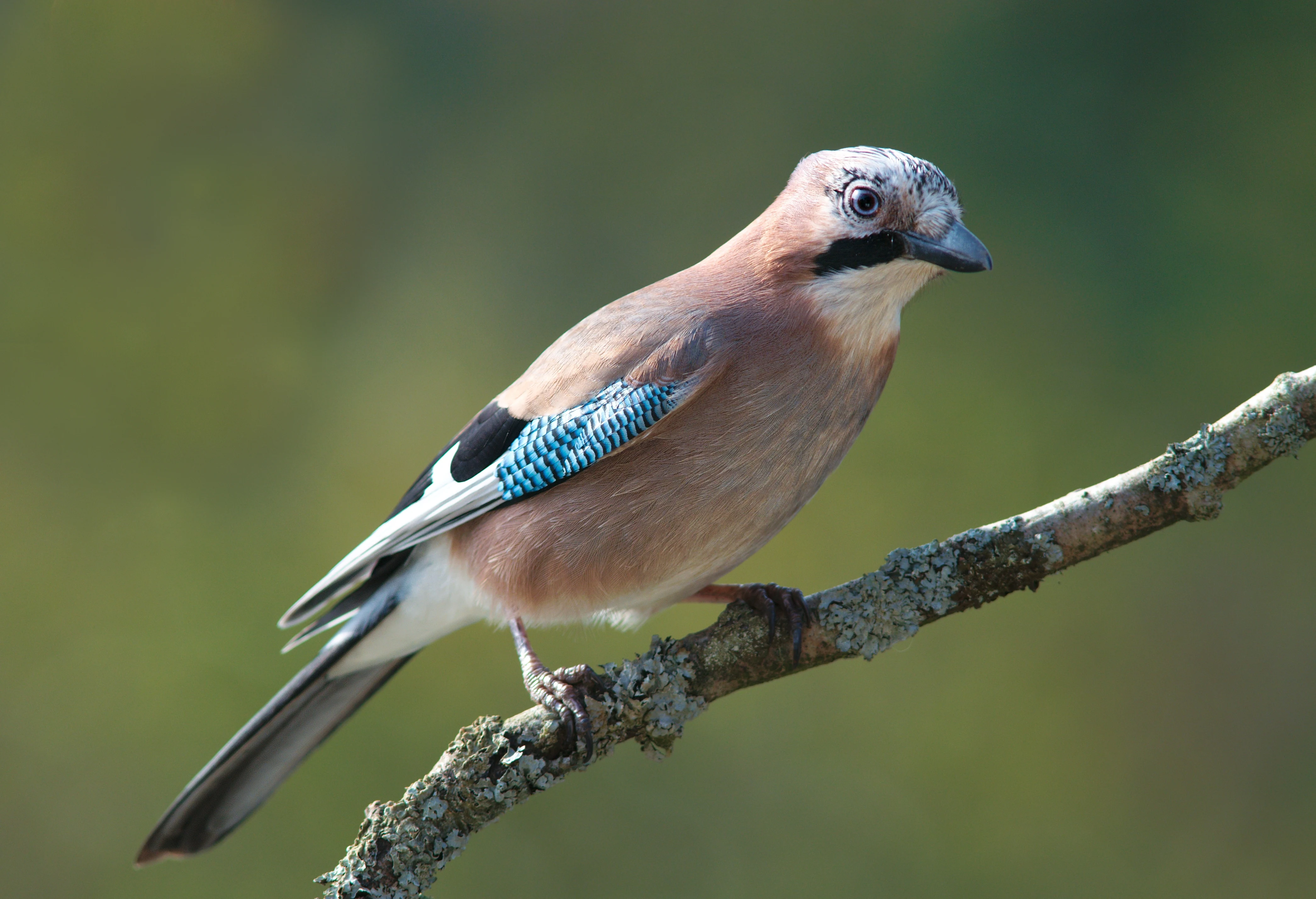
Eurasian Jay bird with brown body, blue wing patch, and black facial stripe perched on a moss-covered branch
Eurasian Jay perched on a mossy branch in Dumbrava Sibiului Natural Park

Dumbrava Sibiului Natural Park history and protected-area timeline

The history of Dumbrava Sibiului stretches back centuries as Sibiu's primary forested recreational area. The forest served as a favored promenade location for inhabitants of Sibiu from at least the 18th century, establishing a tradition of urban residents traveling to the woods for leisure and respite. The historical tram line connecting Sibiu with Rășinari passed through the area, further cementing Dumbrava's role as an accessible escape from the city. The Municipal Cemetery, established in 1907, occupies the southern edge of the park's wooded area, marking another layer of the site's historical connection to the city and its residents. The protected area designation came in 2000 through Law Number 5, which provided formal legal protection for the forest ecosystem and its biodiversity. The Romanian-language source indicates the park was established specifically for the protection of biodiversity and maintenance of favorable conservation status for the flora and fauna of the Sibiu Depression, reflecting modern conservation priorities applied to a historically valued landscape.

Dumbrava Sibiului Natural Park landscape and geographic character

The park's landscape centers on the Dumbrava Forest, a rolling woodland covering approximately 993 hectares at the southwestern edge of Sibiu. The terrain rises to 606 meters at Obreja Peak in the northern sector, providing modest but scenic elevation above the surrounding depression. The forest consists of mature deciduous woodland dominated by ancient English oak specimens, with sessile oak, European hornbeam, elm, field maple, European beech, linden, and pine forming the broader tree community. The Trinkbach River flows through the forest, creating three anthropic lakes along its course that add open water habitat and break the canopy with wetland margins. The landscape combines the ecological character of a Central European deciduous forest with the accessibility and historical character of an urban-proximate green space.
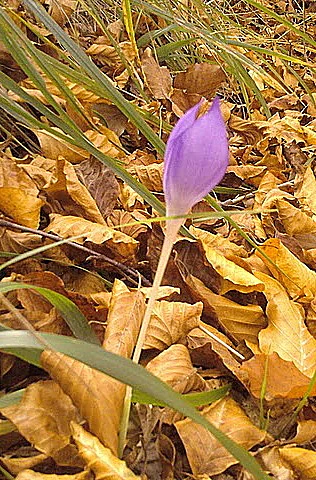
Purple flower with yellow center surrounded by brown and yellow fallen leaves and green grass blades
A single purple autumn crocus flower emerging from fallen leaves on a forest floor

Dumbrava Sibiului Natural Park ecosystems, habitats, and plant life

The forest ecosystem of Dumbrava Sibiului supports a diverse plant community reflecting the Continental biogeographic region. The ancient oak woodland represents the park's most significant ecological feature, with English oak trees over 100 years old forming a structurally complex canopy. The understory includes species such as European hornbeam, field maple, and various shrubs including common hawthorn, common privet, dog rose, alder buckthorn, and blackthorn. The herb layer features species such as great willowherb, wall lettuce, red campion, and autumn crocus, with the Romanian source noting the presence of several orchid species belonging to the Orchidaceae family. The aquatic environments created by the Trinkbach River and its three lakes add wetland habitat diversity to the forest ecosystem.

Dumbrava Sibiului Natural Park wildlife and species highlights

The wildlife community of Dumbrava Sibiului includes several mammal and bird species typical of Central European deciduous forests. Mammal species present include roe deer, wild boar, fox, and squirrel. The bird community is more diverse, with species including blackbird, common chaffinch, sparrow, Eurasian jay, various woodpeckers, turtle dove, common cuckoo, common raven, and hoopoe. The Romanian source notes that some species are protected at the European level or appear on IUCN Red Lists, though the specific conservation status of individual species is not detailed in the available source material.

Dumbrava Sibiului Natural Park conservation status and protection priorities

Dumbrava Sibiului received formal protected status in 2000 under Romanian law, specifically for the preservation of biodiversity and maintenance of favorable conservation conditions for the flora and fauna of the Sibiu Depression. The park is classified as IUCN Category V, reflecting its character as a protected landscape where natural ecosystems exist in balance with human use and cultural activities. This category acknowledges both the ecological value of the forest ecosystem and its long-standing role as a recreational and cultural space for the local population. The presence of old-growth oak specimens and the diversity of habitats, from mature forest to riverine wetlands to lake margins, contribute to the conservation value of the area.

Dumbrava Sibiului Natural Park cultural meaning and human context

Dumbrava Sibiului carries deep cultural significance as Sibiu's historic forest, serving as a recreational space since at least the 18th century. The forest's proximity to the city made it a traditional promenade destination for generations of residents. The ASTRA National Museum Complex, Romania's largest open-air ethnographic museum showcasing traditional rural architecture and folk traditions, is located within the park's immediate vicinity, drawing visitors interested in cultural heritage alongside those seeking natural recreation. The historical tram connection to Rășinari and the presence of the 1907 Municipal Cemetery add historical layers to the landscape. The Romanian source notes additional elements including a zoo, the Sitex area (former carpet factory), and the site of the former Han Dumbrava (now the Hilton hotel and former camping area), reflecting the complex historical development of this peri-urban space.

Top sights and standout views in Dumbrava Sibiului Natural Park

Dumbrava Sibiului offers a rare combination of accessible ancient woodland, cultural heritage, and ecological diversity within easy reach of Sibiu's urban center. The ancient English oak forest, with specimens exceeding a century in age, provides a mature woodland character uncommon in peri-urban settings. The Trinkbach River and its chain of three lakes create habitat diversity and recreational opportunities. The proximity of the ASTRA National Museum Complex adds cultural dimension, making the area suitable for combined nature and heritage visits. The park serves as an important green infrastructure element for Sibiu, providing ecological services and recreational access while preserving biodiversity within the Sibiu Depression.

Best time to visit Dumbrava Sibiului Natural Park

The park can be visited year-round, with each season offering different experiences. The summer months provide full canopy cover and warm conditions ideal for walking the forest trails and visiting the lakes. Autumn brings color to the deciduous woodland as the oaks and other trees display their fall foliage. Winter reveals the forest structure more openly and offers quiet exploration when visitor numbers are lower. Spring awakens the herb layer with flowering species and welcomes returning migratory birds. The park's status as a local recreation area means it experiences higher visitor activity on weekends and holidays, particularly during warmer months.
Park location guide

Geography guide, regional context, and park location map for Dumbrava Sibiului Natural Park

Dumbrava Sibiului Natural Park park geography, regions, and map view in Romania
Understand where Dumbrava Sibiului Natural Park sits in Romania through a broader geographic reading of the surrounding landscape, nearby location context, and its mapped position within the national park landscape.

How Dumbrava Sibiului Natural Park fits into Romania

Romania is a unitary semi-presidential republic located in Southeast and Central Europe. It borders Ukraine, Hungary, Serbia, Bulgaria, Moldova, and the Black Sea. The country has a population of approximately 19 million and covers an area of 238,397 km². Bucharest is the capital and largest city. Romania joined the European Union in 2007.

Wider geography shaping Dumbrava Sibiului Natural Park in Romania

Romania lies on the lower course of the Danube River, north of the Balkan Peninsula, and on the northwestern shore of the Black Sea. The terrain is varied, featuring the Carpathian Mountains in the center, the Transylvanian Plateau, the Moldavian Plateau, and plains along the Danube and in the south. The country has a diverse landscape that includes forests, meadows, and wetland areas.

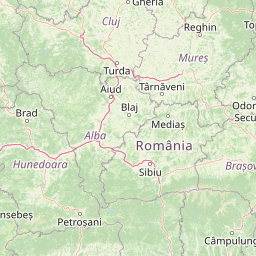
Map view of Dumbrava Sibiului Natural Park

Use this park location map to pinpoint Dumbrava Sibiului Natural Park in Romania, understand its exact geographic position, and read its mapped placement within the surrounding landscape more clearly.

Pigeon | © OpenStreetMap contributors

Location context for Dumbrava Sibiului Natural Park

Sibiu County

Delve into the visual identity of Dumbrava's historic forest, tracing its rolling terrain, ancient oak trees, and scenic river-fed lakes

Dumbrava Sibiului Natural Park Photos: Discover its Forest Landscapes and Protected Scenery
Visually explore Dumbrava Sibiului Natural Park through a curated gallery revealing its ancient oak woodlands, scenic river courses, and serene artificial lakes. These images offer crucial insights into the park's protected landscape character, varied habitats, and unique peri-urban environment, aiding in comprehensive geographic understanding.

Eurasian Jay bird with brown body, blue wing patch, and black facial stripe perched on a moss-covered branch

Two roe deer standing in a grassy area with dry vegetation

Purple flower with yellow center surrounded by brown and yellow fallen leaves and green grass blades

Park atlas

Trace the regional geography of protected landscapes across Sibiu County and Central Romania

Explore Nearby Protected Areas, National Parks, and Landscapes Beyond Dumbrava Sibiului Natural Park
Browse other national parks, nature parks, and protected areas across Sibiu County and the wider Transylvania region, continuing your exploration from Dumbrava Sibiului Natural Park. Compare diverse landscapes, from ancient deciduous woodlands to alpine mountain ranges, revealing the full regional conservation geography of Central Romania and its natural heritage.
Watercolor illustration of a landscape with mountains, trees, and a river
Protected landscapeSibiu County

Cindrel Natural Park: Protected Landscape within Sibiu County's Regional Geography

Mapped natural landscapes and protected area context.

Delve into the protected landscape of Cindrel Natural Park, situated in Sibiu County, Romania. This page offers a detailed geographic perspective, highlighting the park's mapped boundaries and its role within the broader natural terrain of the Southern Carpathians. Understand the structured atlas data that defines Cindrel Natural Park and its regional significance for protected land discovery.

Area
98.73 km²
Established
2000
IUCN
V
Relief
Mountain
Watercolor painting showing green hills, trees, and a river
National parkVâlcea County

Cozia National Park: Protected Landscape and Regional Geography in Vâlcea County

Discover the mapped protected area in Romania's landscape.

Cozia National Park is a key national park situated within Vâlcea County, Romania. This page facilitates the exploration of its protected landscape, offering detailed insights into its geographic context and mapped features. Understand how Cozia National Park contributes to the regional geography and atlas of Romania's protected areas, providing a foundation for structured landscape discovery.

Area
171 km²
Established
2000
IUCN
II
Relief
Mountain
National parkVâlcea County

Buila-Vânturarița National Park: Romania's National Park in Vâlcea County Geography

Mapped protected landscape within Vâlcea County.

Delve into the specifics of Buila-Vânturarița National Park, a designated national park in Vâlcea County, Romania. This detailed entry focuses on its protected landscape identity and geographic placement, offering precise mapped boundary information relevant for atlas exploration. Understand how this national park contributes to the regional geography and protected area network, providing a foundational element for structured discovery of Romania's natural environments.

Area
41.86 km²
Established
2005
IUCN
II
Relief
Mountain
Protected landscapeHunedoara County

Grădiștea Muncelului-Cioclovina Natural Park: Protected Landscape in Hunedoara County Atlas

Explore protected area geography and mapped boundaries.

Gain a structured understanding of Grădiștea Muncelului-Cioclovina Natural Park, a significant protected landscape located in Romania's Hunedoara County. This resource details its geographic position and mapped protected area extent, providing essential context for atlas exploration and regional landscape analysis. It serves as a focused entry point for understanding the park's unique geographic identity within its natural setting.

Area
381.84 km²
Established
2000
IUCN
V
Relief
Mountain
National parkGorj County

Defileul Jiului National Park: Romania's Protected National Park Landscape in Gorj County

Explore maps, geography, and protected area context.

Defileul Jiului National Park is a vital protected natural area situated in Gorj County, Romania. This MoriAtlas page serves as a detailed entry point for understanding the park's specific geography, its mapped perimeters, and its significance within the regional landscape atlas. Discover the park's topographic features and its relationship to the surrounding terrain of the Southern Carpathians, providing essential context for geographic exploration.

Area
111.27 km²
Established
2005
IUCN
II
Relief
Mountain
National park

Piatra Craiului National Park: Protected Landscape Atlas and Geographic Context

Explore Romania's unique national park and its mapped terrain.

Navigate the protected geography of Piatra Craiului National Park, a key national park entity. This page details its mapped boundaries and situates its natural landscape within Romania's regional geography, offering a structured point of discovery for geographic atlas enthusiasts. Understand the park's identity as a protected natural area and its contribution to the mapped terrain of the region.

Area
147.66 km²
Established
2000
IUCN
II
Relief
Mountain
Watercolor illustration of a mountain range with forests, a lake, and distant hills under a light sky
National parkHunedoara County

Retezat National Park National Park: Protected Landscape and Regional Geography

Mapped boundaries and landscape context in Hunedoara County.

Retezat National Park is a key protected area featured within MoriAtlas, offering structured geographic data and map-based insights. This national park's protected landscape is situated in Hunedoara County, Romania, contributing significantly to the regional topography and natural context of the Southern Carpathians. Explore its mapped boundaries and understand its role as a distinct natural entity.

Area
380.47 km²
Established
1935
IUCN
II
Relief
Mountain
Protected landscape

Bucegi Natural Park: Protected Landscape Mapping and Regional Geographic Overview

Explore its mapped boundaries and natural terrain.

As a protected landscape in Romania, Bucegi Natural Park offers a distinct focus for geographic study and atlas exploration. This detail page provides access to its mapped protected boundaries, helping users understand its specific location and regional context. Discover how this natural area contributes to the broader understanding of protected lands within the national geography. MoriAtlas enables a clear view of Bucegi Natural Park's landscape characteristics and its place within a mapped system of natural reserves.

Area
0.327 km²
Established
2000
IUCN
V
Relief
Mountain

Common questions about visiting, size, designation, and location context for Dumbrava Sibiului Natural Park

Dumbrava Sibiului Natural Park FAQs for park facts, access, geography, and protected area context
Find quick answers about Dumbrava Sibiului Natural Park, including protected-area facts, park geography, trail and visitor context, and how the park fits into its surrounding country and regional landscape.
MoriAtlas Explorer

Continue Your Protected Areas Search Across the Global Atlas

Deepen your exploration by continuing the structured search for national parks and protected areas worldwide. Utilize the comprehensive filtering capabilities to compare different conservation landscapes and refine your understanding of global park geography. Discover more about the distribution and characteristics of protected natural areas.

Global natural geography