
Mori Atlas logo
National parkFuentes Brotantes de Tlalpan National Park

Discover the mapped boundaries and natural terrain of this national park in Mexico.

Fuentes Brotantes de Tlalpan National Park: Mexico's Protected Landscape and Geographic Atlas

(Parque Nacional Fuentes Brotantes de Tlalpan)

Fuentes Brotantes de Tlalpan National Park represents a significant protected area within the geographic atlas of Mexico. As a national park, it offers a distinct landscape to explore, characterized by its unique natural terrain and mapped boundaries. This page serves as your detailed entry point for understanding the park's place within the broader context of protected lands, providing essential geographic information and atlas-style discovery tools.

National ParkUrban ParkNatural SpringsMexico CityTlalpanTemperate Forest

Fuentes Brotantes de Tlalpan National Park

National park

Park overview

Structured park overview, official facts, and landscape profile for Fuentes Brotantes de Tlalpan National Park

Fuentes Brotantes de Tlalpan National Park park facts, protected area profile, and essential visitor context
Review the core facts for Fuentes Brotantes de Tlalpan National Park, including designation, size, terrain, visitor scale, habitats, and operating context in one park-focused overview.

About Fuentes Brotantes de Tlalpan National Park

Fuentes Brotantes de Tlalpan National Park occupies a unique position as one of the oldest protected areas in Mexico and one of the few natural spaces remaining within the Mexico City metropolitan area. The park is located in the Tlalpan borough, one of the city's largest administrative divisions, and represents a critical green space for millions of nearby residents. The defining feature of the park is its system of natural springs that emerge from underground aquifers connected to the volcanic Sierra del Ajusco mountain range. These springs flow into a central artificial lake that supports a variety of aquatic plants and animals. The park's terrain combines lush wooded areas with grassy clearings, creating a mosaic of habitats within the urban environment. The elevation of the park, higher than much of the city, contributes to a cooler and more temperate climate. The park contains hiking trails of varying difficulty that wind through the forest, connecting scenic viewpoints and natural features. Picnic areas equipped with tables and benches provide opportunities for family gatherings, while designated birdwatching areas allow visitors to observe the park's diverse avian population. The park also features food stalls and restaurants, making it a complete recreation destination for residents of southern Mexico City.

Quick facts and research context for Fuentes Brotantes de Tlalpan National Park

Fuentes Brotantes de Tlalpan National Park is situated at an elevation of approximately 2,250 meters above sea level in the Tlalpan district of southern Mexico City. The park was established in 1936 under President Lázaro Cárdenas del Río to protect the natural springs emerging from the Sierra del Ajusco foothills. The original protected area was 129 hectares, though urban growth has reduced the effective park area to roughly 8 hectares. The park features a deep barranca (canyon) where springs rise from underground aquifers and feed an artificial lake. The climate is temperate-humid with summer rains, typical of the southern Valley of Mexico. The park contains vegetation typical of temperate forests including oak, pine, and cedar, alongside xerophytic shrubs that developed following the eruption of the Xitle volcano. Wildlife includes over 200 documented species, with 11 species listed under Mexico's NOM-059 risk categories.

Park context

Deeper park guide and search-rich context for Fuentes Brotantes de Tlalpan National Park

Fuentes Brotantes de Tlalpan National Park history, landscape, wildlife, and travel context
Explore Fuentes Brotantes de Tlalpan National Park through its history, landscape character, ecosystems, wildlife, conservation priorities, cultural context, and seasonal travel timing in a structured park guide built for atlas discovery and search intent.

Why Fuentes Brotantes de Tlalpan National Park stands out

Fuentes Brotantes de Tlalpan is best known for its natural springs, which give the park its name and represent one of the last remaining natural spring systems within Mexico City. The springs emerge from the Sierra del Ajusco foothills and feed the park's central lake, creating a wetland habitat unusual for an urban environment. Originally the site contained sixteen springs, though only a fraction remain active today due to groundwater over-extraction and urban development. The park is also notable for its historical significance as one of Mexico's oldest national parks, established during a period when the country was developing its system of protected areas. The contrast between the natural springs and forested areas against the surrounding urban sprawl of Mexico City makes this park a distinctive ecological and recreational space.

Fuentes Brotantes de Tlalpan National Park history and protected-area timeline

The history of Fuentes Brotantes de Tlalpan is deeply intertwined with the colonial and post-colonial development of southern Mexico City. At the end of the 18th century, the lands of the town of San Agustín de las Cuevas (now Tlalpan) were sold to the Hacienda de Tochihuitl. Near this location, the La Fama Montañesa spinning and weaving factory was established, becoming an important industrial presence in the area. This factory relied on the series of springs that emerged from the barranca, water that powered the facility's operations. The springs and surrounding lands belonged at various points to Ricardo Sainz and were known collectively as "Las Fuentes," distinguished by the camphor trees that grew around them. A dispute arose between the factory owners and the City Council over ownership of the spring-fed property, a conflict that would last decades. On September 9, 1936, President Lázaro Cárdenas del Río issued a decree establishing Fuentes Brotantes as a national park, with the specific purpose of preserving the forests against human threats. The original decree designated 129 hectares from what had been the Teochtíhuitl ranch, intended for public recreation and forestry and fishing education. In 1999, the Mexico City government and SEMARNAT (the federal environmental ministry) signed an agreement transferring administration to the federal government. Unfortunately, much of the original park area has been lost to urban encroachment, with informal settlements now occupying much of the former protected territory.

Fuentes Brotantes de Tlalpan National Park landscape and geographic character

The landscape of Fuentes Brotantes de Tlalpan is defined by its barranca topography, a steep canyon formation where natural springs emerge from the volcanic substrate. The park sits at approximately 2,250 meters elevation, placing it in the temperate highland zone of central Mexico. The Sierra del Ajusco rises prominently to the south, providing the geological source for the park's spring water system. The barranca descends from higher ground on its edges down to a central valley floor where the main lake has been created. The surrounding vegetation creates a forested environment dominated by pine, oak, and cedar trees, with understory shrubs adapted to the temperate climate. The park's lake, fed by the remaining springs, forms a focal point for the landscape, with mature ahuehuete (Mexican bald cypress) trees standing in the water. The contrast between the natural spring-fed water body and the surrounding forest against the urbanized landscape beyond the park boundaries creates a distinctive visual experience for visitors. Rock outcrops and varying terrain create visual interest along the hiking trails that traverse the park.

Fuentes Brotantes de Tlalpan National Park ecosystems, habitats, and plant life

The ecological character of Fuentes Brotantes de Tlalpan reflects its position within the Valley of Mexico's temperate forest zone, though the park's natural communities have been significantly modified by historical human use and the surrounding urban environment. The vegetation includes species typical of Mexican highland forests: various oak species (Quercus crassipes, Quercus rugosa, Quercus laurina), pine (particularly Pinus teocote), and the distinctive ahuehuete (Taxodium mucronatum) that dominates the lake area. However, much of the park's vegetation is actually secondary growth following historical deforestation, with xerophytic shrubs from the Xitle volcanic region dominating some areas. These include tepozán (Buddleia cordata), chapulixtle (Dodonaea viscosa), and various other species adapted to the volcanic soils. Some original park species survive, including the notable Echeveria gibbiflora, locally called "oreja de burro." The park contains over 200 documented species of plants and animals according to Mexico's National Biodiversity Information System, though the original flora has been substantially replaced by introduced species and secondary vegetation. The springs and lake create wetland habitats that support aquatic plants and provide important ecological functions within the urban matrix.

Fuentes Brotantes de Tlalpan National Park wildlife and species highlights

The wildlife of Fuentes Brotantes de Tlalpan represents a mix of native species adapted to the temperate forest environment and introduced species that have been added to create a more diverse visitor experience. The park's lake supports populations of ducks, swans, and various fish that attract visitors, though most of these waterfowl are introduced rather than native species. The surrounding forest and wetland areas provide habitat for a variety of birds, including hawks, hummingbirds, woodpeckers, white-eared sapphires, goldfinches, blackbirds, and sparrows. The park also supports populations of small mammals, including the tlacuache (opossum), cacomixtle (ringtail), mice, and rabbits. Reptiles and amphibians are well-represented according to environmental authorities, with salamanders, lizards, and snakes documented in the area. The diversity of habitats created by the forest, open areas, and spring-fed wetlands allows for relatively rich wildlife diversity despite the park's small size and urban location. The park's status as one of the few remaining natural areas within Mexico City makes it an important refuge for wildlife adapted to urban edge environments.

Fuentes Brotantes de Tlalpan National Park conservation status and protection priorities

Fuentes Brotantes de Tlalpan holds significant conservation value as one of the last remaining natural spring systems within the Mexico City metropolitan area, representing an increasingly rare ecological type in a region that has lost most of its natural water sources to urbanization. The park serves as an urban green lung, helping to reduce pollution and maintain biodiversity within the heavily developed Valley of Mexico. Conservation efforts focus on maintaining the health of the remaining springs, controlling pollution from surrounding areas, and reforesting areas impacted by urban encroachment. The original 129-hectare designation has been reduced to approximately 8 hectares through the establishment of informal settlements, representing a significant conservation failure. Local environmental organizations, along with Mexico City's government, have implemented programs for environmental education and community involvement. The park's designation as IUCN Category II (National Park) provides a framework for protection, though enforcement has been challenging. The Procuradoría Ambiental y del Ordenamiento Territorial (PAOT) has issued recommendations for improved management, including transferring control from the Tlalpan delegation to the city government. The park faces ongoing challenges from reduced spring flow, pollution, and the pressure of surrounding urban development.

Fuentes Brotantes de Tlalpan National Park cultural meaning and human context

Fuentes Brotantes de Tlalpan carries cultural significance that extends beyond its ecological value, rooted in the historical development of the Tlalpan area and its transformation from rural farmland to urban periphery. The land's history as part of the Hacienda de Tochihuitl and the presence of the La Fama Montañesa factory connects the park to Mexico's colonial and post-colonial economic history. The springs themselves were historically important to local communities and industrial operations, establishing the site as a meaningful place in regional memory. The park has also become associated with local folklore, including the legend of "La Llorona de las Fuentes Brotantes," a woman in white reportedly seen wandering the forest at night, and the story of "El Ciego Dionisio," a former park caretaker who reportedly lost his sight after encountering a mysterious figure by the lake. In recent years, the park has served as a venue for cultural events, including concerts featuring Mexican and international artists, and the annual Ollin Kan festival of resistance cultures. These activities reflect the park's continued role as a community gathering space within the southern city.

Top sights and standout views in Fuentes Brotantes de Tlalpan National Park

Fuentes Brotantes de Tlalpan offers visitors a combination of natural beauty, historical significance, and recreational opportunities unique among Mexico City's protected areas. The natural springs that give the park its name remain the primary attraction, even though only a fraction of the original springs continue to flow. The central lake, with its resident swans, ducks, and the prominent ahuehuete tree, provides a scenic focal point for visits. The network of hiking trails through varied terrain allows visitors to experience the forest environment while remaining accessible to people of different fitness levels. Birdwatching is a popular activity, with species including hummingbirds, woodpeckers, and various songbirds attracting enthusiasts. The park's historical significance as one of Mexico's oldest national parks, established in 1936, adds depth to the visitor experience. The contrast between the natural environment and the surrounding urban density creates a distinctive sense of escape within the city.

Best time to visit Fuentes Brotantes de Tlalpan National Park

The best time to visit Fuentes Brotantes de Tlalpan is during the cooler months from November through April, when the temperate climate creates comfortable conditions for hiking and outdoor activities. The park's higher elevation relative to central Mexico City means temperatures are noticeably cooler, particularly in the mornings and evenings. Summer months from June through September bring the rainy season, which can make trail conditions muddy and limit visibility, though the increased water flow in the springs during this period can enhance the park's natural features. The spring months of March through May offer pleasant weather and the opportunity to see the park's vegetation in full growth. Weekday visits tend to be less crowded than weekends, when the park sees significant numbers of families and groups using the picnic areas. The park can be visited year-round, though visitors should be prepared for the possibility of afternoon rain showers during the summer season.
Park location guide

Geography guide, regional context, and park location map for Fuentes Brotantes de Tlalpan National Park

Fuentes Brotantes de Tlalpan National Park park geography, regions, and map view in Mexico
Understand where Fuentes Brotantes de Tlalpan National Park sits in Mexico through a broader geographic reading of the surrounding landscape, nearby location context, and its mapped position within the national park landscape.

How Fuentes Brotantes de Tlalpan National Park fits into Mexico

Mexico, officially the United Mexican States, is a country in North America spanning the Sierra Madre mountain ranges, coastal plains, and tropical regions. It borders the United States to the north, Guatemala and Belize to the southeast, and has coastlines along the Pacific Ocean, Gulf of Mexico, and Caribbean Sea. With a population exceeding 130 million, Mexico is home to one of the world's most significant concentrations of Indigenous languages alongside Spanish.

Wider geography shaping Fuentes Brotantes de Tlalpan National Park in Mexico

Mexico occupies a land area of 1,972,550 km2, making it the thirteenth-largest country in the world. The terrain is highly diverse, featuring the Sierra Madre Occidental and Sierra Madre Oriental mountain ranges, the Mexican Plateau, coastal lowlands along the Pacific and Gulf/Caribbean margins, and the Yucatan Peninsula. The country spans multiple climate zones from desert in the north to tropical rainforest in the south.

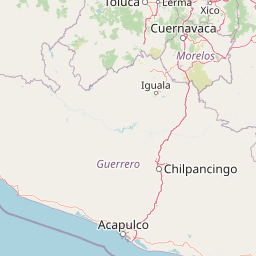
Map view of Fuentes Brotantes de Tlalpan National Park

Use this park location map to pinpoint Fuentes Brotantes de Tlalpan National Park in Mexico, understand its exact geographic position, and read its mapped placement within the surrounding landscape more clearly.

Pigeon | © OpenStreetMap contributors

Location context for Fuentes Brotantes de Tlalpan National Park

Tlalpan
Park atlas

Map surrounding conservation landscapes, comparing their geographic context within Mexico City's diverse urban ecology.

Explore Nearby National Parks and Protected Areas around Fuentes Brotantes de Tlalpan
Explore additional national parks and protected areas within the broader region surrounding Fuentes Brotantes de Tlalpan National Park, tracing their mapped geography. This allows for direct comparison of diverse conservation landscapes and provides valuable insights into the regional spread of protected natural heritage.
National parkMexico

Cumbres del Ajusco National Park: Exploring Mexico's National Park Protected Landscape

Discover mapped boundaries and regional geography.

Cumbres del Ajusco National Park is an important national park offering rich opportunities for geographic exploration. This detailed profile focuses on its identity as a protected landscape within Mexico, providing essential context for map-based discovery. Understand the park's specific location, its mapped territory, and its role within the nation's network of conservation areas, facilitating a structured atlas view.

Area
9.2 km²
Established
1936
IUCN
II
Relief
Mountain
National parkMexico City

Desierto de los Leones National Park: Protected National Park and its Geographic Setting

Explore mapped boundaries and regional landscape context near Mexico City.

Delve into the specifics of Desierto de los Leones National Park, a designated national park recognized for its protected landscape. This MoriAtlas entry focuses on its geographic presence within the Mexico City region, providing clear insights into its mapped boundaries and the surrounding natural terrain. Understand the park's importance as a conservation area and its contribution to the regional geography through dedicated atlas data.

Area
18.67 km²
Established
1917
IUCN
II
Visitors
205K annual
National parkMexico State

Los Remedios National Park: Protected Landscape and Historical Geography of Mexico State

Mapped terrain and cultural heritage within this unique national park.

Delve into the protected landscape of Los Remedios National Park, a national park situated in Mexico State. This page provides detailed geographic context, focusing on its volcanic terrain, mapped boundaries, and the convergence of pre-Hispanic and colonial heritage. Understand its role as a protected area within the western Valley of Mexico and explore the mapped elements that define its cultural and natural identity.

Area
4 km²
Established
1938
IUCN
II
Relief
Mountain
National parkState of Mexico

Lagunas de Zempoala National Park: Protected Landscape and Geographic Atlas Entry

Explore mapped boundaries and natural terrain context.

Lagunas de Zempoala National Park is a dedicated protected area within the State of Mexico, serving as a vital point for understanding national park geography and landscape mapping. This entry provides foundational atlas data on its protected boundaries and its specific natural terrain. It is designed for users seeking structured information on the park's geographic scope and its importance as a mapped natural landscape for regional context.

Area
47.9 km²
Established
1936
IUCN
II
Relief
Mountain
National parkMorelos

El Tepozteco National Park: Protected National Park in Morelos

Explore the mapped geography and protected landscape of this Mexican national park.

Delve into El Tepozteco National Park, a key protected area designated as a national park within the Morelos region of Mexico. This profile provides detailed insight into its mapped boundaries and its significance within the broader regional geography. It serves as a resource for understanding the park's protected landscape and its context for atlas-based geographic exploration.

Area
232.587 km²
Established
1937
IUCN
II
Relief
Mountain
National parkMexico

Iztaccíhuatl, Popocatépetl National Park: Mexico's National Park Protected Area

Mapped boundaries and regional geographic context.

Iztaccíhuatl, Popocatépetl National Park is a protected natural landscape offering insight into Mexico's geography. This atlas entry focuses on the park's defined boundaries and its role within the national protected areas framework. Explore the unique geographic character and mapped extent of this significant park, understanding its position within the country's natural landscape atlas.

Area
398.19 km²
Established
1935
IUCN
II
Relief
Mountain
National parkHidalgo

El Chico National Park: National Park Boundaries and Regional Geography in Hidalgo

Explore the mapped protected landscape and terrain of this national park.

El Chico National Park is a distinct protected area offering insight into Mexico's regional geography and conservation landscapes. This page details its specific geographic footprint, the character of its natural terrain, and its place within Hidalgo's broader protected areas atlas. Users can examine mapped boundaries and understand the park's unique environmental context.

Area
27.39 km²
Established
1982
IUCN
II
Relief
Mountain
National parkMichoacán

Insurgente José María Morelos y Pavón National Park: Mapped Protected Landscape in Michoacán

Discover its geographic context and protected area boundaries.

Explore Insurgente José María Morelos y Pavón National Park, a designated national park in Michoacán, Mexico. This page provides detailed insights into its protected status, mapped geographic features, and its role as a significant natural landscape within the regional atlas. Understand the park's protected boundaries and its contribution to the geographic understanding of Michoacán.

Area
71.92 km²
Established
1939
IUCN
II
Relief
Mountain

Common questions about visiting, size, designation, and location context for Fuentes Brotantes de Tlalpan National Park

Fuentes Brotantes de Tlalpan National Park FAQs for park facts, access, geography, and protected area context
Find quick answers about Fuentes Brotantes de Tlalpan National Park, including protected-area facts, park geography, trail and visitor context, and how the park fits into its surrounding country and regional landscape.
MoriAtlas Explorer

Continue Your Protected Areas Search Across the Global Atlas

Deepen your exploration by continuing the structured search for national parks and protected areas worldwide. Utilize the comprehensive filtering capabilities to compare different conservation landscapes and refine your understanding of global park geography. Discover more about the distribution and characteristics of protected natural areas.

Global natural geography