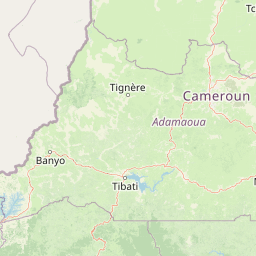
Why Gashaka-Gumti National Park stands out
Gashaka-Gumti National Park is best known for its extraordinary biodiversity and dramatic altitudinal range. The park harbors Nigeria's largest population of common chimpanzees and supports over 500 bird species, earning Important Bird Area status. Its southern highlands contain Nigeria's highest mountain and unique Afromontane forest ecosystems, while the savanna plains support populations of African bush elephants, lions, leopards, and African wild dogs. The park is also notable for containing the red-faced lovebird, a species found nowhere else in Nigeria and only in one other African location.
Gashaka-Gumti National Park history and protected-area timeline
The conservation history of Gashaka-Gumti reflects Nigeria's broader evolution in natural resource management following independence. Initial concerns about rampant hunting and biodiversity depletion prompted the Government of Northern Nigeria to commission a comprehensive land systems survey in 1966, conducted by Mike Bawden and Paul Tuley, which highlighted the critical need to protect the forested mountain watersheds. A 1969 FAO wildlife expert recommended establishing a game reserve or national park. In 1972, the Government of the North-East State collaborated with local governments and traditional chiefs to create three game sanctuaries at Serti, Gashaka, and Gumti, marking the first formal protection measures. However, economic difficulties in the early 1980s led to drastic budget cuts that severely impacted conservation efforts, leaving the park vulnerable to neglect and infrastructure decay. A catastrophe in 1983-84, when pan-African rinderpest devastated ungulate populations and triggered a surge in poaching, further weakened the area. The late 1980s brought renewed hope through international support from the Department for International Development and the Nigerian Conservation Foundation's advocacy for national park designation. In 1991, Gashaka-Gumti was officially established as Nigeria's largest national park under new legislation, with management entrusted to the Nigerian Conservation Foundation in partnership with state wildlife authorities.
Gashaka-Gumti National Park landscape and geographic character
The landscape of Gashaka-Gumti National Park displays remarkable topographical diversity shaped by its position at the transition between West African lowland and Central African highland ecosystems. The northern sector presents a relatively flat savanna plain at approximately 457 meters above sea level, characterized by expansive grasslands dotted with scattered trees and shrubs typical of the Guinea savanna zone. This terrain gradually gives way as one moves southward toward increasingly broken and undulating country. The southern portion of the park is dominated by mountainous terrain of exceptional ruggedness, featuring steep slopes, deep valleys, and dramatic gorges that dissect the highland plateaus. Here, Chappal Waddi rises to 2,419 meters, representing Nigeria's highest mountain and anchoring a series of lesser peaks and ridges. The park contains numerous watercourses fed by its function as a catchment area, with the Mayo Kam River being the largest watercourse traversing the protected area. The landscape transitions vertically from savanna through woodland to montane forest as elevation increases, creating a complex mosaic of habitats across relatively short distances.
Gashaka-Gumti National Park ecosystems, habitats, and plant life
The ecological character of Gashaka-Gumti spans multiple distinct habitat zones that support extraordinary biodiversity. The northern savanna ecosystem contains characteristic grassland and woodland communities dominated by species such as Acacia, Afzelia africana, Khaya senegalensis, Daniellia oliveri, and Isoberlinia doka, with the shea tree (Vitellaria paradoxa) providing important dry season resources. The southern montane forests represent Nigeria's only significant Afromontane ecosystem, featuring species adapted to cooler, wetter conditions at higher elevations. The transitional zones between these major habitat types support diverse woodland communities. In 2002, botanists discovered an isolated population of the red sunbird bush (Metarungia pubinervia) in the Leinde Fadale forest, a species occurring at the northern limits of its range and representing a significant range extension from central African populations. This discovery highlighted the park's importance for preserving botanically significant species at the edge of their ecological distribution.
Gashaka-Gumti National Park wildlife and species highlights
Gashaka-Gumti supports exceptional mammalian diversity with 103 species recorded, placing it among Nigeria's most wildlife-rich protected areas. The primate community is particularly significant: the park contains the largest population of common chimpanzees in Nigeria, supported by the Gashaka Primate Project dedicated to their protection. Other primates include various baboon species. Large mammals are well represented, with African bush elephants roaming both savanna and forest zones, while the savanna supports populations of African buffalo, hartebeests, giant elands, roan antelope, kobs, and oribi. The mountainous southern regions harbor the specialized mountain reedbuck in larger stocks, while klipspringers navigate the rocky outcrops and cliffs. Predators include lions, leopards, and African wild dogs, the latter representing an important population of this endangered canid. The bird fauna is exceptionally rich, with more than 500 species recorded and population estimates approaching one million individual birds. The park's Important Bird Area status reflects this avian diversity, which includes the red-faced lovebird found nowhere else in Nigeria and only in one other African national park.
Gashaka-Gumti National Park conservation status and protection priorities
Gashaka-Gumti National Park represents Nigeria's most significant conservation estate and serves multiple critical ecological functions. The park protects the headwaters and watersheds supplying the Benue River, Nigeria's largest river, making it essential for regional water security. Its altitudinal gradient preserves both lowland and Afromontane ecosystems, maintaining ecological corridors that enable species movement across habitat zones. The chimpanzee population represents a flagship conservation priority, with dedicated research and protection efforts through the Gashaka Primate Project. However, the park faces serious conservation challenges, including illegal logging operations focused on valuable rosewood (pterocarpus erinaceous) that have resulted in the deaths of at least nine park rangers in recent years. Additional pressures include illegal grazing, poaching, and the broader insecurity affecting northeastern Nigeria. The discovery of significant rosewood resources between 2014 and 2015 intensified logging pressure, creating ongoing conflicts that require sustained intervention.
Gashaka-Gumti National Park cultural meaning and human context
Gashaka-Gumti National Park exists within a landscape of ongoing human presence and traditional land-use practices. The park boundaries encompass enclaves where local Fulani pastoralist communities maintain traditional farming and grazing activities, creating a complex interface between conservation objectives and local livelihoods. These communities have historically utilized the rangelands within what is now the protected area, and their continued presence requires careful management to balance conservation goals with community needs. Approximately 25 communities reside in the immediate surroundings of the park, and human-wildlife conflict is a recurring reality wherever human settlements border wildlife habitat. Traditional leadership, including figures such as the Lamdo Gashaka, has actively participated in conservation advocacy, mobilizing local populations to protect what is described as the largest and most diverse conservation enclave in Nigeria.
Top sights and standout views in Gashaka-Gumti National Park
Gashaka-Gumti offers exceptional experiences across multiple dimensions of wilderness exploration. The Hippo Pool provides reliable encounters with hippos in their natural aquatic habitat. The German Forte preserves ruins of a pre-colonial fort, offering historical context to the region's colonial-era dynamics. The GGNP Museum showcases natural history specimens and traditional hunting equipment. The Mayo Kam River, the park's largest watercourse, supports sport fishing during the dry season while harboring diverse aquatic wildlife. The Kiri Waterfall in the northern sector presents a dramatic natural spectacle. The primate populations draw researchers and visitors seeking chimpanzee and baboon viewing opportunities, while the more than 500 bird species make the park a premier destination for birdwatching enthusiasts. Mountaineering opportunities on Chappal Waddi and the southern highlands attract adventure seekers, while well-maintained trail systems enable nature walks through varied terrain.
Best time to visit Gashaka-Gumti National Park
Gashaka-Gumti National Park can be visited throughout the year, though visitor patterns reflect the regional climate characteristics. The park experiences a semi-arid (BSh) climate with average temperatures around 26.4°C and annual precipitation of approximately 672mm. The period from January through May represents the dry season with minimal rainfall, while August marks the peak of the wet season with the highest precipitation and humidity levels. The dry season months, particularly January, February, and March, typically offer easier wildlife viewing as vegetation is less dense and animals concentrate around remaining water sources. However, the wet season transforms the landscape with lush vegetation and flowing waterfalls. The park experiences minimal precipitation for most of the year, with January virtually rain-free, making extended dry-season visits practical for most visitors.