Why Ghizil-Agaj State Reserve stands out
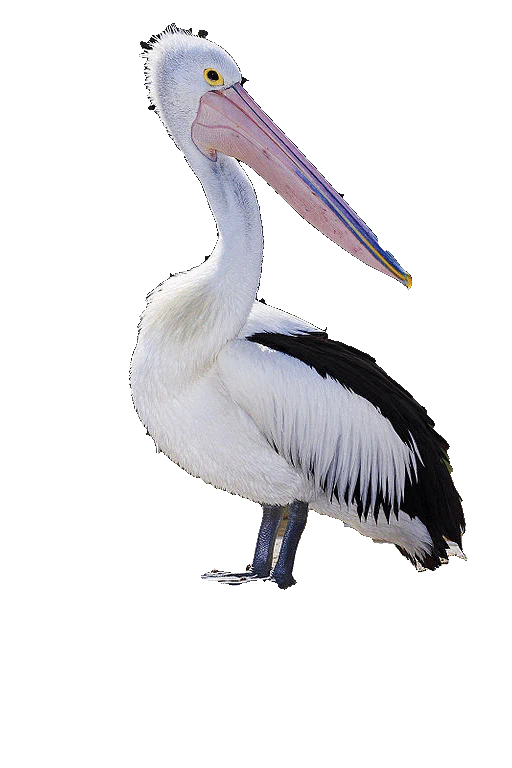
The reserve is especially known for its extraordinary birdlife. Roughly two hundred and fifty species of water, marsh, and field birds have been recorded there, and most of the bird species listed in Azerbaijan's Red Book are found within its boundaries or adjacent areas. Its flamingos, pelicans, swans, cranes, red-breasted geese, imperial eagles, and sociable lapwings give the wetland an outsized international profile for bird conservation along the Caspian flyway.
Ghizil-Agaj State Reserve history and protected-area timeline
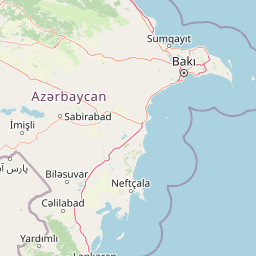
Ghizil-Agaj was established on July 3, 1929, by the Committee on Protection of the Ancient and Art Monuments of Azerbaijan, covering an initial area of eight hundred eighty-four square kilometers on Ghizil-Agaj Bay at the southwestern Caspian coast. It was created with a clear bird-focused mandate: protecting migrant, swamp, and wild birds and providing conditions for their wintering and nesting. From the outset it stood among the earliest and most ambitious reserves in the country, and it remains the largest by area and the third oldest by year of establishment.
The reserve's international profile grew significantly when it was added to the UNESCO list under the convention on internationally important swampy areas as birds' residing places during the Soviet era in 1976. After Azerbaijan declared independence and joined the Ramsar convention in its own right, the site was re-entered on the list of internationally important wetlands in 2001, reinforcing its position as a wetland of enduring global concern.
Ghizil-Agaj State Reserve landscape and geographic character
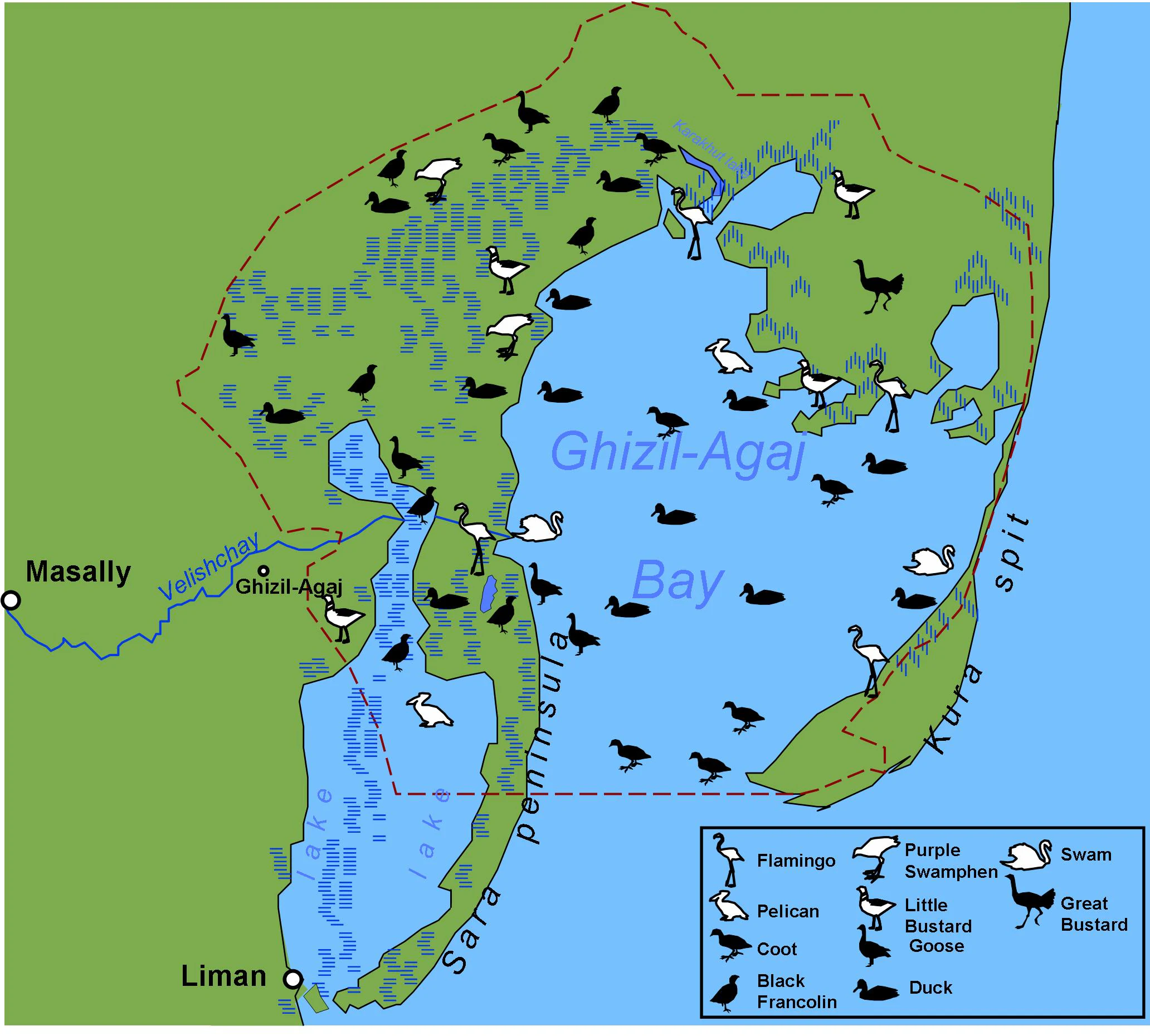
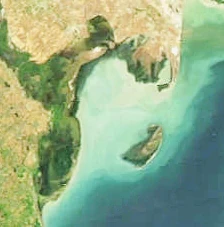
The landscape of Ghizil-Agaj is defined by the shallow bays and lagoons of the southwestern Caspian Sea, framed by the broader Kür-Araz and Lankaran lowlands. The protected area encompasses the northern parts of the Greater Ghizil-Agaj and Lesser Ghizil-Agaj bays, along with their associated coastal strips, creating a mosaic of open water, sheltered inlets, coastal salt flats, reedbeds, and low scrubby vegetation. About half of the reserve's surface consists of aquatic area, including lakes and marshes along the coast.
Rivers such as the Kür and Vilashchay influence the wetland's hydrology, feeding delta and coastal zones and reinforcing the seasonal rhythm of flooding, drying, and refill. The terrain transitions from water-dominated landscapes in the north to drier, more semi-desertlike conditions toward the south, where gray-meadow and meadow-marsh soils fringe salt-affected coastal flats. The reserve's overall surface vegetation is comparatively modest, but the edges of bays, marshy rises, and salt flats are densely covered by reeds and shrubs that shape the habitat's character.
Ghizil-Agaj State Reserve ecosystems, habitats, and plant life
Ecologically, Ghizil-Agaj is a mosaic of aquatic, marshland, salt-flat, and semi-desert ecosystems compressed into a relatively narrow coastal belt. The combination of shallow Caspian bays, reed-covered marshlands, and drier shrubby uplands gives the reserve unusually high habitat diversity for a relatively low-lying coastal reserve.
The bay shorelines and salt-affected soils support dense reed and shrub communities, which together with surrounding wetland and dry steppe create distinct foraging, roosting, and shelter zones for birds. The reserve's geographic position, where two major lowlands meet the Caspian, stabilizes the area as a refuge for both resident and visiting species, including many of the waterfowl, waders, and raptors that define the region's conservation significance.
Ghizil-Agaj State Reserve wildlife and species highlights
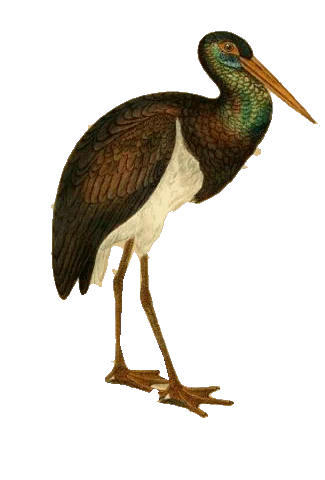
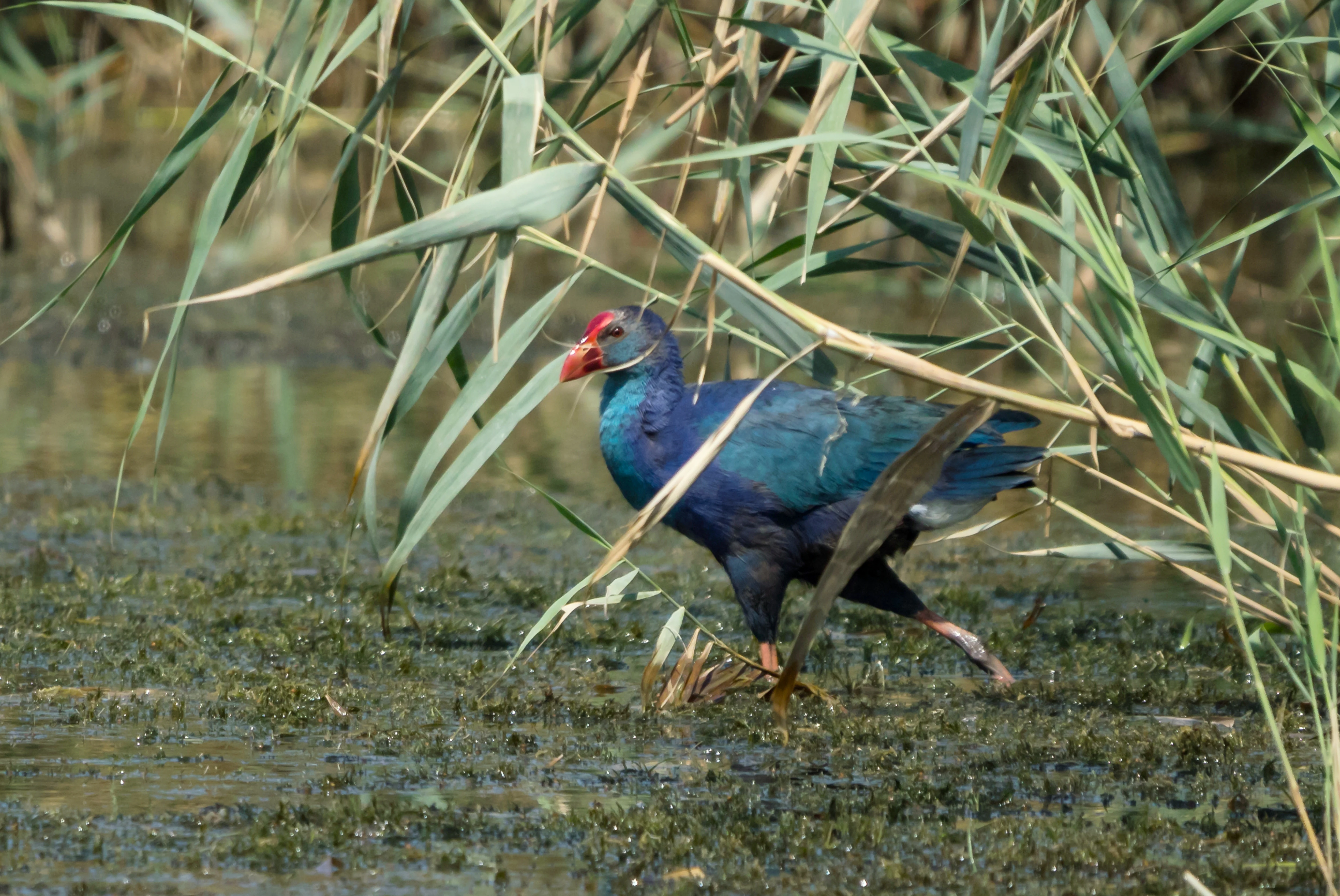
Wildlife is the dominant reason the reserve exists, and its bird fauna is the most important dimension. The reserve supports around two hundred and fifty species of water, marsh, and field birds, with most of those listed in Azerbaijan's Red Book found either within the reserve or just outside its boundaries. Greater and Dalmatian pelicans, mute and Bewick's swans, red-breasted geese, greater flamingos, white-tailed and Eastern imperial eagles, golden eagles, black storks, white-tailed and sociable lapwings, great and little bustards, marbled ducks, Eurasian spoonbills, grey-headed swamphens, black francolins, and collared pratincoles all feature among the important species recorded here.
Mammals present in and around the reserve include wild boar, wolf, jungle cat (referred to locally as a reed cat), badger, sable, and fox, with gazelle and otter also documented in regional descriptions of local fauna. The reserve's waters are inhabited by roughly fifty-four fish species, including sturgeon, Caspian kutum, common carp, wels catfish, clupea, sander (perch-like species), common bream, and flathead grey mullet, enriching both the food web and the regional fisheries heritage linked to the Caspian coast.
Ghizil-Agaj State Reserve conservation status and protection priorities
Ghizil-Agaj occupies a recognized place in international wetland conservation. It is registered under the Ramsar convention, the global framework for wetlands of international importance, first through a Soviet-era inscription in 1976 and again through an independent Azerbaijani inscription in 2001. Its Ramsar designation has highlighted the reserve's role as a wintering ground for large numbers of migratory waterfowl and as habitat for many species listed in Azerbaijan's Red Book.
The reserve's conservation importance lies in the convergence of several elements: extensive Caspian bays and marshlands, a position on major migratory flyways, documented presence of globally and regionally threatened species, and long-standing state protection since 1929. Its combination of high biodiversity, large area, and Ramsar status makes it a key reference site for wetland conservation policy in Azerbaijan and the wider South Caucasus.
Top sights and standout views in Ghizil-Agaj State Reserve
Ghizil-Agaj is notable for combining exceptional scale with high ecological diversity, encompassing Caspian bays, marshland, salt flats, and semi-desert transitions within a single reserve. Its designation as a Ramsar wetland in 1976 and again in 2001 anchors its international importance, while its approximately two hundred and fifty recorded bird species give it real weight on the Caspian flyway.
The reserve is also distinguished by its proximity to the Lankaran region of Azerbaijan, where the Hyrkanian forests meet Caspian wetlands, and by the cultural memory of the area expressed in the reserve's appearance on a Soviet-era postal stamp dedicated to the Egyptian vulture and the wider protected landscape.
Best time to visit Ghizil-Agaj State Reserve
Because Ghizil-Agaj's identity is shaped by bird movements, the most ecologically significant times to experience the reserve are the autumn arrival and wintering period, when geese, ducks, swans, cranes, pelicans, and flamingos reach the Caspian bays after migrating from Western Siberia, Kazakhstan, the Southern Urals, and Northern Europe. The warmer months can also produce breeding activity for resident marshland and steppe birds, supported by the reserve's vegetable cover and habitat structure.