Why Grădiștea Muncelului-Cioclovina Natural Park stands out
Grădiștea Muncelului-Cioclovina Natural Park is best known for its outstanding karst landscape, which distinguishes it among Romania's protected areas. The park shelters a remarkable concentration of caves, including the extensive Ponorâci-Cioclovina Karstic Complex, alongside the Tecuri, Șura Mare, and Bolii cave systems. The Crivadia Canyon cuts dramatically through the limestone terrain, while the Fossil Reserve Ohaba-Ponor preserves important geological specimens. The combination of forested mountain slopes, open alpine pastures, and these exceptional karst and canyon formations creates a distinctive protected landscape that supports both ecological diversity and significant geological heritage.
Grădiștea Muncelului-Cioclovina Natural Park history and protected-area timeline
The Grădiștea Muncelului-Cioclovina Natural Park was officially established through Law Number 5 on March 6, 2000, with its designation formally published in the Romanian Official Paper on April 12, 2000. However, the park's protected status traces back to 1979, when initial protective measures were first applied to the area. This long-standing protection reflects the recognition of the region's ecological and geological significance within Romania's protected areas system. The park's designation as an IUCN Category V protected landscape indicates its role in preserving a landscape where natural processes continue alongside sustainable human activities, maintaining the area's traditional character while ensuring the long-term protection of its natural values.
Grădiștea Muncelului-Cioclovina Natural Park landscape and geographic character
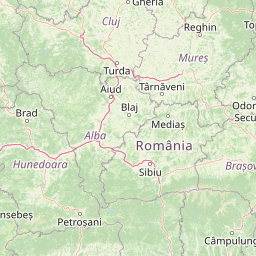
The landscape of Grădiștea Muncelului-Cioclovina Natural Park is defined by its position within the Șureanu Mountains, presenting a characteristic Carpathian mountain environment shaped by both geological and ecological processes. The terrain ranges from forested lower slopes, where mixed deciduous and coniferous forests cover the hillsides, to alpine meadows and pastures that open up at higher elevations. The most distinctive geological features are the karst formations that dominate significant portions of the park. Limestone outcrops have been carved by water into a complex landscape of caves, canyons, and surface karst features. The Crivadia Canyon provides a dramatic contrast to the more gentle mountain ridges, while the various cave systems represent hidden underworlds of stalactites, stalagmites, and other speleological formations. Valleys traverse the park, connecting these diverse landscape elements and providing corridors for both water and wildlife movement.
Grădiștea Muncelului-Cioclovina Natural Park ecosystems, habitats, and plant life
The nature of Grădiștea Muncelului-Cioclovina Natural Park reflects the Carpathian ecological character, with vegetation zones that follow the elevation gradient from forested slopes to alpine meadows. The forests of the lower and middle elevations include both deciduous species and coniferous trees, creating a layered landscape that provides diverse habitats. At higher elevations, the forest gives way to mountain pastures and meadows that support different plant communities adapted to the cooler, more exposed conditions. The karst areas host specialized habitats both above and below ground, with cave systems providing unique environments for troglobitic species adapted to perpetual darkness. The combination of forest, grassland, and karst habitats creates a mosaic of ecological communities that contributes to the overall biodiversity of the protected area.
Grădiștea Muncelului-Cioclovina Natural Park conservation status and protection priorities
As an IUCN Category V protected landscape, Grădiștea Muncelului-Cioclovina Natural Park represents a conservation approach that maintains the balance between natural protection and traditional land use. The park preserves both ecological values, including forest ecosystems and biodiversity, and geological heritage, particularly the significant karst formations and fossil deposits. The designation of specific protected sites within the park, such as the karstic complex, individual caves, canyon areas, and the fossil reserve, reflects a targeted approach to preserving the most vulnerable or significant features. This structured protection ensures that the geological processes and formations that make the area unique are maintained for future study and appreciation.
Top sights and standout views in Grădiștea Muncelului-Cioclovina Natural Park
The park's highlights center on its exceptional karst landscape, which is among the most significant in Romania. The Ponorâci-Cioclovina Karstic Complex represents a major underground system, while the individual caves including Tecuri, Șura Mare, and Bolii each offer distinct speleological features. The Crivadia Canyon provides a spectacular surface landscape where water has carved through limestone to create a dramatic gorge. The Ohaba-Ponor Fossil Reserve preserves important paleontological specimens within the park's boundaries. Together with the forested mountain slopes and alpine meadows, these features create a protected landscape of considerable diversity and scientific value.