

Mori Atlas logo
National parkGreater Hawke National Park

Explore the mapped boundaries and geographic context of this significant Western Australian national park.

Greater Hawke National Park: Old Growth Forest Protected Landscape & Regional Atlas

Greater Hawke National Park represents a vital protected area within Western Australia's South West region, safeguarding extensive old growth forests dominated by towering karri and jarrah trees. This national park, situated within the Warren bioregion, offers a distinct glimpse into the ecologically rich landscapes of the Southwest Australian Floristic Region. Its designation as a Class A reserve underscores its high conservation value, ensuring the preservation of unique ecosystems and the natural terrain for future exploration and study.

old growth forestnational parkWestern AustraliaSouth West regionprotected forestWarren bioregion

Greater Hawke National Park

National park

Park overview

Structured park overview, official facts, and landscape profile for Greater Hawke National Park

Greater Hawke National Park park facts, protected area profile, and essential visitor context
Review the core facts for Greater Hawke National Park, including designation, size, terrain, visitor scale, habitats, and operating context in one park-focused overview.

About Greater Hawke National Park

Greater Hawke National Park occupies a significant position in Western Australia's network of protected areas, representing a commitment to preserving the state's unique old growth forest environments. The park is located in the South West, a region renowned for its Mediterranean climate, diverse plant life, and distinctive landscapes that include forest, woodland, and heathland communities. The Warren bioregion in which the park sits is characterised by its wetter climate compared to surrounding areas, supporting dense vegetation and year-round moisture that sustains forest ecosystems. The park's establishment in 2004 marked an important addition to Western Australia's national park estate, created through dedicated legislation that ensured permanent protection for the area. As a Class A reserve, the land cannot be transferred to other tenures without parliamentary approval, providing strong security for its long-term conservation. Visitors to the park can access two campgrounds that provide opportunities to immerse themselves in the forest environment, though the park remains relatively undeveloped compared to some other Western Australian national parks. The landscape supports a range of plant communities that have evolved in isolation over millions of years, giving the region exceptional biodiversity value.

Quick facts and research context for Greater Hawke National Park

Greater Hawke National Park spans 14,004 hectares in the Warren bioregion of South West Western Australia. The park was established in 2004 through parliamentary proclamation and is classified as a Class A reserve, providing strong legal protection for its ecological values. Located near the town of Manjimup, the park contains old growth forest that represents some of the remaining intact woodland in the region. The park features two designated campsites that allow visitors to experience the forest environment. The Bibulman people are recognized as the traditional owners of the land, maintaining cultural connections to the area.

Park context

Deeper park guide and search-rich context for Greater Hawke National Park

Greater Hawke National Park history, landscape, wildlife, and travel context
Explore Greater Hawke National Park through its history, landscape character, ecosystems, wildlife, conservation priorities, cultural context, and seasonal travel timing in a structured park guide built for atlas discovery and search intent.

Why Greater Hawke National Park stands out

Greater Hawke National Park is primarily known for its extensive old growth forest, which represents some of the last remaining intact woodland ecosystems in the South West of Western Australia. This region is part of the globally significant biodiversity hotspot known as the Southwest Australian Floristic Region. The park's old growth forests contain towering karri and jarrah trees, along with diverse understory vegetation that supports numerous species. Its proximity to D'Entrecasteaux National Park creates a larger conservation corridor that protects wildlife movement and maintains ecological processes across the landscape.

Greater Hawke National Park history and protected-area timeline

Greater Hawke National Park was officially proclaimed on 8 December 2004 when the Parliament of Western Australia passed legislation creating the park as Class A Reserve No. 47878. This establishment came as part of a significant expansion of the state's national park system on that same day, with 19 new national parks proclaimed simultaneously. The park's creation represented the culmination of efforts to protect remaining old growth forest areas in the South West region, many of which had been under threat from logging and agricultural development. The decision to establish the park as a Class A reserve reflected the high conservation value placed on the area's forests and biodiversity. Prior to formal protection, the land had been managed for various purposes, and the park's creation represented a shift toward prioritising ecological preservation. The Bibulman people's traditional ownership of the land was recognised in the park's establishment, acknowledging the long history of Aboriginal connection to this landscape.

Greater Hawke National Park landscape and geographic character

The landscape of Greater Hawke National Park is characterised by rolling terrain covered in tall old growth forest, typical of the South West region's more elevated terrain. The park sits within the Warren bioregion, an area known for its relatively high rainfall compared to surrounding parts of Western Australia, which supports lush forest growth. The forest canopy is dominated by species such as karri and jarrah, two of Western Australia's most iconic hardwood trees that can reach considerable heights and form impressive vertical structure. The forest floor supports a diverse understory of shrubs, ferns, and other plants that thrive in the moist, shaded conditions beneath the canopy. The landscape includes creek lines and drainage features that carry water through the forest, providing habitat for aquatic species and contributing to the overall ecological complexity of the area. The park's terrain varies in elevation, creating microclimates and diverse habitat conditions across its extent.

Greater Hawke National Park ecosystems, habitats, and plant life

The nature of Greater Hawke National Park reflects the exceptional biodiversity of the Southwest Australian Floristic Region, one of the world's recognised biodiversity hotspots. The park's old growth forest provides critical habitat for numerous plant and animal species, many of which occur nowhere else on Earth. The forest structure, with its large old trees, fallen logs, and diverse ground cover, creates a complex habitat that supports species at multiple trophic levels. The Warren bioregion receives sufficient rainfall to support tall forest ecosystems, distinguishing it from the more arid surrounding regions. The park's protected status ensures that ecological processes continue without significant disturbance, allowing natural fire regimes, nutrient cycling, and species interactions to function. The old growth character of the forest means that trees have reached maturity and developed the structural features such as hollows and dead branches that provide nesting sites for birds and mammals.

Greater Hawke National Park wildlife and species highlights

Greater Hawke National Park supports wildlife populations typical of South West old growth forests in Western Australia. The forest provides essential habitat for numerous bird species, including cockatoos, parrots, and honeyeaters that rely on tree hollows for nesting and the forest canopy for feeding. Mammals including various possum and bat species use the forest for shelter and food, while reptiles and invertebrates occupy the forest floor and understory layers. The combination of old trees with hollows, fallen logs, and diverse plant life creates the complex habitat structure that supports this diversity. The park's connection to the larger D'Entrecasteaux National Park to the south allows for wildlife movement across a broader landscape, which is important for species that require large home ranges or seasonal movement corridors. The Bibulman people's traditional connection to the land includes historical relationships with wildlife that formed part of their cultural practices and food resources.

Greater Hawke National Park conservation status and protection priorities

Greater Hawke National Park plays an important role in conserving the old growth forest ecosystems of the South West region, an area that has experienced significant land clearing and modification since European settlement. The park's Class A reserve status provides strong legal protection that prevents downgrading or excision of the land. As part of a network that includes the adjacent D'Entrecasteaux National Park, the park contributes to landscape-scale conservation that protects ecological processes across a larger area. The Southwest Australian Floristic Region is recognised internationally for its high number of endemic species, many of which are under threat from habitat loss and climate change. Protecting areas like Greater Hawke National Park helps maintain populations of these species and preserves the evolutionary processes that generated such diversity. The park also protects waterways and catchment areas that feed into broader river systems, providing benefits that extend beyond the park's boundaries.

Greater Hawke National Park cultural meaning and human context

Greater Hawke National Park is situated on land traditionally owned by the Bibulman people, whose connection to this landscape spans thousands of years. The Bibulman are part of the broader Noongar cultural grouping of South West Western Australia, a group with deep ties to the forest, woodland, and wetland environments of the region. Traditional Aboriginal use of the area would have included hunting, gathering, and ceremonial activities that were integrated with the seasonal patterns of plant and animal availability. The park's establishment recognised these traditional connections, acknowledging the ongoing cultural significance of the land for Bibulman people. Understanding the cultural context adds depth to the park's significance beyond its ecological values, highlighting that this landscape has been important to human communities for much longer than the 2004 national park designation.

Top sights and standout views in Greater Hawke National Park

Greater Hawke National Park preserves some of Western Australia's last remaining old growth forest, offering visitors the opportunity to experience towering karri and jarrah trees in a relatively natural state. The park provides two campsite locations for those wishing to stay overnight and immerse themselves in the forest environment. Its location adjacent to the larger D'Entrecasteaux National Park creates opportunities for extended exploration across connected protected areas. The park's Class A reserve status reflects its high conservation value and ensures permanent protection of its ecological values. The Bibulman people's traditional connection to the land adds cultural significance to the landscape.

Best time to visit Greater Hawke National Park

Greater Hawke National Park can be visited throughout the year, though the South West of Western Australia experiences a Mediterranean climate with cool, wet winters and warm, dry summers. The forest is most lush during spring and early summer when rainfall is typically higher and wildflowers add colour to the understory. Summer months offer warm conditions suitable for camping and bushwalking, though fire risk may lead to park closures during periods of extreme heat. Winter brings cooler temperatures and increased rainfall, which can make some tracks muddy but also brings a different character to the forest as watercourses flow and the landscape remains green. The best time to visit depends on what visitors hope to experience, with spring offering excellent wildflower viewing and summer providing the most accessible conditions for extended outdoor activities.
Park location guide

Geography guide, regional context, and park location map for Greater Hawke National Park

Greater Hawke National Park park geography, regions, and map view in Australia
Understand where Greater Hawke National Park sits in Australia through a broader geographic reading of the surrounding landscape, nearby location context, and its mapped position within the national park landscape.

How Greater Hawke National Park fits into Australia

Australia is a constitutional monarchy and federal parliamentary democracy comprising six states and ten territories. With a population of nearly 28 million, it is one of the world's most urbanised countries, with most people concentrated on the eastern seaboard. The country has a high Human Development Index and is known for its cultural diversity, ancient Aboriginal heritage, and unique wildlife.

Wider geography shaping Greater Hawke National Park in Australia

Australia occupies the entire Australian continent, the island of Tasmania, and numerous smaller islands. It is the world's flattest and driest inhabited continent, featuring vast deserts in the interior (the Outback), tropical rainforests along the eastern coast, and a coastline bordering the Indian and Pacific Oceans.

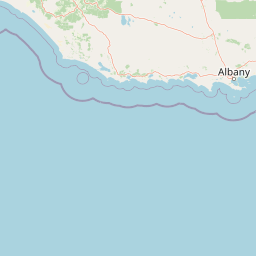
Map view of Greater Hawke National Park

Use this park location map to pinpoint Greater Hawke National Park in Australia, understand its exact geographic position, and read its mapped placement within the surrounding landscape more clearly.

Pigeon | © OpenStreetMap contributors
Park atlas

Map the regional protected areas and conservation landscapes of Western Australia's South West, extending beyond Greater Hawke National Park.

Discover Nearby National Parks and Protected Areas in the Greater Hawke Region
Browse national parks and protected areas near Greater Hawke National Park, exploring the broader network of conservation landscapes within Western Australia's South West region. Compare key features, geographical contexts, and protected-area designations of adjacent reserves to understand their regional spread and ecological importance.
National parkWestern Australia

Warren National Park: A Protected Landscape of Ancient Karri Forests in Western Australia

Explore mapped forest boundaries and river geography.

Warren National Park offers an unparalleled glimpse into the grandeur of old-growth karri forests, showcasing some of Western Australia's most towering trees. Situated in the South West region, this national park protects a vital tract of temperate forest ecosystem, characterized by rolling terrain and the scenic Warren River. Its mapped landscape and protected-area status highlight the critical importance of preserving these magnificent natural environments for atlas-based geographic discovery.

Area
29.81 km²
Established
1977
IUCN
II
Scope
Terrestrial
National parkWestern Australia

Brockman National Park: Western Australia National Park for Protected Landscape Discovery

Explore mapped boundaries and natural terrain.

Brockman National Park is a significant protected area within Western Australia, recognized as a national park. This detail page focuses on its role as a conserved landscape, offering insight into its natural geography and mapped extent. Engage with structured data to understand the park's context within the broader regional atlas of Western Australia's protected lands.

Area
0.52 km²
Established
1977
IUCN
II
Relief
Highland
National parkWestern Australia

Greater Beedelup National Park: Western Australia's National Park Landscape

Discover Protected Areas and Regional Geography

Explore Greater Beedelup National Park, a key protected landscape within Western Australia. This national park offers a focus for understanding mapped natural features and the regional distribution of conservation areas. It serves as a vital point for atlas-based discovery, providing structured insights into the park's geographic setting and its identity as a protected natural area.

Area
17.83 km²
Established
1915
IUCN
II
Relief
Upland
National parkWestern Australia

Gloucester National Park: National Park in Western Australia's Geographic Landscape

Explore mapped boundaries and protected land context.

Gloucester National Park stands as a significant protected area within the vast geographic expanse of Western Australia. This entry focuses on its identity as a national park, detailing its mapped landscape features and regional context. Understanding Gloucester National Park involves appreciating its specific geographic setting and its contribution to the atlas of protected natural areas in Australia, providing foundational data for landscape exploration.

Area
8.78 km²
Established
1993
IUCN
II
Access
Moderate access
National parkWestern Australia

Sir James Mitchell National Park: National Park, Western Australia - Geographic Atlas View

Mapped protected area with regional landscape context.

Gain a structured understanding of Sir James Mitchell National Park as a key protected landscape within Western Australia. This atlas entry focuses on the park's geographic extent, its status as a national park, and its position within the diverse regional geography of Western Australia, offering clear insights for map-based exploration and conservation landscape analysis.

Area
2.47 km²
Established
1969
IUCN
II
Access
Access unknown
National park

Jane National Park: Western Australia's Protected Old-Growth Forest Landscape

Mapped forest ecosystems in the South West bioregion.

Jane National Park represents a key protected landscape in the South West of Western Australia, recognized for its significant old-growth forest ecosystems. This Class A reserve preserves mature stands of karri and jarrah trees, offering a glimpse into the region's undisturbed natural heritage. Its landscape is characterized by dense, ancient forests dominating gentle terrain, making it an important site for understanding the conservation value of this bioregion and exploring its mapped natural context.

Area
68.63 km²
Established
2004
IUCN
II
Scope
Terrestrial
National parkWestern Australia

D'Entrecasteaux National Park: Discover Western Australia's Protected National Park Landscape

Mapping protected boundaries and regional natural terrain.

D'Entrecasteaux National Park stands as a significant protected natural area, offering a focused lens for geographic discovery within Western Australia. This park's identity as a National Park provides a concrete point for understanding mapped landscapes and regional conservation efforts. Explore its specific boundaries and terrain to build a comprehensive picture of its role within the broader atlas of Western Australia's natural heritage.

Area
1,187.79 km²
Established
1980
IUCN
II
Visitors
168.5K annual
National park

Boorara-Gardner National Park: Mapped Old Growth Forest and Protected Landscape

Western Australia's protected area and regional geography.

Boorara-Gardner National Park is a vital national park in Western Australia, recognized for its stands of old-growth forest and its stunning spring wildflower displays. Delve into the park's specific geographic features, mapped terrain, and its identity as a key protected area within the South West region. Understand its place in the contiguous network of conservation lands through detailed atlas-style exploration.

Area
110.08 km²
Established
2004
Relief
Mixed relief
Climate
Mediterranean

Common questions about visiting, size, designation, and location context for Greater Hawke National Park

Greater Hawke National Park FAQs for park facts, access, geography, and protected area context
Find quick answers about Greater Hawke National Park, including protected-area facts, park geography, trail and visitor context, and how the park fits into its surrounding country and regional landscape.
MoriAtlas Explorer

Continue Your Protected Areas Search Across the Global Atlas

Deepen your exploration by continuing the structured search for national parks and protected areas worldwide. Utilize the comprehensive filtering capabilities to compare different conservation landscapes and refine your understanding of global park geography. Discover more about the distribution and characteristics of protected natural areas.

Global natural geography