Why Hat Wanakon National Park stands out
Hat Wanakon National Park is best known for its exceptional coral reef ecosystem, which is considered the most abundant in the Gulf of Thailand. The reef surrounds the twin islands of Ko Chan and Ko Tai-si, located about seven kilometers offshore, and supports a remarkable diversity of hard corals, soft corals, and marine species including the rare Acropora cytherea. The park's namesake beach offers a relatively pristine sandy coastline along Petchkasem Road, while the inland areas feature sparse woodland dominated by species such as Indian thorny bamboo, Burmese rosewood, crape myrtle, Queen's flower, and teak. The combination of accessible beach recreation and outstanding underwater marine life makes this park distinctive among Thailand's coastal protected areas.
Hat Wanakon National Park history and protected-area timeline
Hat Wanakon National Park originated as a forest park before its elevation to national park status in 1992. Prior to formal protection, the area existed as part of the Wang Duean and Huai Yang national reserved forests, with the region containing the Huai Yang forest park, Huai Yang arboretum, and Huai Yang forestry station within what is now the Mueang Prachuap Khiri Khan district portion of the park. The Huai Yang forestry station was discontinued as part of the transition toward establishing the national park, with the Department of Forest Management transferring administrative oversight to the National Parks Division beginning in the 1989 fiscal year. This designation as the 76th national park and 18th marine national park in Thailand reflected the country's growing commitment to protecting coastal and marine ecosystems alongside terrestrial forest environments.
Hat Wanakon National Park landscape and geographic character
The terrain of Hat Wanakon National Park consists primarily of coastal plain and elevated coastal landscape, with average elevations ranging from sea level to approximately five meters above mean sea level. The land area features a gradual slope from the western side toward the eastern coastline, creating a slightly more pronounced incline on the western side compared to the eastern sections. The park's two offshore islands, Ko Chan and Ko Tai-si, are connected to each other and feature geology characterized by igneous rock and sandstone formations. Both islands support short stretches of sandy beach, with the sand consisting predominantly of fine coral fragments. The beach area along the mainland coast offers a more continuous sandy shoreline suitable for recreational visitors.
Hat Wanakon National Park ecosystems, habitats, and plant life
The nature of Hat Wanakon National Park encompasses both terrestrial and marine ecosystems characteristic of Thailand's Gulf coast. The terrestrial vegetation consists of sparse woodland containing various plant species including Indian thorny bamboo, Burmese rosewood, crape myrtle, Queen's flower, and teak trees. The marine environment constitutes the park's most ecologically significant feature, with the coral reef system surrounding the twin islands representing the most abundant coral reef in the Gulf of Thailand. This reef supports extensive populations of hard corals, soft corals, and diverse marine organisms across an area spanning approximately two kilometers in width at depths between 8 and 10 meters. The reef ecosystem provides critical habitat for numerous marine species, with the rare coral species Acropora cytherea documented within the protected waters.
Hat Wanakon National Park wildlife and species highlights
The wildlife of Hat Wanakon National Park centers on its exceptional marine biodiversity. The coral reef ecosystem surrounding Ko Chan and Ko Tai-si islands supports hundreds of coral species and countless reef-associated fish and invertebrates. The rare coral species Acropora cytherea is specifically noted as occurring within the park's protected marine waters. The reef area is closed to fishing boat access, which helps maintain the ecological integrity of the marine community and protects the diverse organisms that depend on this habitat. While the terrestrial wildlife component receives less documentation in available sources, the woodland areas support various bird species and smaller fauna typical of coastal forest habitats in the region.
Hat Wanakon National Park conservation status and protection priorities
Hat Wanakon National Park holds significant conservation value as a marine protected area, particularly for its coral reef ecosystem. The reef surrounding the twin islands is recognized as the most abundant in the Gulf of Thailand, making it a priority area for coral conservation in the country. The designation as Thailand's 18th marine national park reflects the specific importance placed on protecting marine environments alongside terrestrial areas. The park implements restrictions on fishing boat access within the reef area, which helps reduce direct human impacts on the coral community. The presence of the rare species Acropora cytherea further underscores the conservation significance of this marine environment.
Hat Wanakon National Park cultural meaning and human context
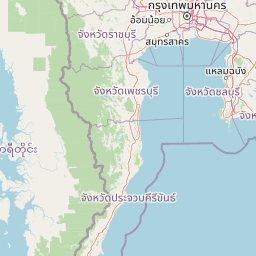
Hat Wanakon National Park exists within the cultural and administrative context of Prachuap Khiri Khan Province, a coastal region in western Thailand. The park overlaps two districts, Mueang Prachuap Khiri Khan and Thap Sakae, reflecting the administrative organization of the province. The Thai name of the park, อุทยานแห่งชาติหาดวนกร, directly translates to indicate its identity as a national park centered on the Wanakon beach area. The region's proximity to Bangkok and the main transportation corridor of Petchkasem Road has influenced access patterns, though the park remains less developed than some other Thai coastal destinations.
Top sights and standout views in Hat Wanakon National Park
The highlights of Hat Wanakon National Park include the pristine Wanakon Beach along the mainland coastline, accessible directly from Petchkasem Road. The twin islands of Ko Chan and Ko Tai-si, situated approximately seven kilometers offshore, represent the marine centerpiece of the park and offer exceptional snorkeling and diving opportunities around their abundant coral reefs. The reef system, noted as the most extensive in the Gulf of Thailand, provides visitors with encounters with diverse coral species and marine life. The combination of above-water beach recreation and below-water marine exploration within a single protected area creates a distinctive visitor experience. The relatively uncrowded nature of the beach compared to more famous Thai coastal destinations adds to its appeal for those seeking a more natural coastal experience.
Best time to visit Hat Wanakon National Park
The best time to visit Hat Wanakon National Park aligns with Thailand's general climatic patterns, with the cool dry season from December through February offering the most comfortable conditions for beach activities. The park experiences a tropical monsoon climate with a distinct wet season from May through November, during which rainfall is more frequent though often occurring in concentrated showers. Average temperatures throughout the year hover around 27.7 degrees Celsius, with May typically being the warmest month and January the coolest. October represents the wettest period with the highest rainfall, while December is the driest month. Visitors seeking optimal beach and marine conditions should consider the dry season months, though the reef environment is accessible year-round for those willing to encounter occasional rainfall.