Mori Atlas logo
National parkIsla Magdalena National Park

Understand the mapped boundaries and regional context of this national park.

Isla Magdalena National Park: A Protected Landscape within Aysén's Geography

Isla Magdalena National Park stands as a significant protected area within the Aysén del General Carlos Ibáñez del Campo Region of southern Chile. This page offers an atlas-driven perspective, detailing the park's geographic setting and mapped boundaries. Users can explore the park's identity as a national park and its place within the broader Patagonian landscape.

PatagoniaMagellanic ForestVolcanic LandscapeIsland WildernessRemote Protected AreaCoastal Islands

Isla Magdalena National Park

National park

Park overview

Structured park overview, official facts, and landscape profile for Isla Magdalena National Park

Isla Magdalena National Park park facts, protected area profile, and essential visitor context
Review the core facts for Isla Magdalena National Park, including designation, size, terrain, visitor scale, habitats, and operating context in one park-focused overview.

About Isla Magdalena National Park

Isla Magdalena National Park represents one of the more significant protected wilderness areas in the southern Chilean Patagonia region. The park encompasses the entirety of Magdalena Island, a large island situated in the fjords and channels that characterize this portion of the Chilean coast. The landscape reflects the classic Patagonian environment, where mountains meet the sea through a complex intermix of forests, wetlands, and rocky shorelines. The park's creation in 1967 as a forest reserve, followed by its elevation to national park status in 1983, reflects Chile's commitment to preserving these remote and ecologically significant landscapes. The governing body, Corporación Nacional Forestal, manages the protected area as part of Chile's national system of protected wilderness. The extreme precipitation and cool temperatures create an environment where dense forest cover thrives up to elevations where alpine conditions take over. This combination of factors has produced a landscape that remains among the more remote and wild protected areas in the country.

Quick facts and research context for Isla Magdalena National Park

Isla Magdalena National Park protects Magdalena Island, the largest island in the Aysén Region of Chilean Patagonia. The park spans 1,576 square kilometers of diverse terrain including volcanic peaks, dense forest valleys, and coastal waters. The climate is cool and extremely wet, with annual average temperatures ranging from 6 to 8 degrees Celsius and precipitation exceeding 4,000 millimeters per year. Mentolat Volcano, rising to 1,660 meters, is the highest point within the park. Access is exclusively by boat, with the nearest communities being Puerto Cisnes and Puerto Puyuhuapi on the mainland.

Park context

Deeper park guide and search-rich context for Isla Magdalena National Park

Isla Magdalena National Park history, landscape, wildlife, and travel context
Explore Isla Magdalena National Park through its history, landscape character, ecosystems, wildlife, conservation priorities, cultural context, and seasonal travel timing in a structured park guide built for atlas discovery and search intent.

Why Isla Magdalena National Park stands out

Isla Magdalena National Park is best known for its spectacular Patagonian wilderness character, combining dense Magellanic forests with volcanic mountain terrain in a remote island setting. The park protects one of the more extensive tracts of contiguous wilderness in Chilean Patagonia, with its wet, cool climate supporting unique ecological communities adapted to the extreme conditions. The absence of road infrastructure has kept this landscape remarkably undeveloped, preserving its wild character. The volcanic peak of Mentolat Volcano provides dramatic high-country terrain, while the numerous smaller islands surrounding Magdalena add coastal diversity to the protected area.

Isla Magdalena National Park history and protected-area timeline

The protection history of Isla Magdalena National Park begins in 1967 when the area was first established as a forest reserve, recognizing the ecological and wilderness significance of Magdalena Island and its surrounding islands. At that time, the Chilean government identified the need to preserve the unique forest ecosystems and wilderness character of this remote Patagonian landscape. In June 1983, the reserve was reclassified as a national park, elevating its protection status and formalizing its role within Chile's protected areas system. This reclassification reflected both the growing understanding of the region's ecological importance and the national priority placed on conserving Patagonia's remaining wilderness areas. The management responsibility was assigned to Corporación Nacional Forestal, the national forest corporation that oversees many of Chile's protected forest areas.

Isla Magdalena National Park landscape and geographic character

The landscape of Isla Magdalena National Park is defined by the collision of volcanic mountain terrain with the maritime environment of southern Patagonia. The dominant terrain feature is Mentolat Volcano, a volcanic peak reaching 1,660 meters above sea level, which rises as a prominent landmark within the park. The island's interior contains a complex arrangement of mountains, valleys, and forested slopes that descend toward the coastline. The surrounding waters contain numerous smaller islands, with Atilio Island being the most significant among them in the northern portion of the park. The coastline features the typical fjords and inlets of Patagonian geography, where steep terrain meets the sea directly. The combination of high precipitation, cool temperatures, and varied elevation creates a landscape with distinct ecological zones, from coastal shoreline through forest-covered slopes to alpine elevations on the higher peaks.

Isla Magdalena National Park ecosystems, habitats, and plant life

The natural environment of Isla Magdalena National Park exemplifies the Magellanic forest ecosystem that characterizes the southernmost portions of South America. The extremely wet and cool climate supports dense forest growth, with the characteristic species of this ecosystem forming extensive coverage across the island's lower elevations. The annual precipitation of approximately 4,000 millimeters creates conditions favoring moisture-loving plant communities, while the cool temperature range of 6 to 8 degrees Celsius moderates the growing conditions. This combination produces the dense, wet forest character that distinguishes Patagonian wilderness from more northern forest types. The park's island setting and inclusion of multiple smaller islands adds coastal and marine habitat diversity to the terrestrial protected area, creating a more comprehensive ecosystem protection scheme.

Isla Magdalena National Park wildlife and species highlights

While the Wikipedia source provides limited specific information about wildlife species, the Magellanic forest ecosystem of Isla Magdalena National Park is known to support diverse fauna adapted to the wet, cool Patagonian environment. The extensive forest cover provides habitat for numerous bird species, while the marine environments surrounding the island support marine mammals and seabirds. The remote and undeveloped character of the island has allowed wildlife populations to persist with minimal human disturbance. The presence of numerous islands within and adjacent to the park creates a complex coastal environment supporting marine ecosystems. Further detailed wildlife information would require additional source materials beyond the provided Wikipedia entry.

Isla Magdalena National Park conservation status and protection priorities

Isla Magdalena National Park serves as an important protected area within Chile's system of national parks, preserving a representative sample of Patagonian wilderness. The park protects the Magellanic forest ecosystem, a distinctive biome found only in the southernmost portions of South America. The extreme precipitation and cool climate have historically limited human development in this region, allowing extensive natural areas to persist. By protecting Magdalena Island and its surrounding islands, the park preserves not only terrestrial ecosystems but also the coastal and marine environments that intergrade with the island's shoreline. The designation as a national park, following its earlier status as a forest reserve, reflects the recognized conservation importance of this remote Patagonian landscape.

Isla Magdalena National Park cultural meaning and human context

The Wikipedia source does not provide specific information regarding human cultural history or indigenous heritage associated with Isla Magdalena National Park. The extreme weather conditions and remote location of the area likely limited extensive historical human occupation, though the broader Patagonia region has historical connections to indigenous groups including the Mapuche and more southern peoples. The modern access pattern requiring sea travel from communities such as Puerto Cisnes reflects the historical relationship between mainland settlements and this isolated island environment. Any detailed cultural context would require additional source materials beyond the provided information.

Top sights and standout views in Isla Magdalena National Park

The standout features of Isla Magdalena National Park include its remarkable remoteness and wilderness character, the dramatic volcanic peak of Mentolat Volcano rising to 1,660 meters, the extensive Magellanic forest covering the island's lower elevations, and the network of smaller islands adding coastal diversity. The park can only be reached by sea, with Puerto Cisnes and Puerto Puyuhuapi serving as access points, ensuring that visitors experience a genuinely wild and undeveloped landscape. The extreme precipitation and cool climate create an atmospheric environment distinct from more visited Patagonian destinations. Puerto Gaviota in the southern portion of the park is noted as a particularly noteworthy location, while the northern portion contains the significant Atilio island. The absence of any road infrastructure on the island itself preserves its wild character.

Best time to visit Isla Magdalena National Park

The best time to visit Isla Magdalena National Park would typically be during the Patagonian summer months, from December through March, when temperatures are at their warmest and precipitation remains high but daylight hours are longest. However, the extremely wet climate of the region means that visitors should be prepared for rain at any time of year. The cool temperature range of 6 to 8 degrees Celsius requires warm, layered clothing regardless of the season. The sea access requirement means that visit timing is also influenced by sea conditions and boat availability from the mainland ports. Given the lack of infrastructure on the island itself, visitors must be self-sufficient and prepared for backcountry conditions. The remote nature of the park means that visit planning requires careful attention to logistics and weather considerations.
Park location guide

Geography guide, regional context, and park location map for Isla Magdalena National Park

Isla Magdalena National Park park geography, regions, and map view in Chile
Understand where Isla Magdalena National Park sits in Chile through a broader geographic reading of the surrounding landscape, nearby location context, and its mapped position within the national park landscape.

How Isla Magdalena National Park fits into Chile

Chile is a presidential republic in western South America, extending as a narrow strip along the western edge of the continent between the Andes Mountains and the Pacific Ocean. It is the southernmost country in the world and the closest to Antarctica. The country is bordered by Peru, Bolivia, and Argentina, and administers several Pacific islands including Easter Island. Chile is a major copper producer and has a population of approximately 19.6 million.

Wider geography shaping Isla Magdalena National Park in Chile

Chile occupies a narrow strip of land along the western edge of South America, extending approximately 4,300 km north to south but only about 350 km east to west at its widest point. The country is sandwiched between the Andes Mountains to the east and the Pacific Ocean to the west. It shares borders with Peru to the north, Bolivia to the northeast, and Argentina to the east. Southern Chile borders the Drake Passage. Chile also administers several Pacific islands including Juan Fernández Islands, Isla Salas y Gómez, Desventuradas Islands, and Easter Island, plus the Chilean Antarctic Territory.

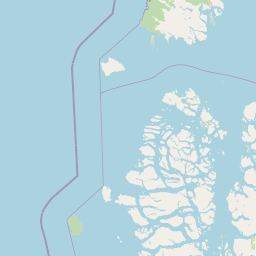
Map view of Isla Magdalena National Park

Use this park location map to pinpoint Isla Magdalena National Park in Chile, understand its exact geographic position, and read its mapped placement within the surrounding landscape more clearly.

Pigeon | © OpenStreetMap contributors

Location context for Isla Magdalena National Park

Aysén del General Carlos Ibáñez del Campo Region
Park atlas

Trace the wider protected landscapes of Chilean Patagonia, comparing national parks and regional protected areas surrounding Isla Magdalena National Park.

Discover Other Patagonian National Parks and Protected Areas Near Isla Magdalena National Park
After exploring Isla Magdalena National Park, browse other national parks and protected areas across Chilean Patagonia's vast and diverse landscapes, including coastal islands, volcanic terrain, and extensive Magellanic forests. Comparing these protected areas offers invaluable geographic context, revealing how varied conservation efforts map across the remote Aysén Region and its unique wilderness character.
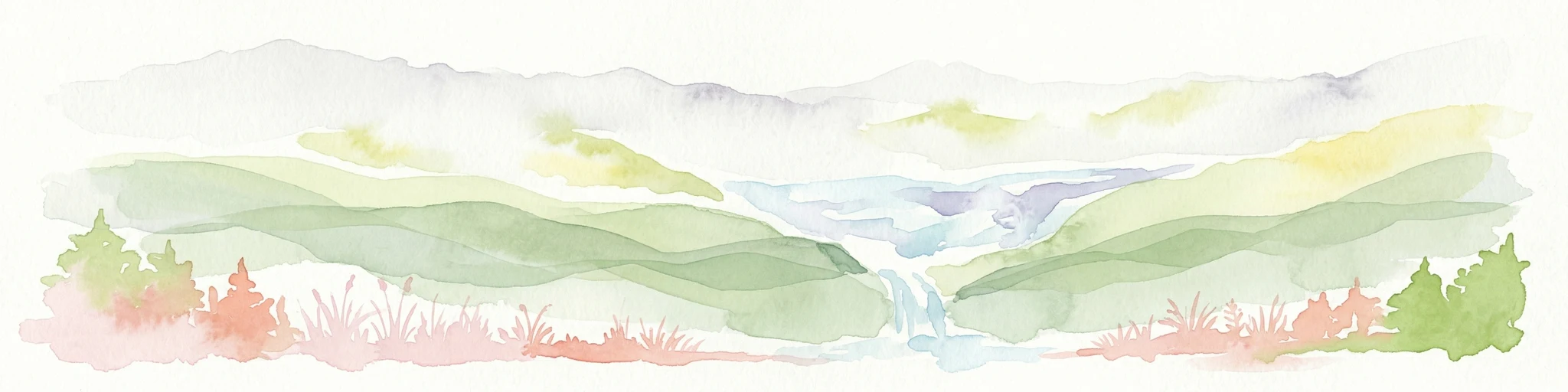
Watercolor illustration of a mountainous landscape with green fields and forests under a pale sky
National parkAysén Region

Melimoyu National Park: A Key Protected National Park within Chile's Aysén Region

Explore Melimoyu National Park's mapped boundaries and regional geography.

Melimoyu National Park stands as a distinct protected natural area, offering a focused lens for geographic discovery. As a national park situated in the Aysén Region, its mapped boundaries and regional landscape context are crucial for understanding its atlas significance. This entry provides specific details about the park's protected status and its contribution to the mapped terrain of southern Chile, enabling detailed exploration for atlas enthusiasts.

Area
1,055 km²
Established
2018
IUCN
II
Relief
Mixed relief
Watercolor illustration of rolling hills, a river flowing through a valley, and forested areas
National parkAysén del General Carlos Ibáñez del Campo Region

Queulat National Park: Patagonian Andes Glacier and Rainforest Discovery

Mapped protected area in Aysén del General Carlos Ibáñez del Campo Region.

Queulat National Park is a vast protected wilderness in southern Chile, renowned for its dramatic glacial alpine terrain and lush temperate rainforests. The park's geography is defined by steep glacial valleys, ice fields, and the iconic Queulat Hanging Glacier cascading from sheer cliffs. Discover the mapped boundaries of this significant Patagonian national park, offering unparalleled insight into its unique ecosystems and dramatic landscapes shaped by ice and forest.

Area
1,541 km²
Established
1983
IUCN
II
Relief
Mountain
National parkAysén del General Carlos Ibáñez del Campo Region

Cerro Castillo National Park: Dramatic Granite Peaks and Patagonian Protected Landscape

Mapped geography and huemul conservation in Chile's Aysén Region.

Cerro Castillo National Park is a premier protected area in southern Chile, celebrated for its iconic Cerro Castillo granite mountain that dominates the landscape. This national park, spanning over 1,700 square kilometers in the Aysén del General Carlos Ibáñez del Campo Region, showcases a dynamic Patagonian terrain shaped by glaciers and rivers. Its significance extends to being a vital corridor for endangered huemul, offering critical habitat within a broader regional conservation strategy and the famous Route of Parks.

Area
1,795.5 km²
Established
1970
IUCN
II
Relief
Mountain
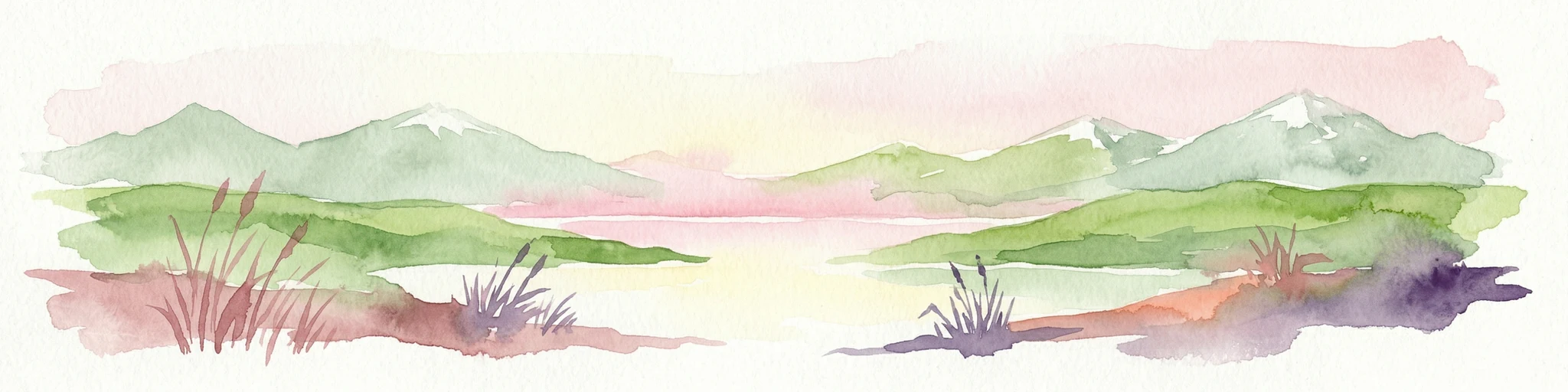
Watercolor painting depicting mountains, a lake, and grassy shoreline
National parkArgentina

Los Alerces National Park: Ancient Alerce Forests and Glacial Terrain in Argentina

Discover the park's protected landscape and regional geography.

Los Alerces National Park in Argentina is a globally significant protected area, celebrated for its ancient alerce forests, some of the longest-living trees on Earth. This national park showcases a dramatic landscape shaped by glaciers, featuring a series of interconnected lakes and rugged Andean terrain. Explore the unique ecosystem and mapped geography of this UNESCO World Heritage site to understand its profound natural and conservation value.

Area
2,599 km²
Established
1937
IUCN
II
Relief
Mountain
National parkAysén del General Carlos Ibáñez del Campo Region

Laguna San Rafael National Park: Explore its Mapped Boundaries and Patagonian Landscape

A National Park within Aysén del General Carlos Ibáñez del Campo Region.

Laguna San Rafael National Park stands as a key protected area within the vast geography of the Aysén del General Carlos Ibáñez del Campo Region. This entry provides an atlas-focused perspective, detailing the park's geographic significance, mapped natural landscapes, and its role as a vital conservation territory. Understand how this national park fits into the broader context of Patagonia's unique terrain and protected areas.

Area
17,420 km²
Established
1959
IUCN
II
Relief
Mountain
National parkAysén Region

Patagonia National Park, Chile: Exploring Protected Landscape and Regional Geography

Mapped boundaries and natural terrain in Aysén Region.

Patagonia National Park, situated within the Aysén Region of Chile, serves as a significant protected area offering rich opportunities for atlas-based geographic exploration. This national park's specific landscape identity and mapped boundaries provide a clear focal point for understanding regional conservation and natural terrain. Discover the geographic context of this protected land and its place within the broader landscape of southern Chile through structured data and map exploration.

Area
3,045.28 km²
Established
2018
IUCN
II
Relief
Mountain
National parkLos Lagos Region

Chiloé National Park: National Park Discovery and Mapped Boundaries in Los Lagos Region

Explore its unique protected landscape and regional geography.

Chiloé National Park represents a significant protected natural area within the Los Lagos Region of Chile. This detailed page offers an atlas-centric view, focusing on the park's mapped boundaries, its place in the regional geography, and the overall protected landscape character. Gain structured insight into this important component of southern Chile's conservation lands, ideal for geographic exploration and atlas context.

Area
430.57 km²
Established
1983
IUCN
II
Visitors
33.6K annual
Watercolor illustration showing a lake surrounded by forested hills and mountains
National parkChubut Province

Lago Puelo National Park: A Unique Protected Landscape at the Intersection of Biomes

Explore its glacial terrain and Andean-Patagonian geographic context.

Lago Puelo National Park, located in Argentina's Chubut Province, stands out as a significant protected area due to its remarkable ecological diversity. This park is distinguished by its rare transition zone where the Patagonian forest converges with the Andean steppe, incorporating flora typically found in the Valdivian temperate rainforest. The mountainous landscape, carved by glaciers, features the striking turquoise waters of Puelo Lake and surrounding river systems. Understanding Lago Puelo National Park's geography provides insight into the complex natural systems of Patagonia and its unique protected biomes.

Area
276.74 km²
Established
1971
IUCN
II
Relief
Mountain

Common questions about visiting, size, designation, and location context for Isla Magdalena National Park

Isla Magdalena National Park FAQs for park facts, access, geography, and protected area context
Find quick answers about Isla Magdalena National Park, including protected-area facts, park geography, trail and visitor context, and how the park fits into its surrounding country and regional landscape.
MoriAtlas Explorer

Continue Your Protected Areas Search Across the Global Atlas

Deepen your exploration by continuing the structured search for national parks and protected areas worldwide. Utilize the comprehensive filtering capabilities to compare different conservation landscapes and refine your understanding of global park geography. Discover more about the distribution and characteristics of protected natural areas.

Global natural geography