

Mori Atlas logo
Protected areaJabal Aja Protected Area

Understand the mapped boundaries and regional geography of this key protected area.

Jabal Aja Protected Area: Saudi Arabia's Protected Landscape and Geographic Context

Jabal Aja Protected Area represents a distinct protected landscape within Saudi Arabia, offering valuable insights for atlas-based geographic discovery. This page details the park's specific location and its mapped boundaries, providing context for understanding its role in the regional geography of the Arabian Peninsula. Explore the protected area to grasp its unique natural terrain and its significance within the Kingdom of Saudi Arabia's conservation network.

Protected AreaGranite MountainsImportant Plant AreaImportant Bird AreaDesert EcosystemsMountain Wildlife

Jabal Aja Protected Area

Protected area

Park overview

Structured park overview, official facts, and landscape profile for Jabal Aja Protected Area

Jabal Aja Protected Area park facts, protected area profile, and essential visitor context
Review the core facts for Jabal Aja Protected Area, including designation, size, terrain, visitor scale, habitats, and operating context in one park-focused overview.

About Jabal Aja Protected Area

Jabal Aja Protected Area represents one of Saudi Arabia's most ecologically significant mountain conservation areas, protecting a dramatic red granite mountain range that rises from the desert plains of the northern Hejaz region. The mountain range, part of the Shammar Mountains, stretches approximately 100 kilometers in a generally north-south orientation and varies between 10 and 35 kilometers in width, creating a distinct island of rocky terrain amid the vast sand seas of the An Nafud desert to the northeast. The geology is characterized by ancient Precambrian granites that have been intricately dissected by fault lines, producing a distinctive landscape of straight valleys and angular ridgelines. The protected area was established to conserve this unique mountain ecosystem and the biological communities it supports, which differ markedly from the surrounding desert environment due to the slightly higher elevation and increased rainfall that the mountains intercept. The extension of the protected area to the northeast has incorporated additional arid terrain featuring low sandstone hills and granite outcrops, creating a buffer zone that connects the mountain core to the desert edge. This combination of montane and desert habitats within a single protected area makes Jabal Aja particularly valuable for biodiversity conservation in the Arabian Peninsula.

Quick facts and research context for Jabal Aja Protected Area

Jabal Aja Protected Area lies at coordinates 27°30'N and 41°30'E in northern Saudi Arabia near the town of Ha'il. The protected area encompasses a granite mountain range of approximately 2,000 square kilometers with altitude varying between 900 and 1,550 meters. The area receives more precipitation than the surrounding desert, with Ha'il averaging about 116mm of rainfall annually, primarily during winter months. The protected area was extended northeast to include arid terrain with sandstone hills and granite outcrops extending toward the An Nafud desert edge.

Park context

Deeper park guide and search-rich context for Jabal Aja Protected Area

Jabal Aja Protected Area history, landscape, wildlife, and travel context
Explore Jabal Aja Protected Area through its history, landscape character, ecosystems, wildlife, conservation priorities, cultural context, and seasonal travel timing in a structured park guide built for atlas discovery and search intent.

Why Jabal Aja Protected Area stands out

Jabal Aja is best known for its status as a biodiversity island in the heart of the Arabian Peninsula's desert region. The mountain range serves as a critical refuge for plant species with Mediterranean and Irano-Turanian origins, representing relict populations that survived in this isolated high ground as climate conditions changed across the surrounding lowlands. It is internationally designated as both an Important Plant Area and an Important Bird and Biodiversity Area, with particular significance for migratory birds including the demoiselle crane. The presence of species such as the Arabian wolf, sand cat, Nubian ibex, and historically the Asiatic cheetah further underscores its ecological importance within the Arabian Peninsula.

Jabal Aja Protected Area history and protected-area timeline

Jabal Aja has long been recognized as an ecologically significant area within Saudi Arabia, with its protected status reflecting decades of conservation attention. The area was formally designated as a protected area to preserve its unique biological communities and geological features. In subsequent years, the boundaries were expanded to the northeast to incorporate additional habitat connecting the mountain range to the edge of the An Nafud desert, strengthening the ecological connectivity of the reserve. The international recognition of Jabal Aja as an Important Plant Area and an Important Bird and Biodiversity Area has reinforced its conservation significance within the global network of key biodiversity areas. The region has also held historical significance as part of the traditional territory of the Shammar people, and the mountain range has been a notable landmark in the region for centuries.

Jabal Aja Protected Area landscape and geographic character

The landscape of Jabal Aja Protected Area is dominated by a striking red granite mountain range that rises sharply from the surrounding plains, creating a dramatic contrast with the flat desert terrain. The mountains are approximately 100 kilometers long and 10 to 35 kilometers wide, covering roughly 2,000 square kilometers of rugged terrain. The elevation ranges from 900 meters at the base to 1,550 meters at the highest peaks, with the mountains likely receiving more rainfall than the surrounding lower ground due to orographic effects. The terrain is characterized by straight valleys that have developed along fault lines, creating a angular, somewhat geometric drainage pattern that reflects the underlying geological structure. The mountain mass projects from a flatter area and stands as an isolated highland island amid the desert. The extended portion of the protected area to the northeast encompasses arid flattish terrain with low sandstone hills and granite outcrops, transitioning toward the edge of the An Nafud desert. The red color of the granite is particularly striking, giving the mountains a distinctive appearance that contrasts with the tan and orange tones of the surrounding desert sands.

Jabal Aja Protected Area ecosystems, habitats, and plant life

Jabal Aja Protected Area supports an remarkable array of plant life that represents a significant ecological anomaly within the Saharo-Arabian region. The mountains serve as a refuge for plant species from the Mediterranean Basin and Irano-Turanian regions, these being relict populations that have persisted in this isolated mountain environment as the surrounding lowlands became increasingly arid over geological time. Approximately 355 plant species have been recorded within the reserve, including many that occur in the adjoining desert area of the An Nafud. The vegetation follows distinct patterns according to topography and soil depth. The plains are characterized by deep sandy-loam soils where the dominant plant is Haloxylon salicornicum, with the desert gourd being common and Asphodelus tenuifolius occurring in depressions. Annual plants including Stipa tortilis, Picris cyanocarpa, and Anthemis species appear briefly after rainfall events. On the thin slopes below the rock outcrops, Acacia gerrardii forms the dominant woody species, accompanied by other shrubs such as Searsia, Periploca, Gymnocarpos, and Ephedra foliata. The wadis and runnels support denser growth of Acacia gerrardii alongside Lycium shawii, Pulicaria undulata, Ochradenus baccatus, and Zilla spinosa.

Jabal Aja Protected Area wildlife and species highlights

Jabal Aja Protected Area supports significant wildlife populations that depend on its unique habitat diversity. The combined area of Jabal Aja and Northern Ha'il has been designated an Important Bird and Biodiversity Area, recognizing its particular importance as a center for migratory birds. The reserve is especially notable for hosting the demoiselle crane during migration and winter periods, with several crane species utilizing the area. Resident bird species of particular significance include the sand partridge, griffon vulture, Egyptian vulture, desert owl, and pale rockfinch. The area also receives many migratory species passing through or overwintering, including Menetries's warbler, white-throated robin, Finsch's wheatear, and cinereous bunting. Mammal species found within the park include the Arabian wolf, sand cat, and Nubian ibex, representing some of the more characteristic large mammals of Arabian mountain habitats. The reserve also supports various reptile and amphibian species. Historically, the vicinity of Ha'il held the country's last known cheetahs, with reports in 1973 of Asiatic cheetahs in the area, though this species has likely been extirpated from the region.

Jabal Aja Protected Area conservation status and protection priorities

Jabal Aja Protected Area holds significant conservation value as one of the few montane protected areas in northern Saudi Arabia. Its designation as an Important Plant Area reflects the extraordinary botanical significance of the mountain range, which supports numerous endemic and relict plant species in an otherwise arid regional context. The Important Bird and Biodiversity Area status recognizes the critical role the area plays in supporting migratory bird populations, particularly cranes that use the region as a stopover or wintering site. The protection of this granite mountain ecosystem helps preserve ecological processes and species that cannot survive in the surrounding desert environment, making the reserve a biodiversity hotspot of international importance. The presence of species such as the Arabian wolf, sand cat, and Nubian ibex further underscores the conservation significance of the area, as these species depend on the specialized habitats found within the mountain range.

Jabal Aja Protected Area cultural meaning and human context

The Jabal Aja mountain range has historical significance as part of the traditional territory inhabited by the Shammar people, a Bedouin group historically associated with this region of northern Saudi Arabia. The mountains would have served as a source of water, grazing, and shelter for pastoral communities throughout historical periods. The city of Ha'il, located nearby, has long been a significant urban center in the northern Hejaz region, and the mountain range would have been a notable geographical feature in the landscape surrounding this historic city. While the protected area designation focuses on biodiversity conservation, the mountains have embedded cultural heritage value as part of the traditional landscape of the region.

Top sights and standout views in Jabal Aja Protected Area

Jabal Aja Protected Area stands out as a unique granite mountain wilderness in the heart of the Arabian desert, offering a striking contrast of red rock peaks rising from sandy plains. The international designations as both an Important Plant Area and an Important Bird and Biodiversity Area reflect exceptional biological values in a regional context where such concentrations of biodiversity are rare. The mountain supports relict plant species with Mediterranean and Irano-Turanian origins, representing ancient survival in isolation. The area serves as a critical migration corridor for cranes and other birds, while resident wildlife includes the Arabian wolf, sand cat, and Nubian ibex. The combination of montane granite terrain with desert fringe habitats creates a remarkable diversity of ecological niches within a single protected area.

Best time to visit Jabal Aja Protected Area

The optimal time to visit Jabal Aja Protected Area is during the cooler months of winter and early spring, when temperatures are more comfortable for exploration of the mountain terrain. The winter months coincide with the primary rainfall period, when the area receives most of its annual precipitation, and the landscape may display brief flushes of green from annual plant growth following these rains. Wildlife viewing opportunities are enhanced during this period, as migratory birds arrive and the cooler temperatures make animal activity more likely during daylight hours. Summer months bring intense heat that would make extended outdoor activities uncomfortable, while the shoulder seasons offer moderate conditions for hiking and wildlife observation.
Park location guide

Geography guide, regional context, and park location map for Jabal Aja Protected Area

Jabal Aja Protected Area park geography, regions, and map view in Saudi Arabia
Understand where Jabal Aja Protected Area sits in Saudi Arabia through a broader geographic reading of the surrounding landscape, nearby location context, and its mapped position within the national park landscape.

How Jabal Aja Protected Area fits into Saudi Arabia

Saudi Arabia is a West Asian country covering approximately 2.15 million square kilometers on the Arabian Peninsula. Founded in 1932 by King Abdulaziz, it is an absolute monarchy with Arabic as the official language and Sunni Islam as the state religion. The country holds significant religious importance as the location of Mecca and Medina, Islam's holiest cities.

Wider geography shaping Jabal Aja Protected Area in Saudi Arabia

Saudi Arabia occupies the central portion of the Arabian Peninsula in West Asia. It is bordered by Jordan, Iraq, and Kuwait to the north; the Persian Gulf, Bahrain, Qatar, and United Arab Emirates to the east; Oman to the southeast; and Yemen to the south. The Gulf of Aqaba separates the country from Egypt and Israel in the northwest. The terrain consists predominantly of arid desert, lowland plains, steppe, and mountain ranges.

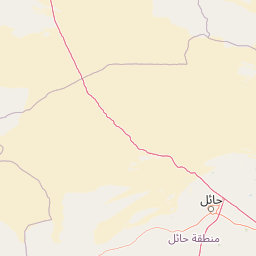
Map view of Jabal Aja Protected Area

Use this park location map to pinpoint Jabal Aja Protected Area in Saudi Arabia, understand its exact geographic position, and read its mapped placement within the surrounding landscape more clearly.

Pigeon | © OpenStreetMap contributors
Park atlas

Trace the regional spread of protected areas surrounding Jabal Aja, comparing desert ecosystems and biodiversity refuges within Saudi Arabia.

Continue Your Park Discovery: Explore Protected Areas Near Jabal Aja Protected Area
Browse other protected areas across Saudi Arabia, comparing the diverse geography and unique conservation landscapes found near Jabal Aja Protected Area. Discover how the region's granite mountains and desert ecosystems are protected, tracing connected habitats and biodiversity refuges on an interactive atlas.
Protected areaSaudi Arabia

Mahazat as-Sayd Protected Area: Saudi Arabia's Protected Area Identity and Geographic Setting

Explore the mapped boundaries and regional desert terrain.

Mahazat as-Sayd Protected Area serves as a focal point for understanding protected landscapes within Saudi Arabia. This page details its specific protected area designation, highlighting its place within the country's broader geography. Users can gain insights into the mapped extent and the natural terrain characteristic of this significant Saudi Arabian conservation landscape.

Area
2,200 km²
Relief
Lowland
Climate
Arid
Access
Highly restricted
Nature reserveZarqa Governorate

Shaumari Wildlife Reserve Nature Reserve: Jordan's Protected Landscape Atlas

Geographic context and protected area boundaries in Zarqa Governorate.

Shaumari Wildlife Reserve is a designated nature reserve within Jordan's Zarqa Governorate. This page provides insight into the park's protected status, its natural landscape character, and its geographic placement. Explore how this reserve contributes to the understanding of regional protected lands and their mapped distribution, offering a focal point for geographic discovery.

Area
22 km²
Established
1975
Relief
Lowland
Climate
Arid
Watercolor illustration of a mountainous landscape with multiple colored terrain layers
Biosphere reserveJordan

Dana Biosphere Reserve: Mapped Biosphere Reserve in Jordan's Geography

Explore protected landscape boundaries and regional context.

Dana Biosphere Reserve is a critical protected landscape in Jordan, recognized for its significant geographic features and ecological value. This page offers detailed insights into its mapped boundaries and its place within the broader regional geography of the Middle East. It serves as an essential resource for understanding the park's protected-area identity and its contribution to Jordan's natural heritage, facilitating a deeper atlas-driven exploration of its terrain and conservation significance.

Area
308 km²
Established
1989
Relief
Mixed relief
Scope
Terrestrial
Protected areaSouth Sinai Governorate

Nabq Protected Area: South Sinai Governorate Protected Landscape and Regional Geography

Explore its mapped terrain and protected area context.

Nabq Protected Area offers a distinct view into Egypt's protected landscapes, situated within the South Sinai Governorate. This detailed page provides an atlas-style perspective on its geographic setting, allowing for structured exploration of its mapped boundaries and its role within the regional context. Understand the unique natural terrain and protected area characteristics that define this significant Egyptian site.

Area
600 km²
Established
1992
IUCN
VI
Relief
Mountain
National parkSouth Sinai Governorate

Ras Muhammad National Park: South Sinai Protected Landscape and Geographic Atlas

Discover the mapped boundaries of this Egyptian national park.

Ras Muhammad National Park is a crucial protected area within the South Sinai Governorate, offering insights into Egypt's natural landscapes. This page facilitates an atlas-style exploration of the park, highlighting its geographic significance and protected status. Users can investigate its mapped terrain and understand its context within the regional geography of the Sinai Peninsula for structured geographic discovery.

Area
480 km²
Established
1983
Relief
Mixed relief
Climate
Arid
Nature reserveJordan

Wadi Mujib Nature Reserve: Explore Jordan's Dramatic Canyon Protected Landscape

Discover mapped boundaries and arid biodiversity within this unique rift valley gorge.

Wadi Mujib Nature Reserve represents a significant protected landscape in Jordan, celebrated for its deep desert canyon and dramatic slot canyon terrain. Situated in the Dead Sea region, this reserve protects a remarkable range of geography, from its lowest points near the Dead Sea to surrounding mountain terrain. Its status as a UNESCO biosphere reserve highlights its importance for arid biodiversity and its role as a migratory bird flyway, offering a distinct atlas-level discovery of Jordan's natural heritage.

Area
212 km²
Established
1987
IUCN
IV
Relief
Mountain
National park

Makhtesh Ramon National Park: Israel's Premier Erosion Cirque & Geological Wonder

Discover dramatic desert terrain and ancient, colorful rock formations.

Makhtesh Ramon National Park in Israel's Negev Desert is the world's largest erosion cirque, a vast 40-kilometer depression revealing millions of years of geological history. Its striking landscape features colorful clay hills, ancient volcanic remnants, fossil beds, and unique sandstone formations, making it an unparalleled destination for understanding Earth's past through its protected natural terrain. Explore the mapped boundaries and regional context of this extraordinary desert formation.

Relief
Mountain
Climate
Arid
Access
Moderate access
Scope
Terrestrial
Watercolor illustration of a canyon with winding river, mountains, and rolling hills
National parkIsrael

Ein Avdat National Park: A Spectular Desert Oasis and Protected Landscape in Israel

Explore its unique springs, waterfalls, and ancient Nabatean and Byzantine history.

Ein Avdat National Park showcases a rare desert oasis environment, a starkly beautiful protected landscape where natural springs emerge from the Negev's arid terrain. This park is celebrated for its dramatic waterfalls, deep pools, and the preserved remnants of ancient human habitation, including a remarkable Byzantine cave monastery carved directly into the canyon walls. Its geography, shaped by the Nahal Zin wadi, provides a vivid study in desert ecosystems and their capacity for supporting life and history over millennia, making it a key site for understanding landscape context in Israel.

Area
4.8 km²
IUCN
V
Relief
Mixed relief
Climate
Arid

Common questions about visiting, size, designation, and location context for Jabal Aja Protected Area

Jabal Aja Protected Area FAQs for park facts, access, geography, and protected area context
Find quick answers about Jabal Aja Protected Area, including protected-area facts, park geography, trail and visitor context, and how the park fits into its surrounding country and regional landscape.
MoriAtlas Explorer

Continue Your Protected Areas Search Across the Global Atlas

Deepen your exploration by continuing the structured search for national parks and protected areas worldwide. Utilize the comprehensive filtering capabilities to compare different conservation landscapes and refine your understanding of global park geography. Discover more about the distribution and characteristics of protected natural areas.

Global natural geography