Why Makhtesh Ramon stands out
Makhtesh Ramon is renowned for its exceptional geological significance, displaying a remarkable sequence of ancient rock layers exposed through erosion over millions of years. The formation contains diverse geological features including red and yellow clay hills, ancient volcanic vents like Giv'at Ga'ash with its basalt flows, and the striking columnar jointed sandstone of HaMinsara that resembles a carpentry shop. The site preserves one of the world's most accessible and visually spectacular records of the Triassic period, with abundant ammonite fossils embedded in the northeastern cliffs. The park also stands out for its successful wildlife conservation programs, including the reintroduction of the Asiatic wild ass and Arabian oryx to their historic desert habitat.
Makhtesh Ramon history and protected-area timeline
The Makhtesh Ramon area carries human history spanning millennia, positioned along the ancient Incense Route that connected Arabia with Mediterranean markets. Within the depression lie ruins of Khan Saharonim, a substantial prehistoric stone structure that served as a caravanserai for Nabataean traders approximately 2,000 years ago. The Arabic word khan refers to this type of waystation where merchants and their animals could rest during the westward journey toward the port city of Gaza. Perched on the northern cliff rim, Metzad Mahmal represents another significant archaeological site, a fortified stronghold employed by both the Nabataeans and later the Romans to safeguard this lucrative trade route. Archaeological excavations at Metzad Mahmal revealed its importance as a surveillance and defense point along the Incense Route connecting Petra to Avdat. In 2005, these heritage sites were recognized by UNESCO as World Heritage sites, acknowledging their historical significance in the broader context of ancient trade networks across the region.
Makhtesh Ramon landscape and geographic character
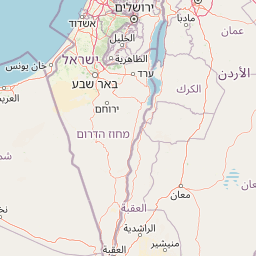
The landscape of Makhtesh Ramon presents one of the most visually dramatic geological environments in the Middle East. The main crater depression, stretching 40 kilometers across the desert floor, creates a vast enclosed basin with walls rising 500 meters above the bottom. The interior displays an extraordinary palette of colors, with clay hills displaying striking red and yellow hues shaped by erosion into curious forms. Around the crater's perimeter, distinctive table mountains rise sharply: Har Ramon at the southern end reaches the highest elevation, while Har Marpek and Har Katum form prominent landmarks along the southern wall. The northeastern section contains the fossil-rich hills where ancient ammonite shells once completely covered the slopes. Black volcanic hills, particularly Giv'at Ga'ash in the north, mark ancient volcanic activity where lava flows cooled to form basalt, with similar formations appearing in the southern portion including Karnei Ramon. The centerpiece of the interior, HaMinsara, appears as a low hill composed of remarkable columnar sandstone that has been compressed and metamorphosed into hard quartzite, with its polygonal prismatic columns creating an appearance reminiscent of a carpentry shop's organized timber stacks.
Makhtesh Ramon ecosystems, habitats, and plant life
The ecological character of Makhtesh Ramon reflects the harsh yet resilient nature of desert ecosystems in the Negev. The presence of Ein Saharonim, the only natural spring within the crater, creates an essential ecological corridor supporting wildlife throughout this arid environment. The geological diversity translates into varied microhabitats, from the rocky slopes favored by Nubian ibex to the more vegetated areas where desert flora clings to moisture in sheltered locations. The ancient seabed that once covered this region, part of the Tethys Ocean, has left geological rather than ecological traces, but the resulting mineral-rich soils support specialized desert vegetation. Despite the extreme aridity, the protected area maintains remarkable biodiversity, with the reintroduced populations of Asiatic wild ass and Arabian oryx representing conservation successes that have restored species to lands where they were historically extirpated.
Makhtesh Ramon wildlife and species highlights
Makhtesh Ramon supports a diverse community of desert-adapted wildlife, with several species reintroduced as part of conservation programs. The Asiatic wild ass, known locally as the onager, has been successfully reintroduced to the crater, with the population growing from initial introductions to approximately 40 adults by 1995. These animals represent hybrids of two subspecies, the Turkmenian kulan and the Persian onager, as the original Syrian wild ass subspecies is now extinct. Large mammals roaming the area include Nubian ibex, recognizable by their distinctive curved horns, Dorcas gazelles, striped hyenas, Arabian wolves, caracals, and golden jackals. The reintroduction of Arabian oryx has further enriched the mammal community. Historical records indicate Arabian leopards once inhabited the region, though they are now believed to be extirpated from Israel. The presence of the spring at Ein Saharonim provides crucial water access supporting these species, particularly during dry periods when surface water becomes scarce.
Makhtesh Ramon conservation status and protection priorities
Makhtesh Ramon holds significant conservation importance as Israel's largest national park, protecting a unique combination of geological heritage and desert ecosystems. The Ramon Nature Reserve designation ensures preservation of the erosion cirque and its extraordinary geological exposures, which provide scientific access to rock layers spanning hundreds of millions of years. The wildlife conservation program represents a notable success story, particularly the reintroduction of the Asiatic wild ass and Arabian oryx, which have established viable populations within the protected boundaries. The presence of rare desert species, including the Nubian ibex and caracal, further underscores the ecological value of maintaining this protected area. The inclusion of the Incense Route sites, particularly Metzad Mahmal, within the UNESCO World Heritage designation in 2005 added cultural heritage to the conservation framework, ensuring integrated protection of both natural and archaeological resources.
Makhtesh Ramon cultural meaning and human context
The cultural dimension of Makhtesh Ramon centers on its position along the ancient Incense Route, a trade corridor that connected Arabian incense-producing regions with Mediterranean consumer markets. The Nabataean civilization, renowned for their stone-carving expertise and trade networks, established waystations throughout the Negev, with Khan Saharonim serving travelers moving through this vast depression. The strategic importance of the route is demonstrated by Metzad Mahmal, a fortified site on the northern rim providing both surveillance and defense capabilities. Following the Nabataean period, Roman control of the region maintained the route's significance, with the stronghold continuing to serve protective functions. The Arabic name Wadi Raman and Hebrew name מכתש רמון both reflect the site's identity, with the Hebrew term makhtesh specifically describing this unique erosion cirque landform that exists in only a few locations globally, all within Israel's Negev.
Top sights and standout views in Makhtesh Ramon
The geological wonders of Makhtesh Ramon make it a premier destination for understanding Earth's ancient history, with exposed rock layers spanning up to 200 million years visible in the crater walls. The dramatic contrast between the dark magmatic rock of Shen Ramon and the creamy-colored southern wall creates one of the most photographed scenes in the park. HaMinsara, with its remarkable columnar quartzite formations resembling a petrified forest of stone columns, offers a unique visual landmark not found elsewhere in the region. The successful reintroduction of the Asiatic wild ass and Arabian oryx provides wildlife viewing opportunities in a setting where these species had been extirpated. The archaeological remnants of the Incense Route, particularly the fortified site of Metzad Mahmal, add historical depth to the natural landscape, while the panoramic views from Mitzpe Ramon on the crater's rim encompass the entire depression and its mountain boundaries.
Best time to visit Makhtesh Ramon
The optimal time to explore Makhtesh Ramon spans the cooler months from October through April, when daytime temperatures are more comfortable for outdoor activities and the landscape displays greater visual appeal. Winter and early spring may bring brief rain showers that briefly green the desert floor, adding contrast to the typical arid colors. Summer months bring extreme heat that makes extensive hiking uncomfortable and limits time spent on exposed terrain. The crater's unique topography creates interesting atmospheric effects, with morning mists occasionally drifting down into the depression, while sunset from the rim offers particularly memorable views as the colorful rock formations shift through warm tones. Those interested in wildlife viewing may find early morning hours most productive, when animals are most active near the spring and before temperatures rise.