Why Nabq Protected Area stands out
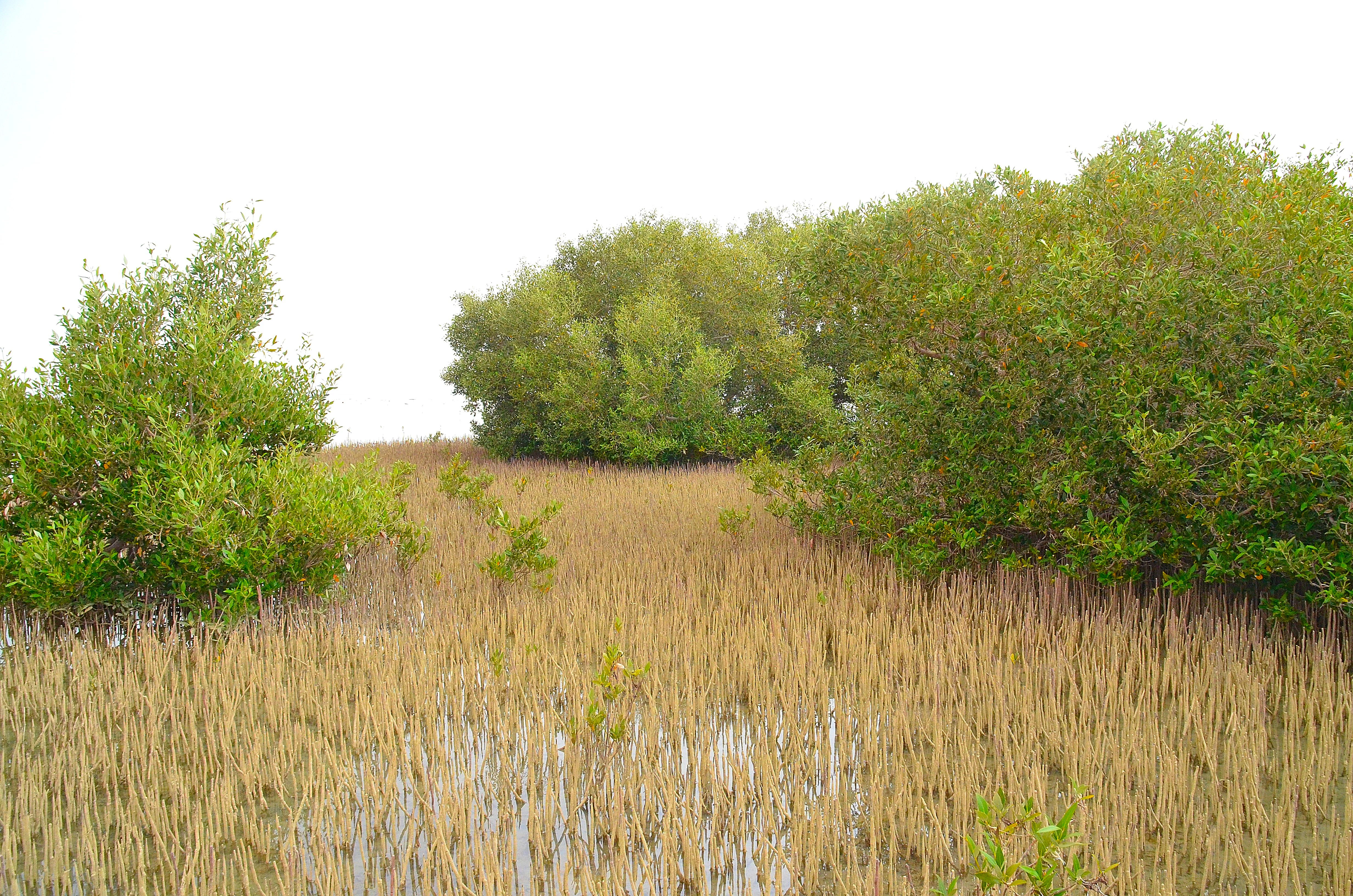
Nabq Protected Area is best known for its remarkable combination of marine and terrestrial ecosystems in a compact geographic setting. The coral reefs along its Gulf of Aqaba coastline are among the most diverse in the Egyptian Red Sea, supporting 208 hard coral species and 438 fish species. The reserve contains Egypt's most extensive mangrove forest, a 4.5-kilometer semi-continuous stand of Avicennia marina that represents the extreme northern limit of this ecosystem in the entire Red Sea-Indian Ocean system. The interior mountain wadis, particularly Wadi El Keed, support exceptional biodiversity including endangered Nubian ibex and dorcas gazelle populations. The area also features the distinctive Arak Sand Dunes with Salvadora persica vegetation, a unique landscape feature within the region.
Nabq Protected Area history and protected-area timeline
Nabq Protected Area was established in 1992 through Prime Ministerial Decree 1511, creating a protected area focused on the terrestrial and coastal ecosystems of South Sinai along the Gulf of Aqaba. The initial designation reflected growing recognition of the region's ecological significance and the need to manage its natural resources sustainably. In 1996, the protected area was significantly expanded through Decree 33, which added the Dahab marine section as a Dahab Environmentally Managed Area, creating the comprehensive protected area now known as Nabq Managed Resource Protected Area. This expansion acknowledged the ecological continuity between the terrestrial wadi systems and the marine coastal environments, as well as the importance of coral reef ecosystems to the region's biodiversity and economy. The management structure evolved to include the Protected Area Management Unit, operating within the Sinai Protected Area Network and reporting to the Nature Conservation Sector through the central department in Cairo. Local Bedouin communities, particularly the El Mezina Tribe, have maintained their presence in the area throughout the protected area's history, continuing traditional practices of fishing, pastoralism, and increasingly, sustainable tourism.
Nabq Protected Area landscape and geographic character
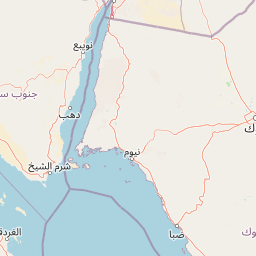
The landscape of Nabq Protected Area encompasses a remarkable range of environments within its 600-square-kilometer expanse along Egypt's Red Sea coast. The coastal zone features the pristine shoreline of the Gulf of Aqaba, where crystal-clear waters meet rocky and sandy shores. The marine environment supports extensive coral reef systems that rank among the most diverse in the Red Sea, with reef formations visible from the surface down to deeper waters. Moving inland, the terrain rises sharply into the granite and sandstone mountains characteristic of central Sinai, dissected by dramatic wadis that channel seasonal flash floods toward the coast. Wadi El Keed represents the largest drainage basin flowing to the Gulf of Aqaba on the Egyptian side, containing substantial vegetation and serving as a critical wildlife corridor. The interior also features the distinctive Arak Sand Dunes, where Salvadora persica bushes create an unusual vegetation pattern atop sand deposits. The contrast between the marine coastal plain and the rugged mountain interior creates a visually striking landscape that defines the protected area's character.
Nabq Protected Area ecosystems, habitats, and plant life
The ecological character of Nabq Protected Area is defined by its exceptional habitat diversity, representing a complete terrestrial-marine ecosystem within a uniquely compact setting along the Gulf of Aqaba. The marine component features coral reefs that are among the best and most diverse in the Egyptian Red Sea, supporting 208 species of hard coral alongside 438 fish species and numerous marine invertebrates. These reef systems form the foundation of the reserve's marine biodiversity and hold enormous economic value for regional tourism. The mangrove forests represent a particularly significant ecological feature, with a 4.5-kilometer semi-continuous fringe of Avicennia marina constituting the extreme northern extension of this ecosystem in the Red Sea and Indian Ocean system. These mangroves form critical nurseries for economically important fish species and provide nesting habitat for numerous waterbird species. Substantial seagrass beds in the coastal waters support threatened species including green sea turtles and dugong. The terrestrial environment features desert mountain habitats, wadi systems with more developed vegetation, and the unique Arak Sand Dunes, creating ecological gradients from coastal to interior environments.
Nabq Protected Area wildlife and species highlights
Nabq Protected Area supports remarkable wildlife diversity across both marine and terrestrial environments, with more than twenty globally threatened species known to occur within its boundaries. The marine environment provides habitat for significant populations of marine turtles, including green sea turtles that forage on the extensive seagrass beds, as well as various shark species. The dugong, a threatened marine mammal, relies on the coastal seagrass communities. The bird population includes notable species such as the osprey and the white-eyed gull, which nest in the coastal and mangrove areas. The terrestrial fauna features several endangered species adapted to the desert mountain environment, including the Nubian ibex navigating the rocky wadi walls and the dorcas gazelle traversing the arid plains. The wadi systems support diverse invertebrate communities and provide crucial water sources for wildlife during the dry seasons. The mangrove forests function as nurseries for numerous fish species, contributing to the marine food web and supporting both ecological and commercial importance.
Nabq Protected Area conservation status and protection priorities
Nabq Protected Area holds significant conservation importance at both national and international scales, recognized through its IUCN Category VI designation as a Managed Resource Protected Area. The reserve protects Egypt's most extensive and significant mangrove ecosystem, representing the northernmost extension of this habitat type in the Red Sea-Indian Ocean system and providing critical ecological functions for marine and terrestrial species. The coral reef systems, among the most diverse in Egyptian waters, require active protection given the pressures from tourism development, fishing, and climate change affecting Red Sea marine environments. More than twenty globally threatened species rely on the protected area's habitats, including marine turtles, dugong, and terrestrial species such as Nubian ibex and dorcas gazelle. The management framework emphasizes sustainable use and community involvement, balancing conservation objectives with the needs of the local Bedouin population. The Protected Area Management Unit operates under Egypt's environmental laws to control development, enforce protection measures, and promote conservation while supporting sustainable tourism and local livelihoods.
Nabq Protected Area cultural meaning and human context
Nabq Protected Area is home to the Bedouin El Mezina Tribe, whose traditional lifestyle remains closely connected to the land and sea of the Sinai peninsula. The Bedouin communities have inhabited this region for generations, practicing fishing, pastoralism, and more recently, sustainable tourism activities that work within the protected area framework. Their traditional knowledge of the landscape, seasonal movements, and natural resources contributes to the cultural fabric of the protected area. The area contains archaeological sites, including locations in Wadi Saialet Dalal where evidence of historic Bedouin presence has been documented. The integration of traditional Bedouin practices with modern conservation management represents an important aspect of the reserve's approach, acknowledging that local communities are integral to the landscape's ongoing story. Tourism activities in the area increasingly focus on ecotourism that provides economic benefits to the local community while encouraging appreciation of the natural and cultural heritage.
Top sights and standout views in Nabq Protected Area
Nabq Protected Area offers exceptional highlights spanning marine and terrestrial environments. The coral reef diving and snorkeling opportunities along the Gulf of Aqaba coastline reveal vibrant underwater ecosystems with exceptional species diversity. The mangrove forests at the reserve's coastal fringe represent a unique ecological feature, being the northernmost mangroves in the Red Sea system and providing striking visual contrast between the green vegetation and desert backdrop. The interior mountain wadis, particularly Wadi El Keed, provide wilderness trekking opportunities through pristine desert landscapes where Nubian ibex can be observed on cliff faces. The Arak Sand Dunes present a distinctive landscape feature with their unusual vegetation pattern. The presence of endangered species including dugong and green sea turtles in the coastal waters adds to the reserve's conservation significance. Combined with Bedouin cultural experiences and proximity to Sharm el-Sheikh, the protected area serves as a model of integrated conservation and sustainable tourism in Egypt's Red Sea region.
Best time to visit Nabq Protected Area
The optimal time to visit Nabq Protected Area aligns with the cooler months from October through April, when daytime temperatures are more comfortable for outdoor exploration and marine activities. During this period, water temperatures in the Gulf of Aqaba remain pleasant for snorkeling and diving, typically ranging from 21 to 26 degrees Celsius. The summer months from May to September bring higher temperatures that can make terrestrial exploration challenging, though the marine environment remains accessible and the underwater visibility often improves. Wildlife viewing opportunities are year-round, though animal activity concentrates around water sources during the hotter months. The reserve can be visited throughout the year, with each season offering different experiences, from spring flowering in the wadis to winter bird migrations. Given the protected area's proximity to Sharm el-Sheikh, visitors can combine beach and marine activities with wilderness exploration inland, making the area accessible for both day trips and extended stays.