Why Shaumari Wildlife Reserve stands out
Shaumari Wildlife Reserve is best known as a critical breeding and conservation center for endangered Arabian wildlife species. The reserve has achieved notable success in maintaining populations of the Arabian oryx, a species that was once driven to extinction in the wild but has been reintroduced through careful captive breeding programs. It also provides crucial habitat for the Somali ostrich, Persian onager (an Asian wild ass), and several gazelle species. The reserve's focus on regional endangered species makes it particularly important for Middle Eastern biodiversity conservation, as it serves as a last refuge for several animals that have disappeared from much of their historic range.
Shaumari Wildlife Reserve history and protected-area timeline
The establishment of Shaumari Wildlife Reserve in 1975 represented a significant advancement in Jordan's approach to nature conservation. The Royal Society for the Conservation of Nature, founded in 1966, identified the need for a specialized facility dedicated to breeding and protecting endangered wildlife species that had disappeared from much of their historic habitat in the region. The reserve was designed as a controlled environment where breeding programs could be carefully managed to increase populations of species facing extinction threats. Since its establishment, the reserve has played a crucial role in regional conservation efforts, working to maintain viable populations of several endangered species and contributing to broader reintroduction programs across the Middle East. The creation of Shaumari reflected growing recognition in Jordan during the 1970s of the need to protect native wildlife from hunting pressure, habitat loss, and other threats that had depleted populations of many species.
Shaumari Wildlife Reserve landscape and geographic character
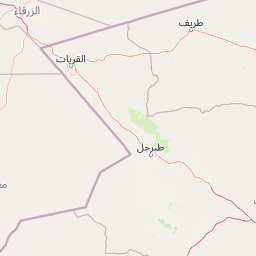
Shaumari Wildlife Reserve is situated within the Azraq basin, a region characterized by desert and semi-desert terrain with unique hydrological features. The landscape features a mix of flat desert plains and areas where groundwater creates more verdant conditions, supporting vegetation that contrasts sharply with the surrounding arid terrain. The reserve encompasses wetland areas fed by natural springs and groundwater, creating patches of lush vegetation dominated by tall reeds and other water-loving plants. This combination of desert and wetland habitats within a relatively compact area creates an ecological mosaic that supports diverse wildlife. The terrain generally consists of low-lying land with minimal topographic relief, typical of the eastern Jordanian plateau. The presence of water in this desert region makes the Azraq area ecologically significant and provides the foundation for the reserve's ability to support wildlife populations in an environment that would otherwise be inhospitable to many species.
Shaumari Wildlife Reserve ecosystems, habitats, and plant life
The ecological character of Shaumari Wildlife Reserve is defined by the intersection of desert and wetland environments in Jordan's eastern region. The reserve's wetlands, fed by natural springs and groundwater, create a unique habitat that supports vegetation types uncommon in the surrounding arid landscape. Tall reeds and other emergent plants dominate the wetland areas, providing cover and food sources for wildlife. The desert portions of the reserve support more typical arid-zone vegetation adapted to low rainfall and high temperatures. This combination of habitats within a protected area allows the reserve to support species with different ecological requirements and makes it an important biodiversity hotspot in a region where suitable habitat is scarce. The reserve's role as a managed conservation area means that ecological conditions are actively maintained to support the wildlife species it was established to protect.
Shaumari Wildlife Reserve wildlife and species highlights
Shaumari Wildlife Reserve is home to several species of significant conservation importance in the Middle East. The Arabian oryx, a large desert antelope that was once driven to extinction in the wild before conservation efforts led to its reintroduction across the Arabian Peninsula, finds protection within the reserve. The Somali ostrich, the larger of the two ostrich subspecies, persists in the reserve as part of efforts to maintain populations of this remarkable flightless bird. The Persian onager, an Asian wild ass subspecies from Iran, represents another important species within the reserve's collection of endangered fauna. Various gazelle species also inhabit the reserve, including species that have experienced population declines across their historic ranges. The reserve's function as a breeding center means that these species are not only protected within the reserve but also raised in controlled conditions to support broader conservation objectives and potential reintroduction efforts.
Shaumari Wildlife Reserve conservation status and protection priorities
The conservation significance of Shaumari Wildlife Reserve extends beyond its boundaries as a protected area within Jordan. The reserve serves as a crucial breeding center for species that have experienced dramatic population declines across the Middle East due to hunting, habitat degradation, and competition with domesticated animals. By maintaining populations of Arabian oryx, Somali ostriches, Persian onagers, and gazelles, the reserve contributes to regional efforts to prevent the extinction of these species. The work conducted at Shaumari aligns with broader conservation initiatives in the Middle East focused on restoring wildlife populations that have been lost from large portions of their historic ranges. The reserve represents Jordan's commitment to playing an active role in global biodiversity preservation, particularly for species that are endemic to or historically significant for the Arabian region.
Shaumari Wildlife Reserve cultural meaning and human context
The Azraq region where Shaumari Wildlife Reserve is located has historical significance as a traditional stopping point for travelers crossing the eastern Jordanian desert. The name Azraq translates to blue in Arabic, referring to the area's springs and wetlands that create an oasis-like environment in the desert. Local communities in the area have historically relied on the water resources provided by the Azraq basin, and the region has supported human settlement and pastoral activities for generations. The establishment of the reserve in 1975 represented a new chapter in the area's relationship with the land, shifting from primarily human use toward dedicated wildlife conservation. The reserve exists within a cultural landscape where Bedouin communities have maintained traditional relationships with the desert environment for centuries.
Top sights and standout views in Shaumari Wildlife Reserve
Shaumari Wildlife Reserve stands out as Jordan's dedicated conservation breeding center for endangered Middle Eastern wildlife, providing protected habitat for species including the Arabian oryx, Somali ostrich, Persian onager, and various gazelles. The reserve's combination of desert and wetland environments creates a unique ecological setting in Jordan's eastern region near Azraq. Its role in breeding and maintaining populations of threatened species makes it an important institution in regional conservation efforts. The reserve offers visitors the opportunity to observe wildlife in conditions that support the survival of species that have disappeared from much of their historic range.
Best time to visit Shaumari Wildlife Reserve
Visiting Shaumari Wildlife Reserve is best during the cooler months from October through April, when temperatures in Jordan's desert region are more comfortable for outdoor exploration. Summer months can bring extremely high temperatures that may limit the practicality of visiting the reserve. The winter season offers particularly pleasant weather for wildlife viewing, though rainfall in the region is generally sparse regardless of season. The reserve's wildlife viewing opportunities remain available throughout the year as the animals are resident within the protected area.