Mori Atlas logo
Nature reserveShaumari Wildlife Reserve

Understand the geographic setting and mapped boundaries of this vital protected area.

Shaumari Wildlife Reserve: Jordan's Nature Reserve for Protected Landscape Discovery

Shaumari Wildlife Reserve stands as a key protected area within the Zarqa Governorate of Jordan. As a nature reserve, it offers a distinct perspective on the region's natural landscapes and mapped geography. This page serves as an entry point for exploring the specific park boundaries, its place within the national atlas, and the geographic context that defines this protected natural entity.

wildlife reservedesert conservationbreeding centerendangered speciesJordan protected areaArabian wildlife

Shaumari Wildlife Reserve

Nature reserve

Park overview

Structured park overview, official facts, and landscape profile for Shaumari Wildlife Reserve

Shaumari Wildlife Reserve park facts, protected area profile, and essential visitor context

Review the core facts for Shaumari Wildlife Reserve, including designation, size, terrain, visitor scale, habitats, and operating context in one park-focused overview.

About Shaumari Wildlife Reserve

Shaumari Wildlife Reserve represents one of Jordan's key protected areas dedicated to the preservation of desert wildlife. Located in the eastern part of the country within the Zarqa Governorate, the reserve sits in the Azraq region, an area characterized by its semi-arid to arid desert landscape. The reserve was established in 1975 by the Royal Society for the Conservation of Nature, Jordan's primary environmental conservation organization, with the explicit purpose of creating a breeding center for endangered and locally extinct wildlife species. The 22-square-kilometer protected area provides a carefully managed environment where conservationists work to protect and propagate species that face severe threats across their historic ranges. The reserve's location in the Azraq basin places it within one of Jordan's most important ecological zones, where groundwater wetlands and desert habitats create unique opportunities for wildlife conservation in an otherwise harsh environment.

Quick facts and research context for Shaumari Wildlife Reserve

Shaumari Wildlife Reserve spans 22 square kilometers in Jordan's eastern desert region near Azraq. Established in 1975, it was created by the Royal Society for the Conservation of Nature as a specialized breeding program for endangered Middle Eastern wildlife. The reserve focuses on protecting and reintroducing species including the Arabian oryx, Somali ostrich, Persian onager, and various gazelle species. It serves as both a protected habitat and a conservation breeding center for regionally threatened fauna.

Protection and recognition

Tracing the official designation history and terrestrial conservation scope established in 1975.

Shaumari Wildlife Reserve Protected Area Designation and Terrestrial Protection Status

Official records document the terrestrial protection status and baseline conservation parameters of Shaumari Wildlife Reserve, which was formally designated in 1975. Reviewing verified registry details and designation dates helps geographers analyze the historical frameworks governing regional wildlife sanctuaries and protected habitats.

Protection details

Protection scope
Terrestrial
Designated year
1975
Transboundary protection
No
Park context

Deeper park guide and search-rich context for Shaumari Wildlife Reserve

Shaumari Wildlife Reserve history, landscape, wildlife, and travel context

Explore Shaumari Wildlife Reserve through its history, landscape character, ecosystems, wildlife, conservation priorities, cultural context, and seasonal travel timing in a structured park guide built for atlas discovery and search intent.

Why Shaumari Wildlife Reserve stands out

Shaumari Wildlife Reserve is best known as a critical breeding and conservation center for endangered Arabian wildlife species. The reserve has achieved notable success in maintaining populations of the Arabian oryx, a species that was once driven to extinction in the wild but has been reintroduced through careful captive breeding programs. It also provides crucial habitat for the Somali ostrich, Persian onager (an Asian wild ass), and several gazelle species. The reserve's focus on regional endangered species makes it particularly important for Middle Eastern biodiversity conservation, as it serves as a last refuge for several animals that have disappeared from much of their historic range.

Shaumari Wildlife Reserve history and protected-area timeline

The establishment of Shaumari Wildlife Reserve in 1975 represented a significant advancement in Jordan's approach to nature conservation. The Royal Society for the Conservation of Nature, founded in 1966, identified the need for a specialized facility dedicated to breeding and protecting endangered wildlife species that had disappeared from much of their historic habitat in the region. The reserve was designed as a controlled environment where breeding programs could be carefully managed to increase populations of species facing extinction threats. Since its establishment, the reserve has played a crucial role in regional conservation efforts, working to maintain viable populations of several endangered species and contributing to broader reintroduction programs across the Middle East. The creation of Shaumari reflected growing recognition in Jordan during the 1970s of the need to protect native wildlife from hunting pressure, habitat loss, and other threats that had depleted populations of many species.

Shaumari Wildlife Reserve landscape and geographic character

Shaumari Wildlife Reserve is situated within the Azraq basin, a region characterized by desert and semi-desert terrain with unique hydrological features. The landscape features a mix of flat desert plains and areas where groundwater creates more verdant conditions, supporting vegetation that contrasts sharply with the surrounding arid terrain. The reserve encompasses wetland areas fed by natural springs and groundwater, creating patches of lush vegetation dominated by tall reeds and other water-loving plants. This combination of desert and wetland habitats within a relatively compact area creates an ecological mosaic that supports diverse wildlife. The terrain generally consists of low-lying land with minimal topographic relief, typical of the eastern Jordanian plateau. The presence of water in this desert region makes the Azraq area ecologically significant and provides the foundation for the reserve's ability to support wildlife populations in an environment that would otherwise be inhospitable to many species.

Shaumari Wildlife Reserve ecosystems, habitats, and plant life

The ecological character of Shaumari Wildlife Reserve is defined by the intersection of desert and wetland environments in Jordan's eastern region. The reserve's wetlands, fed by natural springs and groundwater, create a unique habitat that supports vegetation types uncommon in the surrounding arid landscape. Tall reeds and other emergent plants dominate the wetland areas, providing cover and food sources for wildlife. The desert portions of the reserve support more typical arid-zone vegetation adapted to low rainfall and high temperatures. This combination of habitats within a protected area allows the reserve to support species with different ecological requirements and makes it an important biodiversity hotspot in a region where suitable habitat is scarce. The reserve's role as a managed conservation area means that ecological conditions are actively maintained to support the wildlife species it was established to protect.

Shaumari Wildlife Reserve wildlife and species highlights

Shaumari Wildlife Reserve is home to several species of significant conservation importance in the Middle East. The Arabian oryx, a large desert antelope that was once driven to extinction in the wild before conservation efforts led to its reintroduction across the Arabian Peninsula, finds protection within the reserve. The Somali ostrich, the larger of the two ostrich subspecies, persists in the reserve as part of efforts to maintain populations of this remarkable flightless bird. The Persian onager, an Asian wild ass subspecies from Iran, represents another important species within the reserve's collection of endangered fauna. Various gazelle species also inhabit the reserve, including species that have experienced population declines across their historic ranges. The reserve's function as a breeding center means that these species are not only protected within the reserve but also raised in controlled conditions to support broader conservation objectives and potential reintroduction efforts.

Shaumari Wildlife Reserve conservation status and protection priorities

The conservation significance of Shaumari Wildlife Reserve extends beyond its boundaries as a protected area within Jordan. The reserve serves as a crucial breeding center for species that have experienced dramatic population declines across the Middle East due to hunting, habitat degradation, and competition with domesticated animals. By maintaining populations of Arabian oryx, Somali ostriches, Persian onagers, and gazelles, the reserve contributes to regional efforts to prevent the extinction of these species. The work conducted at Shaumari aligns with broader conservation initiatives in the Middle East focused on restoring wildlife populations that have been lost from large portions of their historic ranges. The reserve represents Jordan's commitment to playing an active role in global biodiversity preservation, particularly for species that are endemic to or historically significant for the Arabian region.

Shaumari Wildlife Reserve cultural meaning and human context

The Azraq region where Shaumari Wildlife Reserve is located has historical significance as a traditional stopping point for travelers crossing the eastern Jordanian desert. The name Azraq translates to blue in Arabic, referring to the area's springs and wetlands that create an oasis-like environment in the desert. Local communities in the area have historically relied on the water resources provided by the Azraq basin, and the region has supported human settlement and pastoral activities for generations. The establishment of the reserve in 1975 represented a new chapter in the area's relationship with the land, shifting from primarily human use toward dedicated wildlife conservation. The reserve exists within a cultural landscape where Bedouin communities have maintained traditional relationships with the desert environment for centuries.

Top sights and standout views in Shaumari Wildlife Reserve

Shaumari Wildlife Reserve stands out as Jordan's dedicated conservation breeding center for endangered Middle Eastern wildlife, providing protected habitat for species including the Arabian oryx, Somali ostrich, Persian onager, and various gazelles. The reserve's combination of desert and wetland environments creates a unique ecological setting in Jordan's eastern region near Azraq. Its role in breeding and maintaining populations of threatened species makes it an important institution in regional conservation efforts. The reserve offers visitors the opportunity to observe wildlife in conditions that support the survival of species that have disappeared from much of their historic range.

Best time to visit Shaumari Wildlife Reserve

Visiting Shaumari Wildlife Reserve is best during the cooler months from October through April, when temperatures in Jordan's desert region are more comfortable for outdoor exploration. Summer months can bring extremely high temperatures that may limit the practicality of visiting the reserve. The winter season offers particularly pleasant weather for wildlife viewing, though rainfall in the region is generally sparse regardless of season. The reserve's wildlife viewing opportunities remain available throughout the year as the animals are resident within the protected area.
Monthly climate preview

Analyzing thirty-year temperature averages and precipitation rhythms in Zarqa Governorate.

Monthly Climate Normals and Weather Patterns in Shaumari Wildlife Reserve

Long-term meteorological data for Shaumari Wildlife Reserve reveal an arid cycle, where average monthly temperatures span from 8 degrees Celsius to over 29 degrees Celsius. Reviewing the complete twelve-month profile offers deeper insights into the precise temperature ranges and daily precipitation trends recorded across the year.
Annual mean20 °C
8 °C29 °C
Jan
Feb10°
Mar14°
Apr19°
May24°
Jun27°
Jul29°
Aug29°
Sep27°
Oct22°
Nov15°
Dec10°
Warmest month
July

29.2 °C

Coolest month
January

8.1 °C

Wettest month
February

0.6 mm/day

Driest month
June

0 mm/day

Park location guide

Geography guide, regional context, and park location map for Shaumari Wildlife Reserve

Shaumari Wildlife Reserve park geography, regions, and map view in Jordan

Understand where Shaumari Wildlife Reserve sits in Jordan through a broader geographic reading of the surrounding landscape, nearby location context, and its mapped position within the national park landscape.

How Shaumari Wildlife Reserve fits into Jordan

Jordan is a unitary parliamentary constitutional monarchy in the Southern Levant region of West Asia. With a population of approximately 11.5 million and an area of 89,342 km², it borders Syria, Iraq, Saudi Arabia, Israel, and Palestine. The country features diverse geography including the Jordan Rift Valley, the Jordan River, and the Dead Sea. Amman is the capital and largest city.

Wider geography shaping Shaumari Wildlife Reserve in Jordan

Jordan is located in the Southern Levant of West Asia, bordered by Syria to the north, Iraq to the east, Saudi Arabia to the south, and Israel and Palestine (West Bank) to the west. The Jordan River and Dead Sea lie along its western border within the Jordan Rift Valley. The country has a small coastline on the Red Sea in the southwest, accessed through the Gulf of Aqaba.

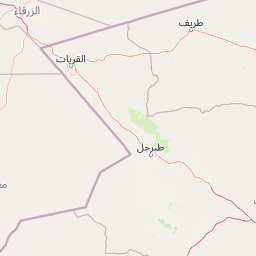
Map view of Shaumari Wildlife Reserve

Use this park location map to pinpoint Shaumari Wildlife Reserve in Jordan, understand its exact geographic position, and read its mapped placement within the surrounding landscape more clearly.

Pigeon | © OpenStreetMap contributors

Location context for Shaumari Wildlife Reserve

Zarqa Governorate
Park atlas

Explore Jordan's Regional Protected Landscapes and Wildlife Conservation Sites Across the Azraq Basin

Discover Other National Parks and Protected Areas Near Shaumari Wildlife Reserve

Trace the geographic spread of protected areas and wildlife reserves surrounding Shaumari Wildlife Reserve, exploring Jordan's diverse conservation landscapes near the Azraq basin. Compare these crucial habitats and their distinct ecological roles to deepen your understanding of regional biodiversity and Middle Eastern park geography.
Nature reserveJordan
About 11 km away#1 closest

North

Azraq Wetland Reserve: Jordan's Unique Desert Wetland Nature Reserve for Atlas Exploration

Explore its mapped landscape and conservation significance in Eastern Jordan.

Azraq Wetland Reserve offers a unique glimpse into a vital desert wetland ecosystem within Jordan's vast eastern badia. This protected area, designated as a Ramsar site, provides critical habitat for migratory birds and stands as an oasis in an arid region. Discover its mapped terrain, marshland features, and the conservation challenges it addresses, offering rich context for understanding protected landscapes in desert environments.

Area
74 km²
Established
1978
IUCN
IV
Relief
Lowland
Watercolor illustration showing a river flowing through a valley with green hills in the background and grassy areas with pink flowers
Nature reserveJordan
About 108 km away#2 closest

Northwest

Dibeen Forest Reserve Nature Reserve: Jordan's Ancient Pine-Oak Forest Atlas

Discover mapped terrain and protected landscape boundaries.

Dibeen Forest Reserve is a critical nature reserve in Jordan, safeguarding one of the few remaining naturally grown Aleppo pine and oak forest ecosystems in the Middle East. The reserve's landscape features rolling hills and steep limestone slopes, rising from 500 to 1000 metres, dissected by seasonal wadis. Its protected status highlights the importance of understanding mapped natural areas for preserving unique regional geography and biodiversity.

Area
8.5 km²
Established
2004
IUCN
IV
Relief
Highland
National parkIsrael
About 118 km away#3 closest

West

Qasr el Yahud National Park: Exploring Protected Landscape and Geographic Identity in Israel

Mapped boundaries and regional natural landscape context.

Qasr el Yahud National Park is a designated protected area in Israel, serving as a crucial site for understanding regional geography and landscape context. This page facilitates detailed exploration of its protected land identity, mapped geographic boundaries, and its place within the natural terrain of the area, offering users a clear view of its atlas significance.

Nature reserveJordan
About 119 km away#4 closest

West

Wadi Mujib Nature Reserve: Explore Jordan's Dramatic Canyon Protected Landscape

Discover mapped boundaries and arid biodiversity within this unique rift valley gorge.

Wadi Mujib Nature Reserve represents a significant protected landscape in Jordan, celebrated for its deep desert canyon and dramatic slot canyon terrain. Situated in the Dead Sea region, this reserve protects a remarkable range of geography, from its lowest points near the Dead Sea to surrounding mountain terrain. Its status as a UNESCO biosphere reserve highlights its importance for arid biodiversity and its role as a migratory bird flyway, offering a distinct atlas-level discovery of Jordan's natural heritage.

Area
212 km²
Established
1987
IUCN
IV
Relief
Mountain
Nature reserveAjloun Governorate
About 119 km away#5 closest

Northwest

Ajloun Forest Reserve: A Protected Mediterranean Woodland in Jordan's Ajloun Governorate

Explore the unique protected landscape and mapped terrain of Ajloun Forest Reserve.

Ajloun Forest Reserve is a nature reserve located in Jordan's Ajloun Governorate, distinguished by its rare Mediterranean woodland ecosystem. This protected area provides crucial habitat and showcases a landscape of rolling hills and valleys, offering a stark contrast to the country's predominantly arid regions. Its designation as a UNESCO biosphere reserve underscores its importance for conservation, including efforts in roe deer restoration and the preservation of the black iris, Jordan's national flower. Discover the geographic context and protected nature of this significant Jordanian landscape.

Area
13 km²
Established
1988
IUCN
IV
Relief
Highland
Watercolor painting of a landscape with mountains, water, and vegetation
National parkIsrael
About 125 km away#6 closest

West

Qumran National Park: National Park Atlas Exploration and Geographic Context in Israel

Mapped terrain and protected landscape identity in Israel.

Delve into Qumran National Park, a significant national park situated in Israel. This detailed exploration focuses on its protected landscape identity, mapped boundaries, and its place within the country's diverse geography. Understand the unique natural context and regional significance of Qumran National Park through an atlas-driven perspective.

Relief
Lowland
Climate
Arid
Access
Moderate access
Scope
Terrestrial
Nature reserveJericho Governorate
About 130 km away#7 closest

West

Ain Al-Auja Nature Reserve: Mapping the Oasis Geography and Protected Ecosystems

Desert oasis and freshwater spring landscapes in Jericho Governorate

Ain Al-Auja Nature Reserve offers a distinct look at the intersection of highland escarpments and valley floor water systems. The protected landscape, defined by its perennial spring and surrounding medicinal flora, functions as a vital green corridor. View the mapped boundaries and terrain context of this significant desert oasis within the Jordan Valley network.

Area
22 km²
Access
Access unknown
Scope
Terrestrial
Water
Major water bodies
Watercolor illustration of a landscape with green vegetation, a river, and distant hills under a pale sky
Nature reserveIsrael
About 134 km away#8 closest

West

Ein Gedi Nature Reserve: Protected Area Exploration and Regional Geography in Israel

Mapped natural terrain and protected landscape context.

Ein Gedi Nature Reserve represents a distinct natural area offering specific geographic discovery. Users can explore its mapped boundaries, understand its unique landscape character, and appreciate its protected status within the diverse terrain of Israel. This page serves as a gateway to understanding the reserve's ecological and geographic significance, providing structured data for those interested in the mapped context of protected lands.

Area
14 km²
Established
1971
Visitors
1M annual
Relief
Lowland

Common questions about visiting, size, designation, and location context for Shaumari Wildlife Reserve

Shaumari Wildlife Reserve FAQs for park facts, access, geography, and protected area context

Find quick answers about Shaumari Wildlife Reserve, including protected-area facts, park geography, trail and visitor context, and how the park fits into its surrounding country and regional landscape.
MoriAtlas Explorer

Continue Your Protected Areas Search Across the Global Atlas

Deepen your exploration by continuing the structured search for national parks and protected areas worldwide. Utilize the comprehensive filtering capabilities to compare different conservation landscapes and refine your understanding of global park geography. Discover more about the distribution and characteristics of protected natural areas.

Global natural geography