Why Mount Carmel National Park stands out
Mount Carmel National Park is best known for its extensive Mediterranean woodland ecosystems, which represent a rare example of preserved natural landscape in a heavily developed region. The park protecting one of the most significant concentrations of biodiversity in Israel, with flora and fauna adapted to the characteristic Mediterranean climate of wet winters and dry summers. The mountain range also holds exceptional archaeological importance, with caves in the hillsides yielding artifacts that illuminate the long trajectory of human presence in this region. The Hai Bar Nature Reserve within the park represents a pioneering conservation effort to restore populations of animals that have disappeared from the area or face extinction, making it a center for wildlife rehabilitation and reintroduction.
Mount Carmel National Park history and protected-area timeline
The history of Mount Carmel National Park reflects decades of advocacy, planning, and complex negotiations between conservationists, developers, and landowners. Long before formal protection, the mountain supported sparse human settlement, though the dramatic landscape inspired religious significance for Jews, Christians, and Muslims alike. Druze communities began settling on the mountain in the late 15th and early 16th centuries, transforming portions of the landscape through agriculture and logging that intensified during Ottoman rule. Under British Mandate authority in the 1920s, logging was halted and early nature reserves were declared, with forest guards patrolling the area. In 1927, Arthur Ruppin proposed declaring the entire area a protected natural park, though budgetary constraints delayed implementation. The planning process continued through Israel early years, with the program approved in 1952, amended in 1956, and finally signed into law in 1960. Final declaration came on July 1, 1971, when the Interior Minister formally established the nature reserve and national park. Throughout the latter decades of the 20th century, conservation organizations including the Society for the Protection of Nature in Israel worked to preserve remaining natural woodlands from development pressures, culminating in the 1996 UNESCO biosphere reserve designation.
Mount Carmel National Park landscape and geographic character
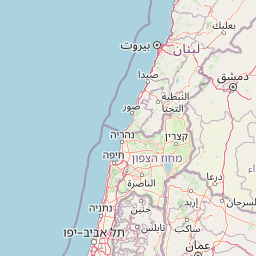
The Carmel mountain range presents a distinctive landscape of rounded hills and valleys that rise from the coastal plain of northern Israel, creating a prominent green backdrop visible from the Mediterranean coastline. The terrain features a mix of gentle ridges, steep slopes, and rocky outcrops where limestone bedrock surfaces create characteristic Mediterranean scenery. Seasonal streams called wadis carve through the landscape, carrying water during the winter rains and remaining dry through the long summer months. The park encompasses diverse microhabitats from moist valleys to drier exposed ridges, each supporting different plant communities. Forest cover is dominated by planted and naturalized conifers including Aleppo pine and cypress, mixed with eucalyptus plantations and patches of native Mediterranean woodland. The landscape includes both dense forest sections and more open areas where scrub vegetation prevails, creating a varied topography that offers panoramic viewpoints across the surrounding coastal plain and toward the Galilean hills beyond.
Mount Carmel National Park ecosystems, habitats, and plant life
Mount Carmel represents a classic Mediterranean ecosystem characterized by hot, dry summers and mild, wet winters that support a distinctive assemblage of plants and animals adapted to this climatic regime. The vegetation features evergreen species with leathery, drought-resistant leaves, including various oaks, pines, and characteristic Mediterranean shrubs such as laurel, myrtle, and pistacia. This ecosystem has evolved with fire as a natural disturbance, and many plant species possess mechanisms for rapid regeneration following burns. The park supports remarkable biodiversity for its size, with numerous species of birds, reptiles, insects, and mammals occupying the various habitats found across the mountain. The UNESCO biosphere reserve designation in 1996 recognized not only the park core area but also the broader landscape surrounding the protected zone, acknowledging the importance of the entire Carmel mountain region for maintaining ecological processes and biodiversity in the Mediterranean basin.
Mount Carmel National Park wildlife and species highlights
The wildlife of Mount Carmel National Park reflects the Mediterranean ecosystems diversity, with numerous species adapted to the seasonal conditions and varied habitats found across the mountain. Mammals present in the park include the Palestine mountain gazelle, roe deer, and wild goat, the latter two benefiting from conservation efforts through the Hai Bar program that works to restore populations to the area. The park supports diverse birdlife, with species ranging from songbirds in the woodland canopy to birds of prey that soar above the ridges and cliffs. The Hai Bar Nature Reserve within the park plays a critical role in wildlife conservation, operating programs to reintroduce extinct and endangered species through captive breeding and gradual habituation before release into the wild. Reptiles including various lizard and snake species find shelter in the rocky areas and forest understory, while insects and other invertebrates fill important ecological roles in the ecosystem.
Mount Carmel National Park conservation status and protection priorities
Mount Carmel National Park holds significant conservation importance as Israel largest protected area and a recognized UNESCO biosphere reserve protecting Mediterranean woodland ecosystems. The park serves as a critical refuge for biodiversity in a region where development pressure constantly threatens natural areas, preserving viable populations of native species and maintaining ecological processes that have shaped the landscape over millennia. The Hai Bar program represents a particularly important conservation initiative, working to restore animal populations that have been eliminated from the region through overhunting, habitat loss, and other human impacts. However, the park faces ongoing challenges including fire, invasive plant species, and pressure from surrounding urban development. The 2010 fire demonstrated the vulnerability of these ecosystems while also illustrating their capacity for recovery, as Mediterranean vegetation has evolved strategies for regeneration following disturbance.
Mount Carmel National Park cultural meaning and human context
Mount Carmel holds deep cultural and religious significance that extends across multiple faith traditions, giving the landscape an importance that transcends its ecological value. The mountain is associated with the Prophet Elijah in Jewish, Christian, and Muslim tradition, explaining its Arabic name Jabal Mar Elias meaning Mount Saint Elias. Prehistoric human habitation is documented through archaeological sites in caves throughout the hillsides, where evidence of human presence spans tens of thousands of years. Druze communities settled on the mountain in the late 15th and early 16th centuries, emigrating from Lebanon and establishing villages whose descendants still inhabit the area today. The park contains over 250 documented archaeological sites representing various historical periods, making it an important cultural heritage landscape as well as an ecological one. This layered human history adds depth to the visitor experience, connecting the natural environment to the broader narrative of human settlement in this region.
Top sights and standout views in Mount Carmel National Park
The extensive network of walking and bicycle paths allows visitors to explore the park diverse landscapes, from shaded forest trails to panoramic ridgelines with views across the coastal plain. The Hai Bar Nature Reserve offers opportunities to observe endangered wildlife species being prepared for reintroduction to the wild, providing a conservation-oriented visitor experience unique in Israel. The archaeological sites scattered throughout the park offer windows into prehistoric human life, while the various lookouts provide spectacular views that justify the mountain reputation as one of Israel most scenic locations. The combination of natural beauty, ecological significance, cultural heritage, and recreational opportunity makes Mount Carmel National Park a destination that serves both residents seeking outdoor recreation and visitors interested in understanding Israel natural and historical landscape.
Best time to visit Mount Carmel National Park
The best time to visit Mount Carmel National Park coincides with the cooler months from October through April, when Mediterranean temperatures allow comfortable outdoor activity and the landscape exhibits its greenest character following the winter rains. Spring particularly brings abundant wildflower displays and pleasant walking conditions, though this is also the period when fire risk begins to decline after the wet season. Summer months can be extremely hot and dry, making extended outdoor activities challenging and increasing fire risk in the woodland areas. The park can be visited year-round, but visitors should be aware that summer conditions may limit the pleasantness of hiking and that fire closures or restrictions may affect access during high-risk periods. Winter visits offer the opportunity to see the landscape at its most verdant, though some trails may be affected by seasonal stream flow and muddy conditions.