
Mori Atlas logo
National parkJuan Castro Blanco National Park

Explore the mapped boundaries and natural terrain of this national park within north-central Costa Rica.

Juan Castro Blanco National Park: Protected Landscape and Geographic Context in Alajuela Province

Juan Castro Blanco National Park represents a significant protected landscape within Costa Rica, situated in the Alajuela Province. This national park serves as a crucial point for understanding the regional geography and the distribution of protected lands in north-central Costa Rica. Users can explore its specific geographic identity and mapped boundaries, gaining insight into its role within the natural terrain and atlas context of the area.

Volcanic LandscapeCloud ForestNational ParkCosta RicaProtected AreaRainforest

Juan Castro Blanco National Park

National park

Park overview

Structured park overview, official facts, and landscape profile for Juan Castro Blanco National Park

Juan Castro Blanco National Park park facts, protected area profile, and essential visitor context
Review the core facts for Juan Castro Blanco National Park, including designation, size, terrain, visitor scale, habitats, and operating context in one park-focused overview.

About Juan Castro Blanco National Park

Juan Castro Blanco National Park occupies a significant position within Costa Rica's protected areas network, representing the volcanic highland ecosystems of the northern region. The park's establishment in 1992 reflected growing recognition of the ecological importance of the Platanar volcanic complex and the watershed functions it provides. The landscape is dominated by the volcanic edifices of Platanar, Porvenir, and El Viejo, which have shaped the terrain over millennia through volcanic activity and subsequent erosion. The varying slopes, aspects, and elevations across these volcanic peaks create diverse microclimates and habitat conditions within a relatively limited area. The cloud forests that blanket the upper slopes are sustained by orographic precipitation as moisture-laden air masses encounter the volcanic ridgelines. These forests are characterized by persistent cloud cover, epiphytic vegetation including numerous orchid species, and specialized biota adapted to the cool, humid conditions. Below the cloud forest zone, tropical rainforest extends down the lower slopes, transitioning through elevation-related vegetation zones that reflect temperature and moisture gradients across the park.

Quick facts and research context for Juan Castro Blanco National Park

Juan Castro Blanco National Park lies in the central volcanic highlands of northern Costa Rica, within Alajuela Province approximately 100 kilometers north of San José. The park encompasses the Platanar, Porvenir, and El Viejo volcanic complexes and protects the source waters of the Aguas Zarcas, Platanar, Tora, Tres Amigos, and La Vieja rivers. Lake Pozo Verde provides a notable hydrological feature within the reserve. The park contains both tropical rain forest and cloud forest formations at elevations influenced by the volcanic terrain. Conservation management is administered through SINAC, Costa Rica's National System of Conservation Areas.

Park context

Deeper park guide and search-rich context for Juan Castro Blanco National Park

Juan Castro Blanco National Park history, landscape, wildlife, and travel context
Explore Juan Castro Blanco National Park through its history, landscape character, ecosystems, wildlife, conservation priorities, cultural context, and seasonal travel timing in a structured park guide built for atlas discovery and search intent.

Why Juan Castro Blanco National Park stands out

Juan Castro Blanco National Park is most notably recognized for its volcanic landscape featuring three distinct volcanic peaks within a single protected area, and for the presence of natural hot springs that emerge from the volcanic geology. The park protects important watersheds serving downstream communities in the northern highlands. Its cloud forest habitats provide critical refuge for species including the resplendent quetzal, great curassow, and black guan, all considered threatened or endangered. The combination of accessible volcanic terrain, biodiversity-rich forests, and thermal springs creates a distinctive profile among Costa Rica's protected areas.

Juan Castro Blanco National Park history and protected-area timeline

The park was formally established in 1992, following a period of increasing environmental awareness in Costa Rica during the 1980s and early 1990s. The creation of Juan Castro Blanco National Park formed part of a broader expansion of Costa Rica's national park system during this period, which aimed to protect representative samples of the country's diverse ecosystems. The park was incorporated into the Arenal Huetar Norte Conservation Area, one of several administrative units established to manage Costa Rica's protected areas in an integrated manner. Prior to formal protection, the volcanic areas had been subject to varying degrees of human activity, and the establishment of the park provided formal legal recognition of the ecological values of the region. The park's name honors Juan Castro Blanco, a figure associated with the region's history, though the specific historical context of this naming reflects local heritage recognition within the conservation framework.

Juan Castro Blanco National Park landscape and geographic character

The physical landscape of Juan Castro Blanco National Park is defined by its volcanic origin and the ongoing geological processes that have shaped the terrain. The Platanar Volcano, classified as active, represents the most prominent topographic feature, its slopes ascending to elevations that influence regional weather patterns and hydrology. The Porvenir Volcano, while currently dormant, retains its volcanic morphology including crater formations and characteristic lava flows. The older El Viejo Volcano has been significantly eroded, its remnant features integrated into the complex topography. Between and around these volcanic peaks, the terrain descends through steep forested slopes, narrow valleys, and the catchments that feed the river systems originating within the park. Lake Pozo Verde provides a notable lentic feature within the volcanic landscape. The combination of elevation change, volcanic landforms, and water features creates a visually distinctive landscape that transitions from the higher volcanic peaks through cloud-draped forests to the lower elevation rainforests.

Juan Castro Blanco National Park ecosystems, habitats, and plant life

The ecological character of Juan Castro Blanco National Park reflects the interaction between volcanic terrain, elevation gradients, and the moisture regime created by the park's position in the Costa Rican highlands. The forest cover includes both cloud forest and tropical rainforest formations, with the cloud forest predominating at higher elevations where persistent mist and low cloud cover characterize the environment. The epiphytic flora is particularly diverse, with orchids representing a notable group within the park's botanical resources. These orchids occur across multiple habitat zones, benefiting from the humidity and appropriate substrate availability in the forest canopy. The forest structure varies with elevation, with taller trees in the lower rainforest zone giving way to shorter, more densely branched trees in the cloud forest as the canopy becomes influenced by wind exposure and moisture conditions. The watershed function of the park is significant, with the headwaters of multiple river systems originating within the protected area and providing water resources for communities downstream.

Juan Castro Blanco National Park wildlife and species highlights

The wildlife community within Juan Castro Blanco National Park reflects the habitat diversity created by the park's elevation range and forest types. At least 57 species of mammals have been recorded within the reserve, including several species of notable conservation significance. The jaguar represents the apex predator present in the park, while the tapir, a large herbivore, occupies important ecological roles in the forest ecosystem. Smaller mammals include ocelots, various sloth species, howler monkeys, and red brocket deer. The bat community is particularly diverse, with at least 22 species recorded. The bird fauna exceeds 233 species, including both resident species and migratory visitors that utilize the park during different seasons. The clay-coloured thrush, Costa Rica's national bird, has been recorded within the park. Endangered species present include the resplendent quetzal, a species strongly associated with cloud forest habitats, as well as the great curassow and black guan, both of which are ground-dwelling birds of the forest understory.

Juan Castro Blanco National Park conservation status and protection priorities

Juan Castro Blanco National Park contributes to Costa Rica's broader conservation framework by protecting representative examples of highland volcanic forest ecosystems. The park's location within the Arenal Huetar Norte Conservation Area allows for integrated management approaches that consider ecological connectivity with surrounding protected areas. The watershed protection function of the park provides downstream benefits that extend beyond the protected area boundaries, supporting agricultural activities and community water needs in the surrounding region. The presence of endangered species including the resplendent quetzal, great curassow, and black guan indicates the conservation significance of the habitat types protected within the park. The protection of the volcanic complexes also preserves geological and geomorphological features of scientific and educational interest.

Juan Castro Blanco National Park cultural meaning and human context

The park is situated within a region of Costa Rica that includes agricultural communities and the town of Ciudad Quesada, which lies to the west of the protected area. The local communities have historical connections to the land now within the park, though the establishment of protected status has formalized conservation values for the area. The park's name commemorates Juan Castro Blanco, reflecting local historical figure recognition within the conservation designation.

Top sights and standout views in Juan Castro Blanco National Park

The volcanic landscape featuring three distinct volcanoes, natural hot springs emerging from volcanic geology, diverse forest ecosystems spanning cloud forest to tropical rainforest, and the presence of species such as the resplendent quetzal represent the park's primary highlights. The extensive trail system provides access for visitors to experience these features, though the park lacks other developed visitor facilities. The watershed protection provided by the reserve serves important regional ecological functions.

Best time to visit Juan Castro Blanco National Park

The park can be visited throughout the year, though the dry season from December through April typically offers more consistent conditions for trail use and wildlife observation. The wet season from May through November brings higher precipitation, which can affect trail conditions and visibility in the forest. The cloud forest character means that mist and reduced visibility are common throughout the year, particularly at higher elevations. Wildlife viewing may be influenced by seasonal patterns, with migratory bird species present during different periods. The thermal springs can be enjoyed in any season, though the contrast with the mountain environment may be most appreciated during cooler periods.

Park location guide

Geography guide, regional context, and park location map for Juan Castro Blanco National Park

Juan Castro Blanco National Park park geography, regions, and map view in Costa Rica
Understand where Juan Castro Blanco National Park sits in Costa Rica through a broader geographic reading of the surrounding landscape, nearby location context, and its mapped position within the national park landscape.

How Juan Castro Blanco National Park fits into Costa Rica

Costa Rica is a Central American country with coastlines on both the Caribbean Sea and Pacific Ocean. It gained independence from Spain in 1821 and operates as a unitary presidential republic with no standing military. The economy has diversified from agriculture into finance, pharmaceuticals, and ecotourism.

Wider geography shaping Juan Castro Blanco National Park in Costa Rica

Costa Rica is located in Central America, bordered by Nicaragua to the north, the Caribbean Sea to the northeast, Panama to the southeast, and the Pacific Ocean to the southwest. It shares a maritime boundary with Ecuador. The terrain includes coastal plains, mountain ranges, and volcanic landscapes.

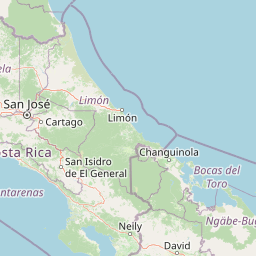
Map view of Juan Castro Blanco National Park

Use this park location map to pinpoint Juan Castro Blanco National Park in Costa Rica, understand its exact geographic position, and read its mapped placement within the surrounding landscape more clearly.

Pigeon | © OpenStreetMap contributors

Location context for Juan Castro Blanco National Park

Alajuela Province
Park atlas

Trace the regional geography and diverse protected landscapes surrounding Juan Castro Blanco National Park in Costa Rica's northern highlands.

Discover Nearby National Parks and Protected Areas Beyond Juan Castro Blanco National Park
Browse national parks and protected areas geographically adjacent to Juan Castro Blanco National Park, exploring similar volcanic landscapes, cloud forest ecosystems, and key watershed regions. Compare Costa Rica's highland protected areas, revealing interconnected conservation efforts and diverse natural features beyond a single park's boundaries.
National parkAlajuela Province

Poás Volcano National Park: National Park Protected Landscape in Alajuela Province

Mapped park boundaries and regional terrain context.

Poás Volcano National Park represents a vital protected landscape within Costa Rica's Alajuela Province. This detail page offers an atlas-centric view, emphasizing the park's geographic identity, its specific mapped boundaries, and its significance as a national park. Explore the natural terrain and understand the regional context of this protected area, ideal for geographic discovery and landscape exploration.

Area
65 km²
Established
1971
IUCN
II
Relief
Mountain
National parkCosta Rica

Arenal Volcano National Park: Costa Rica National Park Atlas and Mapped Terrain

Detailed geography and protected landscape context for a Costa Rican national park.

Gain a structured understanding of Arenal Volcano National Park, a protected natural area situated in Costa Rica. This page provides detailed geographic information, focusing on its mapped boundaries and landscape characteristics. It serves as a key resource for exploring the park's specific regional context and its role within the country's network of protected lands.

Area
121.24 km²
Established
1991
IUCN
II
Relief
Mountain
National parkHeredia Province

Braulio Carrillo National Park: Costa Rica's Protected Landscape in Heredia Province

National Park Boundaries and Regional Geography Exploration

Braulio Carrillo National Park represents a vital protected area, offering deep insights into its geographic setting within Heredia Province. This entry provides a focused view on the park's mapped boundaries and its identity as a national park, contributing essential data for regional geography and landscape atlas exploration. Understand the character of its protected terrain and its place within the broader mapped context.

Area
475.8 km²
Established
1978
IUCN
II
Relief
Mountain
National parkSan José Province

La Cangreja National Park: Costa Rican National Park with Distinct Protected Landscape Identity

Explore its mapped boundaries and regional geographic context in San José Province.

La Cangreja National Park serves as a key protected area within the geography of San José Province, Costa Rica. This page facilitates a deeper understanding of its specific landscape character and mapped terrain, crucial for users interested in the structured discovery of national parks and their geographic significance. Examine the park's identity as a protected national park and its placement within the broader atlas of natural landscapes.

Area
19 km²
Established
1987
IUCN
II
Relief
Mountain
National parkCartago Province

Irazú Volcano National Park: National Park Protected Area Atlas

Mapped Boundaries and Volcanic Terrain

Irazú Volcano National Park stands as a distinct protected area within the landscape of Cartago Province, Costa Rica. This page provides an atlas-centric view, detailing the park's mapped boundaries and its identity as a national park. Explore the volcanic geography and regional context, understanding its contribution to the protected lands of Central America.

Area
20 km²
Established
1955
IUCN
II
Relief
Mountain
National parkCosta Rica

Carara National Park: Protected Landscape Geography in Costa Rica

Explore the mapped terrain and park boundaries.

Carara National Park offers a focused exploration of protected landscape geography within Costa Rica. As a National Park, its mapped boundaries are integral to understanding its role in the country's natural atlas. This detail page provides specific geographic context and details relevant to atlas-based discovery, highlighting the park's unique position and protected-area identity for users interested in detailed mapping and regional natural context.

Area
52 km²
Established
1978
IUCN
II
Relief
Mixed relief
National parkCosta Rica

Turrialba Volcano National Park: Mapped Geography and Protected Landscape Context in Costa Rica

Explore the protected area's natural terrain and regional atlas placement

Turrialba Volcano National Park is a key protected landscape in Costa Rica, offering distinct geographic features and environmental context for atlas exploration. This page details the park's mapped boundaries and its significance as a national park, providing a foundation for understanding its place within the country's diverse natural terrain. Discover the unique geographic identity of this protected area and its role in the regional landscape.

Area
16 km²
Established
1955
IUCN
II
Relief
Mountain
National parkCosta Rica

Tapantí National Park: Costa Rica National Park Atlas and Mapped Landscape Exploration

Explore protected boundaries and natural terrain within its geographic setting.

Tapantí National Park is a designated national park in Costa Rica, offering specific insights into the country's protected natural landscapes. This page provides an atlas-style view of its geographic placement, the extent of its protected area, and the character of its natural terrain. Users can investigate the park's mapped context and understand its significance within the broader geography of Costa Rica, facilitating focused exploration of protected lands and regional landscape features.

Area
583.2 km²
Established
1982
IUCN
II
Relief
Mountain

Common questions about visiting, size, designation, and location context for Juan Castro Blanco National Park

Juan Castro Blanco National Park FAQs for park facts, access, geography, and protected area context
Find quick answers about Juan Castro Blanco National Park, including protected-area facts, park geography, trail and visitor context, and how the park fits into its surrounding country and regional landscape.
MoriAtlas Explorer

Continue Your Protected Areas Search Across the Global Atlas

Deepen your exploration by continuing the structured search for national parks and protected areas worldwide. Utilize the comprehensive filtering capabilities to compare different conservation landscapes and refine your understanding of global park geography. Discover more about the distribution and characteristics of protected natural areas.

Global natural geography