Why Khao Kho National Park stands out
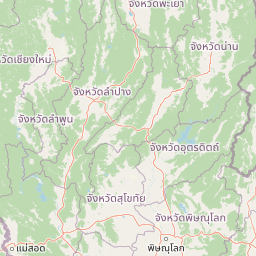
Khao Kho National Park is best known for its dramatic mountain landscapes characterized by steep peaks, mesas, and forested slopes in the Phetchabun mountain range. The park is notable for its network of waterfalls including Namtok Tat Fa (the largest), Namtok Than Thip, and the multi-tiered Namtok Khan Bandai. The area is also recognized for its cultural landmarks including Wat Phra That Pha Son Kaeo, a temple featuring five large Buddha images, and the Khao Kho royal palace. The Khao Kho wind farm with its 24 turbines adds a distinctive modern element to the landscape. The park's ecological significance lies in its deciduous dipterocarp forests and its role as a watershed for multiple major river systems.
Khao Kho National Park history and protected-area timeline
The history of Khao Kho National Park reflects broader patterns of Thai conservation development and historical events in the region. From 1968 to 1981, the forest area served as a base for guerrillas of the Communist Party of Thailand during the country's communist insurgency period. This historical chapter left an imprint on the landscape and local memory. On May 1, 1995, an initial area of 14 square kilometers within the Khao Polok Lon National Forest, originally designated as Namtok Than Thip Forest Park, was declared as Khao Kho National Park. A comprehensive survey of forest areas across the four districts was conducted in August 2001, examining Khok Sam Sang, Khao Polok Lon, Khao Pang Kho, and Wang Chompu forests. This survey led to the formal expansion and declaration of the park on May 18, 2012, with an area of 483 square kilometers (approximately 301,698 rai), making it the 125th national park in Thailand. The park now shares a boundary with Phu Hin Rong Kla National Park to the north and is managed by the Department of National Parks, Wildlife and Plant Conservation through its Regional Office 11 in Phitsanulok.
Khao Kho National Park landscape and geographic character
The landscape of Khao Kho National Park is characterized by mountainous terrain with elevations ranging from 155 meters in the lower valleys to 1,305 meters at Khao Kha, the highest point within the park. The terrain features a series of elongated ridges running north to south, with the upper sections presenting steep, rugged slopes while the lower areas transition into rolling foothills. The characteristic mesa formation of Khao Kho itself stands at 1,143 meters, creating a distinctive flat-topped silhouette against the sky. The park's geology consists primarily of sandstone formations that have produced characteristic flat-topped peaks and table-like summits. The landscape includes complex cliff systems and rocky outcrops, particularly in areas where erosion has exposed sandstone layers. Valley floors contain seasonal streams and the headwaters of major river systems, creating a landscape of cascading water during the rainy season. The contrast between the steep mountain slopes and the relatively flat mesa tops creates visual diversity throughout the park.
Khao Kho National Park ecosystems, habitats, and plant life
The nature of Khao Kho National Park is defined by its diverse forest ecosystems, primarily composed of deciduous dipterocarp forest, commonly known as red rainforest in Thailand. This forest type dominates the lower and middle elevations, characterized by trees that lose their leaves during the dry season. The park also contains significant areas of mixed deciduous forest and, according to Thai sources, includes both natural forest and planted areas covering over fifty percent of the total area. The vegetation includes economically valuable species such as teak (Tectona grandis), Afzelia (Afzelia xylocarpa), Hopea (Hopea odorata), and Pterocarpus (Pterocarpus macrocarpus). The forest supports a complex ecosystem with multiple canopy layers and diverse understory vegetation. Wild orchids add floral diversity to the forest. The park's location in the Phetchabun mountain range positions it within a transition zone between northern and central Thai ecological regions, contributing to its biological richness. The watershed function of the area, feeding tributaries of three major rivers, adds ecological significance beyond the park's boundaries.
Khao Kho National Park wildlife and species highlights
Khao Kho National Park supports a diverse array of wildlife despite its relatively recent establishment as a protected area. Mammal species include Asian elephant, Asian golden cat, Asian palm civet, Burmese hare, chevrotain, flying lemur, porcupine, slow loris, and wild boar. The park is home to approximately 80 bird species, of which around 60 are passerines from 20 families. Notable bird species include the ashy woodswallow, Asian fairy-bluebird, black-crested bulbul, black-naped monarch, common green magpie, grey-headed canary-flycatcher, and slender-billed oriole. Non-passerine species include Asian barred owlet, bay woodpecker, blue-throated barbet, mountain imperial pigeon, and oriental honey buzzard. Reptiles include the Bengal monitor. The park also supports a wide variety of butterfly species. This wildlife community inhabits the diverse forest habitats within the park, from the valley floors to the higher elevations.
Khao Kho National Park conservation status and protection priorities
Khao Kho National Park represents an important conservation initiative in central Thailand, protecting a significant area of mountainous forest ecosystem within the Phetchabun region. The park preserves critical watershed areas that feed major river systems serving downstream agricultural and community needs. Its establishment in 2012 formalized protection for an area that had experienced historical pressures from logging and human settlement. The deciduous dipterocarp forest ecosystem, while not as globally rare as some forest types, represents a characteristic vegetation of mainland Southeast Asia and provides important habitat for regional biodiversity. The park's proximity to Phu Hin Rong Kla National Park to the north creates a larger protected area complex that supports wildlife movement and ecological processes across a broader landscape. Management by the Department of National Parks, Wildlife and Plant Conservation ensures standardized protection protocols and visitor management appropriate for a Category II protected area under IUCN guidelines.
Khao Kho National Park cultural meaning and human context
Khao Kho National Park contains significant cultural elements that reflect the historical and spiritual landscape of the Phetchabun region. Wat Phra That Pha Son Kaeo, a Buddhist temple established in 2004, features five large seated Buddha images arranged in a line, creating a distinctive religious landmark within the park. The Khao Kho royal palace served as a temporary residence for King Bhumibol Adulyadaj in 1985, adding historical significance to the area. The park's history as a communist guerrilla base between 1968 and 1981 represents a significant chapter in Thai modern history, though this period has left limited direct physical traces. The local communities within and adjacent to the park maintain connections to the mountainous landscape that predate formal protected area designation. The Phetchabun region has long been known for its agricultural productivity and historical significance as a corridor between central and northern Thailand.
Top sights and standout views in Khao Kho National Park
The highlights of Khao Kho National Park include its network of waterfalls, with Namtok Tat Fa being the largest and most impressive. The multi-tiered Namtok Khan Bandai, Namtok Than Thip at 26 meters high, and the cliff-side Namtok Pha Lat offer diverse waterfall experiences. The distinctive mesa of Khao Kho provides panoramic views from its summit area. Cultural highlights include the five Buddha images of Wat Phra That Pha Son Kaeo and the historical Khao Kho royal palace. The modern Khao Kho wind farm, with its 24 turbines each 110 meters tall, adds a contemporary element to the mountain landscape. The Tham Yai Nam Ko cave offers geological interest. The combination of natural landscapes, waterfalls, cultural sites, and mountain vistas makes the park a destination that offers variety beyond typical forest保护区 experiences.
Best time to visit Khao Kho National Park
The best time to visit Khao Kho National Park depends on seasonal conditions and visitor preferences. The cool dry season from November to mid-February offers the most comfortable temperatures for hiking and outdoor activities, with clear skies and minimal rainfall making trail conditions favorable. Winter months can bring morning fog in the valleys and cooler temperatures at higher elevations. The hot season from mid-February to mid-May features warmer daytime temperatures but still manageable conditions, though the landscape may appear drier. The rainy season from mid-May to October brings regular rainfall, which enhances waterfall flow and creates lush green landscapes, though afternoon thunderstorms are common and some trails may become slippery. The park's elevation means temperatures remain cooler than the surrounding lowlands year-round, making it a popular escape from Bangkok's heat. Regardless of season, visitors should be prepared for variable mountain weather conditions.