Nature reserveTrentino-Alto Adige
About 2.8 km away#1 closest
Northwest
Biotopo Monte Brione: Protected Nature Reserve and Mediterranean Landscape Map
Exploring the limestone ecology of northern Italy
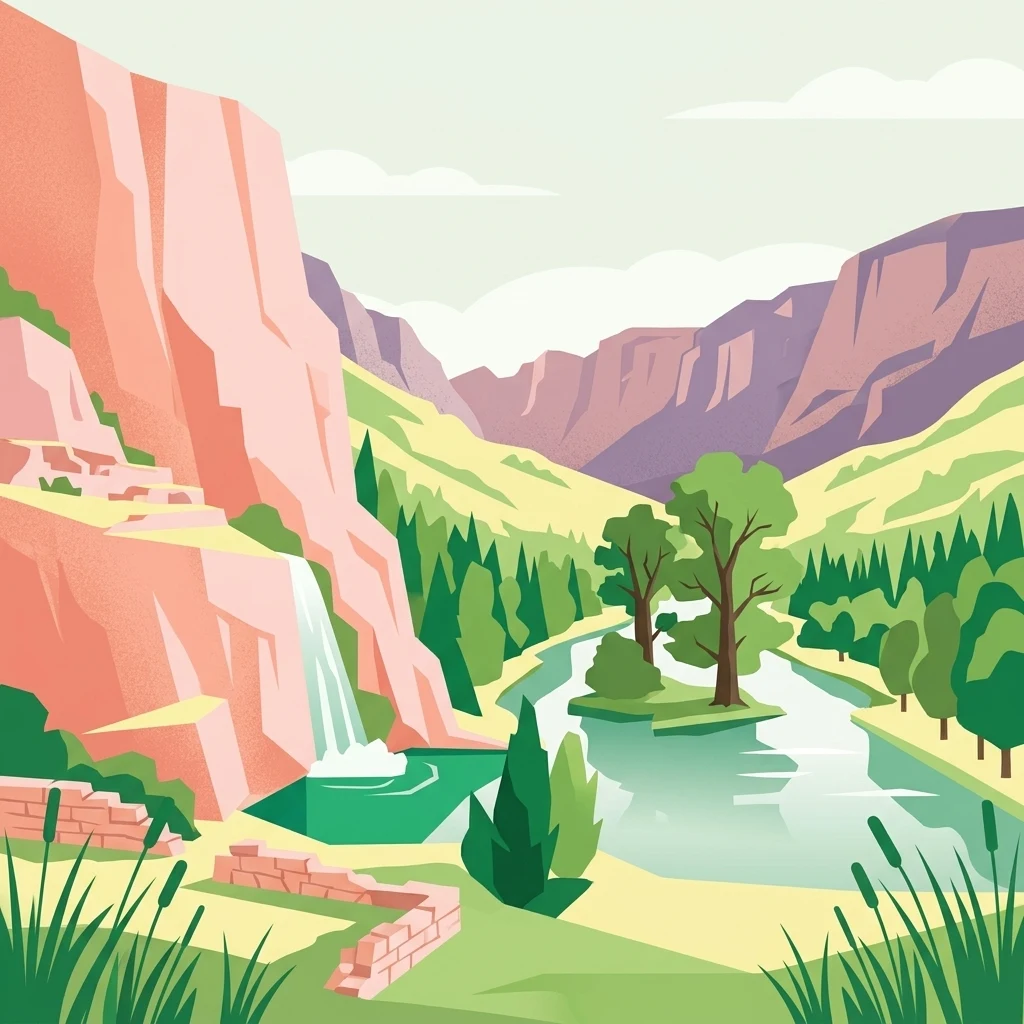
Biotopo Monte Brione stands as a remarkable protected area where southern European vegetation, including holm oaks and Phoenician juniper, flourishes against a backdrop of sun-exposed limestone cliffs. Situated as a natural buffer near Lake Garda, this reserve offers a deep look into the intersection of Mediterranean floral diversity and Alpine geographic settings, providing a essential refuge for protected raptors and rare invertebrate species.
- Area
- 0.663 km²
- Established
- 1992
- IUCN
- IV