Mori Atlas logo
National parkLaguna San Rafael National Park

Discover mapped park boundaries and glacial terrain within Chile's dramatic Aysén Region.

Laguna San Rafael National Park: Protected Landscape and Regional Geography in Aysén

(Parque Nacional Laguna San Rafael)

Laguna San Rafael National Park represents a significant protected landscape within the Aysén del General Carlos Ibáñez del Campo Region of southern Chile. This page serves as your atlas entry point to understanding the park's geographic identity, its place within the dramatic Patagonian terrain, and its role as a mapped natural area. Explore the context of this national park and its contribution to the region's broader conservation geography.

Glacial landscapesUNESCO Biosphere ReservePatagoniaTidewater glaciersNorthern Patagonian Ice FieldMarine mammals

Laguna San Rafael National Park

National park

Park overview

Structured park overview, official facts, and landscape profile for Laguna San Rafael National Park

Laguna San Rafael National Park park facts, protected area profile, and essential visitor context
Review the core facts for Laguna San Rafael National Park, including designation, size, terrain, visitor scale, habitats, and operating context in one park-focused overview.

About Laguna San Rafael National Park

Laguna San Rafael National Park occupies a remarkable position at the crossroads of the Andes mountain range and the Pacific coast in Chile's remote Aysén Region. The park's defining feature is San Rafael Lagoon, a glacial lake approximately 16 kilometers in length that was formed as the San Rafael Glacier retreated from a land-terminating position to become a tidewater glacier reaching into the lagoon. This glacial history is central to the park's identity, with the glacier having first reached the lagoon between 1741 and 1766 and remaining a calving glacier to the present day. The park encompasses portions of the Northern Patagonian Ice Field, a significant temperate ice mass that feeds numerous glaciers and receives extraordinary snowfall that maintains the ice field despite the relatively low latitude. The geography includes towering peaks such as Monte San Valentín, Cerro Arenales, and Cerro Pared Norte, all rising above the glacial valleys and fjord systems that characterize the landscape. Rivers including the Baker River, Exploradores River, and San Tadeo River traverse or border the park, while Témpanos River provides the hydrological connection between San Rafael Lagoon and the Gulf Elefantes. The park's position within the Chilean Inside Passage creates a complex coastal environment where protected channels and open gulf waters coexist, supporting both terrestrial and marine protected values.

Quick facts and research context for Laguna San Rafael National Park

Located in Chile's Aysén del General Carlos Ibáñez del Campo Region, Laguna San Rafael National Park covers approximately 17,420 square kilometers, making it one of the largest national parks in Chile. The park centers on San Rafael Lagoon, a glacial lake fed by the retreating San Rafael Glacier, and includes portions of the Northern Patagonian Ice Field. The nearest settlement is Puerto Chacabuco, which serves as a gateway to the park. The region experiences extremely high precipitation, with annual rainfall exceeding 4,400 millimeters at the lagoon weather station and exceeding 6,000 millimeters at higher elevations where it falls as snow on the ice field. The park's establishment in 1959 and UNESCO Biosphere Reserve designation in 1979 reflect its international conservation significance.

Park context

Deeper park guide and search-rich context for Laguna San Rafael National Park

Laguna San Rafael National Park history, landscape, wildlife, and travel context
Explore Laguna San Rafael National Park through its history, landscape character, ecosystems, wildlife, conservation priorities, cultural context, and seasonal travel timing in a structured park guide built for atlas discovery and search intent.

Why Laguna San Rafael National Park stands out

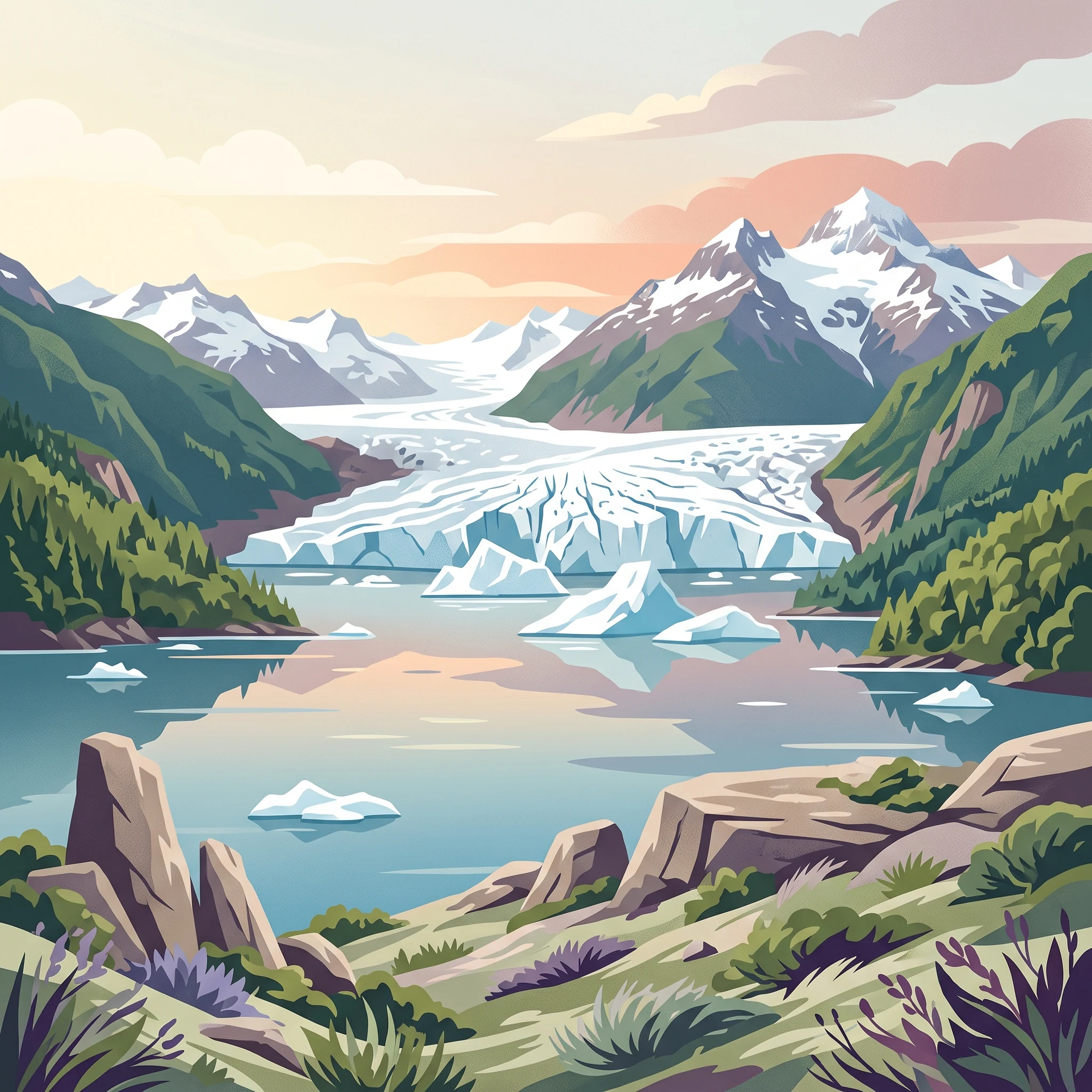
Laguna San Rafael National Park is best known for the dramatic San Rafael Glacier, a tidewater glacier that calves directly into San Rafael Lagoon, creating a spectacular landscape of floating icebergs and active glacial calving. The park's inclusion of the Northern Patagonian Ice Field makes it a premier destination for understanding glacial processes and Patagonian ice field dynamics. The more than 16-kilometer-long fjord system leading to the lagoon provides one of the most iconic maritime approaches in southern Chile. The park's designation as a UNESCO Biosphere Reserve recognizes its outstanding biodiversity value, particularly the presence of critically endangered southern right whales that use the Gulf of Penas as a wintering and calving ground.

Laguna San Rafael National Park history and protected-area timeline

The area now protected within Laguna San Rafael National Park was first explored by non-indigenous people in 1675, at which time the San Rafael Glacier existed as a land-terminating glacier rather than reaching into the lagoon. Historical records suggest the glacier advanced to rejoin the lagoon sometime between 1741 and 1766, transforming into a tidewater glacier that has calved into the lagoon since that time. The park was formally established in 1959, creating protected status for this significant Patagonian landscape. In 1979, UNESCO recognized the park's exceptional ecological values by designating it a World Biosphere Reserve, acknowledging both the glacial systems and the diverse ecosystems the park protects. The park is managed by Chile's Corporación Nacional Forestal (CONAF), the national forestry authority responsible for protected area management across the country. The designation as a Biosphere Reserve reflects the park's role in protecting representative examples of Patagonian ecosystems while allowing for sustainable use of natural resources in surrounding areas.

Laguna San Rafael National Park landscape and geographic character

The landscape of Laguna San Rafael National Park is defined by the intersection of the Andes mountains with the Pacific coast, creating a terrain of extraordinary diversity and dramatic scenery. The Northern Patagonian Ice Field occupies the higher elevations, a vast expanse of glacial ice that feeds glaciers descending into the lower valleys and fjords. Peak elevations include Monte San Valentín, which rises to over 4,000 meters, and Cerro Arenales, both prominent landmarks visible from the coastal waters. The fjord system that leads to San Rafael Lagoon extends more than 16 kilometers inland, with steep walls carved by glacial action and now filled with seawater. San Rafael Lagoon itself occupies a glacial valley, its waters colored by glacial flour and frequently dotted with icebergs that have calved from the active glacier at its eastern end. The lower terrain features river valleys, wetlands, and coastal areas where the mountains meet the sea. The Isthmus of Ofqui creates a land connection in the northern part of the park, while the Baker River and Exploradores River form important boundaries or near-boundaries to the protected area.

Laguna San Rafael National Park ecosystems, habitats, and plant life

The nature of Laguna San Rafael National Park reflects the extreme precipitation and transitional biogeographic position of this Patagonian landscape. The extremely high annual rainfall, exceeding 4,400 millimeters at the lagoon and surpassing 6,000 millimeters at higher elevations, supports lush vegetation communities despite the cold temperatures. The park occupies a transition zone between the Mediterranean-influenced climate of central Chile and the more extreme conditions of southern Patagonia, creating a unique set of ecological communities. The Northern Patagonian Ice Field represents a critical freshwater storage system, with meltwater feeding rivers and streams throughout the park. The marine environment of the Gulf of Penas and Moraleda Channel supports productive waters where upwelling and oceanographic conditions create rich feeding grounds for marine species. The combination of terrestrial, freshwater, and marine ecosystems within a single protected area creates exceptional ecological coherence.

Laguna San Rafael National Park wildlife and species highlights

Laguna San Rafael National Park supports diverse wildlife across its terrestrial, freshwater, and marine environments. The avifauna includes several species that find shelter in the park's varied habitats, with black-browed albatrosses, great grebes, black-necked swans, and cormorants among the notable bird species present. Terrestrial mammals include the South American gray fox and South Andean deer, which inhabit the forest and steppe environments within the park boundaries. The marine environment is particularly significant, with Chilean dolphins, South American sea lions, marine otters, and southern elephant seals regularly present in coastal waters. Perhaps most significantly, baleen whales migrate into the Gulf of Penas, and scientific observations suggest this gulf may serve as a wintering and calving ground for the critically endangered Southern Right Whale population, adding exceptional conservation importance to the park's marine values.

Laguna San Rafael National Park conservation status and protection priorities

Laguna San Rafael National Park holds significant conservation value at multiple levels, from national protected area status to international recognition as a UNESCO Biosphere Reserve. The park's designation as IUCN Category II reflects its primary purpose of protecting natural ecosystems while allowing for sustainable visitor use and scientific research. The inclusion of the Northern Patagonian Ice Field ensures protection of one of the Southern Hemisphere's significant temperate ice fields, which serves as a climate archive and freshwater reservoir. The potential role of the Gulf of Penas as a calving ground for critically endangered southern right whales elevates the park's marine conservation significance, as this population faces serious threats throughout its range. The UNESCO Biosphere Reserve designation in 1979 recognized both the outstanding natural values and the park's potential to serve as a model for sustainable development in the surrounding region. The extreme precipitation and intact ecosystems represent relatively unmodified natural conditions that are increasingly rare in inhabited regions of Chile.

Laguna San Rafael National Park cultural meaning and human context

Laguna San Rafael National Park occupies territory traditionally associated with indigenous peoples of Patagonia, though the historical record of human presence in this remote coastal area is less extensively documented than in more accessible regions of Chile. The non-indigenous exploration beginning in 1675 marked the start of a period of European contact that would eventually lead to the region's incorporation into the Chilean state and the establishment of protected area status. The park remains in a region of very low population density, with the nearby town of Puerto Chacabuco serving as the primary gateway for park visitors. The cultural context of the park is primarily one of wilderness and natural landscape rather than concentrated human heritage sites, reflecting the extreme conditions and remote location that have limited permanent human settlement in this part of Patagonia.

Top sights and standout views in Laguna San Rafael National Park

The flagship attraction of Laguna San Rafael National Park is the San Rafael Glacier, an active tidewater glacier that calves spectacular icebergs into the lagoon, creating one of the most accessible glacial viewing experiences in Patagonia. The fjord approach to the lagoon, spanning more than 16 kilometers, provides an iconic maritime journey through steep-walled channels. The Northern Patagonian Ice Field offers a rare opportunity to experience one of the world's significant temperate ice fields within a protected area. The possibility of observing southern right whales in the Gulf of Penas represents exceptional wildlife viewing potential. The dramatic mountain peaks of Monte San Valentín and Cerro Arenales provide stunning backdrop views from both land and water. The UNESCO Biosphere Reserve designation reflects the park's importance as a conservation model.

Best time to visit Laguna San Rafael National Park

The optimal time to visit Laguna San Rafael National Park corresponds with the Patagonian spring and summer months, from roughly November through March, when temperatures are milder and daylight hours are longest. During this period, the weather is generally more stable, though the region remains prone to rapid changes and heavy precipitation can occur in any season. The summer months offer the best conditions for boat trips into the fjord and lagoon to view the glacier and floating icebergs. Wildlife viewing opportunities, including marine mammals and birds, aregood throughout the warmer months. The winter months bring shorter days, colder temperatures, and more frequent storms, though the dramatic landscapes under winter conditions have their own appeal for experienced visitors prepared for challenging weather.
Park location guide

Geography guide, regional context, and park location map for Laguna San Rafael National Park

Laguna San Rafael National Park park geography, regions, and map view in Chile
Understand where Laguna San Rafael National Park sits in Chile through a broader geographic reading of the surrounding landscape, nearby location context, and its mapped position within the national park landscape.

How Laguna San Rafael National Park fits into Chile

Chile is a presidential republic in western South America, extending as a narrow strip along the western edge of the continent between the Andes Mountains and the Pacific Ocean. It is the southernmost country in the world and the closest to Antarctica. The country is bordered by Peru, Bolivia, and Argentina, and administers several Pacific islands including Easter Island. Chile is a major copper producer and has a population of approximately 19.6 million.

Wider geography shaping Laguna San Rafael National Park in Chile

Chile occupies a narrow strip of land along the western edge of South America, extending approximately 4,300 km north to south but only about 350 km east to west at its widest point. The country is sandwiched between the Andes Mountains to the east and the Pacific Ocean to the west. It shares borders with Peru to the north, Bolivia to the northeast, and Argentina to the east. Southern Chile borders the Drake Passage. Chile also administers several Pacific islands including Juan Fernández Islands, Isla Salas y Gómez, Desventuradas Islands, and Easter Island, plus the Chilean Antarctic Territory.

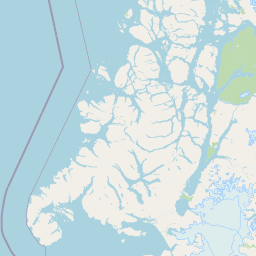
Map view of Laguna San Rafael National Park

Use this park location map to pinpoint Laguna San Rafael National Park in Chile, understand its exact geographic position, and read its mapped placement within the surrounding landscape more clearly.

Pigeon | © OpenStreetMap contributors

Location context for Laguna San Rafael National Park

Aysén del General Carlos Ibáñez del Campo Region
Park atlas

Compare surrounding Patagonian protected areas, tracing connected glacial systems and fjord geography.

Discover National Parks and Protected Areas Near Laguna San Rafael in Chile's Patagonian Fjords
After exploring Laguna San Rafael National Park, continue your journey through nearby national parks and protected areas that share Chile's dramatic Patagonian fjords and glacial terrain. Compare diverse conservation landscapes, tracing the regional spread of ice fields, coastal ecosystems, and mountain ranges for comprehensive geographic insight.
National parkAysén Region

Patagonia National Park, Chile: Exploring Protected Landscape and Regional Geography

Mapped boundaries and natural terrain in Aysén Region.

Patagonia National Park, situated within the Aysén Region of Chile, serves as a significant protected area offering rich opportunities for atlas-based geographic exploration. This national park's specific landscape identity and mapped boundaries provide a clear focal point for understanding regional conservation and natural terrain. Discover the geographic context of this protected land and its place within the broader landscape of southern Chile through structured data and map exploration.

Area
3,045.28 km²
Established
2018
IUCN
II
Relief
Mountain
National parkAysén del General Carlos Ibáñez del Campo Region

Cerro Castillo National Park: Dramatic Granite Peaks and Patagonian Protected Landscape

Mapped geography and huemul conservation in Chile's Aysén Region.

Cerro Castillo National Park is a premier protected area in southern Chile, celebrated for its iconic Cerro Castillo granite mountain that dominates the landscape. This national park, spanning over 1,700 square kilometers in the Aysén del General Carlos Ibáñez del Campo Region, showcases a dynamic Patagonian terrain shaped by glaciers and rivers. Its significance extends to being a vital corridor for endangered huemul, offering critical habitat within a broader regional conservation strategy and the famous Route of Parks.

Area
1,795.5 km²
Established
1970
IUCN
II
Relief
Mountain
National park

Perito Moreno National Park: Argentina's Expansive Patagonian Protected Landscape

Explore its mapped terrain and significant protected area geography.

Perito Moreno National Park stands as a cornerstone of Argentinian conservation, safeguarding over 126,000 hectares of striking Patagonian mountain wilderness. This national park protects a rare ecological transition zone, blending wet Andean forests with dry steppe environments across its dramatic amphitheater-like terrain and dual-watershed hydrography. Its mapped boundaries encompass significant natural geography, offering a clear atlas view of protected Patagonian landscapes.

Area
1,268.3 km²
Established
1937
IUCN
II
Relief
Mountain
National park

Patagonia National Park: A National Park Protecting the Argentine Patagonian Steppe Landscape

Explore the mapped boundaries of this semi-arid grassland ecosystem.

Patagonia National Park is a protected national park in Argentina established to preserve the representative Patagonian steppe ecosystem. Covering 528.11 square kilometers, it offers a deep dive into the unique semi-arid grassland environment, known for its rolling plains and wind-shaped terrain. This park provides crucial context for understanding the broader geography of southern Argentina and the conservation of its distinctive natural landscapes.

Area
528.11 km²
Established
2015
IUCN
II
Climate
Arid
National parkAysén del General Carlos Ibáñez del Campo Region

Isla Magdalena National Park: Protected Area and Regional Geography Context

Discover the mapped landscape of this national park.

Delve into the protected landscape of Isla Magdalena National Park, a key national park situated in the Aysén del General Carlos Ibáñez del Campo Region of Chile. This entry provides essential geographic context, focusing on the park's mapped boundaries and its role within the Patagonian environment. Understand its distinct identity as a protected area for structured atlas exploration.

Area
1,576 km²
Established
1983
IUCN
II
Relief
Mountain
Watercolor illustration of rolling hills, a river flowing through a valley, and forested areas
National parkAysén del General Carlos Ibáñez del Campo Region

Queulat National Park: Patagonian Andes Glacier and Rainforest Discovery

Mapped protected area in Aysén del General Carlos Ibáñez del Campo Region.

Queulat National Park is a vast protected wilderness in southern Chile, renowned for its dramatic glacial alpine terrain and lush temperate rainforests. The park's geography is defined by steep glacial valleys, ice fields, and the iconic Queulat Hanging Glacier cascading from sheer cliffs. Discover the mapped boundaries of this significant Patagonian national park, offering unparalleled insight into its unique ecosystems and dramatic landscapes shaped by ice and forest.

Area
1,541 km²
Established
1983
IUCN
II
Relief
Mountain
Watercolor illustration of a mountainous landscape with green fields and forests under a pale sky
National parkAysén Region

Melimoyu National Park: A Key Protected National Park within Chile's Aysén Region

Explore Melimoyu National Park's mapped boundaries and regional geography.

Melimoyu National Park stands as a distinct protected natural area, offering a focused lens for geographic discovery. As a national park situated in the Aysén Region, its mapped boundaries and regional landscape context are crucial for understanding its atlas significance. This entry provides specific details about the park's protected status and its contribution to the mapped terrain of southern Chile, enabling detailed exploration for atlas enthusiasts.

Area
1,055 km²
Established
2018
IUCN
II
Relief
Mixed relief
National parkAysén del General Carlos Ibáñez del Campo Region

Bernardo O'Higgins National Park: Southern Patagonian Ice Field & Glacial Terrain

Chile's largest protected area: a map of vast ice caps and fjords.

Bernardo O'Higgins National Park is a colossal protected landscape in Chile, safeguarding much of the Southern Patagonian Ice Field and its colossal glacial features like the Pío XI Glacier. Explore the dramatic terrain of towering granite peaks and intricate fjord systems that define this remote national park. This page provides essential context for understanding its geography, mapped boundaries, and significance as a vast wilderness preservation.

Area
35,259 km²
Established
1969
IUCN
II
Visitors
36K annual

Common questions about visiting, size, designation, and location context for Laguna San Rafael National Park

Laguna San Rafael National Park FAQs for park facts, access, geography, and protected area context
Find quick answers about Laguna San Rafael National Park, including protected-area facts, park geography, trail and visitor context, and how the park fits into its surrounding country and regional landscape.
MoriAtlas Explorer

Continue Your Protected Areas Search Across the Global Atlas

Deepen your exploration by continuing the structured search for national parks and protected areas worldwide. Utilize the comprehensive filtering capabilities to compare different conservation landscapes and refine your understanding of global park geography. Discover more about the distribution and characteristics of protected natural areas.

Global natural geography