Why Littabella National Park stands out
Littabella National Park is best known for its extensive palustrine wetland system, which represents one of the more significant freshwater wetland protection areas in Queensland's Central Highlands region. The wetland's ecological character and the presence of rare or threatened species, including three animal species and one plant species of conservation concern, distinguish this park from more typical national park landscapes focused on mountainous or forested terrain.
Littabella National Park history and protected-area timeline
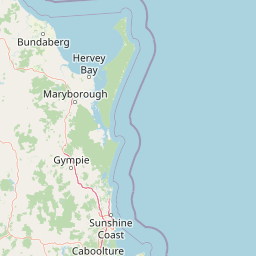
Littabella National Park was established in 1980, representing a mid-era addition to Queensland's national park system. The creation of the park coincided with broader governmental recognition during the 1970s and early 1980s of the ecological importance of wetland systems and the need to preserve representative examples of Australia's diverse wetland types. At the time of establishment, the park was designated to protect the significant palustrine wetland within the Baffle Creek and Kolan River catchments.
The decision to protect this area reflected increasing scientific understanding of wetland ecology and the role these ecosystems play in supporting biodiversity. Wetlands across Queensland had been subject to significant drainage and modification for agricultural purposes throughout the twentieth century, making protected wetland reserves increasingly valuable as reference ecosystems and biodiversity refuges. The park's establishment provided formal protection for an area that had otherwise faced pressure from surrounding land use conversion.
Littabella National Park landscape and geographic character
The landscape of Littabella National Park is dominated by palustrine wetland environments characteristic of Queensland's central coastal plains. The terrain is generally flat to gently undulating, with the wetland systems occupying low-lying areas within the broader catchment landscape. The wetland is fed by seasonal water flows from the surrounding catchment, creating periods of inundation and drying that are typical of subtropical freshwater wetlands.
Vegetation within the wetland includes emergent aquatic plants suited to periodic flooding, while the surrounding landscape supports a mix of vegetation communities adapted to the moist conditions. The flat terrain and open wetland character contrast with the more rugged landscapes that dominate many other Queensland national parks, giving Littabella a distinctive visual and ecological identity focused on water and wetland processes rather than mountainous or forested terrain.
Littabella National Park ecosystems, habitats, and plant life
The ecological character of Littabella National Park is defined by its palustrine wetland system, which supports a distinctive suite of plant and animal species adapted to freshwater wetland environments. The wetland provides habitat for species that depend on flooded conditions for at least part of their life cycle, including various waterbirds, amphibians, and aquatic invertebrates. The presence of three rare or threatened animal species and one threatened plant species within the park elevates its ecological significance considerably.
Wetlands of this type serve as important ecological nodes within the broader landscape, functioning as feeding and breeding grounds for migratory species and providing refuges during dry periods when surrounding habitats become less suitable. The ecological processes operating within the wetland, including nutrient cycling and seasonal flooding patterns, maintain the conditions that support the park's biodiversity values.
Littabella National Park wildlife and species highlights
The wildlife of Littabella National Park is characterized by species adapted to freshwater wetland environments. The presence of three rare or threatened animal species within the park's boundaries represents significant conservation value, though the specific identities of these species are not detailed in available source material. Wetland environments of this type typically support diverse waterbird communities, including species that nest in emergent vegetation, feed in shallow water, or use the wetland as a migratory stopover.
The park's significance for wildlife extends beyond resident species to include migratory and nomadic species that use wetland habitats seasonally. Freshwater wetlands in Queensland support populations of frogs, reptiles, and small mammals that are adapted to the cyclical wet and dry conditions, and the protected status of Littabella provides continuity of habitat that allows these species to maintain populations through environmental fluctuations.
Littabella National Park conservation status and protection priorities
Littabella National Park represents an important conservation outcome for Queensland's wetland protection efforts. The park protects a rare example of palustrine wetland in a region where most such environments have been modified or eliminated through agricultural development. The presence of three rare or threatened animal species and one threatened plant species demonstrates the park's significance for biodiversity conservation at both state and national levels.
The wetland ecosystem within the park provides conservation benefits that extend beyond the protected area itself, including catchment protection functions that benefit downstream water quality and ecosystem health. As a formally declared national park managed by the Queensland Parks and Wildlife Service, Littabella receives ongoing protection and management attention that ensures the wetland system's long-term viability.
Top sights and standout views in Littabella National Park
Littabella National Park's primary highlight is its extensive palustrine wetland system, one of the more significant protected freshwater wetlands in Central Queensland. The presence of rare and threatened species, including three animal species and one plant species of conservation concern, gives the park particular significance for biodiversity protection. The park's location within the Baffle Creek and Kolan River catchments also provides watershed-level ecological value.