Why Liuwa Plain National Park stands out
Liuwa Plain is most renowned for its spectacular blue wildebeest migration, the second-largest in Africa, with tens of thousands of animals crossing the grasslands in a dramatic annual spectacle. The park is also famous for Lady Liuwa, a lone lioness who became the subject of a National Geographic documentary and came to symbolize the park's conservation journey after all other lions were eradicated during the 1990s. The park's location within the Barotse Floodplain gives it a distinctive character among Zambia's protected areas, with its vast open grasslands, seasonal flooding patterns, and rich birdlife including endangered species like the wattled crane. The reintroduction of African wild dogs in 2022 further reinforces the park's significance as a predator conservation site.
Liuwa Plain National Park history and protected-area timeline
The history of Liuwa Plain is deeply intertwined with the Lozi people and their traditional leadership. The area was originally the private hunting ground of Lubosi Lewanika, who served as Litunga (king or paramount chief) of the Lozi people in Barotseland from 1878 until his death in 1916. In the early 1880s, Lubosi Lewanika formally designated Liuwa Plain as a protected area, making it one of Africa's earliest recognized wildlife conservation zones. Following Zambia's independence, the area was officially designated as a national park in 1972 when the government took over management. However, the park faced significant challenges during the late 20th century, with increased poaching and human pressure leading to dramatic wildlife population declines. By the early 2000s, many large mammal species had been locally extirpated or drastically reduced. The nonprofit conservation organization African Parks assumed management responsibility in 2003, partnering with the Department of National Parks and Wildlife and the Barotse Royal Establishment. This partnership has focused on restoring wildlife populations, anti-poaching efforts, and developing sustainable tourism. The story of Lady Liuwa, the last remaining lion in the park, became a symbol of both the park's struggles and its eventual recovery, documented in the National Geographic film "The Last Lioness" before her death in 2017.
Liuwa Plain National Park landscape and geographic character
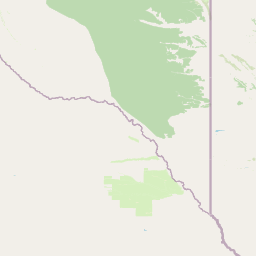
The landscape of Liuwa Plain is characterized by vast, flat grassland terrain situated within the Barotse Floodplain system of western Zambia. The main plain measures approximately 72 kilometers in length and 32 kilometers in width, creating an extensive open savanna environment that is typical of southern Africa's floodplain ecosystems. The terrain is bounded to the north by the Luambimba River and to the south by the Luanginga River, both of which contribute to the seasonal flooding patterns that influence the grassland's ecology. Scattered across the plain are clusters of raffia palms and woodland patches, typically growing on slightly elevated areas that avoid seasonal inundation. The woodland areas contain species such as Baikiaea plurijuga, Guibourtia coleosperma, and Terminalia sericea, creating a diverse habitat structure within the broader grassland matrix. The flat nature of the landscape allows for unobstructed views across the savanna, particularly spectacular during the wildebeest migration when thousands of animals can be observed moving across the plains. The overall topography remains consistently low-elevation, reflecting the park's position within the extensive floodplain system that dominates much of Zambia's Western Province.
Liuwa Plain National Park ecosystems, habitats, and plant life
The nature of Liuwa Plain revolves around its grassland ecosystem within the Barotse Floodplain, a system that experiences seasonal flooding and creates dynamic ecological conditions throughout the year. The grasslands support specialized vegetation adapted to the flood regime, with species like Echinochloa stagnina and Vossia cuspidata providing critical grazing for large herbivore populations. The park lies within a broader mosaic of floodplain, woodland, and swamp environments that support remarkable biodiversity despite the relatively flat terrain. The seasonal nature of the flooding creates a rhythm of ecological productivity, with the grasslands offering abundant forage during the dry season when flood waters recede, and providing refuge for wildlife during the wet season when higher ground becomes limited. The scattered woodlands and raffia palm stands add structural diversity to the landscape, providing shelter and browsing opportunities for different species. The river systems that bound the park create additional habitat diversity, supporting riparian vegetation and serving as water sources for wildlife throughout the year.
Liuwa Plain National Park wildlife and species highlights
Liuwa Plain supports a diverse mammalian fauna, most famously known for its massive blue wildebeest herds that participate in Africa's second-largest annual migration, with tens of thousands of animals moving across the plains in search of fresh grazing. The park's mammal community includes numerous antelope species such as common eland, common tsessebe, oribi, red lechwe, reedbuck, and roan antelope, alongside substantial populations of zebra and buffalo. The predator community includes cheetah, leopard, lion, spotted hyena, and African wild dogs, representing a complete suite of large carnivores appropriate for the ecosystem. The park's most famous resident was Lady Liuwa, a lioness who became the lone surviving member of the park's lion population following widespread hunting and poaching in the 1990s. Her story, documented in a National Geographic film, brought international attention to the park's conservation needs and spurred successful reintroduction efforts that have since established a small pride. The bird fauna is exceptionally diverse with more than 330 species recorded, including impressive concentrations of waterbirds such as various stork species, pelicans, cranes including the endangered wattled crane and grey crowned crane, and numerous raptors like the martial eagle, bateleur, and Pel's fishing owl.
Liuwa Plain National Park conservation status and protection priorities
Liuwa Plain represents a significant conservation success story in southern Africa, having recovered dramatically from near-collapse during the 1990s and early 2000s. The park was designated as a Lion Conservation Unit in 2005, recognizing its importance for apex predator conservation. During the 1990s, virtually all lions were eradicated from the park due to poaching and trophy hunting, leaving only the solitary Lady Liuwa as the last remaining individual. African Parks implemented an ambitious lion reintroduction program that brought in additional lions from Kafue National Park, successfully establishing a breeding pride that numbered approximately 16 individuals by 2022. Similarly, the African wild dog population was restored through the translocation of 11 individuals from South Africa and Kafue National Park in late 2021 and early 2022. Large mammal populations that had declined severely, including buffalo and eland, have been reintroduced and have stabilized. The park's management model integrating the Barotse Royal Establishment reflects recognition of traditional governance structures in conservation, and local community engagement has improved as a result of the restored connection between the protected area and the Litunga.
Liuwa Plain National Park cultural meaning and human context
Liuwa Plain holds deep cultural significance for the Lozi people of Barotseland, whose traditional leadership established the area as a protected hunting ground in the early 1880s. The park's name itself comes from the Liuwa language, a dialect of Lozi, reflecting the deep roots of human connection to this landscape. The area was historically the personal hunting reserve of Lubosi Lewanika, the Litunga or king of the Lozi people, who ruled from 1878 to 1916 and recognized the need to protect the wildlife populations from overexploitation. The Barotse Royal Establishment remains a partner in park management, maintaining the traditional authority's involvement in conservation that began over a century ago. According to local folklore, Lady Liuwa was believed to be a reincarnation of Mambeti, a Lozi tribeswoman who lived and died in the park area, creating a spiritual connection between the lioness and the local community. This cultural dimension adds depth to the park's identity beyond its ecological significance.
Top sights and standout views in Liuwa Plain National Park
The annual blue wildebeest migration stands as Liuwa Plain's most spectacular natural event, with tens of thousands of animals crossing the grasslands in a massive circular movement that ranks as Africa's second-largest such phenomenon. The park's lion population recovery, from a single surviving lioness to a small pride, represents a remarkable conservation achievement that has drawn international attention and documentary coverage. The birdlife is exceptional, with more than 330 species including significant populations of wattled cranes, grey crowned cranes, various storks, and numerous raptors. The park's vast, open landscapes offer a distinctive safari experience far removed from more visited destinations, with opportunities to observe wildlife against the backdrop of an expansive savanna environment. The traditional connection between the park and Lozi royalty, dating to the 1880s, provides historical depth to the conservation narrative.
Best time to visit Liuwa Plain National Park
The optimal time to visit Liuwa Plain coincides with the dry season, typically from May through October, when wildlife viewing is most rewarding as animals concentrate around remaining water sources and the vegetation is less dense. The blue wildebeest migration typically occurs during the latter part of the dry season, with large herds often visible from around August through October. The wet season from November to April brings seasonal flooding to parts of the plain, which while creating beautiful landscapes, can limit accessibility and wildlife viewing in some areas. Birdwatching is excellent year-round, though the presence of migratory species and waterbird concentrations varies seasonally. The park's remote location means that visitor numbers remain low regardless of season, offering an uncrowded wilderness experience.