Why Lower Polissia National Nature Park stands out
Lower Polissia National Nature Park is best known for its combination of forest ecosystems and wetland habitats within the Polissia region. The park protects important bird populations, with 186 documented bird species making it significant for avian conservation in western Ukraine. The wetland complexes, including marshland areas and lake systems, support diverse communities of waterfowl, migratory birds, and amphibians. The river valley sections through the park provide ecological connectivity across the landscape.
Lower Polissia National Nature Park history and protected-area timeline
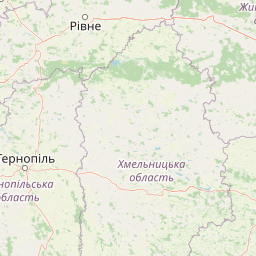
The establishment of Lower Polissia National Nature Park emerged from Ukraine's broader initiative to expand its network of protected areas. The concept was first mentioned in a December 2008 presidential decree titled "On Expanding the Network and Territories of National Nature Parks and Other Nature Reserves." This initial policy directive set the stage for further development of protected area designations across the country. The subsequent phase involved a formal order from the Head of Khmelnytskyi Regional State Administration in June 2011, which approved the creation of the Small Polissia National Nature Park and initiated the project development and approval process among various government agencies. After years of coordination and land allocation procedures, the final presidential decree establishing the park was issued on August 2, 2013. This decree formalized the inclusion of 8,762.7 hectares of state-owned land into the national park, comprising both lands transferred from existing forestry enterprises and areas incorporated without removal from current land users. The park incorporated 2,764 hectares from the Iziaslav Forestry Enterprise and 2,507 hectares from the Slavutsky Forestry Enterprise, along with additional areas to complete the protected landscape.
Lower Polissia National Nature Park landscape and geographic character
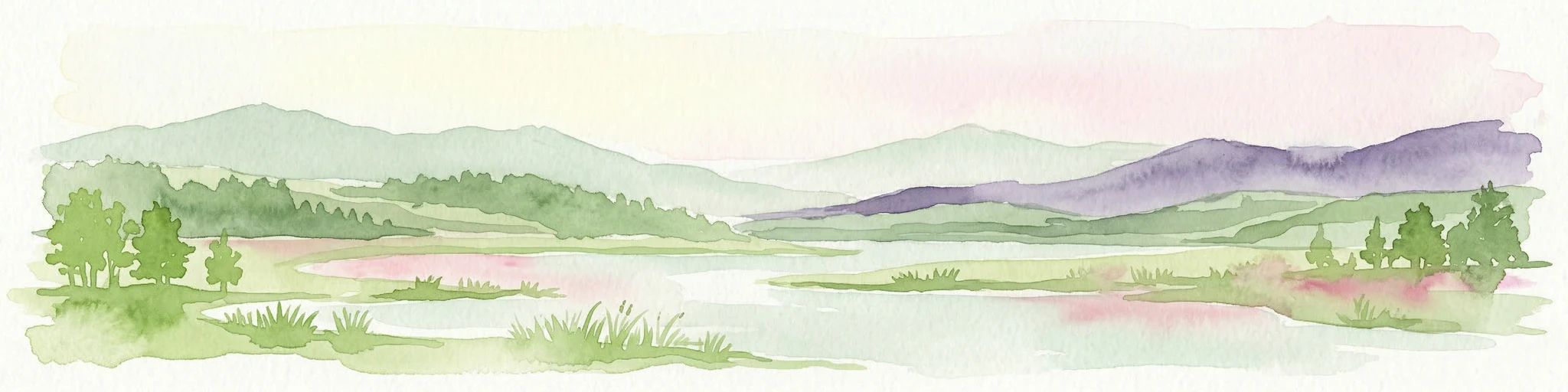
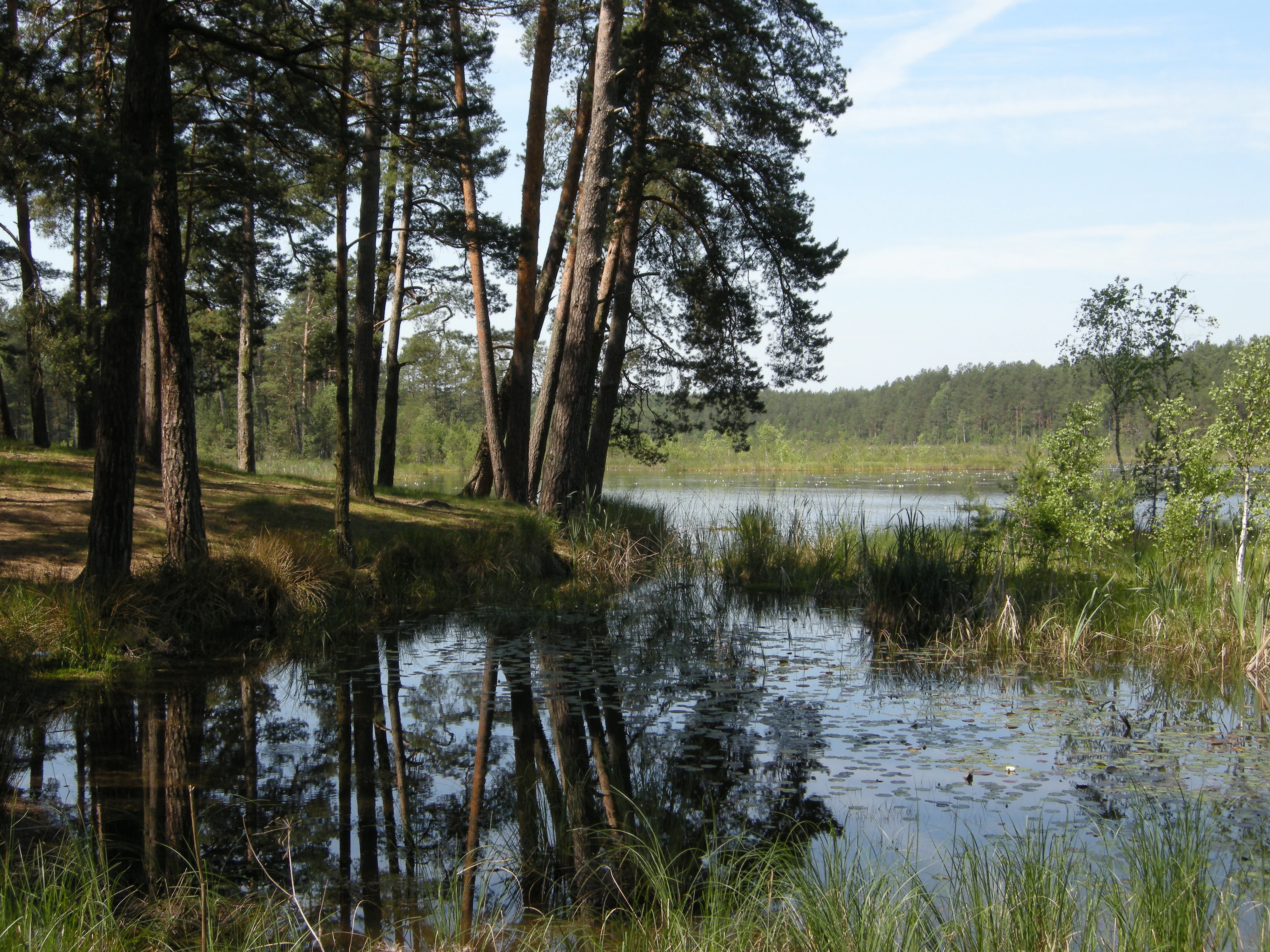
The landscape of Lower Polissia National Nature Park combines forested upland areas with extensive wetland lowlands characteristic of the Polissia region. The park encompasses portions of the Horyn River valley, one of the major river systems in western Ukraine, along with the Viliia and Hnylyi Rih river valleys. These water corridors traverse the landscape, creating floodplain wetlands, marsh areas, and lake systems that contrast with the surrounding forest-covered terrain. The forest components of the park include massifs that were previously managed by state forestry enterprises, representing typical Polissia forest composition. The wetland areas include several named lakes and marsh complexes that provide critical habitat for waterfowl, amphibians, and other wetland-dependent species. The combination of flowing rivers, standing water bodies, marshland, and forested areas creates a heterogeneous landscape supporting diverse ecological communities.
Lower Polissia National Nature Park ecosystems, habitats, and plant life
The natural environment of Lower Polissia National Nature Park reflects the ecological character of the Polissia region, which occupies a transitional zone between central European broadleaf forests and eastern European forest-steppe. The park protects both terrestrial and aquatic ecosystems, with forest habitats dominating the upland areas while wetland systems occupy the river valleys and low-lying terrain. The protected area supports significant biodiversity, with the Ukrainian source documenting 205 vertebrate animal species across multiple taxonomic groups. The flora includes 21 plant species listed in Ukraine's Red Book, representing rare and protected botanical elements of the regional ecosystem. Additionally, 37 plant species receive special protection within the Khmelnytskyi Oblast, indicating the park's importance for regional biodiversity conservation. The combination of forest types and wetland communities creates ecological diversity within a relatively compact protected area.
Lower Polissia National Nature Park wildlife and species highlights
The wildlife communities of Lower Polissia National Nature Park demonstrate the ecological richness of the Polissia region. Birdlife is particularly diverse, with 186 bird species documented within the park's boundaries. This avian diversity includes numerous waterfowl species associated with the lake and wetland systems, forest-dwelling songbirds, and birds of prey. Among the notable species present are species protected under international conventions. The park hosts four species from the European Red List, including the white-tailed eagle and black kite among the birds, and certain fish species. A total of 101 species appearing in Annex 2 of the Berne Convention receive protection within the park. Mammal populations include approximately 33 species, with the badger, river otter, and other medium-sized mammals present. The park's waters support 18 fish species, while amphibians are represented by 11 species and reptiles by seven species. Additionally, 53 animal species from Ukraine's Red Book occur within the park, including the gray crane and European otter.
Lower Polissia National Nature Park conservation status and protection priorities
Lower Polissia National Nature Park serves important conservation functions within Ukraine's protected area network. The park was established to protect the natural ecosystems of the Polissia region in Khmelnytskyi Oblast, preserving both forest habitats and wetland complexes that would otherwise face pressure from forestry and agricultural development. The protected status ensures the continuation of ecological processes across the forest-wetland mosaic and maintains connectivity for wildlife populations moving through the landscape. The park's biodiversity significance is evidenced by the presence of numerous protected species, with 53 animal species and 21 plant species listed in Ukraine's Red Book requiring conservation attention. International conservation frameworks are also represented, with species from the European Red List and the Bern Convention receiving protection within the park boundaries. The management structure under Ukraine's State Forest Agency integrates conservation objectives with sustainable forest management practices.
Lower Polissia National Nature Park cultural meaning and human context
Lower Polissia National Nature Park is situated within the historical region of Volynia, an area with rich cultural heritage in western Ukraine. The park's territory falls within what is known as historical Volynia, a region that has been part of various political entities over the centuries and possesses distinct cultural traditions. The local area around Slavuta and the broader Shepetivka district has historical significance in Ukrainian history. The park's establishment in 2013 represents a relatively recent addition to the region's protected area network, created during Ukraine's ongoing efforts to expand nature conservation as part of broader environmental policy development.
Top sights and standout views in Lower Polissia National Nature Park
Lower Polissia National Nature Park stands out for its combination of forest and wetland protection within the Polissia region. The park's 8,762 hectares protect significant biodiversity including over 200 vertebrate species, 186 bird species, and numerous protected plants and animals. The wetland complexes around the Horyn, Viliia, and Hnylyi Rih rivers provide critical habitat for waterfowl and migratory birds. The presence of 53 Red Book species and 101 Bern Convention species demonstrates the park's conservation significance at national and international levels. The area around Lake Sviate and other water bodies offers scenic value within the protected landscape.
Best time to visit Lower Polissia National Nature Park
The best time to visit Lower Polissia National Nature Park depends on the type of experience sought. Spring and early summer offer excellent opportunities for birdwatching as migratory species return to the wetlands and the forest canopy fills with activity. The wetland areas are particularly lively during these seasons when waterfowl congregate at lakes and marshes. Summer provides the warmest conditions for exploring the park's trails and enjoying the forest environment, though mid-summer can be quite warm. Autumn brings changing colors in the deciduous forest components and provides another excellent season for wildlife observation as animals become more active before winter. The winter season offers a different perspective on the landscape, with snow-covered forests and frozen wetlands providing a quiet wilderness experience.