Mori Atlas logo
National parkMagoe National Park

Explore the protected landscape identity and geographic context of Magoe National Park.

Magoe National Park: National Park with Mapped Boundaries and Regional Geography in Tete Province

Magoe National Park stands as a significant protected area within Mozambique's Tete Province, offering a unique geographic perspective for atlas and map-based discovery. This page delves into the park's mapped boundaries and its role within the regional landscape context, providing a factual foundation for understanding protected natural spaces. Explore the defined geography of this national park to gain insights into its specific ecological and terrain characteristics.

protected areasavanna ecosystemCahora BassaTete ProvinceMozambique national parkslake shoreline

Magoe National Park

National park

Park overview

Structured park overview, official facts, and landscape profile for Magoe National Park

Magoe National Park park facts, protected area profile, and essential visitor context
Review the core facts for Magoe National Park, including designation, size, terrain, visitor scale, habitats, and operating context in one park-focused overview.

About Magoe National Park

Magoe National Park occupies a significant stretch of terrain along the southern bank of Cahora Bassa, the massive dam that created one of Africa's largest man-made lakes. The protected area encompasses approximately 3,500 square kilometers of diverse landscapes in Tete Province, a region characterized by extensive savanna plains and woodland vegetation typical of western Mozambique. The park's establishment in 2013 reflected Mozambique's broader strategy to expand and strengthen its network of protected areas, particularly in regions with outstanding natural value and tourism potential. The former Tchuma Tchato Community wildlife management program had provided a foundation for conservation in this area, demonstrating how community-based approaches can support wildlife protection and sustainable land use. The park contributes to Mozambique's biodiversity conservation efforts while also serving as a potential catalyst for eco-tourism development in the Tete Province region.

Quick facts and research context for Magoe National Park

Magoe National Park is situated in Tete Province, western Mozambique, along the southern shoreline of Cahora Bassa Dam. The protected area spans roughly 3,500 square kilometers of predominantly savanna terrain. Officially established on October 20, 2013, the park succeeded the Tchuma Tchato Community wildlife management program as a formally designated national park. The park lies at approximately 15°59′07″S latitude and 31°53′52″E longitude in the Zambezi River basin region.

Park context

Deeper park guide and search-rich context for Magoe National Park

Magoe National Park history, landscape, wildlife, and travel context
Explore Magoe National Park through its history, landscape character, ecosystems, wildlife, conservation priorities, cultural context, and seasonal travel timing in a structured park guide built for atlas discovery and search intent.

Why Magoe National Park stands out

Magoe National Park is best known for its location along the Cahora Bassa Dam, one of the largest hydroelectric reservoirs in Africa. The park protects savanna ecosystems in western Mozambique and represents one of the more recent additions to Mozambique's national park system. The transition from community-based wildlife management to full national park status marks an important evolution in the region's conservation approach.

Magoe National Park history and protected-area timeline

Magoe National Park was officially established on October 20, 2013, when the Mozambican government proclaimed the area as a national park. Prior to this designation, the territory had been managed under the Tchuma Tchato Community wildlife management program, which operated as a collaborative conservation initiative involving local communities in wildlife protection and sustainable natural resource management. The transition from a community-based management model to formal national park status represented an institutional evolution that brought stronger legal protections and increased governmental support for the area's conservation. This designation aligned with Mozambique's national strategy to expand its protected area network and enhance biodiversity conservation across diverse ecological zones.

Magoe National Park landscape and geographic character

The terrain of Magoe National Park consists primarily of savanna landscapes characteristic of western Mozambique, with the northern boundary defined by the extensive waters of Cahora Bassa Dam. The region features relatively flat to undulating terrain with scattered woodland vegetation and grass-covered plains. The proximity to one of Africa's largest reservoirs creates a distinctive landscape where terrestrial ecosystems meet large inland water environments. The park's position in the Zambezi River basin contributes to the ecological character of the area, with the dam's influence extending across the surrounding terrain and influencing vegetation patterns and wildlife distribution.

Magoe National Park conservation status and protection priorities

Magoe National Park represents an important component of Mozambique's expanding protected area network. The park's designation in 2013 brought formal legal protection to savanna ecosystems in the Tete Province region. Conservation of this area supports broader regional efforts to protect biodiversity in western Mozambique, a region that contains important wildlife habitats and migratory corridors. The transition from the community-based Tchuma Tchato model to national park status provided enhanced legal frameworks for protecting wildlife populations and managing natural resources. The park contributes to Mozambique's commitments under regional biodiversity conservation initiatives and supports the country's approach to integrating community conservation with formal protected area management.

Top sights and standout views in Magoe National Park

The park's defining characteristic is its shoreline position along Cahora Bassa, providing visitors with views of one of Africa's most impressive reservoirs while exploring protected savanna landscapes. As one of Mozambique's newer national parks, Magoe represents the country's ongoing investment in conservation and eco-tourism development in the Zambezi basin region. The park offers opportunities to experience western Mozambique's distinctive combination of aquatic and terrestrial environments within a protected setting.

Park location guide

Geography guide, regional context, and park location map for Magoe National Park

Magoe National Park park geography, regions, and map view in Mozambique
Understand where Magoe National Park sits in Mozambique through a broader geographic reading of the surrounding landscape, nearby location context, and its mapped position within the national park landscape.

How Magoe National Park fits into Mozambique

Mozambique is a sovereign state in Southeast Africa spanning approximately 801,590 km² along the Indian Ocean. It borders Tanzania, Malawi, Zambia, Zimbabwe, Eswatini, and South Africa. The country gained independence in 1975 after Portuguese colonial rule and experienced a civil war from 1977 to 1992. Today it operates as a semi-presidential republic with a population of approximately 35 million people.

Wider geography shaping Magoe National Park in Mozambique

Mozambique occupies a coastal position along the Indian Ocean in southeastern Africa. The country shares borders with Tanzania to the north, Malawi and Zambia to the northwest, Zimbabwe to the west, and Eswatini and South Africa to the southwest. The terrain ranges from coastal plains to highlands in the west. The Mozambique Channel separates the country from Madagascar, Comoros, and Mayotte to the east.

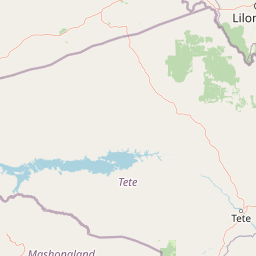
Map view of Magoe National Park

Use this park location map to pinpoint Magoe National Park in Mozambique, understand its exact geographic position, and read its mapped placement within the surrounding landscape more clearly.

Pigeon | © OpenStreetMap contributors

Location context for Magoe National Park

Tete Province
Park atlas

Trace the regional geography of protected areas across western Mozambique, comparing similar savanna landscapes and dam-influenced environments.

Explore Other National Parks and Protected Areas Near Magoe National Park in Mozambique
After reviewing Magoe National Park, browse additional national parks and protected areas across western Mozambique and the broader Zambezi River basin. Compare their diverse savanna ecosystems, mapped terrain, and conservation status to deepen your geographic understanding of Southern Africa's protected landscapes.
National parkLusaka Province

Lower Zambezi National Park: Mapped Protected Area and Regional Geography

Lusaka Province National Park Landscape Context

Lower Zambezi National Park represents a key protected landscape within Zambia, specifically situated in Lusaka Province. This park's detail page focuses on its role as a national park, offering insights into its geographic contours, mapped park boundaries, and its overall context within the regional geography. Engage with structured data to understand the natural landscape characteristics and the atlas-relevant distribution of this protected area.

Area
4,092 km²
Established
1983
IUCN
II
Relief
Mixed relief
National parkZimbabwe

Nyanga National Park: Zimbabwe's Protected National Park Landscape Identity

Explore mapped boundaries and regional geography.

Nyanga National Park is a prime example of a protected landscape within Zimbabwe, offering distinct geographic features and mapped boundaries for detailed atlas exploration. As a national park, it serves as a critical point of reference for understanding the distribution of protected areas across Southeast Africa. This page provides foundational geographic context and landscape identity, allowing users to trace the park's physical presence and its role within the broader regional atlas.

Area
472 km²
Established
1926
IUCN
II
Relief
Mountain
National parkZimbabwe

Mana Pools National Park: Zimbabwe National Park Atlas and Protected Floodplain Landscapes

Explore a World Heritage protected area with iconic baobab forests.

Mana Pools National Park presents a profound example of a preserved African wilderness, recognized globally for its ecological integrity. As a UNESCO World Heritage Site, this protected landscape along the Zambezi River in Zimbabwe is defined by its four permanent pools, vast sandbanks, and distinctive forests. The park's geography supports exceptional wildlife congregations, particularly during the dry season, offering a unique atlas-level perspective on floodplain ecosystems and conservation value.

Area
2,196 km²
IUCN
II
Relief
Lowland
Scope
Terrestrial
National parkMalawi

Lengwe National Park: Malawi's Protected Landscape Atlas and Geographic Context

Mapped natural terrain and protected area boundaries in Malawi.

Lengwe National Park offers a focused look into Malawi's protected natural areas. As a designated national park, its geographic significance is highlighted through mapped boundaries and an understanding of the surrounding regional terrain. This entry provides essential context for exploring its identity as a protected landscape within southeastern Africa, contributing to a broader atlas of conservation areas.

Area
887 km²
Established
1970
IUCN
II
Climate
Tropical
National parkZambia

South Luangwa National Park: Zambia's National Park Geographic Atlas and Protected Landscape

Explore mapped boundaries and regional context within this Zambian protected area.

South Luangwa National Park represents a vital national park within Zambia, offering a distinct focal point for atlas-based geographic exploration. This dedicated entry details the park's mapped area and its integration into the surrounding Zambian geography. Users seeking to understand protected landscapes, regional park distributions, and natural terrain context will find South Luangwa National Park a key reference for detailed mapping and landscape analysis.

Area
9,050 km²
Established
1972
IUCN
II
Relief
Mixed relief
National parkZambia

Lukusuzi National Park: Zambia's Protected National Park Geographic Context

Mapped protected area and regional landscape identity for Lukusuzi.

Gain detailed insights into Lukusuzi National Park, a key protected area in Zambia, through its geographic setting and mapped boundaries. This page provides essential context for understanding the park's landscape character and its significance within the national park atlas. Explore the fundamental protected-area geography of this distinct Zambian natural landscape.

IUCN
II
Access
Access unknown
Scope
Terrestrial
National park

Kasungu National Park: Protected Landscape and Geographic Atlas of Central Malawi

Explore Miombo woodlands and dambo grasslands across its mapped terrain.

Kasungu National Park is a key protected area in Malawi, offering insights into the geography of Central Malawi's savanna landscapes. This national park, covering over 2,300 square kilometres, is defined by its characteristic Miombo woodland interspersed with dambo grasslands and riverine habitats. Its location near the Zambian border provides a critical conservation corridor, making it an important entity for understanding regional protected land distribution and landscape ecology within the atlas.

Area
2,316 km²
Established
1970
IUCN
II
Relief
Mixed relief
National parkLusaka Province

Lusaka National Park: Protected Woodland Habitat and Geographic Context in Lusaka Province

Zambia's smallest national park, mapping natural terrain near the capital.

Lusaka National Park, Zambia's newest national park, offers a contained yet representative example of the woodland ecosystems found on the Lusaka plateau. This protected landscape, covering 6,715 hectares, is entirely fenced, creating a distinct conservation area within Lusaka Province. Its establishment over a former forest reserve highlights a unique approach to upgrading protected lands. Explore the park's mapped terrain and understand its significance as an accessible natural enclave amid regional development, providing a focused view of central Zambian woodland environments.

Area
67.15 km²
Established
2011
IUCN
II
Climate
Tropical

Common questions about visiting, size, designation, and location context for Magoe National Park

Magoe National Park FAQs for park facts, access, geography, and protected area context
Find quick answers about Magoe National Park, including protected-area facts, park geography, trail and visitor context, and how the park fits into its surrounding country and regional landscape.
MoriAtlas Explorer

Continue Your Protected Areas Search Across the Global Atlas

Deepen your exploration by continuing the structured search for national parks and protected areas worldwide. Utilize the comprehensive filtering capabilities to compare different conservation landscapes and refine your understanding of global park geography. Discover more about the distribution and characteristics of protected natural areas.

Global natural geography