

Mori Atlas logo
National parkManusela National Park

Explore mapped boundaries and regional context of this national park in Maluku

Manusela National Park: Protected Landscape Geography and Atlas Discovery

Manusela National Park represents a significant protected area within the Indonesian archipelago, situated in the Maluku region. This national park offers a distinct focus for atlas-based exploration, allowing users to understand its protected landscape identity, mapped boundaries, and its place within the broader regional geography. Delve into the specific natural terrain and conservation context that defines Manusela National Park.

rainforestbird endemismkarst landscapevolcanic mountainsisland ecosystemtropical forest

Manusela National Park

National park

Park overview

Structured park overview, official facts, and landscape profile for Manusela National Park

Manusela National Park park facts, protected area profile, and essential visitor context
Review the core facts for Manusela National Park, including designation, size, terrain, visitor scale, habitats, and operating context in one park-focused overview.

About Manusela National Park

Manusela National Park occupies a significant portion of Seram island in the Maluku Islands archipelago of eastern Indonesia. The park was officially established in 1997 following a proposal in 1978 that aimed to unite two previously designated nature reserves, Wae Nua and Wae Mual, which together covered 37,500 hectares. The park's establishment represented a critical step in protecting the island's extraordinary biodiversity, which arises from its unique geographic position bridging Asian and Australasian fauna. The park encompasses an altitudinal range from sea level to 3,027 meters at Mount Binaiya, supporting multiple distinct ecosystem types. The coastal and lowland forests transition through swamp forests into montane rainforest as elevation increases. Seram's isolation has allowed for extensive evolutionary divergence, resulting in species found nowhere else on Earth. The park's karst landscapes add geological significance, with the cave system of Goa Hatusaka representing a unique subterranean environment. Human communities have inhabited these lands for generations, with the Manusela people maintaining cultural connections to the landscape.

Quick facts and research context for Manusela National Park

Manusela National Park covers 1,890 square kilometers on Seram island in Indonesia's Maluku province, established in 1997. The park spans multiple elevation zones from coastal areas to montane rainforest on Mount Binaiya. The island of Seram hosts 118 bird species with 15 endemic varieties, making it a globally significant area for bird conservation. The park contains karst formations and the deepest cave in Indonesia. The Manusela ethnic group gives the park its name, which translates to bird of freedom in their language.

Park context

Deeper park guide and search-rich context for Manusela National Park

Manusela National Park history, landscape, wildlife, and travel context
Explore Manusela National Park through its history, landscape character, ecosystems, wildlife, conservation priorities, cultural context, and seasonal travel timing in a structured park guide built for atlas discovery and search intent.

Why Manusela National Park stands out

Manusela National Park is best known for its extraordinary bird endemism, particularly the salmon-crested cockatoo which uses the park as its last stronghold. The park protects significant populations of endemic bird species including the eclectus parrot, purple-naped lory, Moluccan king parrot, and the Seram masked owl. Seram island's montane forests support the greatest concentration of endemic mammals of any island in the region, with nine species found nowhere else. The park also protects extensive karst landscapes and Indonesia's deepest cave system.

Manusela National Park history and protected-area timeline

The conservation history of Manusela National Park began in 1972 when two areas in central Seram were designated as nature reserves. Wae Nua covered 20,000 hectares while Wae Mual encompassed 17,500 hectares. Following a comprehensive survey in 1978, a proposal emerged to unite these protected areas into a single national park that would better protect the island's biodiversity. This proposal took nearly two decades to realize, with Manusela National Park finally established in 1997. The park now represents approximately 11 percent of Seram island's total land area. The establishment came at a critical time as the island faced increasing pressure from logging activities. The park remains relatively young in conservation terms, and its management continues to address the challenges of protecting endemic species while supporting local communities.

Manusela National Park landscape and geographic character

Manusela National Park encompasses remarkable topographic and ecological diversity across Seram island. The park protects six mountain peaks, with Mount Binaiya standing at 3,027 meters as the highest point on the island. The landscape transitions from coastal areas through extensive lowland forests to montane zones at higher elevations. The park contains significant karst terrain featuring dramatic limestone formations. Near the coast at Saleman-Sawai, the Goa Hatusaka cave system extends to become the deepest cave in Indonesia. Swamp forests occupy low-lying areas while seasonal variation in precipitation creates distinct wet and dry season characteristics. The island's mountainous interior has produced deep valleys and steep ridges that contribute to the park's scenic complexity and ecological zonation.

Manusela National Park ecosystems, habitats, and plant life

The park protects a remarkable range of forest ecosystems that transition from coastal vegetation through swamp forest, lowland rainforest, to montane rainforest. The coastal zone features mangrove and beach forest communities including species of Avicennia and Bruguiera. Lowland forests contain valuable timber species such as Shorea selanica and Dryobalanops, while swamp forests develop in poorly drained areas. Montane forests occur at higher elevations and support different community compositions suited to cooler, cloudier conditions. The park contains numerous Pandanus species and various orchids across its elevation zones. The diversity of habitats supports the island's extraordinary endemism, with vegetation structure varying significantly from the coastal fringe to the montane summits.

Manusela National Park wildlife and species highlights

Manusela National Park protects one of the most significant concentrations of endemic wildlife in Indonesia. Of 118 bird species recorded on Seram island, 15 are endemic including the iconic salmon-crested cockatoo, eclectus parrot, purple-naped lory, Moluccan king parrot, lazuli kingfisher, grey-necked friarbird, bicoloured white-eye, Boano monarch, and Seram masked owl. The park supports both Asian and Australasian mammal lineages, with Seram's montane forests supporting the highest number of endemic mammals of any island in the region. Thirty-eight mammal species occur in the park, including nine endemic or near-endemic species. The Seram bandicoot, Manusela mosaic-tailed rat, spiny Ceram rat, Ceram rat, and both the Moluccan flying fox and Seram flying-fox represent significant conservation priorities.

Manusela National Park conservation status and protection priorities

Manusela National Park serves as the last stronghold for several critically threatened species, most notably the salmon-crested cockatoo. The park was established to protect the island's unique biodiversity and represents 11 percent of Seram's land area. However, significant threats challenge conservation efforts. Deforestation poses the primary danger, with logging concessions covering 48 percent of Seram's forests, and illegal logging has occurred within park boundaries. The illegal wildlife trade targeting the salmon-crested cockatoo has pushed this species to the brink of extinction. In 2006, nine confiscated cockatoos were released into the park for the first time, representing a positive development in conservation work. The park's protection of endemic species makes it globally significant for biodiversity conservation.

Manusela National Park cultural meaning and human context

Four villages exist within Manusela National Park: Manusela, Ilena Maraina, Selumena, and Kanike. The Manusela people are the local ethnic group inhabiting these lands, and their language is one of the Seram languages. The name Manusela carries cultural significance, translating to bird of freedom in the local language. This linguistic heritage reflects the region's identity and connection to the natural environment. Traditional land use practices have shaped the landscape over generations, and communities maintain cultural ties to the forests and mountains within the park. The relationship between the Manusela people and their environment represents an important dimension of the park's cultural landscape.

Top sights and standout views in Manusela National Park

The exceptional bird endemism of Manusela National Park makes it globally significant, with 15 endemic bird species including the threatened salmon-crested cockatoo. The park protects Indonesia's deepest cave at Goa Hatusaka and contains extensive karst landscapes. Mount Binaiya offers challenging climbing opportunities to the island's highest point. The montane forests support remarkable mammalian endemism with nine restricted species. The park's establishment from two earlier reserves demonstrates evolving conservation commitment. The release of confiscated cockatoos in 2006 represents successful anti-trafficking efforts.

Best time to visit Manusela National Park

The optimal time to visit Manusela National Park depends on weather patterns and specific interests. The dry season generally offers more accessible trails and clearer conditions for hiking and wildlife observation. Bird activity may be more observable during certain seasons when species are more active and visible. The wet season brings abundant rainfall that sustains the park's lush rainforest character but may restrict some trail access. Montane areas experience cooler temperatures year-round. Visitors interested in cave exploration should consider seasonal water levels that affect Goa Hatusaka.

Park location guide

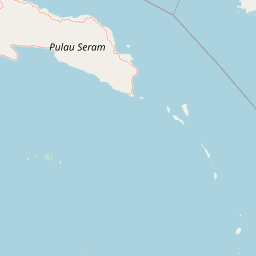
Geography guide, regional context, and park location map for Manusela National Park

Manusela National Park park geography, regions, and map view in Indonesia
Understand where Manusela National Park sits in Indonesia through a broader geographic reading of the surrounding landscape, nearby location context, and its mapped position within the national park landscape.

How Manusela National Park fits into Indonesia

Indonesia is a vast archipelagic nation in Southeast Asia and Oceania, spanning over 17,000 islands between the Indian and Pacific Oceans. As the world's fourth-most populous country with 288 million people, it features extraordinary cultural and biological diversity, withJavanese and Sundanese being the largest ethnic groups. The country gained independence from the Netherlands in 1945 and operates as a unitary presidential republic.

Wider geography shaping Manusela National Park in Indonesia

Indonesia is situated in Southeast Asia and Oceania, spanning the equatorial region between the Indian Ocean to the west and the Pacific Ocean to the east. The archipelago includes major islands such as Sumatra, Java, Sulawesi, and parts of Borneo and New Guinea. It borders Papua New Guinea, Timor-Leste, and Malaysia by land, with extensive maritime boundaries throughout the region.

Map view of Manusela National Park

Use this park location map to pinpoint Manusela National Park in Indonesia, understand its exact geographic position, and read its mapped placement within the surrounding landscape more clearly.

Pigeon | © OpenStreetMap contributors

Location context for Manusela National Park

Maluku
Park atlas

Browse nearby protected areas and unique island ecosystems across the Maluku archipelago geography.

Explore Other National Parks and Protected Areas Near Manusela National Park on Seram Island
Explore other national parks and protected areas located near Manusela National Park, discovering the distinct island ecosystems of Seram Island and the wider Maluku archipelago. This regional view helps compare diverse conservation landscapes, revealing varied topographic features and unique biological endemism patterns.
National parkNorth Maluku

Aketajawe-Lolobata National Park: Protected Landscape and Geographic Context in North Maluku

Explore the national park's mapped boundaries and regional setting.

Aketajawe-Lolobata National Park represents a significant protected area within North Maluku, Indonesia. This national park detail page provides focused insight into its geographic identity, allowing for exploration of its mapped boundaries and its role within the regional landscape context. Delve into the specifics of this Indonesian national park and its place in a structured atlas of protected lands.

Area
1,673 km²
Established
2004
IUCN
II
Relief
Mixed relief
National parkWest Papua

Teluk Cenderawasih National Park: West Papua's Protected Landscape and Geographic Atlas Entry

Mapped boundaries and regional natural geography.

Delve into the protected area details of Teluk Cenderawasih National Park, situated in the West Papua region. This page serves as a factual entry point for understanding the park's geographic placement and its role as a mapped natural landscape. Examine the park's protected boundaries and how they integrate with the regional geography, providing essential context for atlas exploration.

Area
14,535 km²
Established
2002
IUCN
II
Scope
Mixed
National parkLautém District

Nino Konis Santana National Park: Protected Landscape and Biodiversity Atlas

Explore the unique geography and marine ecosystems of Timor-Leste's first national park.

Nino Konis Santana National Park is a critical protected area at the eastern tip of Timor-Leste, spanning terrestrial forests, wetlands, and a significant marine zone within the Coral Triangle. This national park provides a unique atlas-driven view of rich biodiversity, including endemic bird species and vibrant coral reefs. Its landscape is deeply intertwined with ancient cultural sites and traditional settlements, offering a comprehensive understanding of its ecological and historical geographic context. Discover the mapped boundaries and protected area features that define this important conservation landscape.

Area
1,236 km²
Established
2007
IUCN
II
Relief
Lowland
National parkNorth Sulawesi

Bunaken National Park: Indonesian National Park Geography and Mapped Boundaries

Explore North Sulawesi's protected marine landscape.

Bunaken National Park stands as a key protected area within Indonesia's North Sulawesi region, offering essential insights for geographic discovery and atlas exploration. This page focuses on the park's mapped boundaries and its identity as a national park, providing a structured view of its landscape context. Understand the distribution and significance of conservation areas in North Sulawesi through detailed, fact-based information.

Area
890.65 km²
Established
1991
IUCN
II
Visitors
35K annual
National parkSulawesi

Bogani Nani Wartabone National Park: A National Park Within Sulawesi's Geographic Atlas

Explore mapped protected landscape and regional terrain.

Bogani Nani Wartabone National Park represents a vital protected area within Sulawesi, Indonesia. This dedicated page provides an atlas-oriented view, focusing on its distinct landscape character, geographic placement, and mapped boundaries. Understand the park's role as a conservation landscape and how its terrain contributes to the regional geography, forming a crucial component of mapped natural areas.

Area
2,871.15 km²
Established
1991
IUCN
II
Climate
Tropical
National parkSouth East Sulawesi

Rawa Aopa Watumohai National Park: Geographic Atlas and Protected Landscape Overview

Explore Rawa Aopa Watumohai National Park's mapped boundaries.

Gain a clear understanding of Rawa Aopa Watumohai National Park, a designated national park in South East Sulawesi. This entry offers insight into its protected landscape identity, mapped geographic features, and its specific location within the regional atlas. It serves as a focused point for comprehending the park's protected area context and its contribution to Indonesian natural geography.

Area
1,050 km²
Established
1989
IUCN
II
Relief
Mixed relief
National parkTojo Una-Una Regency

Kepulauan Togean National Park: Protected Marine Atlas and Island Landscape Geography

Explore Tojo Una-Una Regency's vital coral reef ecosystems and mapped island geography.

Kepulauan Togean National Park is a critically important marine protected area located within the Tojo Una-Una Regency of Indonesia. This national park is celebrated globally for its position at the center of the Coral Triangle, housing the most diverse array of coral species found anywhere on Earth. The park's landscape is defined by an archipelago of islands featuring a complex interplay of coral reefs, seagrass beds, and mangrove forests, creating a rich tapestry of marine habitats. Its geographic location also makes it a significant biogeographical crossroads, influencing the distribution of marine fauna between Asian and Australian regions.

Area
3,626 km²
Established
2004
IUCN
II
Relief
Lowland
National parkCentral Papua

Lorentz National Park National Park: Mapped Protected Landscape in Central Papua

Explore its regional geography and protected area boundaries.

Lorentz National Park offers a deep dive into protected landscape discovery within Central Papua. This national park serves as a key entity for understanding regional geography and mapped terrain. Explore its significance as a protected area and its unique geographic context, providing rich detail for atlas-based exploration and landscape analysis.

Area
25,056 km²
Established
1997
IUCN
II
Relief
Mountain

Common questions about visiting, size, designation, and location context for Manusela National Park

Manusela National Park FAQs for park facts, access, geography, and protected area context
Find quick answers about Manusela National Park, including protected-area facts, park geography, trail and visitor context, and how the park fits into its surrounding country and regional landscape.
MoriAtlas Explorer

Continue Your Protected Areas Search Across the Global Atlas

Deepen your exploration by continuing the structured search for national parks and protected areas worldwide. Utilize the comprehensive filtering capabilities to compare different conservation landscapes and refine your understanding of global park geography. Discover more about the distribution and characteristics of protected natural areas.

Global natural geography
