Mori Atlas logo
Wildlife reserveOkonjati Game Reserve

Examining the ecological terrain, mountain geography, and conservation boundaries of a central Namibian wildlife reserve.

Okonjati Game Reserve: A Protected Wildlife Landscape within the Otjozondjupa Region of Namibia

Okonjati Game Reserve spans approximately 360 square kilometers of diverse central Namibian bushveld, defined by the prominent Etjo and Klein-Etjo mountain massifs. This protected landscape functions as a vital savanna ecosystem that supports a wide range of antelope, big cats, elephants, and a specialized hippopotamus population. Beyond its natural terrain, the reserve holds significant historical weight as the site of 1989 Namibian independence negotiations, anchoring the area within the broader political and environmental geography of the Otjozondjupa region.

private game reservehippo conservationcentral NamibiaOtjozondjupasavanna ecosystembushveld

Okonjati Game Reserve

Wildlife reserve

Park overview

Structured park overview, official facts, and landscape profile for Okonjati Game Reserve

Okonjati Game Reserve park facts, protected area profile, and essential visitor context

Review the core facts for Okonjati Game Reserve, including designation, size, terrain, visitor scale, habitats, and operating context in one park-focused overview.

About Okonjati Game Reserve

Okonjati Game Reserve sits in central Namibia within the Otjozondjupa region, a stretch of the country characterized by broad bushveld, seasonal watercourses, and isolated rocky outcrops. As a private reserve of roughly 360 square kilometers, it functions both as a working conservation property and as a destination for safari-style tourism, particularly through the Mount Etjo Safari Lodge located within its footprint.

The reserve's defining identity combines an unusually focused hippopotamus conservation mandate with the wider ecological value of a savanna-style landscape. Hippos are a centerpiece of the project's work, but the habitat also sustains elephants, more than twenty species of antelope, and the major predators typical of northern and central Namibia: lions, leopards, and cheetahs. Rhinoceroses are also present, indicating that the reserve is part of the broader network of private Namibian lands contributing to the protection of large and threatened mammals.

Birdlife is another major dimension of Okonjati. With several hundred recorded species, the reserve is positioned as a destination for birdwatchers as well as for big-game enthusiasts. Its diversity reflects a mix of bushveld, wetland corridors associated with the hippo population, and the varied terrain introduced by the Etjo mountains.

The paleontological interest of the reserve adds another layer to its profile. Fossilized dinosaur tracks preserved in the area can be visited within the property, connecting Okonjati to the deeper geological history of southern Africa. This makes the reserve one of the few places in Namibia where contemporary wildlife conservation, modern history, and prehistoric natural heritage all meet within a single protected landscape.

Quick facts and research context for Okonjati Game Reserve

Okonjati Game Reserve is a private wildlife reserve of around 360 square kilometers in central Namibia, within the Otjozondjupa region. It was established in 1975 and has been under private stewardship since its founding. The reserve is particularly associated with hippo conservation and supports a diverse mammal community including elephants, multiple antelope species, big cats, and rhinos, alongside a bird population of several hundred species. The peaks Etjo and Klein-Etjo lie within the reserve, with Mount Etjo serving as a landmark of national historical importance.

Protection and recognition

Examine documented protection metrics and official international recognition records for Okonjati Game Reserve.

Okonjati Game Reserve Protection Status and Designated Terrestrial Scope

Okonjati Game Reserve maintains a documented terrestrial protection scope within the global conservation registry. Structured records outline management frameworks and official designation parameters for comparative geography analysis.

Protection details

Protection scope
Terrestrial
Transboundary protection
No
Park context

Deeper park guide and search-rich context for Okonjati Game Reserve

Okonjati Game Reserve history, landscape, wildlife, and travel context

Explore Okonjati Game Reserve through its history, landscape character, ecosystems, wildlife, conservation priorities, cultural context, and seasonal travel timing in a structured park guide built for atlas discovery and search intent.

Why Okonjati Game Reserve stands out

Okonjati is best known for its long-running commitment to hippopotamus conservation within a privately run central Namibian landscape. The reserve is equally recognized for the Mount Etjo massif inside its boundaries, a striking geological feature that also carries modern historical weight as the site of independence negotiations for Namibia in 1989. Together, these two identity pillars, hippo-focused protection and a historically significant mountain setting, give the reserve a profile that is unusual among private game reserves in the country.
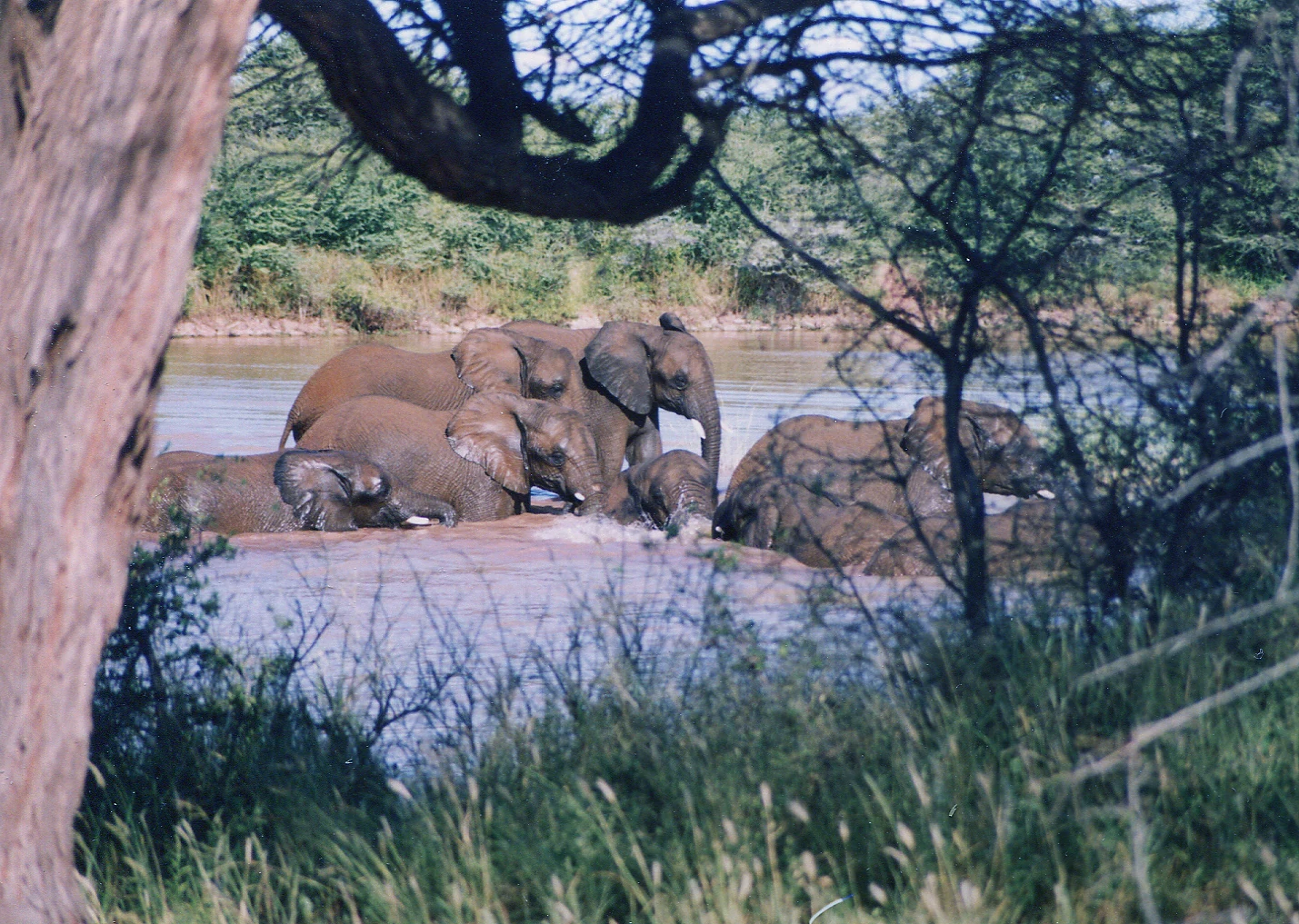
A group of African elephants standing in and drinking from a muddy waterhole, framed by trees in the foreground.
A small herd of elephants at a waterhole in Okonjati Game Reserve.

Okonjati Game Reserve history and protected-area timeline

Okonjati Game Reserve was founded in 1975 by Jan Oelofse, who established the property as a private conservation area in the Otjozondjupa region of central Namibia. From the outset, the reserve was shaped around the protection of hippopotamuses, a focus that has remained central to its identity for decades.

The reserve also occupies a place in Namibia's modern political history. Mount Etjo, one of the dominant mountains within the reserve's boundaries, hosted the peace negotiations that led to Namibian independence in 1989. This association gives Okonjati a historical importance that goes well beyond its private conservation role.

Over time, the property has expanded beyond strict wildlife protection to include tourism infrastructure and broader public engagement. The Mount Etjo Safari Lodge anchors this hospitality dimension, and the reserve has become part of Namibia's broader network of privately owned wildlife areas that complement the country's national parks and state-managed protected lands.

Okonjati Game Reserve landscape and geographic character

The landscape of Okonjati Game Reserve is shaped by central Namibian bushveld, with a mix of open savanna, seasonal watercourses, and rocky uplands. The reserve covers roughly 360 square kilometers, an area large enough to support wide-ranging mammals while still allowing relatively intimate encounters along key habitats.

The most distinctive landforms within the reserve are the Etjo and Klein-Etjo mountains. Mount Etjo rises as the dominant peak, drawing its significance not only from its visual presence but also from its role in Namibia's recent history. The Klein-Etjo provides a smaller companion massif within the same landscape.

Away from the mountains, the terrain transitions into the broader Otjozondjupa environment: dry woodland, grass-covered plains, and the water systems that sustain the reserve's hippo population. The combination of upland relief and lower savanna gives Okonjati a varied scenic profile, with the Etjo mountains framing views across the rest of the property.

Okonjati Game Reserve ecosystems, habitats, and plant life

Okonjati's ecological character reflects the transition zone of central Namibia, where bushveld and dry woodland ecosystems meet rocky uplands and seasonal wetland habitats. The reserve's vegetation includes acacia-dominated woodlands typical of the Otjozondjupa region, interspersed with open grassy plains that support grazing antelope populations and the predators that follow them.

The presence of hippopotamuses is one of the reserve's defining ecological features. Hippos depend on permanent or near-permanent water and wallowing habitat, and their sustainability in Okonjati indicates that the reserve maintains suitable aquatic and riparian conditions within an otherwise semi-arid landscape. This water-linked habitat in turn supports wider biodiversity, including amphibians, waterbirds, and the dense vegetation that often fringes such areas.

The Etjo mountain slopes introduce a different ecological dimension, with rockier terrain, thinner soils, and vegetation patterns adapted to steeper ground. Together, the reserve's mix of savanna, riparian habitat, and upland rock environments supports an unusually broad ecological range for a private reserve of this size.

Okonjati Game Reserve wildlife and species highlights

Okonjati Game Reserve supports a substantial mammal community typical of central Namibia, anchored by a strong population of hippopotamuses that has been the focus of the reserve since its founding. Elephants are also present and form a recognizable part of the reserve's wildlife profile, alongside populations of lions, leopards, and cheetahs that occupy predator niches across the varied terrain.

Antelope diversity is another highlight of the reserve, with more than twenty species recorded within its boundaries. This range of grazers and browsers reflects the mix of open plains, woodland, and rocky areas that Okonjati encompasses, and it underpins the predator populations the reserve sustains. Rhinoceroses also occur in the area, adding to the conservation significance of the property for large and threatened species.

The birdlife of Okonjati is one of its strongest natural assets. Several hundred species have been recorded, including waterbirds drawn to the reserve's hippo habitat as well as raptors, savanna specialists, and seasonal migrants typical of the broader southern African region. This bird diversity complements the mammal-focused identity of the reserve and broadens its appeal to naturalists and birdwatchers.

Okonjati Game Reserve conservation status and protection priorities

Okonjati Game Reserve has been a private conservation property since 1975, with its founding purpose closely tied to the protection of hippopotamuses in a region where suitable water habitat can be limiting. Over the decades, this commitment has positioned the reserve as a long-running example of privately led species-focused conservation in Namibia.

The reserve contributes to broader landscape-scale protection by maintaining habitat for elephants, multiple antelope species, big cats, and rhinoceroses, all of which face varying degrees of pressure across southern Africa. Its private, fenced, or managed character allows the property to apply targeted conservation measures that complement the work of Namibia's national parks and state reserves.

The reserve also holds paleontological value through its fossilized dinosaur tracks, linking contemporary species conservation with the deeper natural heritage of the region. Together, the hippo-focused mandate, the broader mammal and bird diversity, and the embedded geological history give Okonjati a conservation profile that combines species protection, habitat preservation, and natural heritage in a single relatively compact property.

Okonjati Game Reserve cultural meaning and human context

Okonjati Game Reserve carries cultural and historical significance that goes beyond its wildlife focus, primarily through Mount Etjo. The mountain's most notable moment in modern Namibian history came in 1989, when it hosted the peace negotiations that paved the way for Namibian independence. This association gives the reserve a place in the country's collective memory and identity, beyond its ecological role.

The reserve also reflects the broader culture of private conservation in Namibia, where landowners play a significant role in managing wildlife and supporting national conservation goals. Founded by Jan Oelofse and continuing under family stewardship, the reserve represents the long-standing tradition of private custodianship that shapes much of Namibia's contemporary protected landscape.

Top sights and standout views in Okonjati Game Reserve

Okonjati Game Reserve stands out for combining a focused hippopotamus conservation mandate with a broader savanna ecosystem supporting elephants, big cats, antelope, and rhinos, and several hundred bird species. The presence of Mount Etjo within the reserve anchors both the landscape and the reserve's historical identity as a site of Namibian independence negotiations in 1989. Fossilized dinosaur tracks, a working safari lodge, and a long-running private stewardship tradition complete the reserve's distinctive profile.

Best time to visit Okonjati Game Reserve

Okonjati's climate follows the typical central Namibian pattern, with a dry winter season and a wetter summer period. The cooler, drier months tend to offer easier wildlife viewing as animals concentrate around remaining water sources, while the warmer wetter months bring greener landscapes, more active birdlife, and seasonal migrant species. Both seasons have merit depending on whether a visitor prioritizes mammal sightings or the broader birding and landscape experience.
Monthly climate preview

Long-term monthly temperature and precipitation data for Otjozondjupa terrain

Okonjati Game Reserve Climate Normals and Annual Temperature Patterns

Okonjati Game Reserve records long-term monthly temperature and precipitation normals derived from representative coordinate measurements across the protected landscape. Examining the complete twelve-month meteorological profile reveals detailed seasonal variations in average thermal ranges and daily precipitation rates.
Annual mean21 °C
14 °C26 °C
Jan25°
Feb25°
Mar24°
Apr21°
May18°
Jun14°
Jul14°
Aug17°
Sep22°
Oct25°
Nov26°
Dec26°
Warmest month
December

26 °C

Coolest month
July

14 °C

Wettest month
February

3.1 mm/day

Driest month
June

0 mm/day

Park location guide

Geography guide, regional context, and park location map for Okonjati Game Reserve

Okonjati Game Reserve park geography, regions, and map view in Namibia

Understand where Okonjati Game Reserve sits in Namibia through a broader geographic reading of the surrounding landscape, nearby location context, and its mapped position within the national park landscape.

How Okonjati Game Reserve fits into Namibia

Namibia is a sovereign country in Southern Africa that gained independence from South Africa in 1990. It is the driest country in sub-Saharan Africa, characterized by the Namib Desert along its coast. The population is approximately 3 million, with Windhoek as the capital and largest city. Namibia operates as a unitary semi-presidential republic with a multi-party system.

Wider geography shaping Okonjati Game Reserve in Namibia

Namibia occupies 825,615 km2 in Southern Africa, making it the 34th largest country in the world. It is bordered by the Atlantic Ocean to the west, Angola and Zambia to the north, Botswana to the east, and South Africa to the south. The country features the Namib Desert along its coastal region, with varied terrain including savannas, mountains, and plateaus inland. A notable geographic feature is that Zimbabwe lies less than 200 metres away along the Zambezi river near Kazungula in the northeast.

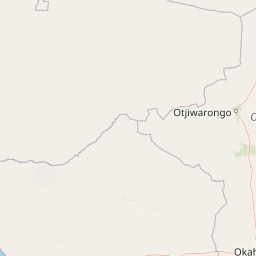
Map view of Okonjati Game Reserve

Use this park location map to pinpoint Okonjati Game Reserve in Namibia, understand its exact geographic position, and read its mapped placement within the surrounding landscape more clearly.

Pigeon | © OpenStreetMap contributors

Location context for Okonjati Game Reserve

Otjozondjupa

Visualizing the rugged mountain terrain, bushveld habitats, and protected landscapes of central Namibia

Okonjati Game Reserve Photos, Landscapes, and Scenery Explorer

Visual documentation provides a clear window into the rugged terrain, bushveld habitats, and geological formations defining Okonjati Game Reserve. Examining these field photographs helps researchers and travelers understand the diverse environmental character and protected landscapes preserved across the region.

A group of African elephants standing in and drinking from a muddy waterhole, framed by trees in the foreground.

Park atlas

Discover other protected areas across the surrounding central Namibian landscape

Parks Near Okonjati Game Reserve and Related Protected Areas to Compare

Continue exploring regional park geography by comparing adjacent reserves and protected landscapes near Okonjati Game Reserve. Examining these connected habitats provides deeper context on central Namibian bushveld and regional conservation patterns.
National parkNamibia
About 51 km away#1 closest

Northeast

Waterberg Plateau Park: A Detailed Atlas of a Protected Table Mountain in Namibia

Geographic overview of the Kalahari plateau ecosystem and protected wilderness

Waterberg Plateau Park offers a deep look into one of Namibia's most recognizable natural landmarks, featuring a classic table mountain formation that rises dramatically from the savannah. This protected area provides a rich study of geological heritage, including ancient strata and isolated plateau ecosystems that support a wide range of bird species and rare fauna. The park serves as a foundational site for conservation, marking a contrast between the elevated plateau and the expansive plains below.

Area
405 km²
Established
1972
IUCN
II
Relief
Highland
Watercolor illustration of a landscape with soft green and pink hues showing rolling hills and a pale sky
National parkNamibia
About 74 km away#2 closest

Northeast

Waterberg Plateau Park: Mapped Geography and Protected Landscape Identity in Namibia

Central Namibia's ancient plateau and savanna terrain.

Waterberg Plateau Park stands as a defining geological feature of the Namibian landscape. This national park is centered on a dramatic table mountain that creates a distinct ecological island above the surrounding Kalahari basin. Renowned for its ancient rock formations and successful conservation efforts, the area provides a vital protected boundary for endangered species and a significant focus for regional geographic exploration.

Area
405 km²
Established
1972
IUCN
II
Relief
Mixed relief
Protected landscapeOtjozondjupa
About 120 km away#3 closest

South

Von-Bach-Erholungsgebiet: A Protected Landscape of Dam Waters and Bushveld Terrain

Geographic overview of the Otjozondjupa recreation reserve.

The Von-Bach-Erholungsgebiet landscape defines a unique intersection between the northern Eros Mountain foothills and the Von-Bach Dam reservoir. Characterized by khaki bushveld, scattered acacia, and rolling ridges, this protected area serves as a primary hub for water-based recreation and bushland exploration in central Namibia.

Area
43 km²
Established
1972
IUCN
V
Relief
Upland
A horizontal watercolor illustration of rolling hills, trees with soft pink and green foliage, and grassy foreground against a pale misty mountain background.
Protected areaNamibia
About 129 km away#4 closest

South

Gross Barmen Protected Area: Landscape Geography and Thermal Spring Mapping in Namibia

Central Namibia thermal spring and historic natural monument

Gross Barmen is a state-managed recreation area in central Namibia, centered on a natural sulfurous spring that emerges within a flat thornveld landscape. This protected area acts as both a cultural heritage site and a geological feature, providing a clear window into the regional terrain of the Otjozondjupa area through its thermal waters and historical mission foundations.

Area
1 km²
Established
1968
Relief
Lowland
Climate
Arid
National parkKunene Region
About 160 km away#5 closest

Northwest

Etosha National Park National Park: Mapped Protected Landscape and Regional Geography

Discover its protected boundaries and geographic context.

Gain a structured understanding of Etosha National Park, a prominent national park within Namibia's Kunene Region. This entry focuses on the park's protected landscape identity, detailing its mapped boundaries and geographic significance. Explore Etosha National Park through the lens of atlas-driven discovery, appreciating its role as a key protected area and its contribution to the regional geography of the surrounding landscape.

Area
22,270 km²
Established
1907
IUCN
II
Visitors
200K annual
Nature reserveWindhoek
About 185 km away#6 closest

South

Südwest-Naturreservat: A Protected Botanical Nature Reserve in Central Windhoek

Conservation landscapes and native flora in the Khomas Highland

Located in central Windhoek, Südwest-Naturreservat functions as a key protected area and botanical site. It showcases a diverse collection of Namibian plants across both landscaped and natural terrain, offering a focused look at arid and semi-arid flora within an accessible urban environment that highlights the region's unique biodiversity.

Area
0.12 km²
Established
1970
IUCN
V
Relief
Upland
National parkNamibia
About 227 km away#7 closest

South

Namib-Naukluft National Park: Namibia's Iconic Desert Landscape and Protected Terrain

Explore its ancient dunes, Naukluft mountains, and coastal geography.

Namib-Naukluft National Park is a colossal protected area in Namibia, holding the distinction of being Africa's largest national park. This park is renowned for its iconic sand dunes, particularly at Sossusvlei, which are among the highest in the world and display dramatic colors due to iron oxidation. The landscape also features the rugged Naukluft Mountains and vital coastal fog zones, creating a diverse arid environment. Delve into the mapped geography and unique terrain of this ancient desert setting, understanding its protected landscape significance within Namibia's atlas.

Area
49,768 km²
Established
1907
IUCN
II
Relief
Mixed relief
National parkNamibia
About 255 km away#8 closest

Southwest

Dorob National Park: Namibia's Expansive Coastal Desert and Protected Bird Habitat

Explore mapped landscapes and regional geography.

Dorob National Park is a prime example of a protected coastal desert landscape, stretching along Namibia's Atlantic coast. This national park is renowned for its significant bird populations, making it an Important Bird Area with extensive mapped habitats supporting diverse species. Understand the park's geographic context, from its dramatic dunes to its ephemeral river systems, and its role as a key conservation area within the region.

Area
107,540 km²
Established
2010
IUCN
II
Relief
Lowland

Common questions about visiting, size, designation, and location context for Okonjati Game Reserve

Okonjati Game Reserve FAQs for park facts, access, geography, and protected area context

Find quick answers about Okonjati Game Reserve, including protected-area facts, park geography, trail and visitor context, and how the park fits into its surrounding country and regional landscape.
MoriAtlas Explorer

Continue Your Protected Areas Search Across the Global Atlas

Deepen your exploration by continuing the structured search for national parks and protected areas worldwide. Utilize the comprehensive filtering capabilities to compare different conservation landscapes and refine your understanding of global park geography. Discover more about the distribution and characteristics of protected natural areas.

Global natural geography