
Why Padjelanta National Park stands out
Padjelanta is best known for its vast, open plateau landscape punctuated by two exceptionally large subarctic lakes in a region that represents the stark beauty of northern Scandinavian wilderness. The park is famous for supporting remarkable plant diversity, including over 400 lower plant species, a record for Swedish fell regions, and for being home to rare species found nowhere else in Europe, such as Potentilla robbinsiana. Its lichen diversity has earned recognition as a "lichen diversity heaven" in Scandinavia, with recent studies documenting new species findings. The park also holds deep cultural significance as a living Sámi cultural landscape with ongoing reindeer husbandry.
Padjelanta National Park history and protected-area timeline
Human presence in Padjelanta extends back to the Stone Age, as evidenced by numerous trapping pits found throughout the area that have been dated to this early period. The region's flourishing meadows and fish-filled lakes have long made it attractive for human habitation, and even today these same lakes continue to support Sámi fishing operations. The area has held scientific interest since the birth of modern research, particularly for studies of flora, fauna, and geology. The park was formally established in 1962 as part of Sweden's expanding national park system, and its inclusion in the UNESCO World Heritage Site Laponia in 1996 elevated its international recognition. Today, management of tourist facilities within the park has been transferred to the Sámi villages under the name Badjelánnda Laponia Turism, reflecting the ongoing cultural connection between the land and its traditional custodians.
Padjelanta National Park landscape and geographic character
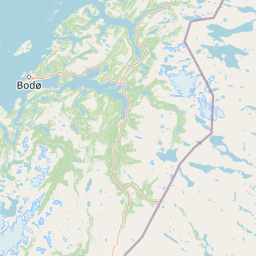
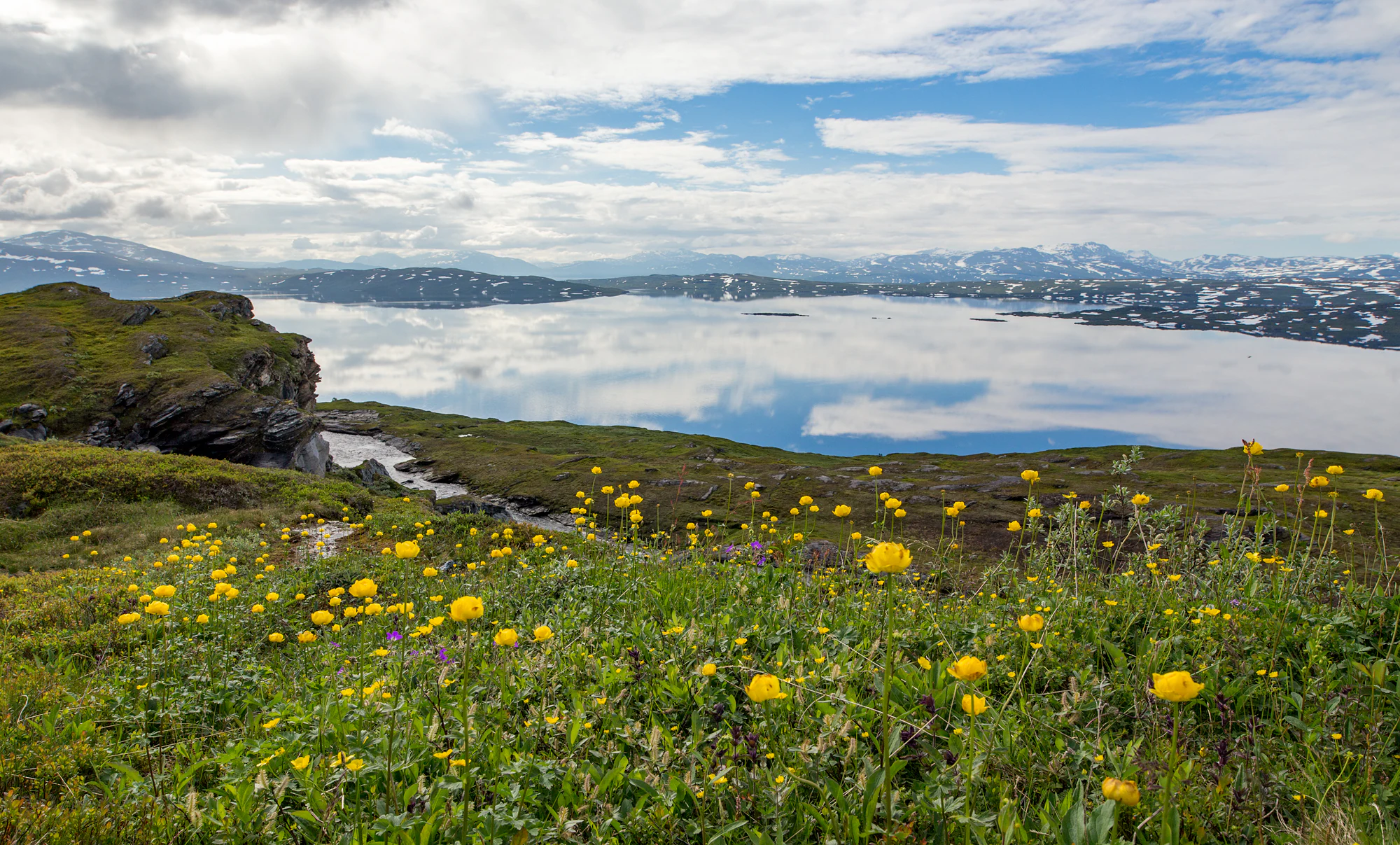
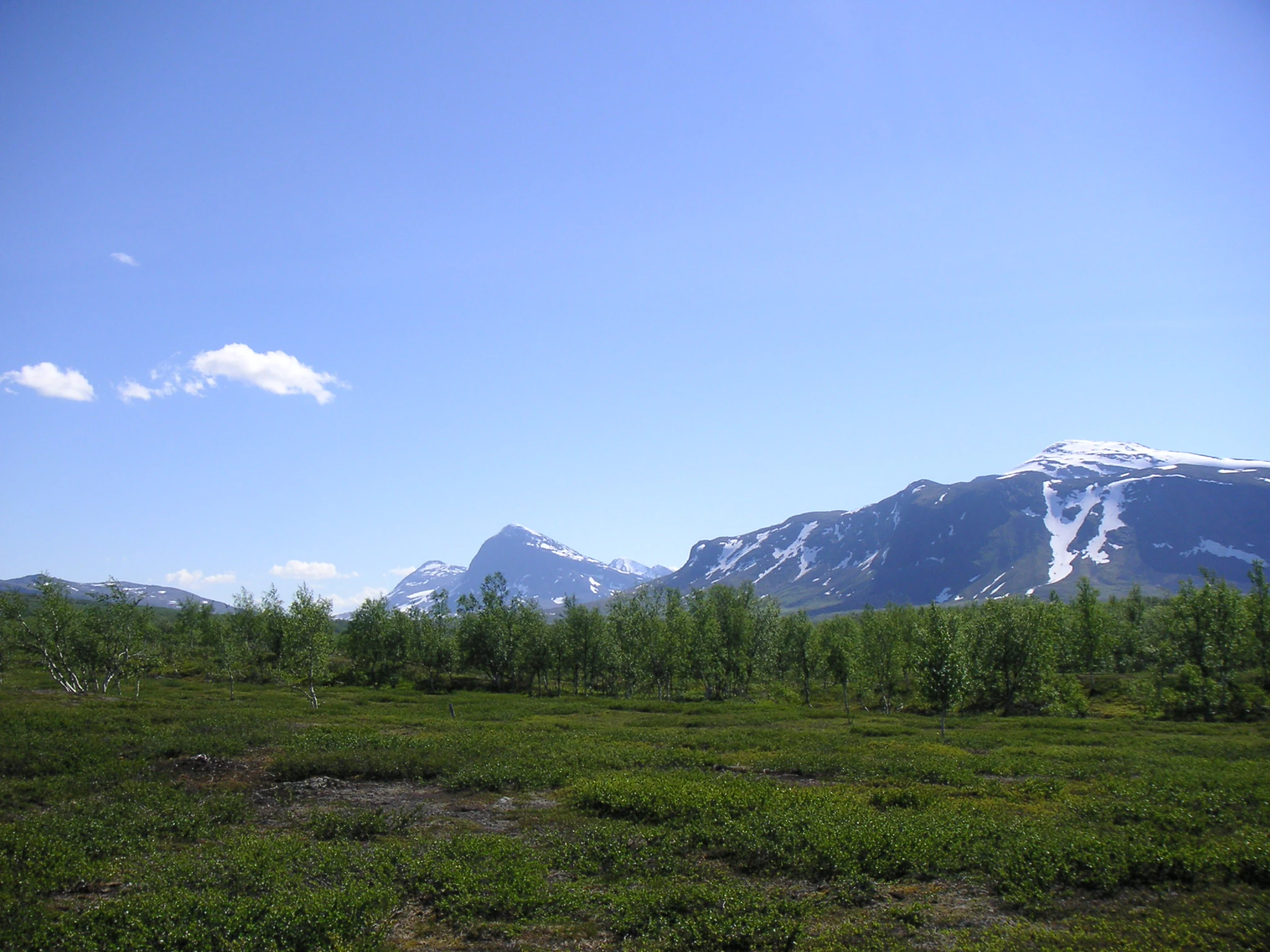
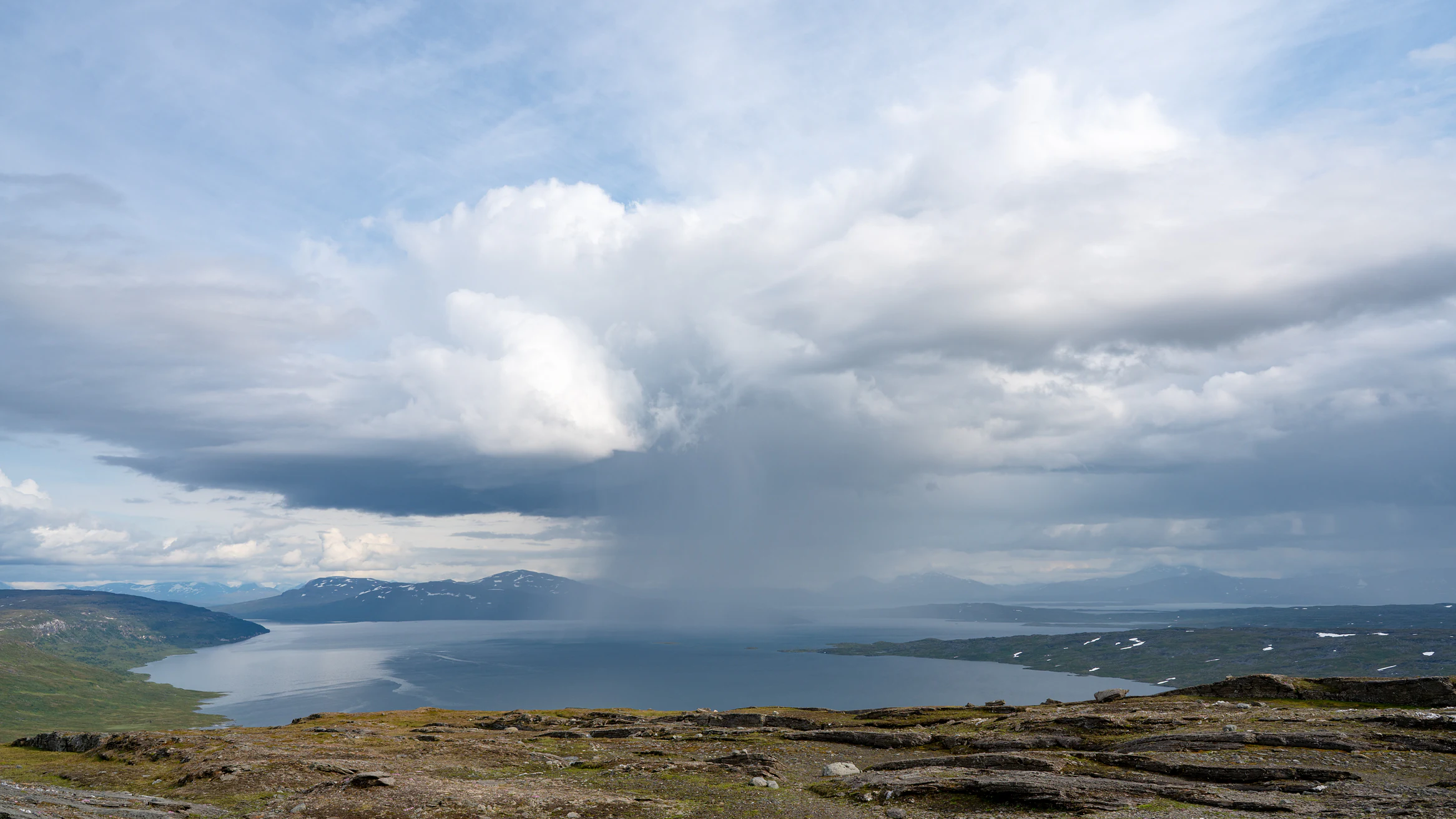
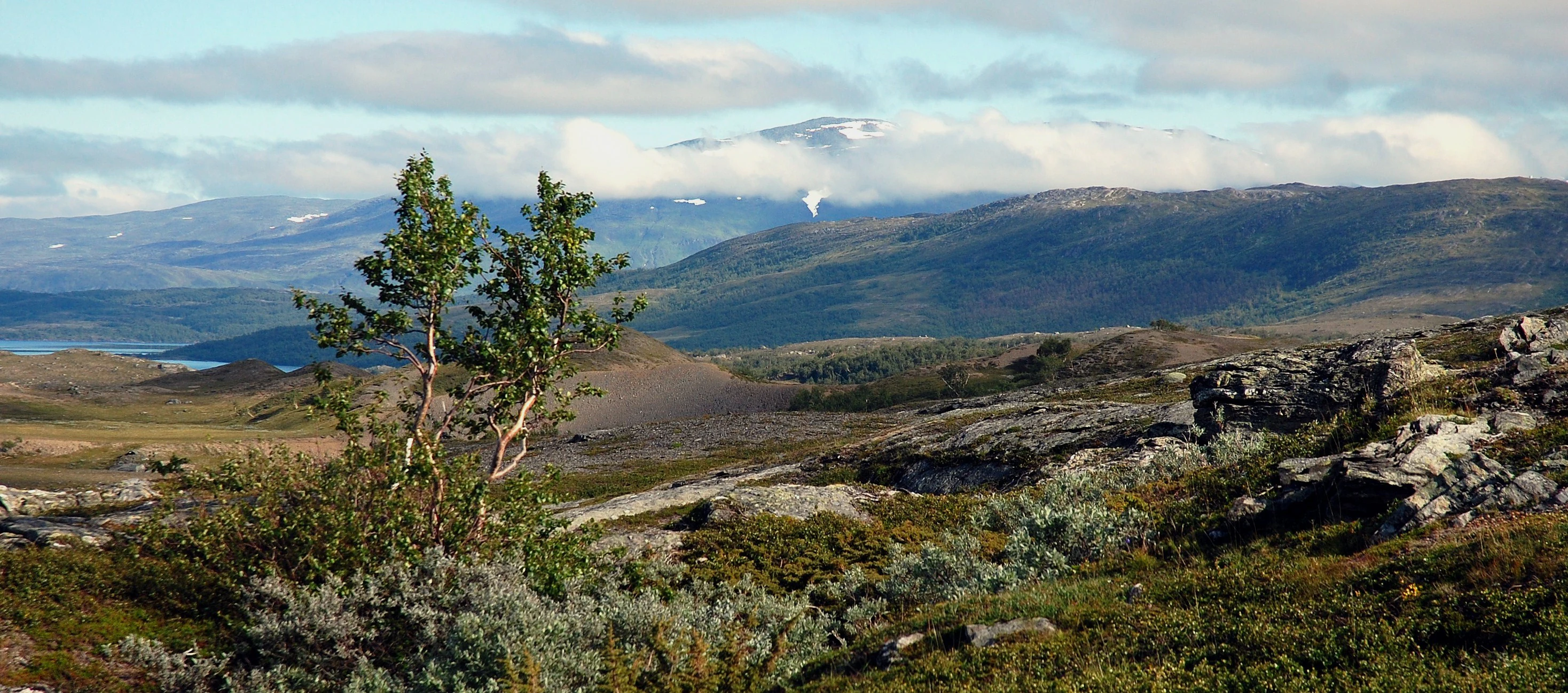
The physical landscape of Padjelanta is defined by an extensive plateau ecosystem centered around two remarkably large subarctic lakes. Vastenjávrre and Virihávrre dominate the park's interior, their expansive waters set against a backdrop of gently rolling hills with minimal prominent peaks—a stark contrast to the dramatic alpine terrain of Sarek National Park bordering to the east. The landscape is notably flat and open compared to the mountainous character typical of northern Sweden's protected areas, though the terrain remains elevated above the surrounding lowlands. The park's western boundary follows the frontier with Norway, while the varied geology including calcareous and ultramafic rock formations contributes to the ecological diversity of the region. The northeastern corner of the park supports a small forest of mountain birch covering approximately 1,400 hectares—the only tree species capable of surviving the harsh conditions above the tree line.
Padjelanta National Park ecosystems, habitats, and plant life
The ecological character of Padjelanta reflects its position above the Arctic tree line, where harsh climatic conditions limit tree growth to the resilient mountain birch. This species, Betula pubescens subsp. tortuosa, forms a distinctive small forest in the northeastern corner of the park—the only meaningful tree cover in an otherwise open landscape. Despite the harsh conditions, the park supports extraordinary botanical diversity. Over 400 lower plant species (thallophytes) have been cataloged, reportedly a record for Swedish fell regions. This exceptional diversity stems from the park's western position and chalk-rich bedrock. Several plant species are endemic to the Swedish fell regions, including Arenaria humifusa, Gentiana aurea, and notably Potentilla robbinsiana, which in Europe has been found only in Padjelanta. The lichen flora is equally remarkable, with recent research documenting 10 species new to Sweden and 98 new to the Lule lappmark region. The varied geology supporting both calcareous and ultramafic rock creates conditions for this exceptional diversity.
Padjelanta National Park wildlife and species highlights
The mammalian fauna of Padjelanta is notably limited in species diversity, with small populations of a few species dominating. Lemmings and reindeer form the primary mammal community, with the park also supporting the predators that depend on them—wolverine and Arctic fox, both permanently resident in the park. In contrast to the limited mammal population, the park's birdlife is exceptionally rich and diverse. The heath areas support typical species including European golden plover, meadow pipit, and northern wheatear, with rock ptarmigan, Eurasian dotterel, and Eurasian whimbrel also common. The lakes host abundant waterfowl including long-tailed duck, Eurasian teal, and common scoter, along with various wader species such as red-necked phalarope, ruff, Temminck's stint, and common redshank. The mountain birch forest in the northeast provides habitat for common redpoll, willow warbler, Lapland longspur, bluethroat, and redwing. Throughout the park, species like lesser white-fronted goose, gyrfalcon, golden eagle, white-tailed eagle, great snipe, rough-legged buzzard, and long-tailed jaeger can be observed. During lemming population peaks, the rare snowy owl may appear. The lakes also support abundant fish populations, with Vastenjávrre and Virihávrre being especially densely populated.
Padjelanta National Park conservation status and protection priorities
Padjelanta National Park represents one of Sweden's most significant protected areas, forming a core component of the UNESCO World Heritage Site Laponia established in 1996. The park's conservation significance stems from the exceptional integration of outstanding natural values with living cultural practices. The remarkable plant and lichen diversity—including species found nowhere else in Europe—has prompted recent scientific attention, with a 2023 study highlighting the park's importance as a "lichen diversity heaven" for Scandinavia. While only six red-listed lichen species were recorded, this likely reflects insufficient assessment of alpine lichen species rather than absence of conservation concern. The park protects critical habitat for both Arctic fox and wolverine, species of conservation concern in Sweden. The ongoing traditional reindeer husbandry by three Sámi villages maintains the cultural landscape character that contributed to World Heritage recognition, representing a living example of sustainable human-nature interaction in the subarctic.
Padjelanta National Park cultural meaning and human context
Padjelanta holds profound cultural significance as a living Sámi cultural landscape. The park's name derives from the Lule Sami word Badjelánnda, meaning "the higher land," a straightforward geographic description of the elevated plateau. Three Sámi villages—Duorbun, Jåhkågasska, and Sirges—continue traditional reindeer husbandry in the park during summer months, utilizing the traditional settlement areas of Stáloluokta, Árasluokta, and Sállohávrre. Archaeological evidence, including several panels of rock art, substantiates longstanding Sámi inhabitation extending far into the past. The lakes remain actively utilized for fishing by the Sámi communities, maintaining traditional subsistence practices. Tourist facilities within the park have been transferred to Sámi management under Badjelánnda Laponia Turism, representing a model of indigenous-led sustainable tourism. This integration of contemporary Sámi life with landscape protection exemplifies the World Heritage values that distinguish Laponia.
Top sights and standout views in Padjelanta National Park
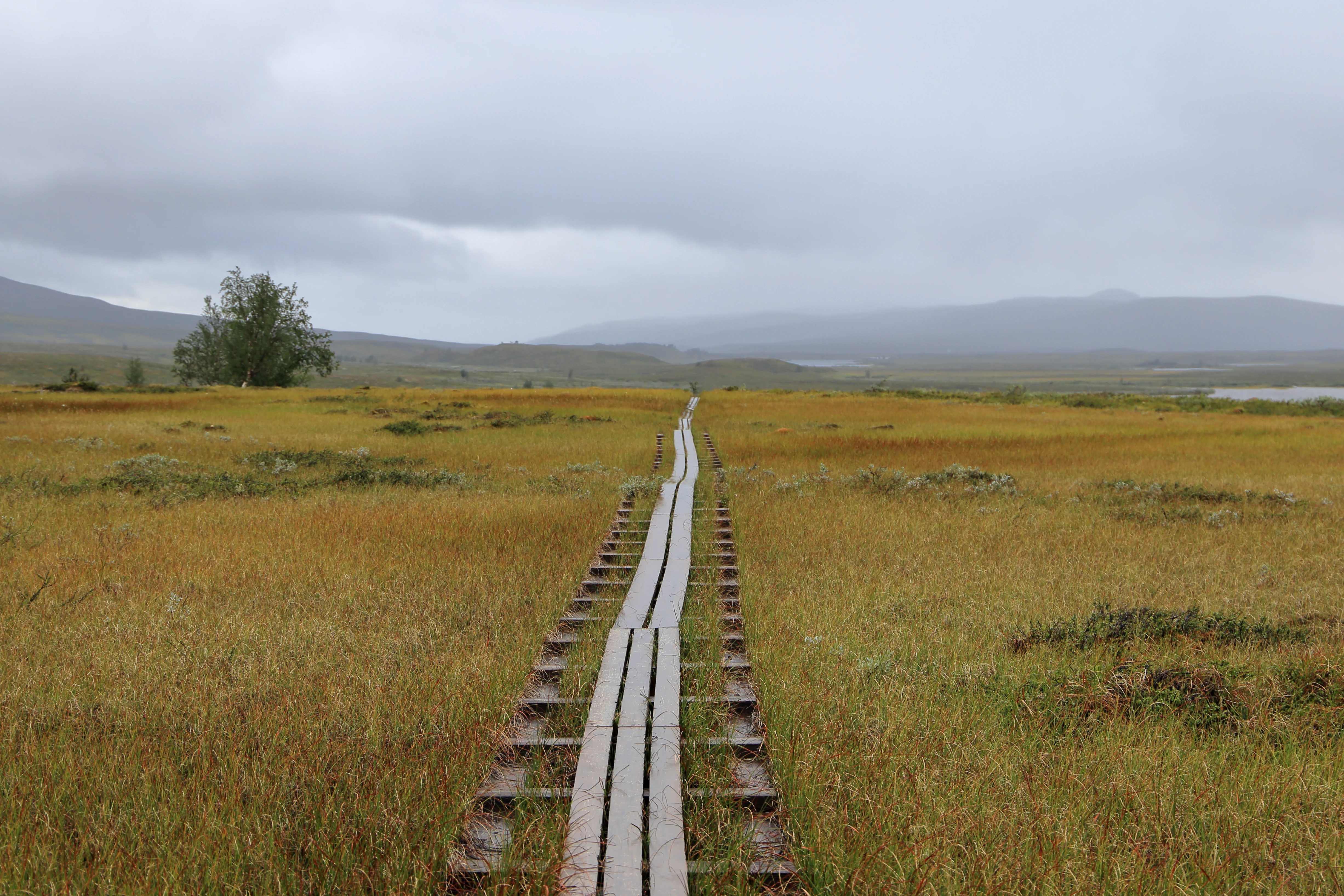
Padjelanta stands as Sweden's largest national park and a centerpiece of the Laponia World Heritage Site, protecting a vast subarctic plateau ecosystem with two remarkably large lakes. The park supports exceptional botanical and lichen diversity, including species found nowhere else in Europe. The landscape represents a relatively flat and open terrain unlike the alpine character of neighboring Sarek, centered on Virihávrre—celebrated as Sweden's most beautiful lake. The 140-kilometer Padjelantaleden trail traverses the park, while the Swedish center of inaccessibility—the point farthest from roads—lies near Rissájávrre. Three Sámi villages continue active seasonal reindeer husbandry, maintaining a living cultural landscape.
Best time to visit Padjelanta National Park
Padjelanta is a summer destination, as the Padjelantaleden trail is marked only during the snow-free season and the mountain huts are not staffed in winter. The summer months offer the best conditions for hiking through the open plateau landscape and experiencing the midnight sun phenomenon typical of northern Sweden. The characteristic subarctic climate brings mild conditions during July and August, with average temperatures around 10°C, making this the optimal period for outdoor exploration. Visitors seeking to experience the park's cultural dimension can visit Stáloluokta, where a sauna operates during the tourist season and provisions are available.